Since January 1, 2013, the rules for transporting lithium batteries have become stricter. This is due to the risk of battery short circuit and subsequent ignition.
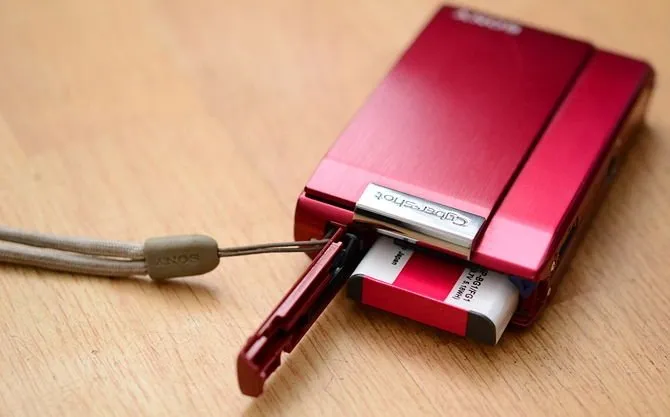
A short circuit is possible when an unprotected battery terminal comes into contact with other batteries, metal objects, or conductive surfaces. When transported on an airplane, batteries must be separated to prevent short circuits and damage.
What are lithium batteries and what devices contain them?
There are two main types of lithium batteries:
- Lithium-ion batteries. They are used in mobile phones, laptops, cameras, etc., and can be recharged.
- Lithium-metal batteries, which are not rechargeable and are used in watches, calculators, and some cameras.
Which batteries can be carried in hand luggage and checked baggage?
Transportation rules depend solely on battery power:
| Power in Watt-hours (Wh) |
Configuration |
In hand luggage |
In checked baggage |
Airline approval required |
| ≤ 100 Wh |
in devices |
yes |
yes |
no |
| separately |
yes |
no |
| > 100 to
≤ 160 Wh |
in devices |
yes |
yes |
yes |
| separately |
yes (max. 2 pcs) |
no |
| > 160 Wh |
Must be declared and transported as cargo in accordance with IATA Dangerous Goods Regulations. |
In the table, battery power is indicated in watt-hours, but on our devices, it is most often in amperes. How do you determine the power in watt-hours?
It's quite simple; to convert, use the formula:
Ah (ampere-hours) x V (volts) = Wh (watt-hours)
If the battery power is indicated in milliamperes, for example, 15000 mAh, then milliamperes should be divided by 1000.
15000 mAh / 1000 = 15 Ah
For example, we are carrying a portable charger. Its battery capacity is 15000 mAh, voltage 5 volts. Above, we already found that 15000 mAh is 15Ah, then according to the formula above
15*5 = 75 Wh.
Since 75 < 100, we can carry this device in hand luggage without prior approval from the carrier.
Please note that the transportation of spare batteries (i.e., separate from the device) in checked baggage is prohibited regardless of battery power. Portable chargers are also considered spare batteries.
How to prevent battery short circuits?
The most reliable way is to pack the battery or the device containing it in a non-conductive material, for example, a regular plastic bag. Moreover, each bag should contain only one battery, without any foreign objects, especially metal ones.
How many lithium batteries can be transported?
Each passenger can carry up to 10 lithium batteries or devices containing them.
Also, there should be no more than 10 batteries in one suitcase or bag. This is important to consider if you are traveling together with one suitcase.