What happens during aircraft cabin depressurization
A large number of films often depict aircraft cabin depressurization with frightening scenes, followed by a catastrophic outcome. Is everything really that terrible?
Spoiler: no, for the most part, it's all just for a thrilling picture. In this article, we will tell you in detail what depressurization is, why it occurs, and how not to be afraid to fly on an airplane after watching action movies.
What happens during depressurization
Perhaps, let's start with an explanation of the wonders of nature. As altitude increases, atmospheric pressure decreases. The same thing happens with the amount of oxygen in the air. Have you noticed that your ears pop during takeoff and landing? Discomfort is precisely related to this phenomenon.
Therefore, it is logical that atmospheric pressure should be maintained in the cabin, at which people at an altitude of ten kilometers will feel comfortable and safe. When designing an aircraft, special materials are chosen that ensure pleasant conditions for people.
Few people know, but during descent, a planned depressurization is carried out, during which everyone remains healthy and unharmed. When all passengers have taken their seats on board, the crew presses one button and connects the parts to each other to seal the cabin. During landing, depressurization occurs in the same way. Have you returned to familiar environmental conditions? Breathe deeply. So not all depressurization is as frightening as they say.
To summarize: planned depressurization is a phenomenon in which the cabin gradually loses its airtightness and pressure equalization occurs.
Causes of depressurization
Now let's talk about why unplanned depressurization can occur. There are usually several reasons:
– exceeding the load at altitude, when parts lose stability due to very high pressure in the air space;
– mechanical impact inside or outside the cabin. For example, something crashed into the fuselage at high speed, or passenger sabotage occurred on board;
– technical malfunctions related to insufficient aircraft inspection by engineers on the ground;
– carelessness of crew members who might accidentally hit the depressurization button already at altitude.
Types of depressurization
There are two types of depressurization: planned and emergency. If the first one is clear, then let's talk more about the emergency one. This is precisely the type that terrifies all passengers. In the most extreme case, it can end in a catastrophe: cold air enters the cabin, and passengers' pressure drops sharply. History knows only a few catastrophes related to depressurization.
However, let's not escalate and focus on the danger — instead, let's talk about the correct behavior of passengers and crew members.
What depressurization can lead to
Of course, passengers will not notice the consequences of planned depressurization. During an emergency landing with minor damage to parts, the crew can easily handle it on their own. Special valves are installed on the aircraft, which the pilot activates in case of damage to equalize the pressure on board. In most cases, the plane can be landed easily so that no one is harmed. The most frightening thing is that passengers will learn what turbulence is.
How an emergency landing proceeds
Forewarned is forearmed. Here's how an emergency landing usually proceeds.
So, if depressurization occurs on a flight, the pilot decides to evacuate. Within 15 minutes, the aircraft descends from an altitude of ten kilometers to three or four. Today, aircraft are equipped with monitoring systems that can control everything, including safety. In parallel, the pilot searches for the nearest airport that can accept the aircraft. Often, the aircraft lands in autopilot mode under the supervision of ground specialists, so the probability of landing safely and unharmed is very high.
What to do during depressurization
- Don't panic
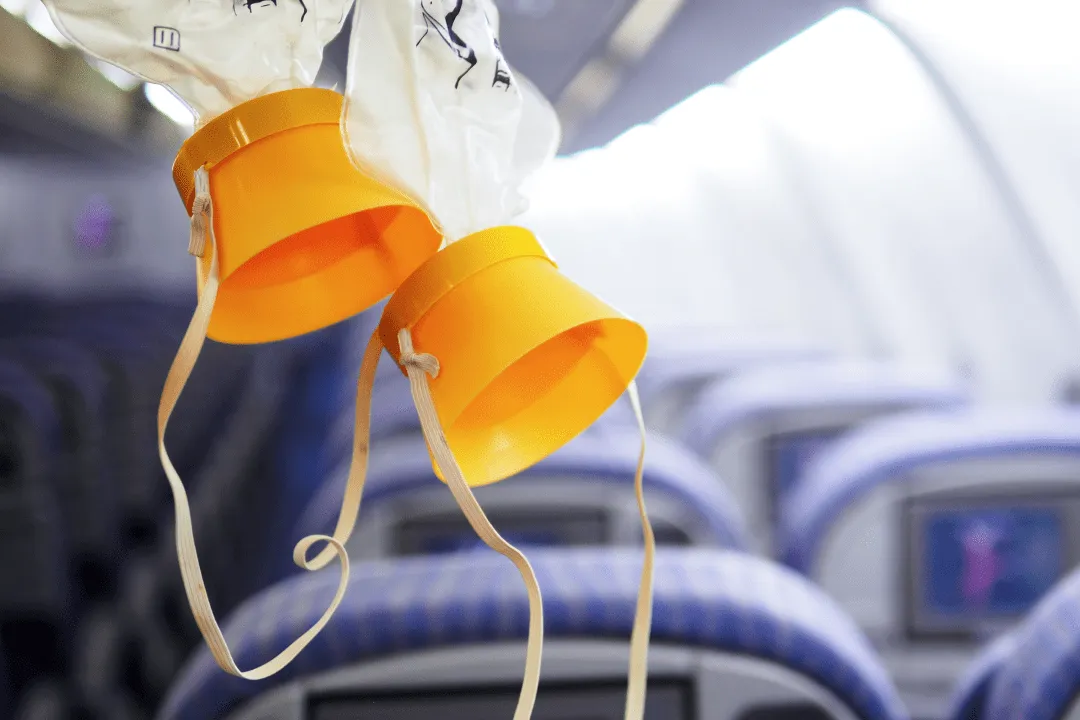
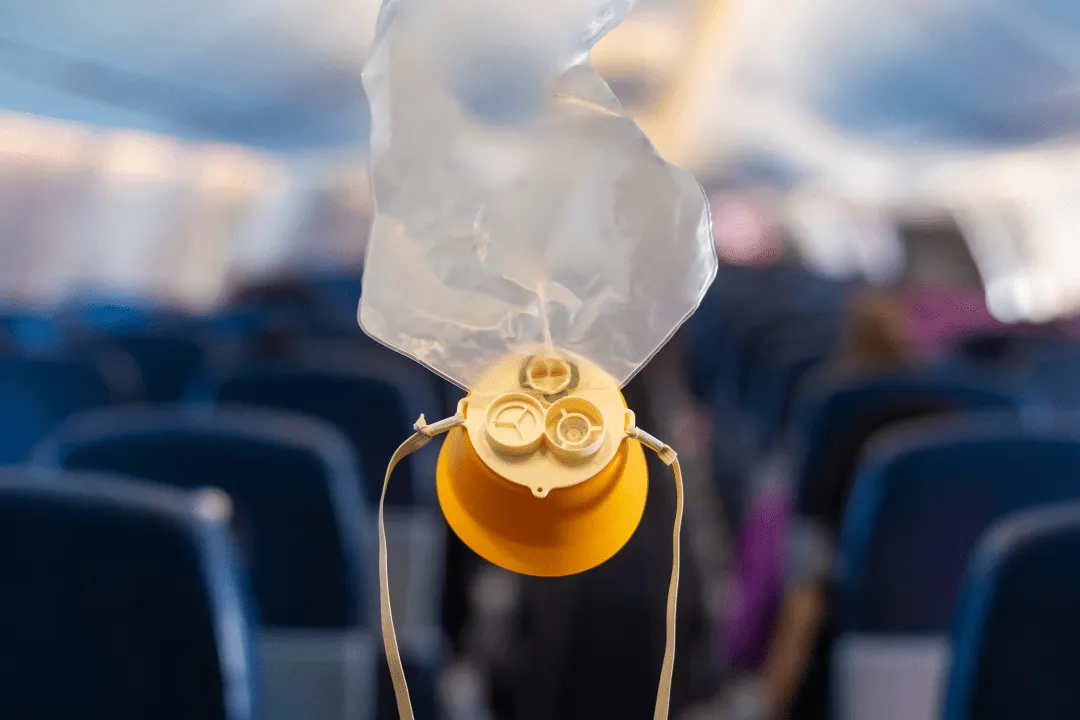
This advice is definitely not from the series where they try to urgently calm you down and mislead you. The fact is that above each passenger seat there are oxygen masks, which automatically drop down immediately in an emergency. They provide access to oxygen for fifteen minutes. This time is enough for the crew to descend to an altitude of three kilometers and land the plane. In case of panic, chaos will ensue, and passengers may cause additional damage to the aircraft's fuselage.
- Fasten your seatbelt
Travelers often ignore this important rule at altitude, citing discomfort. However, in the event of depressurization, when your life is at stake, it is very important to fasten your seatbelts.
Done! Now you are the most responsible passenger on board, who will certainly not be afraid of depressurization and will also be able to help your panicking neighbor in any situation.
We are confident that each of your flights will pass without adventures and incidents. We wish you excellent flights!