Traveling in South Korea
 Yasya
YasyaSouth Korea is at the top. Not just music charts, but also travel destinations. Open your social media feed: surely one of your friends recently posted alluring photos of neon signs, royal palaces, and trendy designer stores from Seoul. But your trip can become much cooler if you include a couple more cities. Especially since flights here are short, and airports are convenient.
We've gathered information about the most interesting destinations within the country, created a great itinerary, and attached links to convenient tickets , Seoul, and Busan.
Itinerary for Korea
The first stop, of course, will be Seoul itself. One day for palaces and parks, one for shopping, one for Lotte World. Then we fly to Cheongju, to see the presidential villa. From there – to Muan for lotuses or for a couple of days to Jeju Island, to experience trekking, so beloved by Koreans. The next stop is a must – Busan. You can stay here a little longer if you like beach holidays and want to take a break between visiting various temples. The final spot before returning to Seoul could be Daegu (if you haven't had enough mountain climbing) or Yangyang (if you need even more beaches). Now, let's look at each city in more detail.
Seoul
If you've booked tickets Moscow – Seoul, you will most likely land at Incheon airport. It is located in the city of the same name, approximately 60 km from Seoul. But don't worry: this distance can be covered in just 40 minutes by high-speed train. The airport is divided into two terminals, between which a free shuttle bus and an underground Starline train (paid) run.
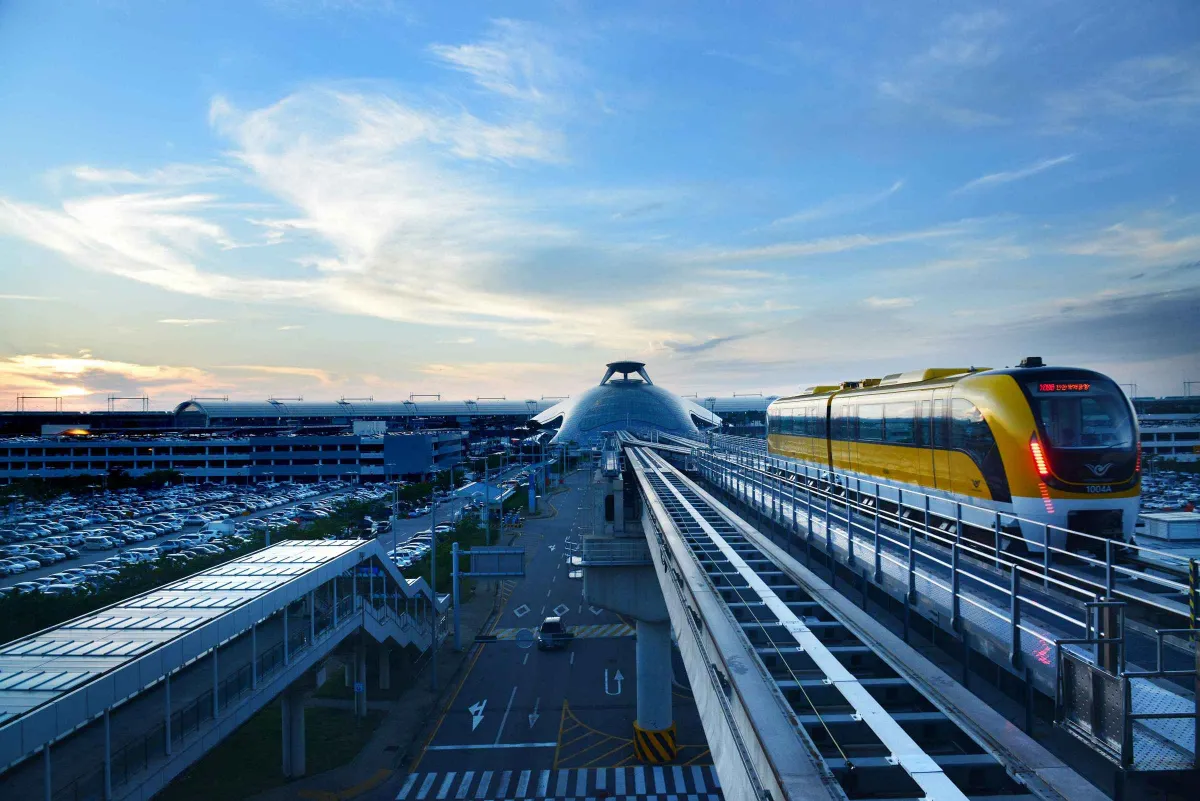
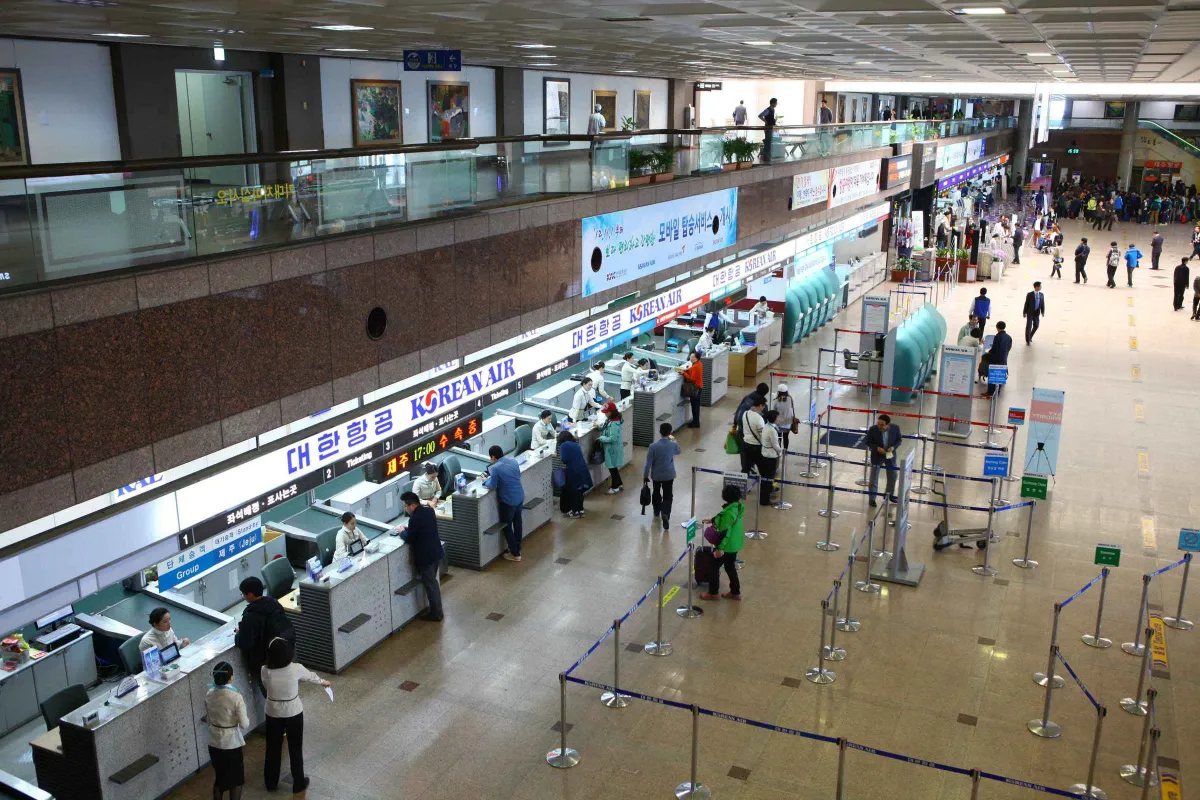
As Incheon is one of the busiest airports in the world and the main hub for Korean Air and Asiana Airlines, everything necessary and even more has been provided for passengers here. Want to get closer to local culture? Welcome to the 'Korean Culture Museum' and 'Traditional Performance Hall'. Love watching planes take off and land? Head up to the fourth floor, to the Airstar Terrace observation deck. Didn't have time to buy Korean cosmetics for yourself and friends as gifts? Shops of the most popular brands, including Lotte Duty Free, present in all airports, are open here all day.
Gimpo International Airport is the oldest airport in Korea and the closest to Seoul. Before Incheon opened, it was the country's main air terminal. Now they are connected by the AREX express line. It will also help you get to Seoul: just 20 minutes, and you're in the capital! Gimpo also has two terminals – for international and domestic flights. Planes from Shanghai, Beijing, Tokyo, Taipei land here, and from here you can fly to Busan, Jeju, Yeosu, Sacheon. A free shuttle bus runs between the terminals for transfers from one flight to another.
You can explore and discover Seoul endlessly, from different angles and with different approaches. We talked about the most notable places in this guide.
Busan
A modern metropolis, the country's largest port, and a favorite beach holiday destination for Koreans. The city is connected to the capital by railway, but why take a train to Busan if there's a plane? And Gimhae International Airport with everything you need – cafes, restaurants, shops, car rental points. Flights from all over Asia arrive here – from Manila, Denpasar, Sapporo, Da Nang. If you decide to add Busan to your itinerary, tickets for the Seoul – Busan route will definitely come in handy.
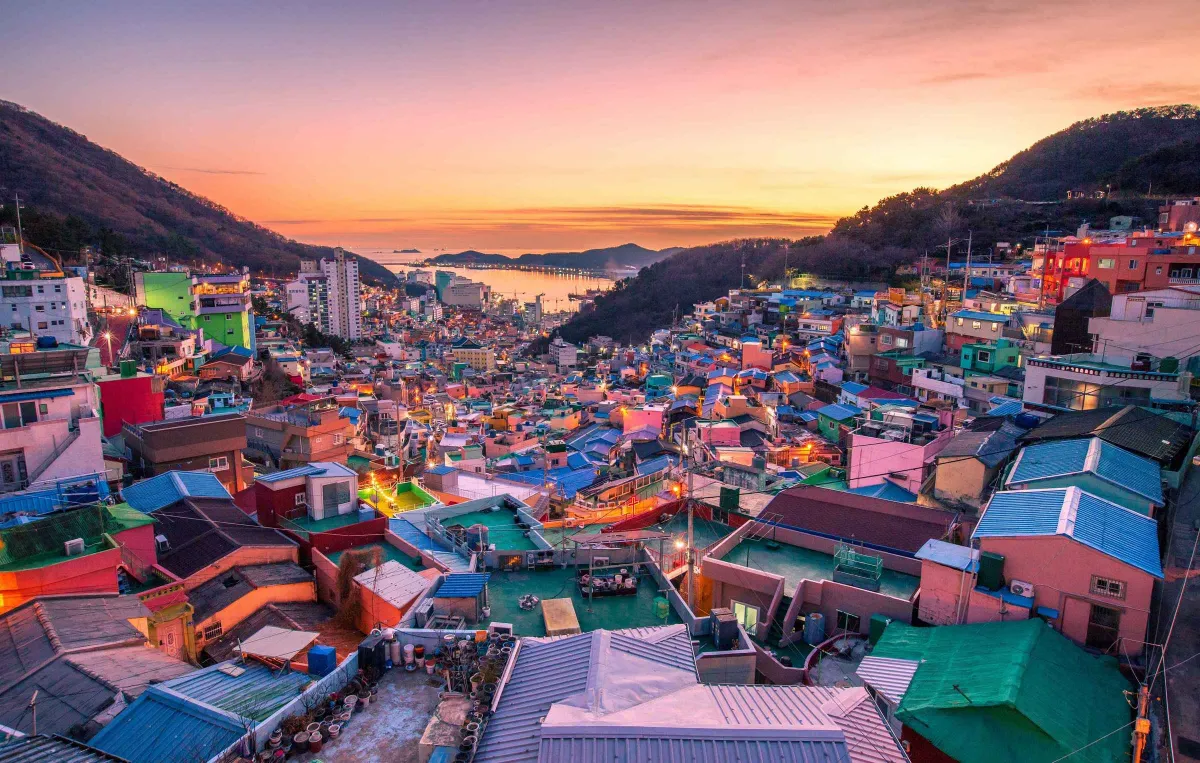
What to see in Busan
Haeundae Blue Linepark. A reconstructed old Donghaenambu-seon railway line running along the seashore. An excursion retro-train from which you can admire sunsets over the sea.
Gamcheon Culture Village. A scattering of colorful houses perched on a hillside. Almost each one is marked with some unusual decoration – a small art installation or sculptural composition.
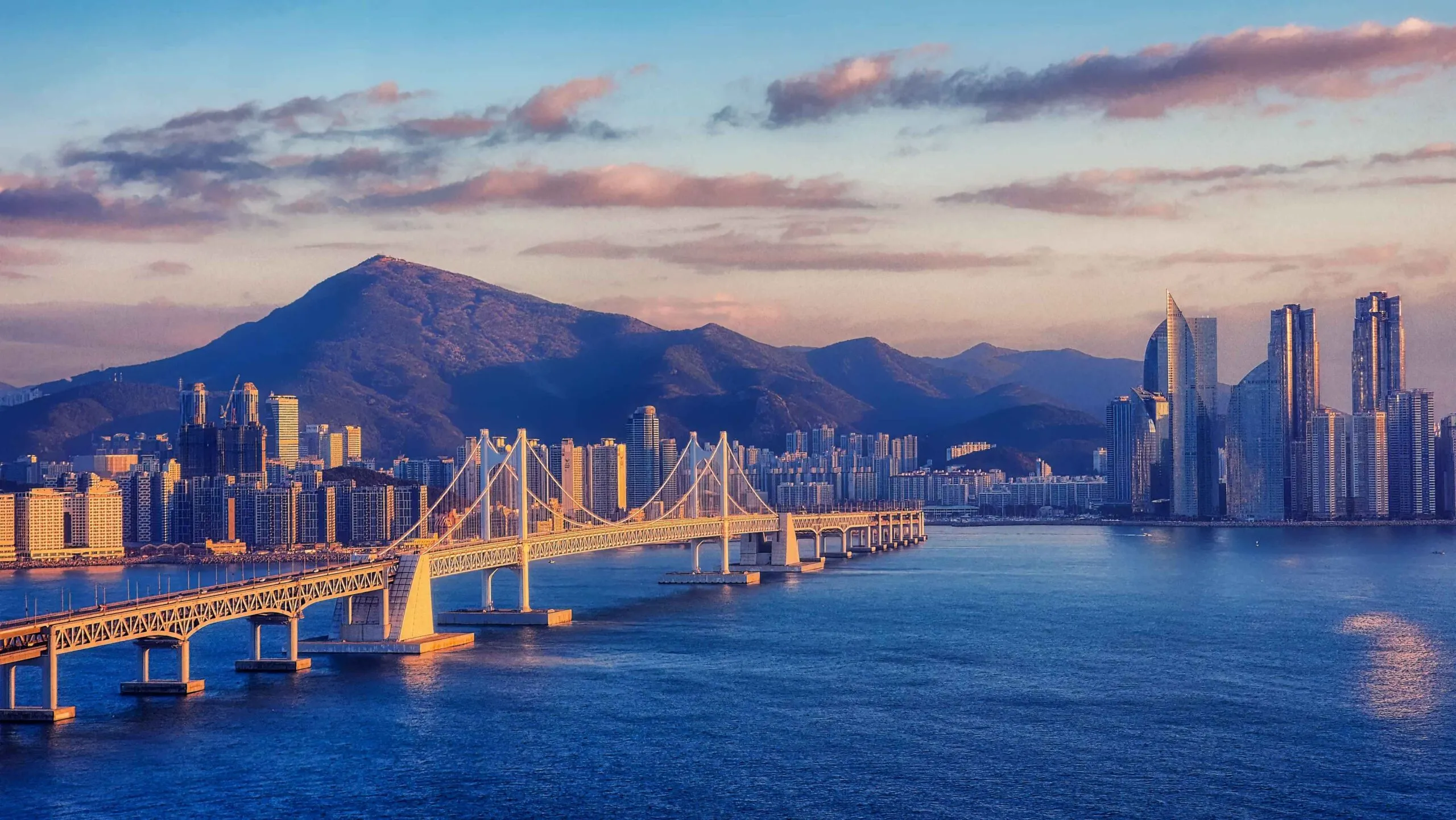
Gwangandaegyo Bridge. During the day it shines white, and in the evening it is painted in different colors. It's a must to drive across it to take in the panorama of local islands and beaches against the backdrop of mountains.
Haeundae Beach. You can't come to a resort and not visit its main beach. One and a half kilometers long, up to 50 meters wide, neat rows of umbrellas, and beautiful yellow sand.
Lotte Premium Outlet. For shopaholics – a premium outlet with 550 brands. For others – architecture in the style of Greek Santorini and an observation deck.
Jeju
Jeju-do province may be the smallest in Korea, but the island is the largest and the airport is very important. It is mainly focused on domestic flights – from Seoul to Jeju, from Busan to Jeju. And that's because Koreans fly here for holidays. Jeju International Airport is very conveniently located – just 15 minutes from the city center (if you take a city bus). But since the most interesting places are evenly scattered throughout the island, it makes sense to rent a car.
Important: rented cars cannot be parked in the Jeju airport parking lot. All rental companies provide a free shuttle, for which a special stop is designated near the building.
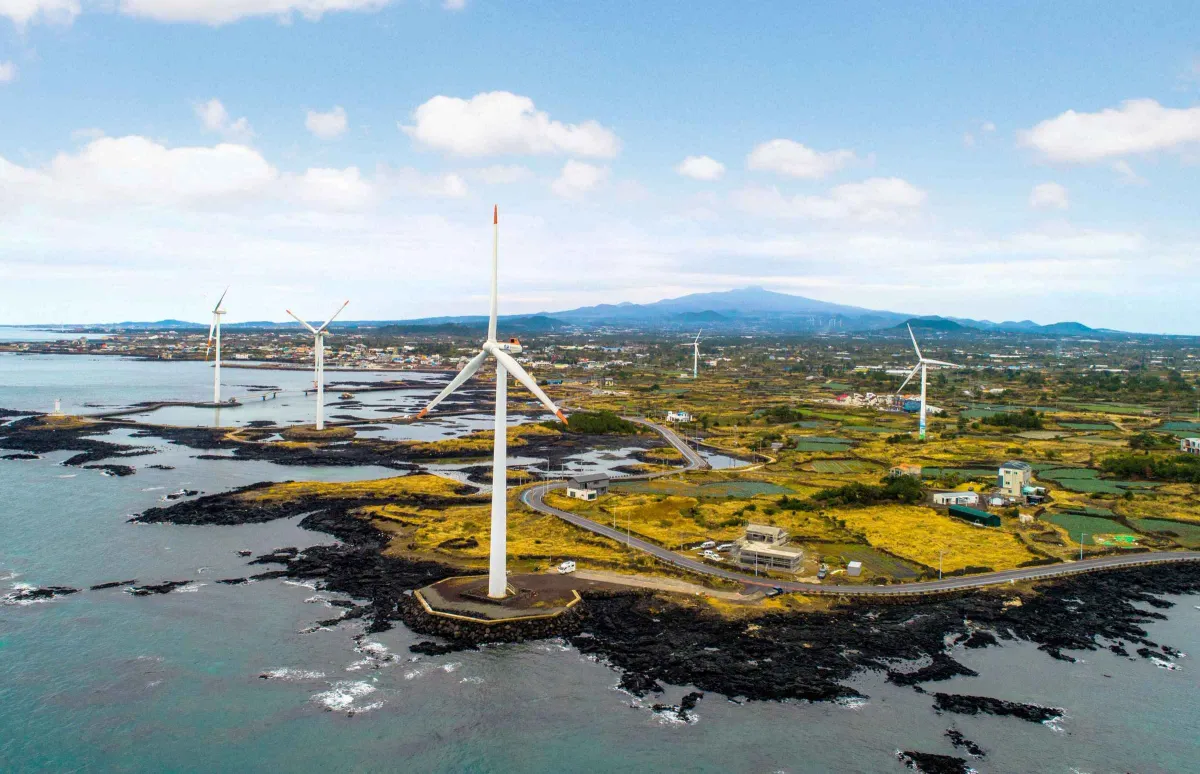
What to see on Jeju Island
Sinchang Windmill Coastal Road. A winding coastline, emerald water, and white pillars of huge windmills, vertically dotting the horizon. A surprising and mesmerizing sight.
Hallasan (Jeju Island National Geopark). An extinct volcano with Lake Baengnokdam in its crater. A UNESCO biosphere reserve. Although the trails are equipped with stairs and handrails, you need to adequately assess your strength and prepare for changes in altitude, temperature, and slippery stones along the way.
Yongduam Rock. Waves and wind sculpted it to resemble a dragon's head, giving rise to a legend that it tried to fly but couldn't and remained on the shore forever.
Cheonjeyeon Waterfall. Do not confuse with Cheonjiyeon Waterfall. The first is located in the Jungmun resort area, the second in Seogwipo. You can see both.
Gwaneumsa Temple. 650 meters above sea level, mists, and the opportunity to stay in the temple, live, meditate. Or just look at the amphitheater of a hundred statuettes surrounding a seven-meter Buddha statue in the center.
Suwolbong Peak. Couldn't conquer Hallasan? Suwolbong will be much easier. Cool feature: at the top, there's a hexagonal pavilion offering an excellent sea view.
Daegu
Daegu is the fourth most populous city in the Republic of Korea. So the airport here works tirelessly, receiving flights from all over the peninsula and neighboring Asian countries, particularly from Japan and China. Among domestic flights, the Daegu – Jeju route leads. But everything is clear here – tourism, parks, mountains. However, there are plenty of attractions in the vicinity of Daegu itself. Getting to the city is easy thanks to its developed subway system.
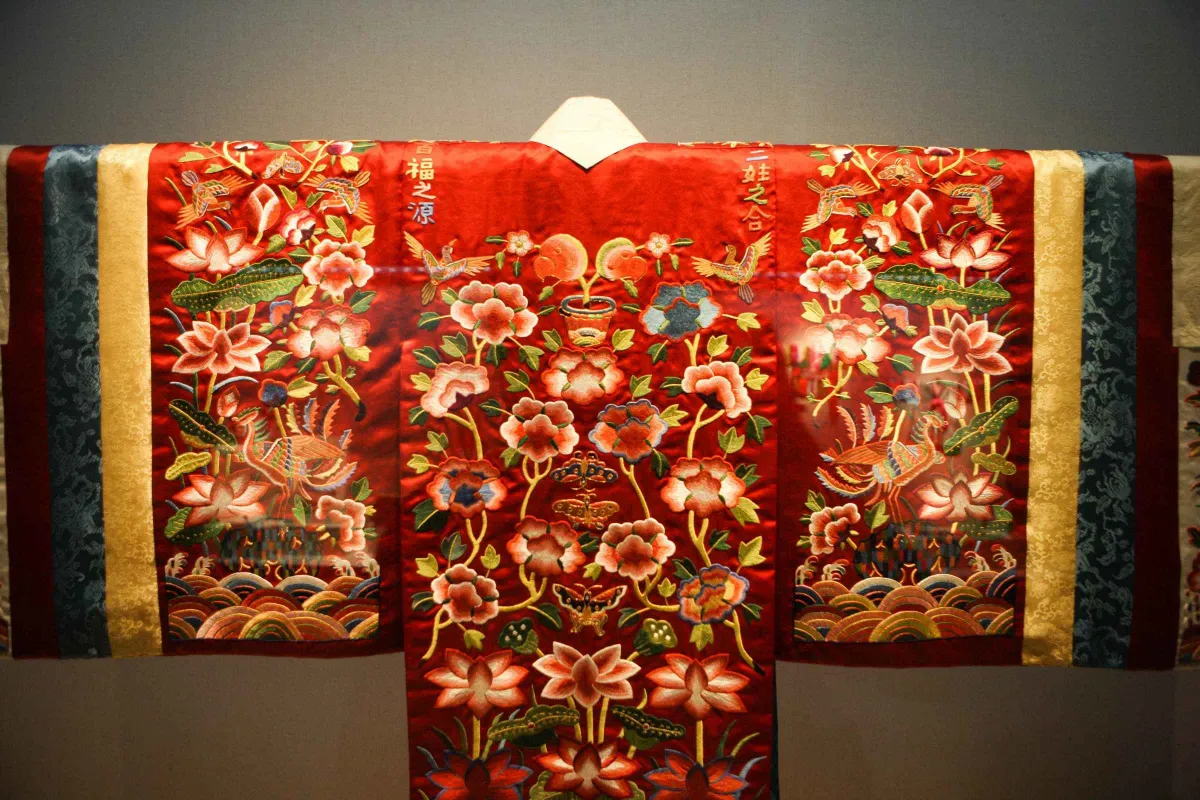
What to see in Daegu
Daegu National Museum. An art hall with Buddhist engravings and ceramics from various periods, a folklore hall with everyday objects of South Korean residents, and various temporary exhibitions.
Donghwasa Temple. 'A temple where even in winter, the paulownia blooms.' A traditional-style complex with picturesque staircases, statues, and towers 22 km from Daegu.
Biseulsan Recreational Forest. Pine forest, clean air, views of valleys from above. In spring, azaleas bloom beautifully here, and in winter, you can see ice caves and towers.
Apsan Coffee Street. South Korea is one of the countries with the highest per capita coffee consumption. So a whole street with many coffee shops here is not surprising, but worthy of a separate visit.
E-World Theme Park. And 83 Tower. Rides and play zones – everything we love. It's not all about trekking, right? You can also have lunch in a revolving restaurant.
Cheongju
If you need to go to the central part of Korea, then Cheongju is your destination. It's a major transportation hub where the Gyeongbu Line and Honam Line railways branch off, but more importantly, it has an international airport receiving flights from Jeju, Sapporo, Tokyo, Taipei. You can get to the city by bus or taxi, but the most convenient way is by Mugunghwa train. The journey will only take 20 minutes. And you can immediately proceed to sightseeing.
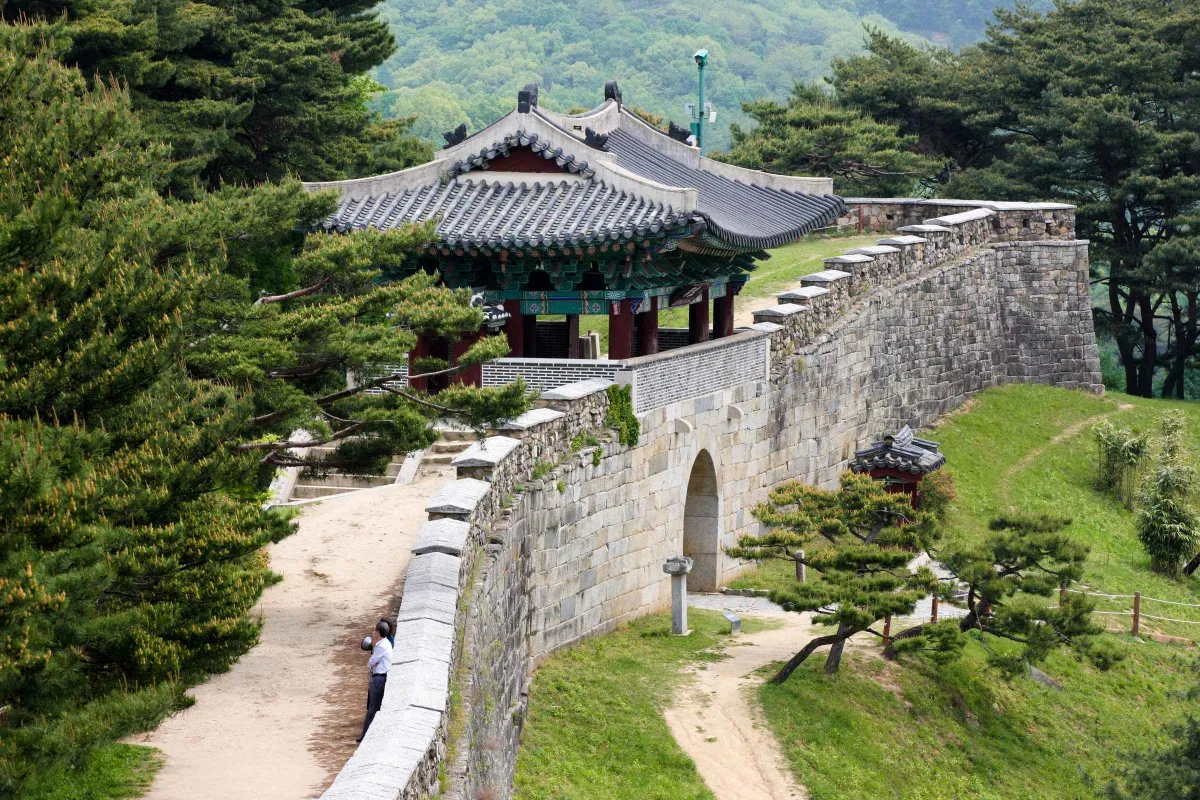
What to see in Cheongju
Sangdangsanseong Fortress. A symbol of Cheongju city. The fortress wall encircles the mountain, reliably concealing various structures inside, such as Dongjeongdae Pavilion, where the Joseon Dynasty army trained in the past.
Cheongnamdae. 'Presidential residence in the warm south.' The main point of interest in the city. Open to visitors since 2003 and allows you to feel like a head of state for a short while. And on vacation too!
Daecheongho Lake. An artificial reservoir surrounded by mountain ranges. It is especially mysterious and romantic here in the mornings when thick fog spreads over the water.
Yangyang
The only international airport in the Yeongdong region has an important advantage: there are no mountains around it. But there is a sea nearby. So there are almost never fogs here, and consequently, no flight cancellations due to poor visibility. Also, one of the country's best surfing beaches is located here, so come here for the waves. A free shuttle bus runs from Yangyang Airport to the bus terminal of the same name.
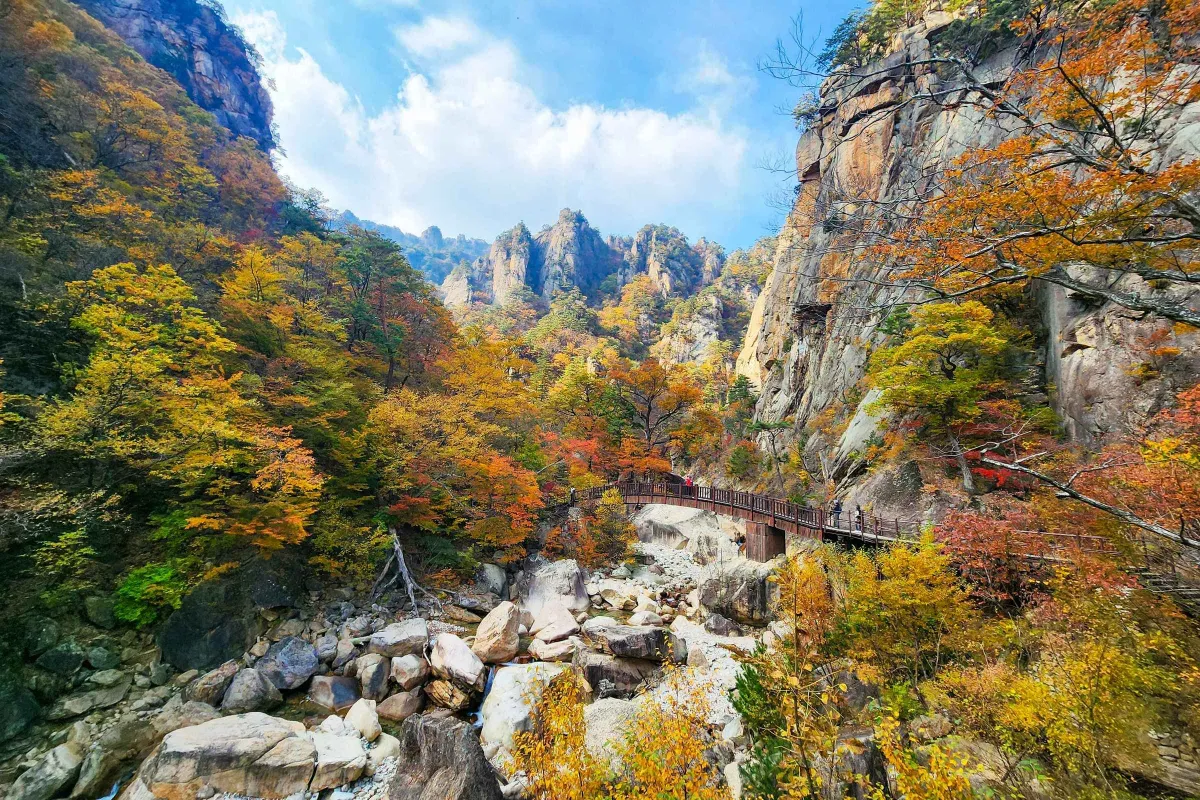
What to see in Yangyang
Seoraksan National Park. Daecheongbong Peak at 1708 m, picturesque slopes, mineral and hot springs, and waterfalls, waterfalls, waterfalls.
Baekdamsa Temple. Located right at the foot of the Seoraksan mountains, so don't miss it. Interesting features include a wooden seated Buddha statue, Susimgyo stone bridge, and a templestay program with meditations in the forest.
Surfyy Beach. The first Korean beach whose sole purpose is surfing. There's a school that teaches beginners and advises experienced surfers. Surfing yoga, longboarding, and snorkeling are also part of the entertainment program.
Muan
Muan is the capital of Jeollanam-do province, located in the southwest of Korea. The city stands on the shore of the Yellow Sea, and recently, so-called medical tourism has been actively developing here. Diagnostic centers and multidisciplinary clinics strive to improve the health of local residents and visitors. One reason is the convenient transfer from Muan International Airport, which receives domestic flights from Seoul, Jeju, and Busan. The airport is located just 8 km from the city, so you can get there quickly and without problems.
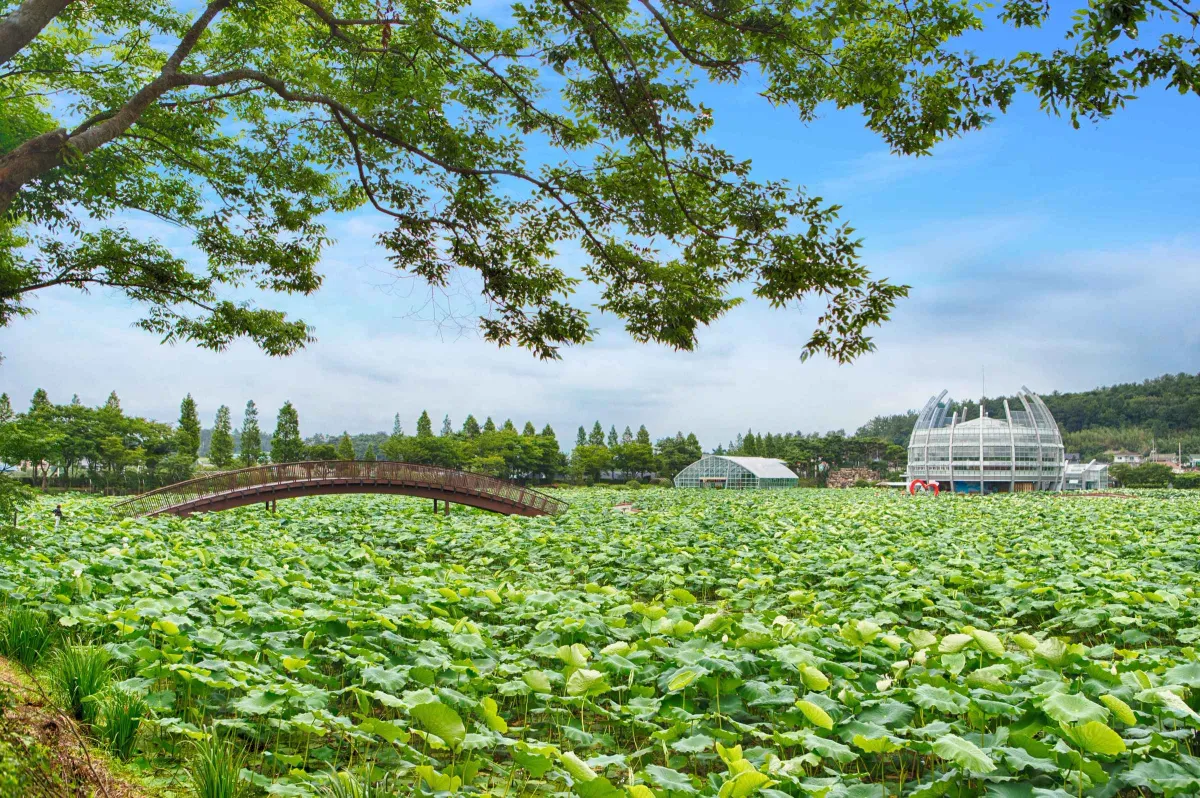
What to see in Muan
Tommorri Beach. On one side – a wide strip of sand, on the other – a pine forest. The seawater here is clean, and the shore is gentle. It's especially interesting to walk along it during low tide.
Hoesan Baengnyeonji Lotus Pond. 16% of all lotuses in the Republic of Korea are grown in Muan. It's no surprise that an annual festival in their honor is held here. It's best to visit Muan from July to September to catch the blooming period of white and pink lotuses, water lilies, and other aquatic plants.
This is how beautiful it is in Korea. How you like that?