QR code: in which countries can you pay this way
 Polina
Just a few years ago, preparing for an overseas trip meant a mandatory visit to a currency exchange and a painful calculation of cash. Today, the world is changing rapidly, and the smartphone is replacing thick wallets. QR code payment technology, which once seemed exotic, has become a powerful trend, changing the rules of the game for travelers.
So, in which countries has the QR code become a real lifesaver, allowing you to pay for everything – from street food to subway tickets? Let's find out where you can safely leave your bank cards in the hotel safe and how to prepare your phone for travel in the digital age.

Asia
It is in Asia that QR code payment has become the main method of settlement, surpassing both cash and cards. For a traveler heading to this region, preparing a smartphone is no less important than booking a hotel.
China
In China, QR code payment is a way of life. Cash is almost never used here, and in many places, they might not even have change. Two giants – Alipay and WeChat Pay – cover up to 99% of all cashless payments in the country. Where can you find a QR code? Absolutely everywhere: in taxis, subways, upscale restaurants, with street noodle vendors, in museums, and even for donations in temples.
What about tourists? Previously, it was almost impossible for a foreigner to integrate into this system. But today, the situation has changed.
- Install Alipay. This is the most tourist-friendly service. Download the international version of the app while still at home.
- Complete verification. Register with your phone number and verify your identity by uploading a photo of your international passport.
- Link a card. The service allows you to link international bank cards (Visa, Mastercard). Although cards from Russian banks may not work, cards from banks in Central Asia or other countries usually do. UnionPay cards from Russian banks not under sanctions can also be tried, but success is not guaranteed.
- Top up your balance. If the card cannot be linked, you can use special intermediary services to top up your Alipay wallet with rubles.
When going to the Celestial Empire, it's worth buying tickets from Moscow to Beijing and installing and setting up Alipay in advance. This will save you a lot of time and nerves.
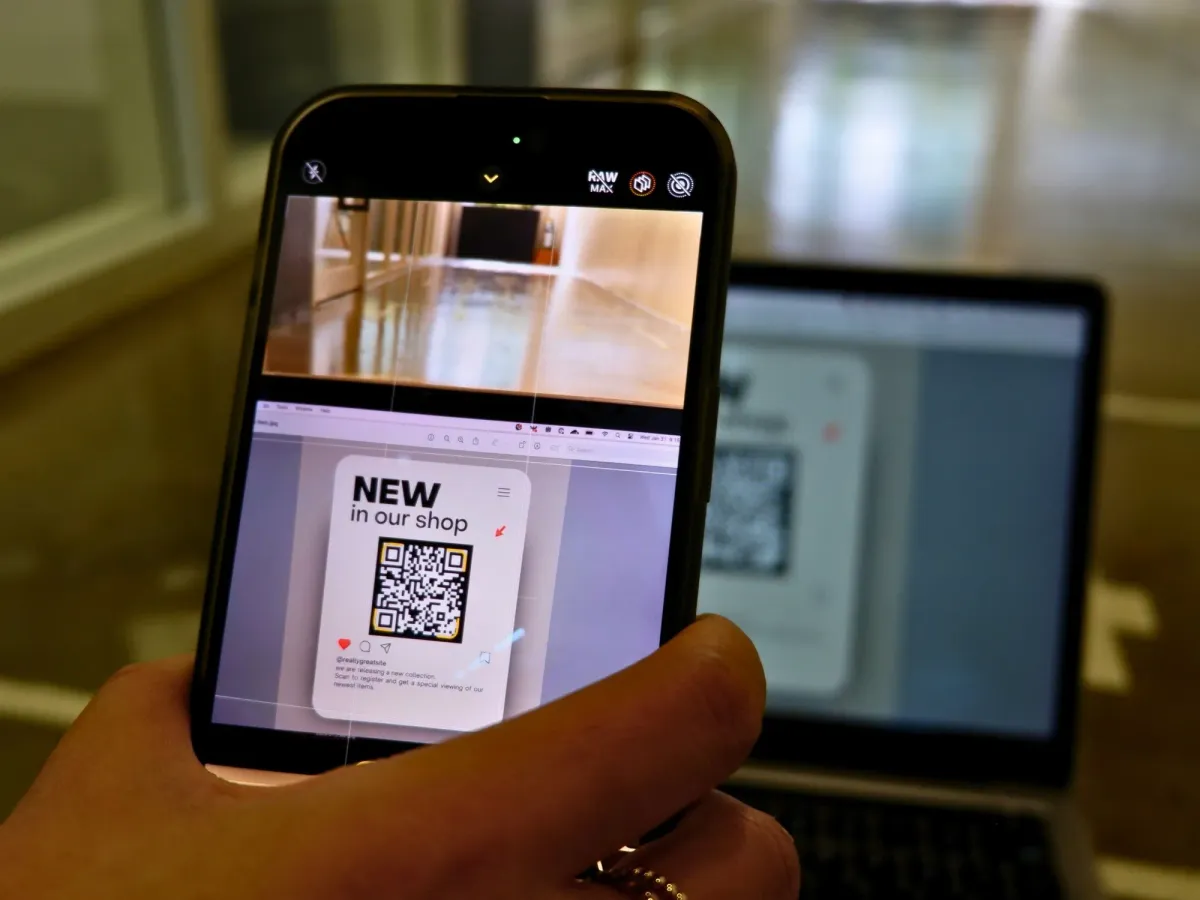
Thailand and Vietnam
In popular Southeast Asian countries, QR payments have also become the norm for both locals and tourists.
- In Thailand, the national system Thai QR Payment (PromptPay) is in operation. Black and white codes can be seen everywhere – from 7-Eleven chain supermarkets to street food stalls and massage parlors. The good news for tourists is that many local banks and payment systems are integrating with international ones, and more and more apps allow paying with these QR codes.
- In Vietnam, the situation is similar. Local payment systems are actively developing here, and QR codes have become an integral part of trade. Moreover, solutions specifically aimed at Russian tourists are emerging. For example, by the end of 2025, a service is expected to launch that will allow clients of some Russian banks to pay for purchases via QR code through their mobile app. When planning a vacation, it's worth not only finding affordable tickets from St. Petersburg to Hanoi, but also checking with your bank to see if they have partner programs in Vietnam.
South Korea and Japan
QR codes are also popular in these technologically advanced countries, though not as ubiquitous as in China. In South Korea, the Kakao Pay app dominates, integrated into the country's most popular messenger – KakaoTalk. In Japan, the birthplace of the QR code, this payment method is widely used in convenience stores (konbini), supermarkets, and cafes.
Middle East
The United Arab Emirates, and in particular Dubai, are actively striving to become a global financial hub. Here, QR codes are used to pay for purchases, taxis, and utility services. However, for tourists, this system is currently less accessible than in Asia. Familiar Russian QR payment systems do not work here, and using local applications often requires a local phone number and bank account. Therefore, when traveling to the UAE, consider the QR code as a possible supplement, but not the primary means of payment.
Europe and USA
Unlike Asia, QR codes have not gained such widespread adoption in Europe and the USA. Contactless card payments (NFC) still dominate here. Nevertheless, where can QR codes be found even here?
- Payment services: PayPal actively promotes its QR code payment system in the USA.
- Local applications: in some European countries, for example, Switzerland, national payment applications (TWINT) that actively use QR are popular.
- Restaurants and services: QR codes are increasingly used to view menus, leave tips, or quickly pay bills without waiting for a waiter.
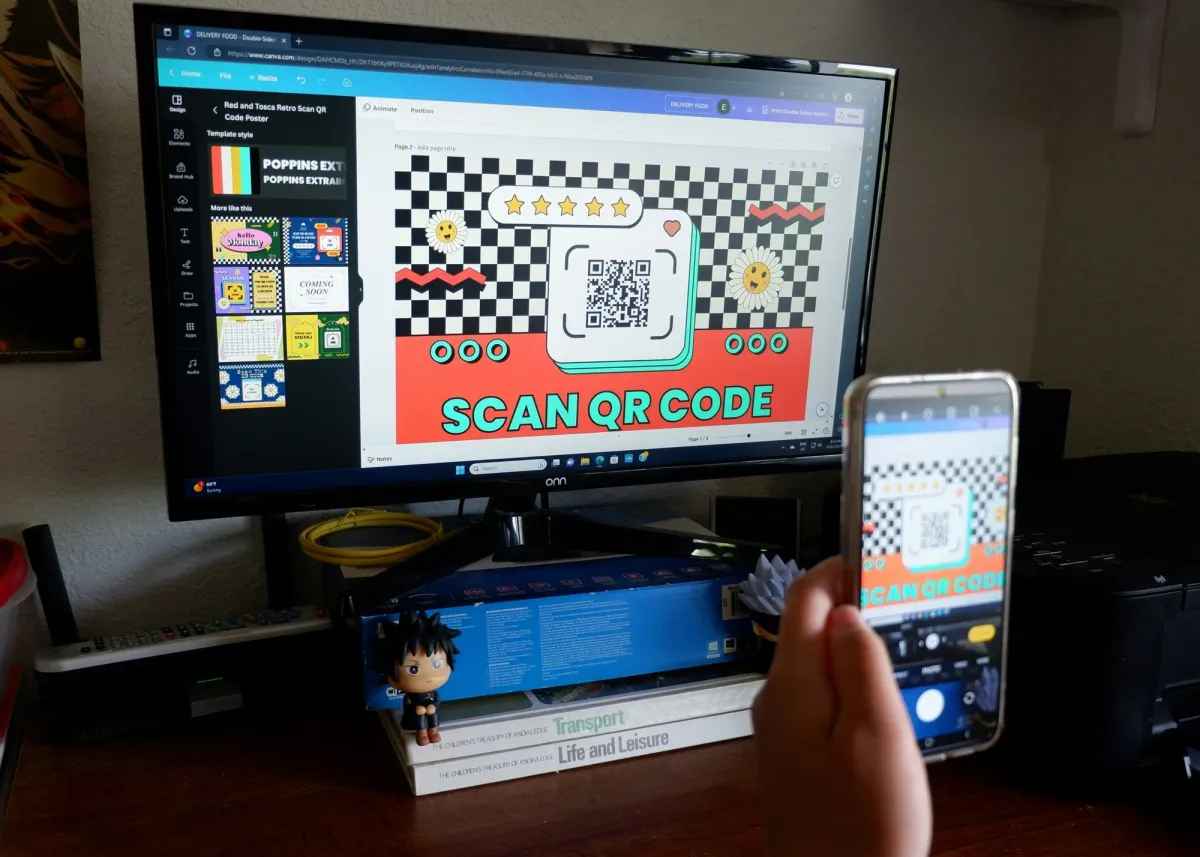
Practical guide: how to pay with your phone via QR code
Having understood in which countries QR codes work, let's move on to practice. How to turn a QR code on your phone into money? The process is extremely simple and usually boils down to two scenarios.
Scenario 1: You scan the seller's QR code (most common)
- Open the app. Launch your payment app (Alipay, WeChat Pay, or your bank's app).
- Find the scanner. In the app, tap the “Scan”, “Pay by QR” button, or an icon resembling a square frame.
- Point the camera. Point your phone's camera at the QR code that the seller shows you on their smartphone, cash register, or simply on a printed sign.
- Confirm payment. Information about the seller and the purchase amount will appear on your phone screen (sometimes the amount needs to be entered manually). Check the details and confirm the operation with a password, fingerprint, or Face ID.
- Done! The seller will instantly receive a notification of successful payment.
Scenario 2: The seller scans your QR code
This method is often used in large supermarkets or chains.
- Open your payment app.
- Find your payment code. In the app, select the “Show QR code” or “My code” option. Your unique QR code for payment will appear on the screen.
- Show it to the cashier. Hand your phone to the cashier, and they will scan the code from your screen with a special scanner.
- The amount will be debited automatically. The purchase amount will be debited from your account.
Preparing for a trip now includes not only packing your suitcase but also “upgrading” your smartphone. By installing the necessary applications in advance, you can significantly simplify your life, make trips safer, and immerse yourself in the local culture, paying for a cup of coffee just like millions of locals do.