Packing List for a Trip
Finding yourself in an unfamiliar country and realizing you forgot to bring pain relievers or a charging adapter is a common situation. In this article, we've listed all the most important things you'll need on your trip and told you which medications are best to pack in your travel first-aid kit in advance.
Documents and Money
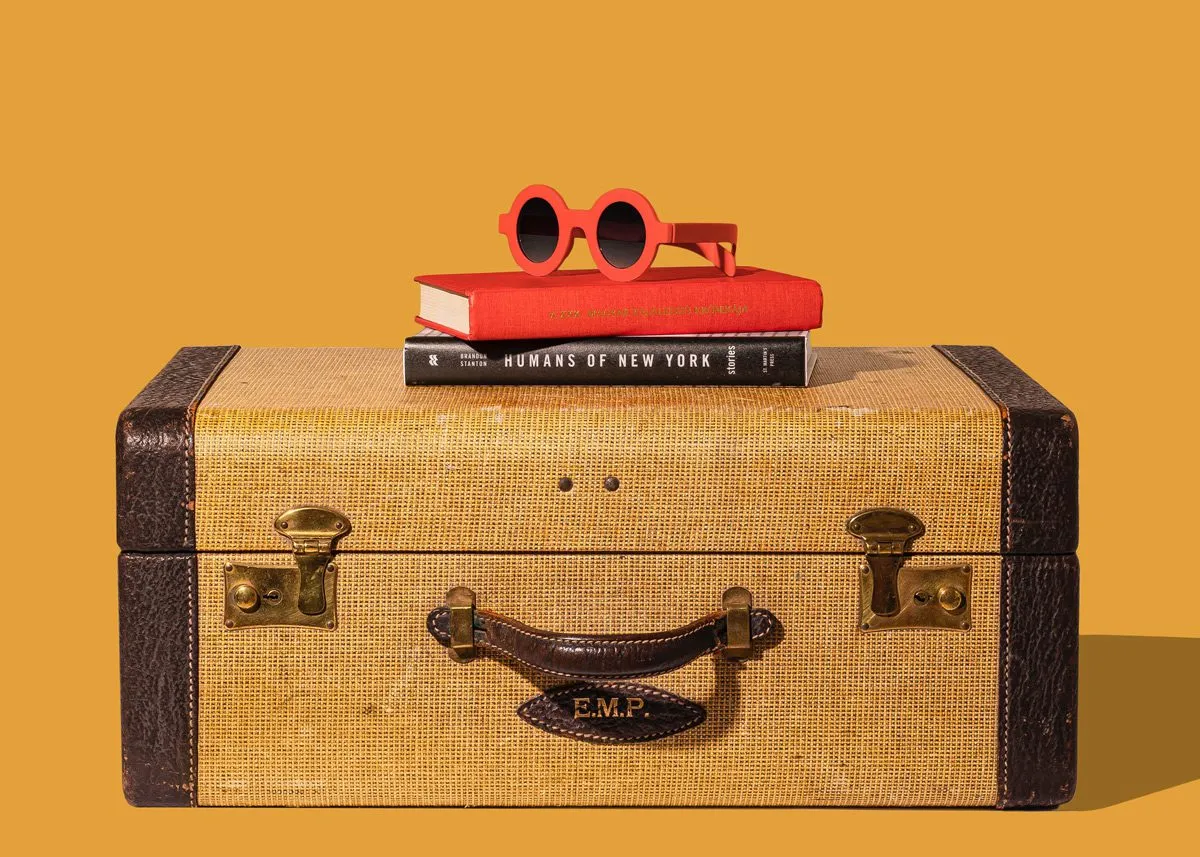
• Passport (internal or international). It sounds trivial, but you won't get far without it. With an internal passport, you can freely travel to a number of foreign countries – so if you don't have an international passport yet, you can travel outside of Russia: for example, to Armenia or Kazakhstan. Now about international passports: before planning your trip, make sure that your international passport's validity period is in order, especially if you are leaving for a long time. Some countries prefer not to admit tourists whose international passports are about to expire. In some places, the critical deadline before expiration is six months, and in others, it's three.
• Local currency. It's better to exchange money in the destination country: the exchange rate will be most optimal there. The main thing is to find out in advance which exchange offices are reliable to avoid falling victim to fraud. Don't use trial and error and don't be lazy to Google in advance: we're sure that ivan1974 has long since told travelers on a forum where to buy baht cheaply in Pattaya.
• Bank card. The "Mir" payment system is accepted only in some countries: it's best to clarify this point before your trip. To use cashless payments abroad, you need to order a UnionPay card or apply for a Visa or Mastercard abroad.
• Driver's license. You'll need it if you plan to rent a car abroad. If the country is a signatory to the Geneva Convention, you will need to bring both your Russian license and an international one. It's best to arrange for the international license in advance, but it's not complicated: everything can be done through the Gosuslugi website and one visit to the MFC.
Tech and Gadgets for the Road
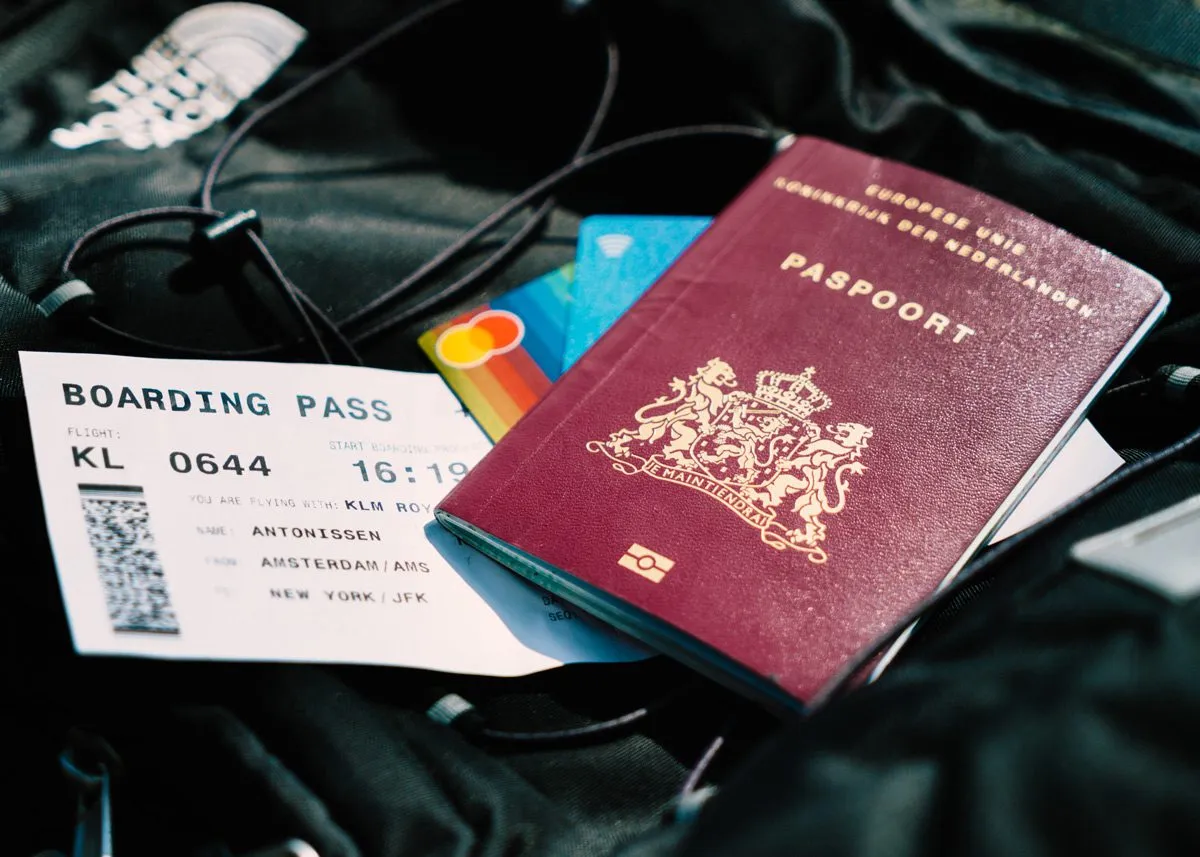
• Power bank. When traveling, you'll definitely use your phone more often than at home: showing boarding passes, planning routes on Google Maps, and taking a million photos. To avoid suddenly losing connection in the middle of an unfamiliar city and not having to search for outlets in cafes and shopping centers, it's worth taking an additional power bank with a capacity of 4000 mAh or more.
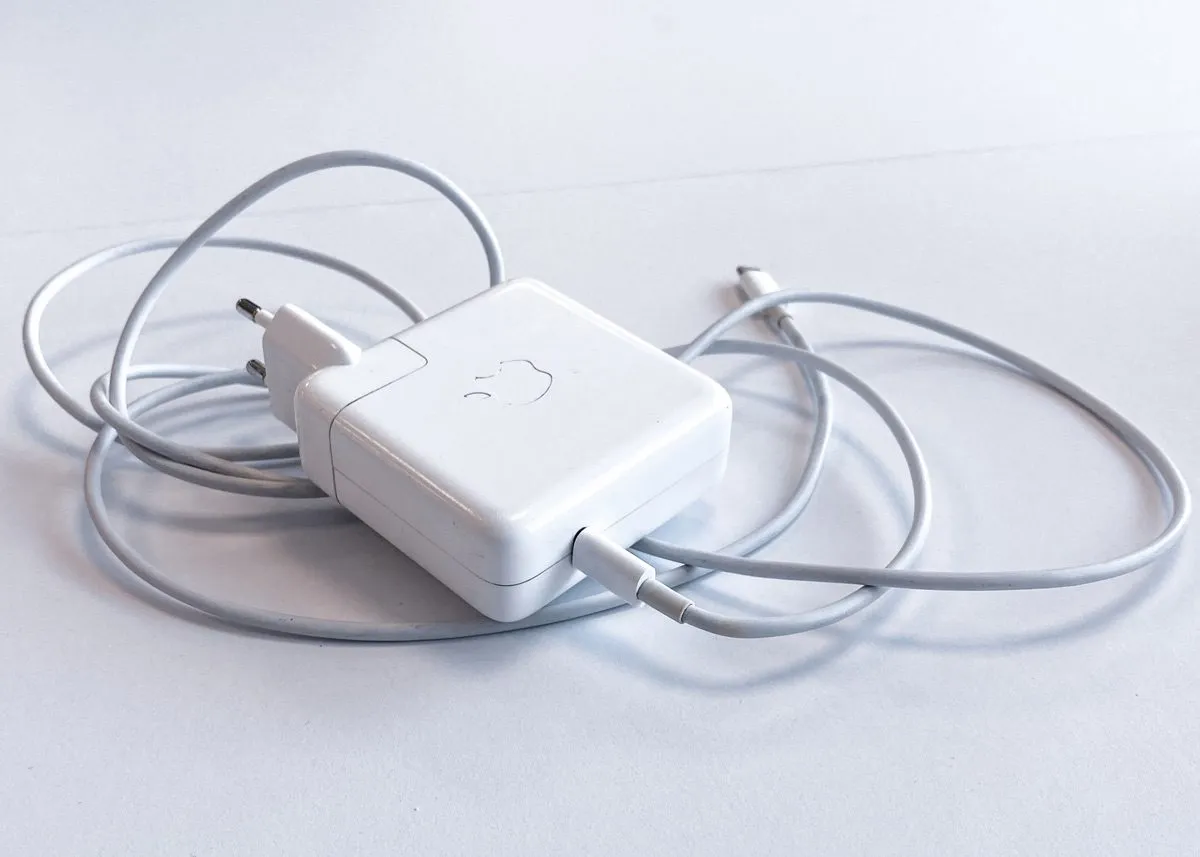
• Power plug adapter (travel adapter). A typical situation: you check into a hotel, pull out your smartphone to charge its 1%, try to plug the device into the outlet, and realize it's not working. In Russia, Europe, CIS countries, Egypt, China, Turkey, Thailand, and Tunisia, the outlets are the same. But if you're flying to the USA, Canada, Mexico, Japan, or South America, you'll need an adapter. They are sold locally, but finding and buying them will be more difficult than at home.
• Tablet. Laptops are heavy, and your suitcase is already heavy enough. But watching a movie or your favorite YouTube show while traveling is sacred, so take an iPad instead of a laptop.
• Offline map. Not exactly a gadget, but you should have a city map on your smartphone that opens without internet, in case of LTE or Wi-Fi interruptions. Download it in advance, and it will save your nerves.
First-aid kit
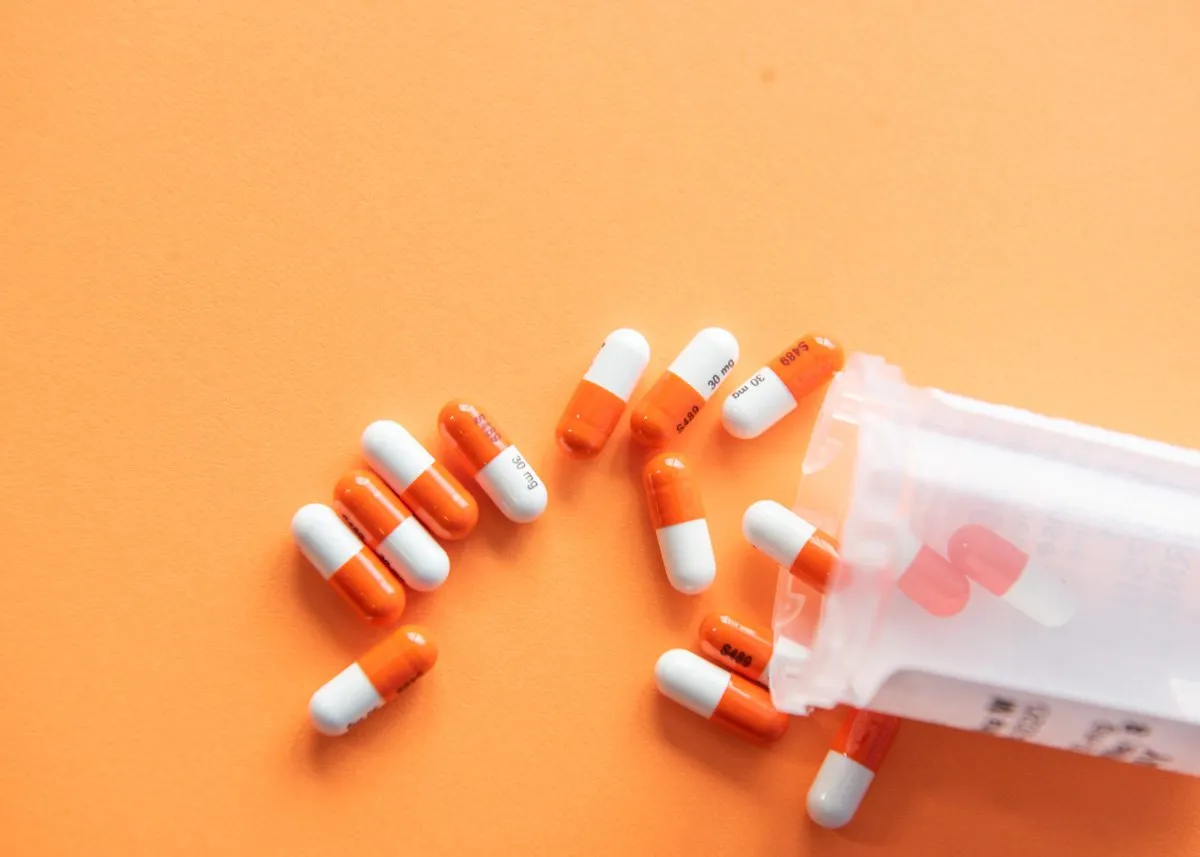
Buying medications abroad is a difficult quest. Firstly, in another country, they are likely called differently; secondly, you'll face a language barrier; and thirdly, many medications are sold only with a doctor's prescription. It's better to leave behind an extra pair of jeans or a dress, but include more pills in your travel packing list that will save you in an emergency.
Here's a checklist of medications that will definitely come in handy:
• Medications for upset stomach
An absolute must-have. Travel will inevitably involve gastronomic discoveries, but not all of them may be pleasant, so take loperamide or simple Smecta with you. Don't take activated charcoal (it's no longer fashionable) — Enterosgel is suitable as an enterosorbent. If you suffer from heartburn after khinkali or tom yum, antacids will be useful: for example, micro-sachets of Phosphalugel.
• Pain relievers
Headaches from jet lag, a back aching from carrying a suitcase, throbbing feet after a long walk exploring sights — these are typical vacation problems. Nurofen, Nalgesin, or Pentalgin can handle them. They also effectively combat fever.
• Motion sickness and nausea remedies
You might sometimes get motion sickness on a bus or in a car, even if you haven't noticed such a problem before. This can happen due to an unfamiliar road: for example, a mountain serpentine. The most popular motion sickness medications are based on dimenhydrinate.
• Antihistamines
Allergies during travel can be triggered by anything — from new food to local flora. Or fauna: mosquitoes might be more venomous than those at home. Unfortunately, no one is immune to bed bugs in hotel beds either. If you don't want to suddenly break out in a rash or get allergic rhinitis, take Claritin or Benadryl with you.
Warning: if you are driving, make sure the antihistamine does not cause drowsiness.
• Cold remedies
A mild cold usually passes on its own, but the symptoms can affect your travel experience. Lying on the beach with a sore throat or runny nose is a nightmare. Especially after Covid-19: everyone will look at you and run away as if you have the plague. For your throat, take Strepsils or Doritricin; for a runny nose, Otrivin.
• Sleeping pills
Due to flights, you can accidentally disrupt your routine, and getting enough sleep on vacation is your main task, so melatonin should definitely be in your first-aid kit. It can be taken for several days in a row to regulate your sleep cycle. Additionally, it helps you fall asleep on the plane.
• Ointments for cuts and burns
Unfortunately, minor injuries are not uncommon during trips: scraped knees, chafed feet, sunburns — all of this is quite unpleasant. Hydrocortisone cream helps with insect bites, Levomekol for cuts and scratches, and Panthenol for burns.
• Thermometer
Most likely, you'll feel if your temperature is rising, but there's a big difference between 37.2 and 39.5, and it's best not to miss this moment so you have grounds to call a doctor if you feel very unwell.
• Medications you regularly take at home
If you have chronic illnesses, pack enough pills in your first-aid kit for your planned trip, plus extra — in case your return home is delayed.
What cosmetics and hygiene products to take on a trip
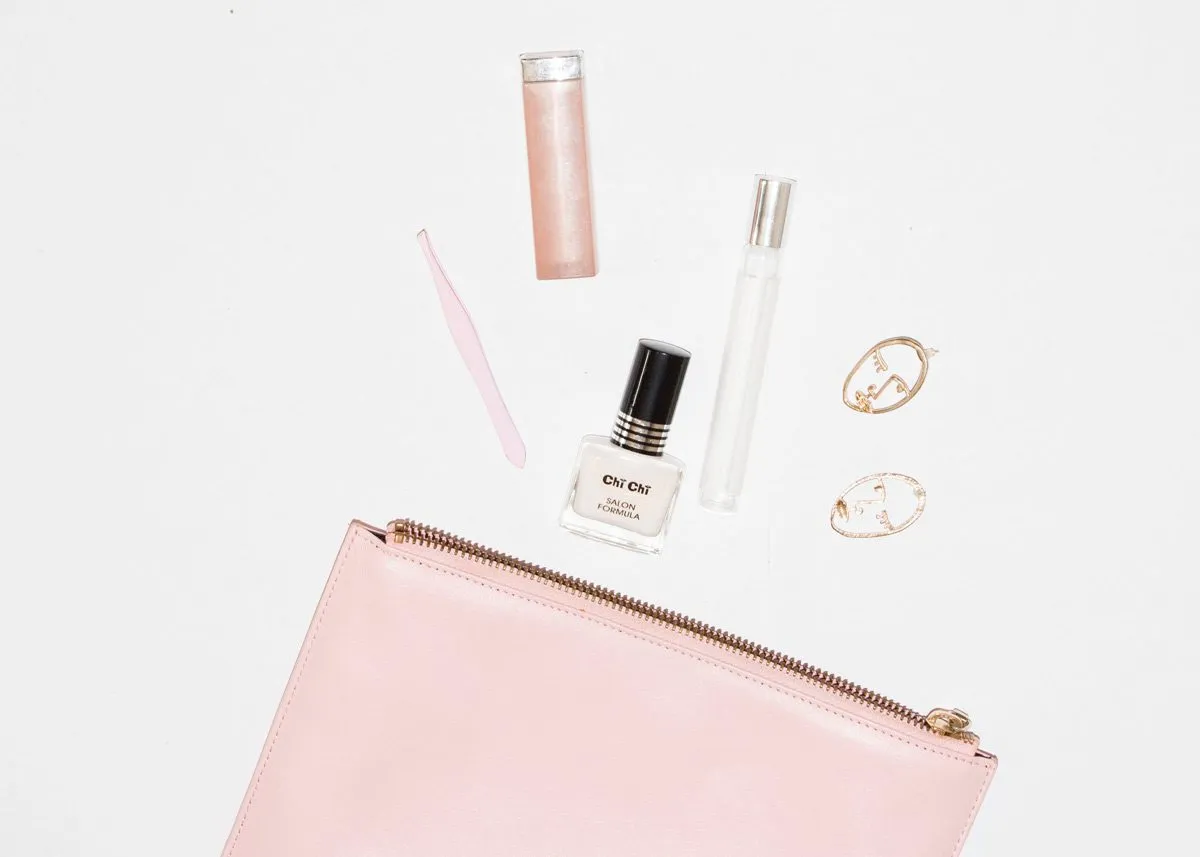
• Dry shampoo. Sometimes it's too lazy to wash your hair while traveling. Especially if you have to get up at seven in the morning and go on an excursion to the far end of the city. Dry shampoo will save your hair and give you an extra half hour of sleep.
• Hair gel. It will help with a nice hairstyle if you're going to a restaurant or if you're not yet used to the local water, which turns your hair into a fluffy nest.
• Deodorant. It will save you after a grueling climb up a spiral staircase or a hot safari. If you want to take deodorant in your hand luggage, opt for a solid or roll-on version: airlines have restrictions on carrying liquids in the aircraft cabin. Additionally, liquid products can spill in your suitcase.
• Face toner. You'll need it to refresh yourself after a long walk exploring sights. Life hack: pour some toner into a spray bottle to moisturize your face in dry air. Leave the other part at the hotel for beauty treatments.
• Wet wipes and hand sanitizer. During walks, you'll definitely have to touch door handles in museums and plumbing in public restrooms. To keep your hands clean, always keep a pack of wet wipes or antiseptic handy. If you drop a piece of pizza or ice cream on your new pants, wipes will also come in handy.
• Liquid shampoo. The dry version doesn't completely replace the classic: liquid shampoo will also be needed to wash your hair thoroughly. And you can certainly use shampoo as a shower gel if you're going on a 3-4 day trip.
• SPF cream. A must-have for trips to sunny countries (and generally a must-have during daylight hours). The more sun, the higher the SPF content in your moisturizer should be. This will protect your face from the damaging effects of ultraviolet radiation. SPF is also found in foundations, sticks, and gels.
Clothing and Footwear
Here are three main rules when deciding what to take on a seaside trip: check the weather forecast in advance, but not too far (ideally 3-4 days before departure, as forecasters will have finalized their predictions by then), take clothes that can be easily mixed and matched, and don't pack extra items just because they're pretty. Unfortunately, luggage space is limited, so be stricter with your desires and cross off everything you want to take "just in case."
Focus on what you'll actually be doing on your trip. Hiking? You'll need sportswear: hoodies, t-shirts, comfortable pants. Lying on the beach and occasionally popping into cocktail bars? Pack light items: shorts, dresses, shirts.
Don't take a huge collection of underwear for a two-week vacation — it's something that can be easily washed during the trip. And take a small, thin bag to put dirty socks in, so you don't mix them up.
If you plan to walk a lot, wear shoes that are truly comfortable and don't chafe (even if they are those worn-out sneakers that are over five years old).
It's best to wear your bulkiest shoes on the plane to save space in your luggage.
If you're traveling in autumn or winter and your destination is a country with a typical European climate, where it's a gloomy +5 degrees Celsius outside in December, take a raincoat with you: it won't be superfluous, takes up little space, and your clothes won't have to be dried on the hotel radiator.
If you're heading to Europe during the off-season, throw a warm scarf into your suitcase. It will come in handy in the evenings while enjoying cocktails on cool verandas.
We've written a whole article on how to pack a suitcase so everything fits. Go and read it to avoid overweight luggage and breaking anything.
Useful little things for comfort
The main thing when traveling is to feel relaxed and not stress about the sun baking your head or small children running around so loudly they might break through the ceiling. Here are a couple more ideas of what to take with you on your trip.
Sunglasses. The most obvious accessory to take on vacation, but many forget to pack them in their suitcase at the last minute. Dark glasses will not only protect your eyes from the sun but also help you look cool even the day after you've overdone it with sparkling wine*.
Cap. With it, you won't be afraid to sunbathe on the beach without an umbrella or explore the ruins of an ancient city in forty-degree heat. A cap combined with sunglasses — stylish, fashionable, anti-hangover.
Reusable water bottle. If you like to walk a lot and often, you will definitely need water, but firstly, it's often expensive in tourist areas, and secondly, there might not be any shops on certain routes.
Earplugs. The most essential item for your nerves, saving you from crying children on the plane, overly active hotel guests loudly moving furniture, loud music outside your window, and the noise of a garbage truck that starts rumbling at seven in the morning. That is, essentially, from anything that might disturb your light sleep. Earplugs take up little space in hand luggage: take two pairs with you in advance so you don't have to explain yourself to pharmacists with gestures upon arrival.
What to take on a trip with children
Most of the items from the travel packing list we've already mentioned will be useful. Here's what else it might include:
• baby food;
• water;
• chewing gum to relieve ear pain during the flight;
• album and colored pencils;
• coloring books;
• beach toys: inflatable balls, molds, shovels;
• tablet with games;
• diapers;
• pajamas, toothbrushes, and toothpaste;
• headphones;
• sling or carrier;
• child's backpack;
• thermos;
• hair ties and clips;
• snacks for the road;
• long-sleeved pajamas: in case the air conditioning is on in the room and the child gets cold.
Recommendation: it's better not to take light-colored clothes on a trip if you're flying with small children: most likely, a beautiful white T-shirt will quickly get stained with tomato sauce or grass marks from falling.
What not to take with you on a trip
• Camera. Modern smartphones take worse photos than a high-end latest-generation Canon, but if you're not a professional photographer, you won't have time to set up exposure and fiddle with the aperture. So don't drag heavy camera equipment with you: your smartphone's capabilities will definitely be enough to shoot cool stories.
• Hair dryer, curling iron, iron. A hair dryer will definitely be found in hotels and apartments (at least, you can check before check-in), it's easy to live without a curling iron for a few days, and ironing clothes on vacation is just wasting time that could be spent on the beach.
• Electric kettles and multicookers. Apartments usually have household appliances. Some hotels do too. But even if your hotel doesn't have a kettle, the reception will certainly help you brew your favorite Earl Grey.
You can find even more interesting and relevant content in our Telegram!
*excessive alcohol consumption is harmful to your health!