New Year Traditions Around the World
 Yasya
YasyaFor us, New Year is the smell of tangerines, a bowl of Olivier salad, and “The Irony of Fate” on TV. As the chimes strike, you need to quickly write down a wish on a piece of paper, burn it, and drink a glass of sparkling wine with the ashes. But the world is vast, and in every corner of it, people have invented and lived out their own traditions for the changing of the year. Amusing, significant, and sometimes surprising.
Somewhere on this night, people throw furniture out of windows, somewhere they run around the house with suitcases, and somewhere they silently listen to the ringing of bells. We've gathered interesting New Year traditions from all over the world so you can diversify your own celebration.
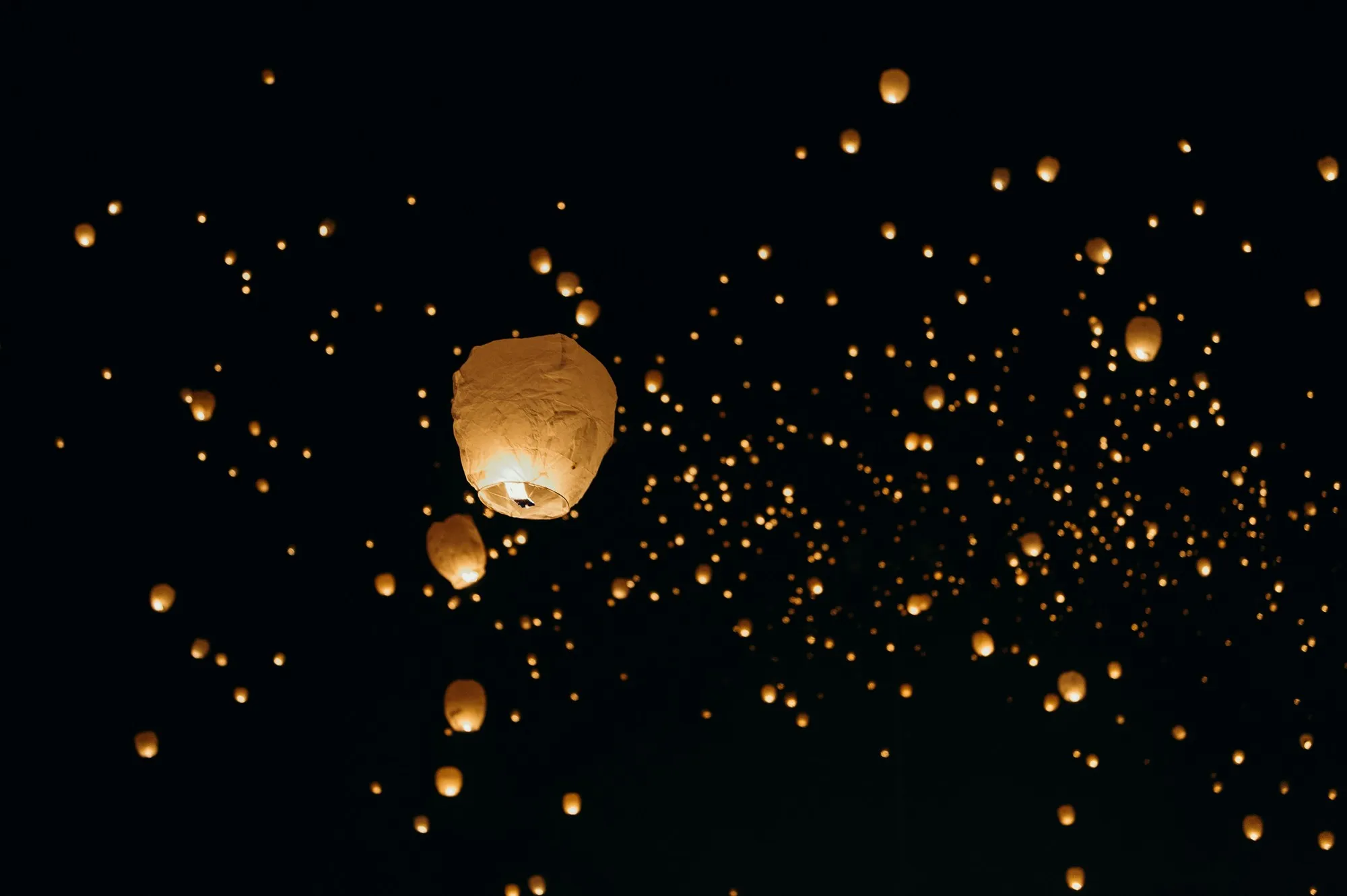
Spain: 12 Grapes Against the Clock
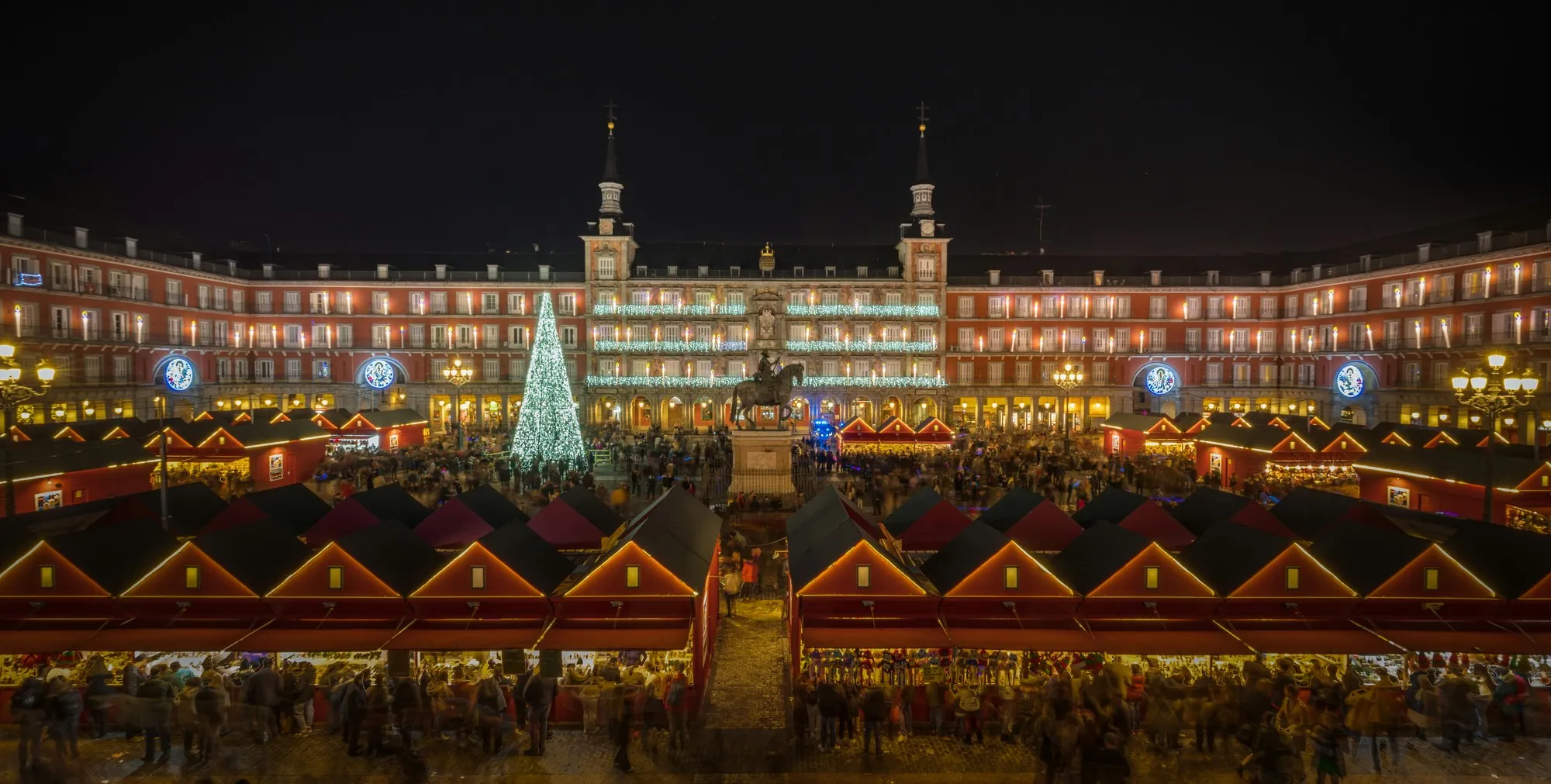
This is perhaps the most famous Spanish tradition, which turns the New Year's Eve celebration into a real sporting event. While the clock in Madrid's main square (Puerta del Sol) strikes 12 times, every Spaniard must manage to eat 12 grapes – one for each strike. If you succeed (and chew them properly), all 12 months of the coming year will be happy. Before the holidays, stores specially package grapes in sets of 12, often seedless and skinless, to make the task easier for celebrants.
Italy: Red Underwear and Flying Furniture
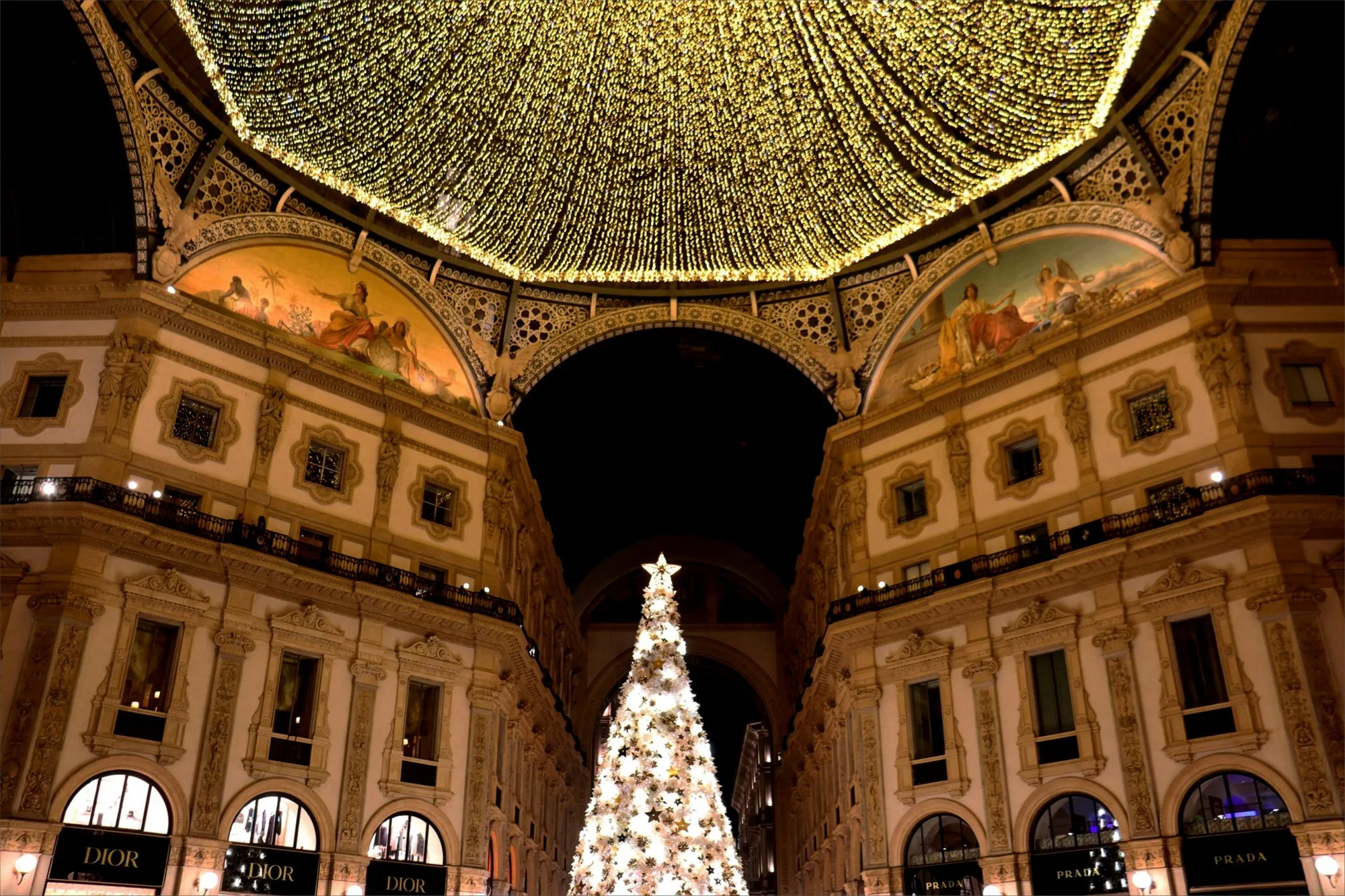
Italians are a passionate people, and they celebrate New Year accordingly. Here, it is believed that red color brings good luck, wards off evil spirits, and, of course, attracts love. Therefore, on December 31st, everyone – young and old, men and women – wears red underwear. Shop windows in December literally blaze with all shades of scarlet. An important condition: the underwear must be new and, ideally, a gift.
In some regions (especially in the south, in Naples), the tradition of throwing old things directly out of windows has been preserved. It is believed that by getting rid of clutter, you make room for something new in life. Of course, nowadays sofas rarely fly out of windows (it's dangerous), but old clothes or dishes might well be thrown out. So if you're planning to buy tickets to Rome on Kupi.com or Milan, be sure to “look up” during your walk!
Turkey: Pomegranate Explosion
Although Turkey is a Muslim country, secular New Year is quite celebrated here, especially in large cities. And the main symbol of the holiday is the pomegranate. Exactly at midnight, Turks go to the threshold of their home and smash a ripe fruit against the ground with all their might. The more it shatters, the more seeds scatter, and the larger the radius they cover, the luckier and richer the year will be. It's beautiful, fun, albeit with juice stains everywhere.
Istanbul in winter is incredibly atmospheric and decorated no worse than European capitals. And to smash your pomegranate on the shores of the Bosphorus, grab tickets Saint Petersburg – Istanbul.
Japan: 108 Chimes and Purification
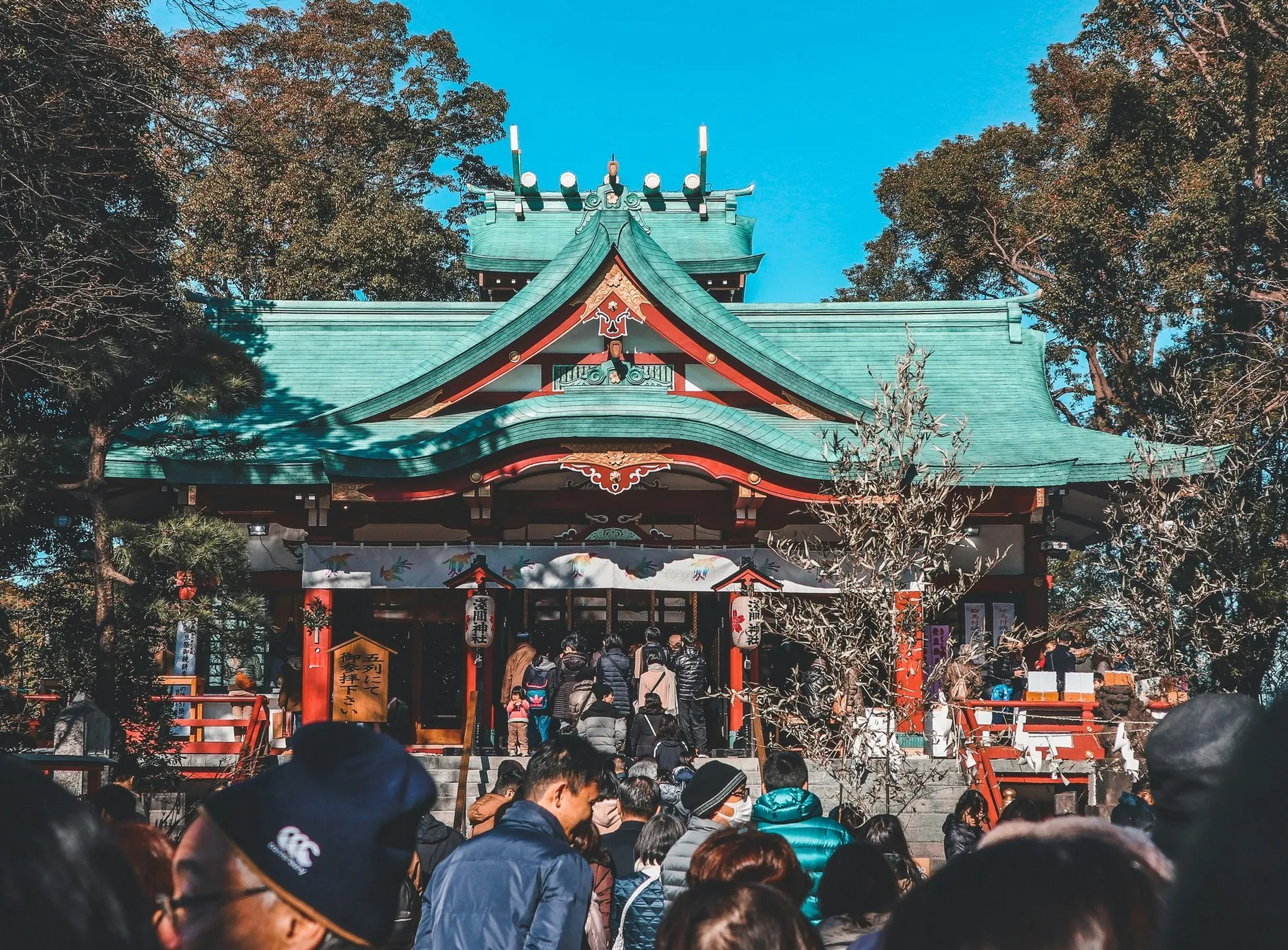
Japanese New Year (O-shogatsu) is a time of quiet, spirituality, and family, not noisy parties. The main event takes place in Buddhist temples. At midnight, bells strike exactly 108 times. According to Buddhist beliefs, humans have 108 harmful passions (envy, anger, greed, etc.). Each strike of the bell “kills” one of these afflictions, purifying the soul before entering a new cycle.
After the chimes, Japanese people eat long toshikoshi-soba noodles. They symbolize longevity and the transition from the old to the new. And on the morning of January 1st, everyone goes out to greet the first sunrise of the year – it is believed that at this moment, the gods of happiness arrive on their magical ship.
Latin America: Suitcase Mood
In Colombia, Mexico, Peru, and other countries in the region, there's a ritual for those who dream of traveling a lot – that is, exactly for you! As soon as the chimes strike midnight, you need to grab an empty suitcase and run around your house with it as fast as possible. It is believed that the faster and farther you run, the more kilometers you will cover in real trips in the new year.
Philippines: The 'Round' Year
Filipinos are obsessed with round shapes because a circle resembles a coin, and therefore attracts wealth. So on New Year's Eve, everything must be round: dresses and shirts – polka-dotted, food – spherical (oranges are top), and pockets filled with loose change (well, that's self-explanatory).
Denmark: A Leap into the Future
Danes are reserved people, but not on New Year's Eve. Exactly at midnight, when the clock strikes 12, Danes stand on chairs, sofas, or armchairs and, with the last strike, jump down onto the floor together. This symbolizes a leap into the new year, leaving all the bad behind.
Another festive option is broken crockery. No, you don't need to find it; you need to collect it all year (plates and mugs with small chips will do). Why? To smash it against the doors of friends and neighbors on New Year's Eve. The more shards you have at your doorstep on the morning of January 1st, the more friends you have and the luckier the year will be. So a pile of rubbish at the door here is a cause for pride, not scandal.
Greece: The Stone of Hospitality
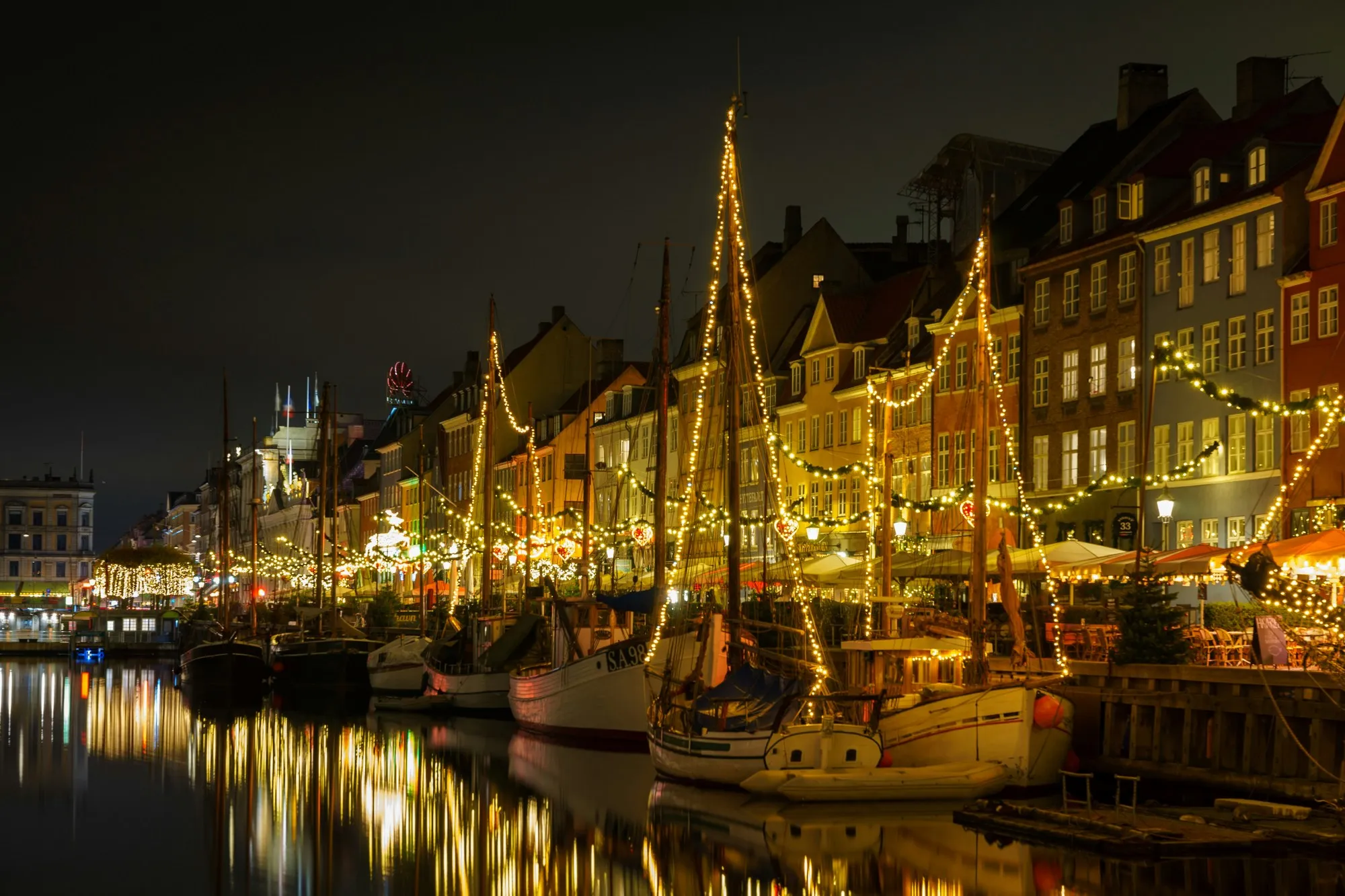
Greeks, when visiting for New Year, bring a stone with them and leave it at the doorstep. A large and heavy one means the host's wealth will be just as great, while a small one means problems will be insignificant. Here, they also bake Vasilopita pie, in which a coin is hidden during preparation. Whoever gets it will be accompanied by good luck in the new year.
Brazil: Ocean of Hope
In Brazil, New Year (Réveillon) is celebrated on the beach (where else?), as it's the height of summer there. Millions of people go to Copacabana beach in Rio de Janeiro. The dress code is strict – white everything, as it symbolizes purification. Next, offerings are made to the sea goddess Yemanjá. People throw white flowers (gladioli, roses) into the ocean and launch small boats with candles and gifts onto the water. If the ocean accepts the offering and doesn't cast it back ashore – the wish will come true.

Ecuador: Burning the Past
In Ecuador, New Year is a time of fiery purification. The main tradition here is the creation and burning of effigies, called año viejo (old year). They are made from old clothes, stuffed with newspapers or sawdust, and topped with masks that can depict anyone: from politicians and movie stars to cartoon characters. The meaning is to burn away all the bad that this character or the departing year represents.
Scotland: The 'First Foot'
The last day of the outgoing year here is called Hogmanay, and it's celebrated with great fanfare, sometimes even more grandly than Christmas. In cities, processions are held: men walk through the streets, swinging huge burning balls of wire and rags over their heads. This is an ancient pagan ritual of purification by fire. Another important tradition is the first foot. It is believed that the first person to cross the threshold of a house after midnight should be a tall, dark-haired man (a symbol of strength and good luck) and bring gifts: coal (for warmth), salt (for food), whisky (for cheer), and shortbread. We sing “A Fir Tree Was Born in the Forest,” and here – “Auld Lang Syne”.
Chile: New Year in the Cemetery
In the city of Talca, there is perhaps the most unusual and slightly eerie tradition. Locals celebrate New Year... in the cemetery, next to their deceased relatives. This is not a sad event, but rather an act of family unity. The cemetery gates open at 23:00. People bring candles, flowers, and play quiet classical music. They believe that on this night, the souls of loved ones return to celebrate with the living. The atmosphere turns out not frightening, but peaceful and touching.
Czech Republic: Apple Predictions
New Year's Eve in the Czech Republic is called “Silvestr,” and it's a time for fortune-telling. One of the most popular involves apples. After the festive dinner, an apple is cut in half crosswise. If the cut resembles a star (seeds are correctly arranged) – the year will be happy and healthy. If it forms a cross – expect troubles or illnesses.
Bulgaria: Survakari and Kisses in the Dark
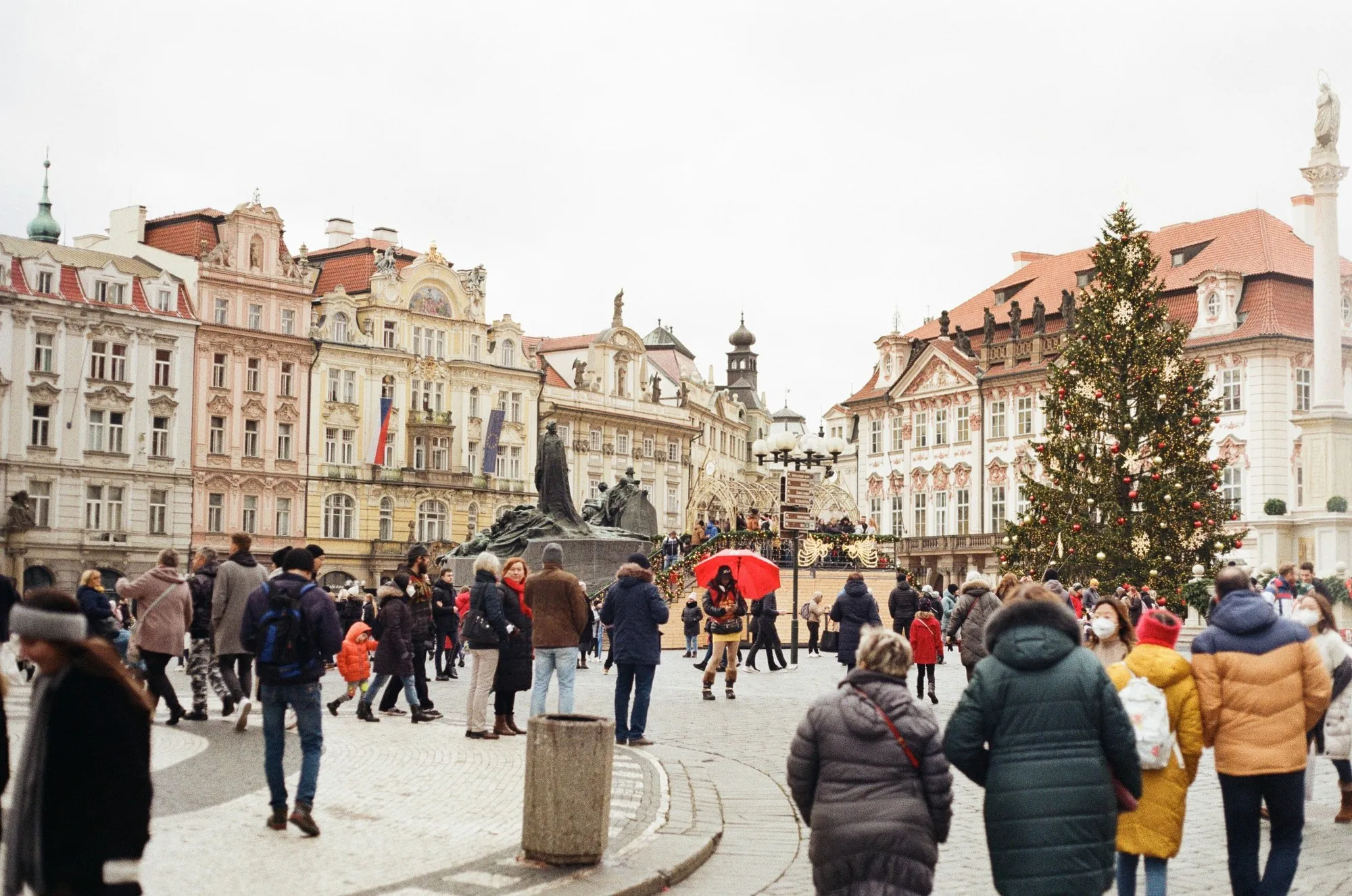
In Bulgaria, there is a sweet tradition of “kissing minutes.” Exactly at midnight, after the last chime, lights are turned off in all homes and squares for 3 minutes. In this darkness, you can kiss anyone, and the secret will remain a secret. The next day, January 1st (Vasilovden), children make “survachki” – cornel tree sticks decorated with threads, coins, and dried fruits. With these sticks, they go from house to house, gently tap the hosts on the back, and wish them health and wealth – they “survakat”.
USA (New York): The Ball Drop
This is the most cinematic tradition we've seen in dozens of films. In Times Square, New York, one minute before midnight, a huge crystal ball (Times Square Ball) begins to descend. It slides down the flagpole for exactly 60 seconds. Millions of people in the square and in front of TV screens count down the last seconds in unison. The moment the ball reaches its lowest point, New Year arrives, and a ton of confetti rains down on the crowd. Some of the papers have wishes written on them from people around the world who sent them to the organizers in advance.
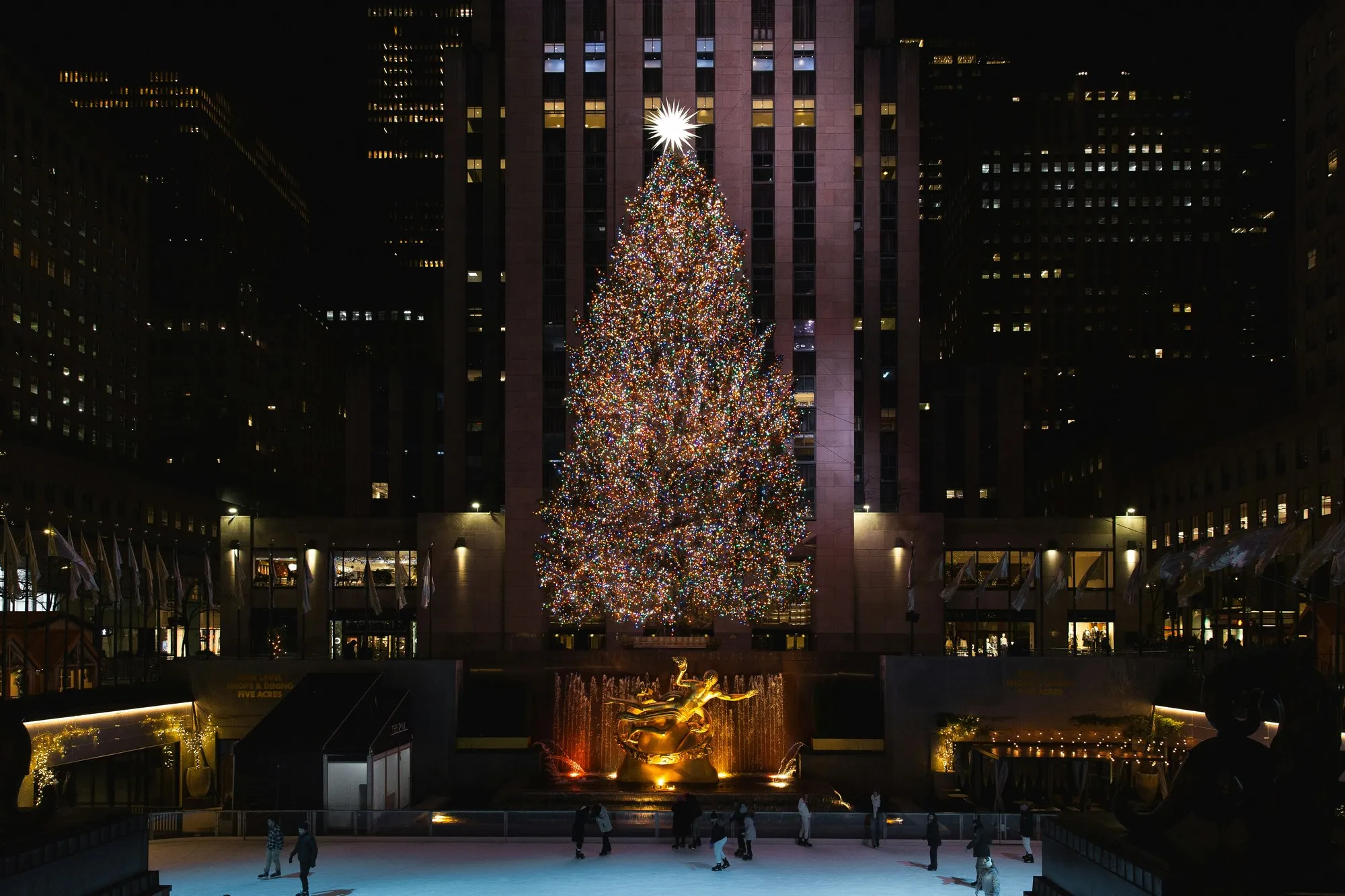
To see such an event live is a dream for many. If you are among them, try to buy tickets to New York on Kupi.com in advance (with a layover in Istanbul or Belgrade), as holiday prices are always high.