New Travel Rules from Rosaviatsia
Our world will never be the same after the epidemic, and it will take a long time to get as close as possible to its normal state. Many airlines and tourism ministers of foreign countries believe that the usual tourist flow will only recover by next year. But not everyone will be able to stay put when isolation is lifted: someone will definitely rush off across Russia or to available foreign countries.
Therefore, Rosaviatsia and Rospotrebnadzor have developed new rules for organizing travel.
The scheme is as follows: the exit from the existing restrictive measures will take place in three stages, and each stage will have its own set of measures. It won't be easy at first, but we'll manage, right? Now we'll lay everything out in detail on your baggage shelves of knowledge.
Rules for Passengers. First Stage
Since domestic flights are about to resume, the restrictive measures in the first stage will be quite strict. Here's the set of rules awaiting us:
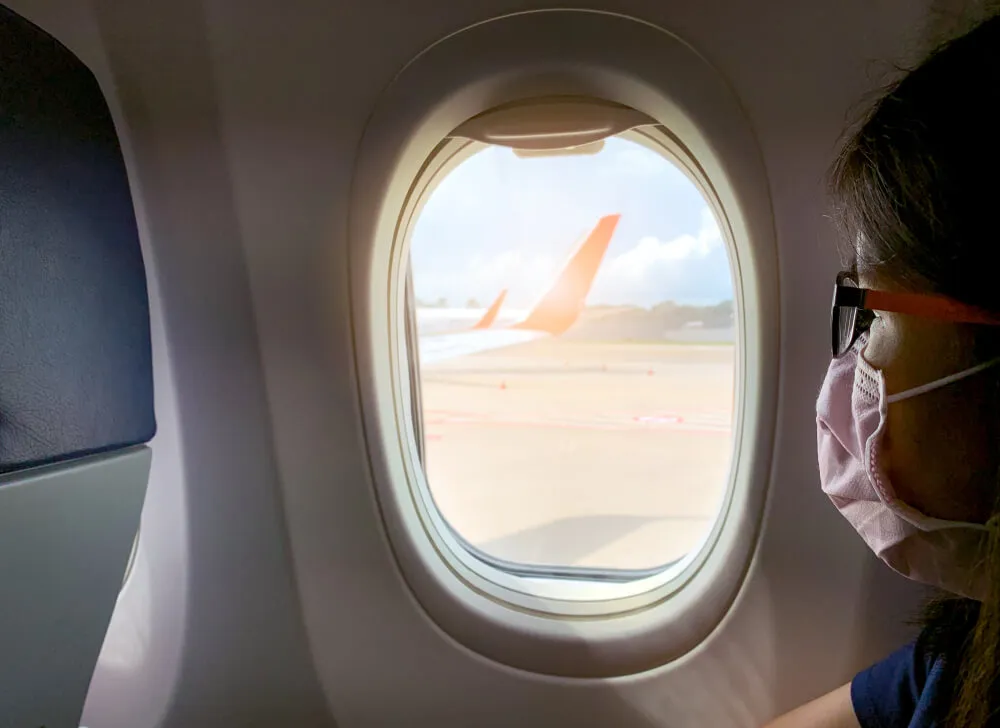
- Throughout the flight, passengers must wear masks and gloves. Every three hours, flight attendants help passengers change PPE (personal protective equipment) – disposing of used ones and issuing new ones.
- Outerwear must be placed on the overhead bins for hand luggage. Exceptions: air transportation in regions with negative outdoor temperatures, the type of aircraft used also affects this. It is not allowed to take out clothes during the flight without a valid reason and notifying flight attendants. Therefore, take out all valuables from your pockets in advance.
- Passenger boarding and disembarking from the aircraft takes place with strict observance of social distancing. In short, no crowding. We'll all sit in our places anyway.
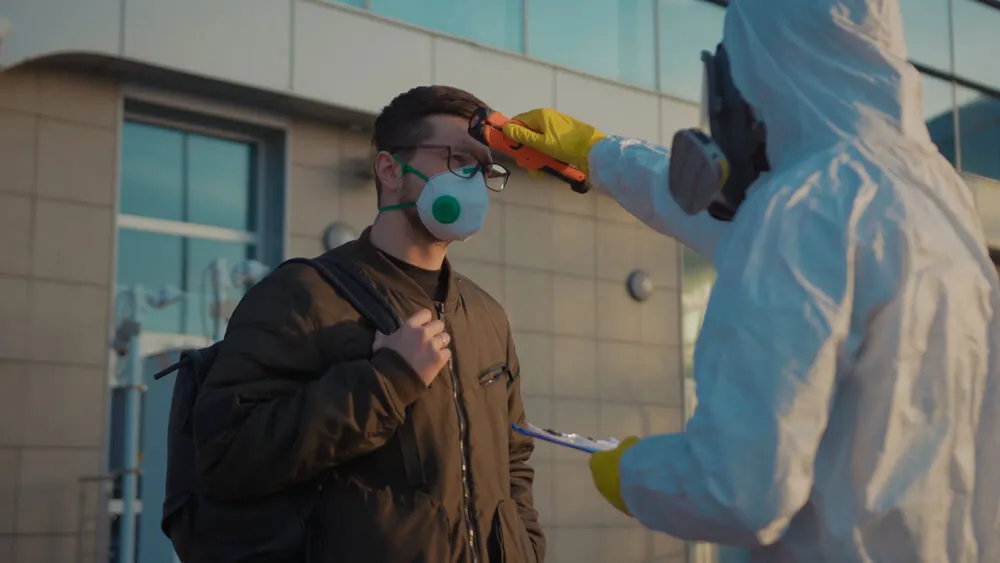
- Upon boarding the aircraft, all passengers' temperatures are measured contactless, and hand disinfection is performed. Travelers with elevated temperatures are not allowed on board (37 degrees Celsius and above).
- Walking during the flight is only allowed to the restroom, and the 'fasten seatbelts' mode is active throughout the entire flight.
- It is also necessary to maintain social distancing in the restroom queue.
- Food and drinks are provided to passengers in individual packaging and disposable tableware.
- Food that you brought on board, including baby food, must not be opened in advance. Maintain the integrity of the packaging.
Second Stage
It differs little from the rules of the first stage, but there is an exception: the 'fasten seatbelts' rule operates in standard mode, not throughout the entire flight.
Third Stage
When it comes into effect, we will all be able to breathe easy in every sense of the word. So, here's what awaits us:
- Passenger boarding takes place according to the usual scheme without restrictions. No social distancing, masks, or gloves.
- Temperature measurements upon boarding are canceled.
- The 'fasten seatbelts' mode is used in standard operation.
- Restrictions on movement within the cabin are lifted. You can go to the restroom or to a friend at the other end of the plane.
- Passenger catering follows the usual scheme. All restrictions on food brought by passengers are also lifted.
- If a passenger with an elevated temperature and symptoms of infection is detected on board, all passengers will have to wear masks and gloves for the duration of the flight. Alas.
Rules for Crew
The document contains rules not only for passengers, but also for crew members and the aircraft commander. They are also divided into three stages.
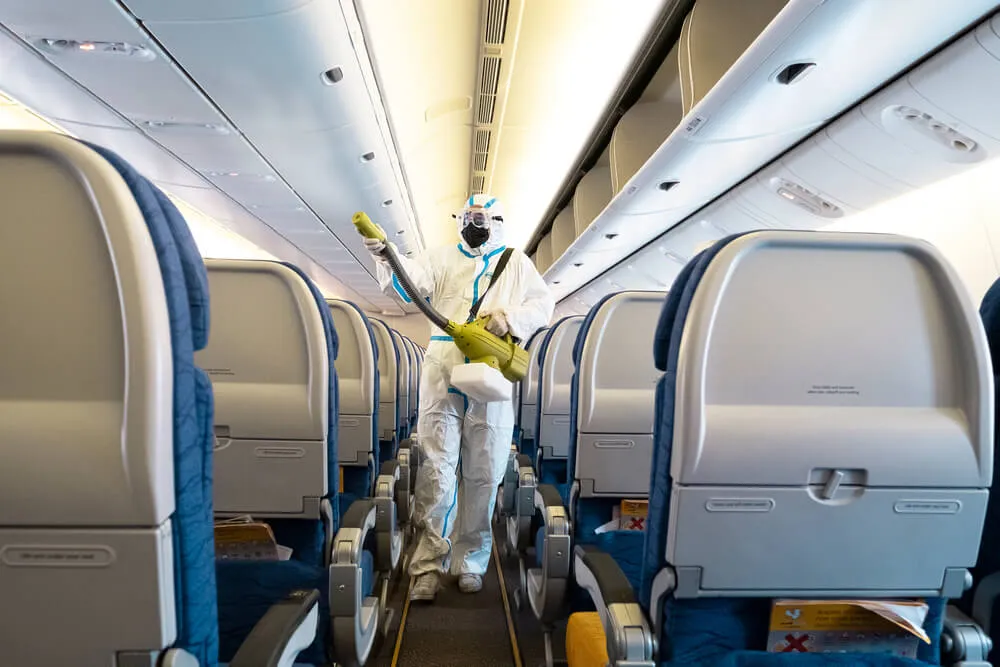
In the first stage, the commander and all crew members, like passengers, undergo a pre-flight medical examination and temperature measurement: those with a body temperature of 37 degrees Celsius and above are not allowed on board. Wearing masks and gloves is also mandatory, except for pilots who are operating the aircraft. Outside the cockpit, pilots are required to use PPE, including in transit zones while awaiting a flight.
The second stage is practically no different, but the third stage is the most interesting:
- The aircraft commander monitors the health of the crew and ensures that all its members undergo a pre-flight medical examination with temperature measurement. Crew members with a temperature of 37 degrees Celsius and above are not allowed to fly.
- Flight attendants wear masks and gloves during the flight if passengers with elevated temperatures and symptoms of an infectious disease are detected on board.
- If there is a passenger on board with an elevated temperature and symptoms of an infectious disease, the flight attendant must use a mask and gloves when leaving the cabin, as well as in case of contact with the passenger.
- After the flight, the aircraft commander conducts a health survey of the crew members.
- During and after the flight, all crew members and the commander are obliged to observe personal hygiene rules and prevention of infectious diseases.
Read the full guidelines here.