India Transport - A Great Life Hack
If you've planned a long itinerary and intend to visit several cities and states in one trip (which we highly recommend), then you're probably concerned about getting around the country. As we've written before, you can travel between major cities very affordably by plane. You can find tickets on our website; here's an example of a flight from Delhi to Mumbai
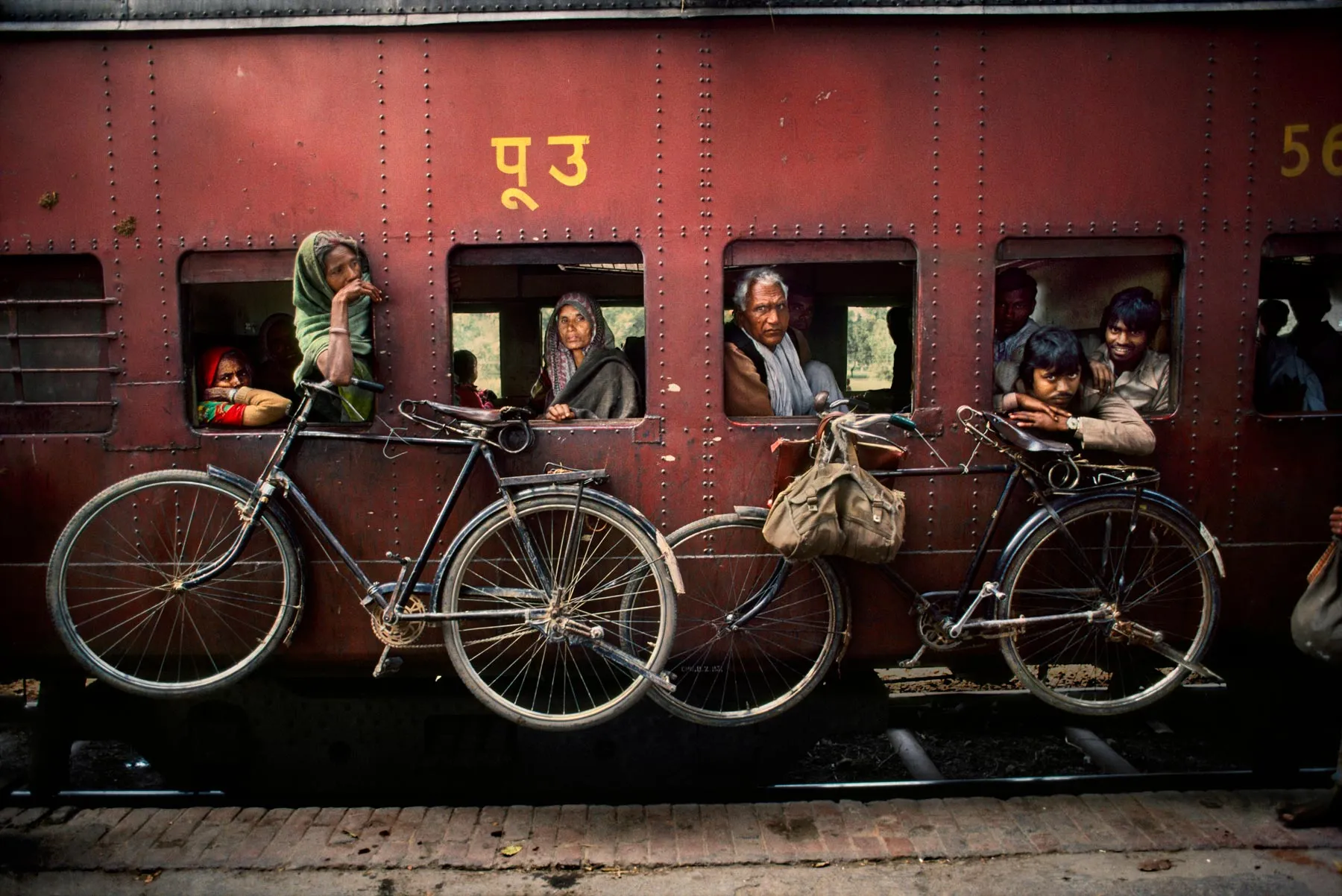 Trains are divided into types and classes, with the cheapest tickets being in unreserved coaches. It resembles our commuter train, only 100 times older and dirtier. People sleep everywhere - in the vestibule, on the floor in the aisle, in the toilet. Conductors practically don't enter these coaches because the number of people makes it impossible. Have you seen those famous pictures where crowds of people sit on the roof? This is the everyday reality of India. Here, everyone essentially travels for free; only the most law-abiding citizens buy tickets at the counter themselves. The coach is fenced on both sides with iron partitions so that local passengers cannot move to more expensive coaches. We hope it's unnecessary to remind you that single women are advised against traveling here. Otherwise, the internet is full of amusing stories from our compatriots who decided to experience a 'real Indian train' for themselves.
Coaches are divided into classes according to the presence/absence of air conditioning, windows (yes, in some coaches, there are iron grates instead of glass in the windows, and it gets quite windy at full speed), there are comfortable seating coaches, there are sleeper cars similar to ours but with three berths instead of two, and so on, up to luxury trains, the cost of a trip on which amounts to tens of thousands of dollars.
You can read more about the classes of Indian trains here.
Trains are divided into types and classes, with the cheapest tickets being in unreserved coaches. It resembles our commuter train, only 100 times older and dirtier. People sleep everywhere - in the vestibule, on the floor in the aisle, in the toilet. Conductors practically don't enter these coaches because the number of people makes it impossible. Have you seen those famous pictures where crowds of people sit on the roof? This is the everyday reality of India. Here, everyone essentially travels for free; only the most law-abiding citizens buy tickets at the counter themselves. The coach is fenced on both sides with iron partitions so that local passengers cannot move to more expensive coaches. We hope it's unnecessary to remind you that single women are advised against traveling here. Otherwise, the internet is full of amusing stories from our compatriots who decided to experience a 'real Indian train' for themselves.
Coaches are divided into classes according to the presence/absence of air conditioning, windows (yes, in some coaches, there are iron grates instead of glass in the windows, and it gets quite windy at full speed), there are comfortable seating coaches, there are sleeper cars similar to ours but with three berths instead of two, and so on, up to luxury trains, the cost of a trip on which amounts to tens of thousands of dollars.
You can read more about the classes of Indian trains here.
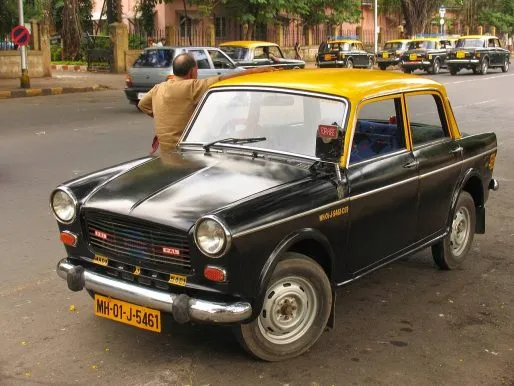
 In Mumbai, you'll hardly find a rickshaw; ubiquitous cabs dart around the city – the British left behind architecture, cricket, and taxis in this city. It's very pleasing that the prices are more than reasonable, and even the most budget-conscious traveler can afford a taxi in Mumbai. Payment is by meter.
In the southern coastal states, it's best to rent a bike – it's inexpensive and you'll be able to visit everywhere. Whatever the temptation to rent a luxurious Royal Enfield motorcycle – resist it. The motorcycle is heavy in weight and handling, and you're 100% likely to crash into something or someone.
Don't worry about where and how to find transportation – drivers, upon seeing a white person, will instantly stop near you. Bargain down the quoted price by at least 4 times (or even more, rely on your own judgment regarding the real cost of the ride). An auto-rickshaw, for example, runs on gas, which costs pennies in India; therefore, this type of transport is very cheap, don't let yourself be fooled. In Mumbai, always insist that the driver turns on the meter; if you see that it's actually broken – agree on the price BEFORE the trip.
In Mumbai, you'll hardly find a rickshaw; ubiquitous cabs dart around the city – the British left behind architecture, cricket, and taxis in this city. It's very pleasing that the prices are more than reasonable, and even the most budget-conscious traveler can afford a taxi in Mumbai. Payment is by meter.
In the southern coastal states, it's best to rent a bike – it's inexpensive and you'll be able to visit everywhere. Whatever the temptation to rent a luxurious Royal Enfield motorcycle – resist it. The motorcycle is heavy in weight and handling, and you're 100% likely to crash into something or someone.
Don't worry about where and how to find transportation – drivers, upon seeing a white person, will instantly stop near you. Bargain down the quoted price by at least 4 times (or even more, rely on your own judgment regarding the real cost of the ride). An auto-rickshaw, for example, runs on gas, which costs pennies in India; therefore, this type of transport is very cheap, don't let yourself be fooled. In Mumbai, always insist that the driver turns on the meter; if you see that it's actually broken – agree on the price BEFORE the trip.
How to buy a ticket on Kupi.com for an Indian train?
If the distances between intermediate stops on your route are short, it's best to buy train tickets. After a quick read, you'll most likely want to give up on this idea and try to buy tickets on Kupi.com on the spot. We strongly advise against this, especially if you've chosen a popular tourist route, such as the Golden Triangle, or want to travel halfway across the country in a cheap sleeper car. There's a 99.9% chance that there will be no tickets available on site, and you'll either have to literally ride on the heads of Indians (we're not kidding) or urgently change your plans and spend money on a flight. And again, it's not guaranteed that there will be tickets for the nearest flight.Trains in India
Trains are divided into types and classes, with the cheapest tickets being in unreserved coaches. It resembles our commuter train, only 100 times older and dirtier. People sleep everywhere - in the vestibule, on the floor in the aisle, in the toilet. Conductors practically don't enter these coaches because the number of people makes it impossible. Have you seen those famous pictures where crowds of people sit on the roof? This is the everyday reality of India. Here, everyone essentially travels for free; only the most law-abiding citizens buy tickets at the counter themselves. The coach is fenced on both sides with iron partitions so that local passengers cannot move to more expensive coaches. We hope it's unnecessary to remind you that single women are advised against traveling here. Otherwise, the internet is full of amusing stories from our compatriots who decided to experience a 'real Indian train' for themselves.
Coaches are divided into classes according to the presence/absence of air conditioning, windows (yes, in some coaches, there are iron grates instead of glass in the windows, and it gets quite windy at full speed), there are comfortable seating coaches, there are sleeper cars similar to ours but with three berths instead of two, and so on, up to luxury trains, the cost of a trip on which amounts to tens of thousands of dollars.
You can read more about the classes of Indian trains here.
Getting around the city
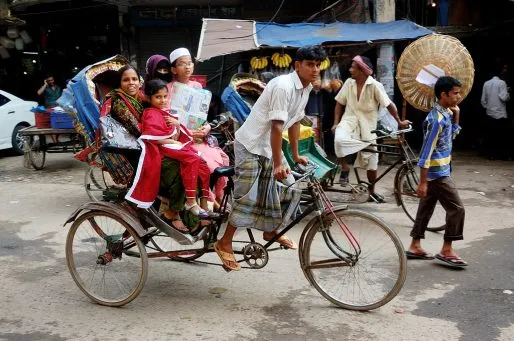
In Delhi, the cheapest way to get around is by auto-rickshaw or cycle-rickshaw, but the latter option is the least convenient and very slow. Use a cycle-rickshaw only if you're on a strict budget and have plenty of time.
In Mumbai, you'll hardly find a rickshaw; ubiquitous cabs dart around the city – the British left behind architecture, cricket, and taxis in this city. It's very pleasing that the prices are more than reasonable, and even the most budget-conscious traveler can afford a taxi in Mumbai. Payment is by meter.
In the southern coastal states, it's best to rent a bike – it's inexpensive and you'll be able to visit everywhere. Whatever the temptation to rent a luxurious Royal Enfield motorcycle – resist it. The motorcycle is heavy in weight and handling, and you're 100% likely to crash into something or someone.
Don't worry about where and how to find transportation – drivers, upon seeing a white person, will instantly stop near you. Bargain down the quoted price by at least 4 times (or even more, rely on your own judgment regarding the real cost of the ride). An auto-rickshaw, for example, runs on gas, which costs pennies in India; therefore, this type of transport is very cheap, don't let yourself be fooled. In Mumbai, always insist that the driver turns on the meter; if you see that it's actually broken – agree on the price BEFORE the trip.