How to move to Turkey?
We continue our series "Let's Get Out of Here (not for vacation)", where Kupi.com team members and their friends share personal relocation experiences to other countries. The new guide is about Turkey! Specifically: residence permits, life hacks on how not to get scammed in stores, food, doctors, and transport.
Hi! My name is Katya, and I'm the Head of CRM at Kupi.com. I'm responsible for the emails, pushes, SMS, and stories you receive in the app or by email.
Why Turkey?
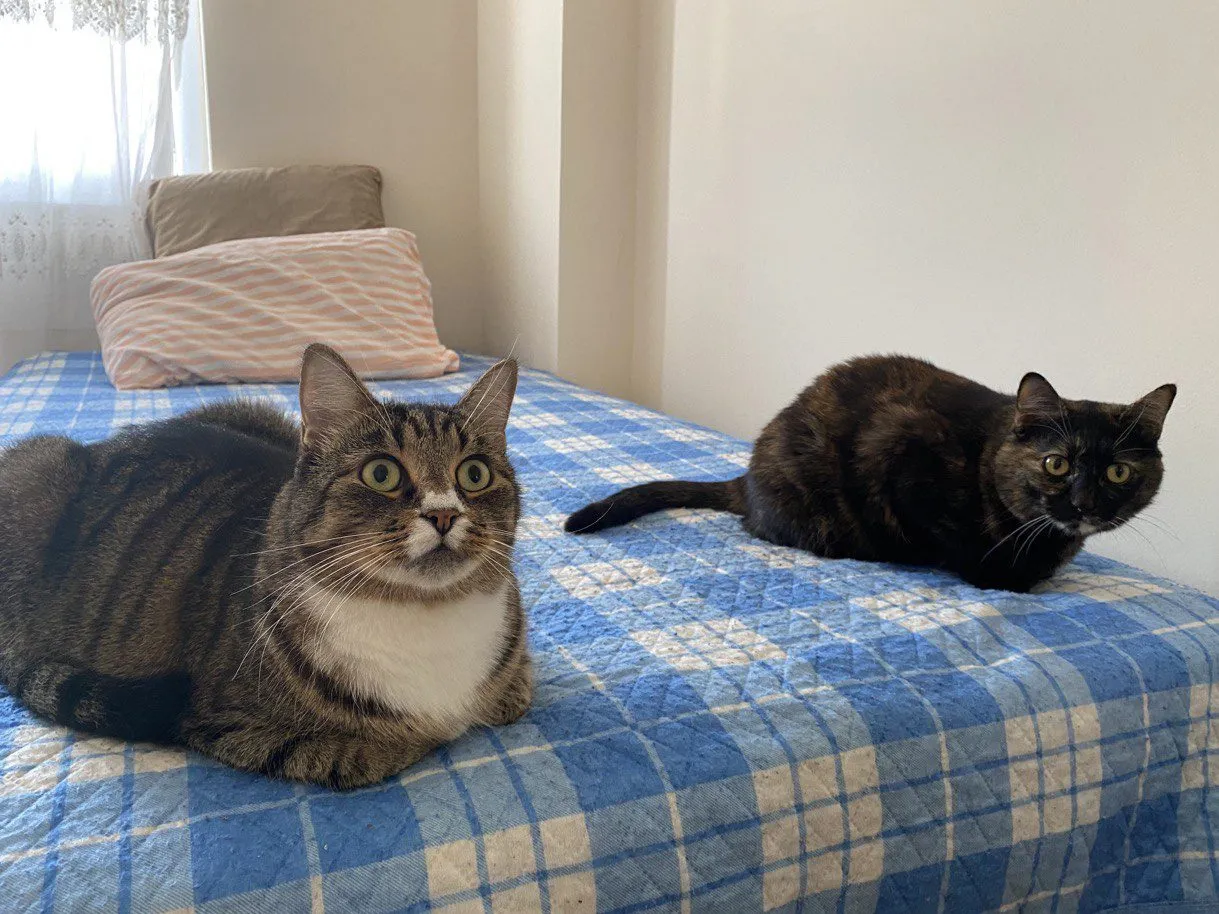
Like many others, I moved in March 2022, but I had one BUT. More precisely, two furry BUTs, commonly known as cats (mine are named Monica and Pushkin). So I chose the easiest country in terms of price / flight time / document processing complexity. Before that, I lived in St. Petersburg for about ten years, and it is, forgive me, people, the best city to live in, in my opinion.
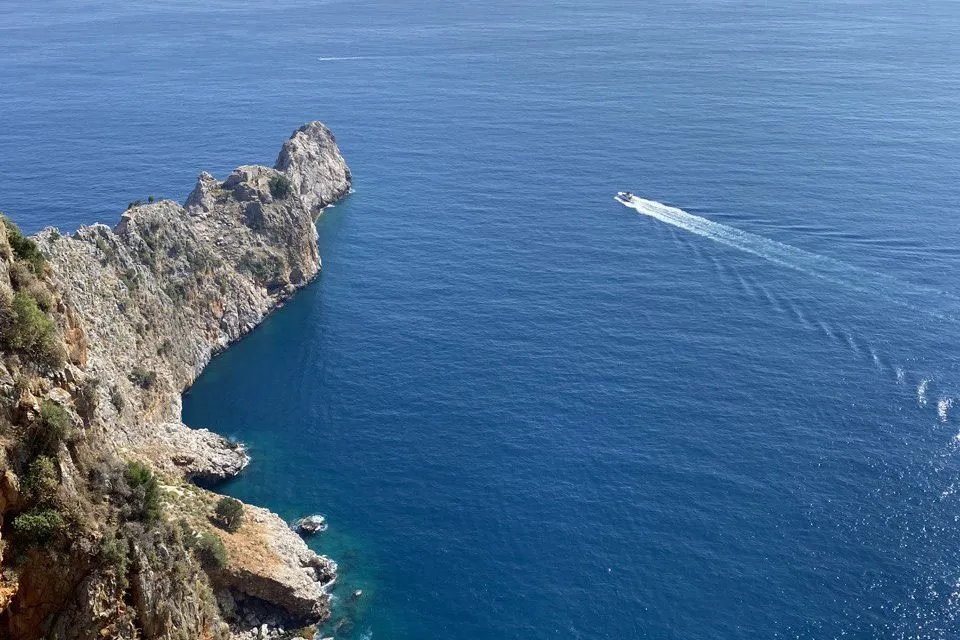
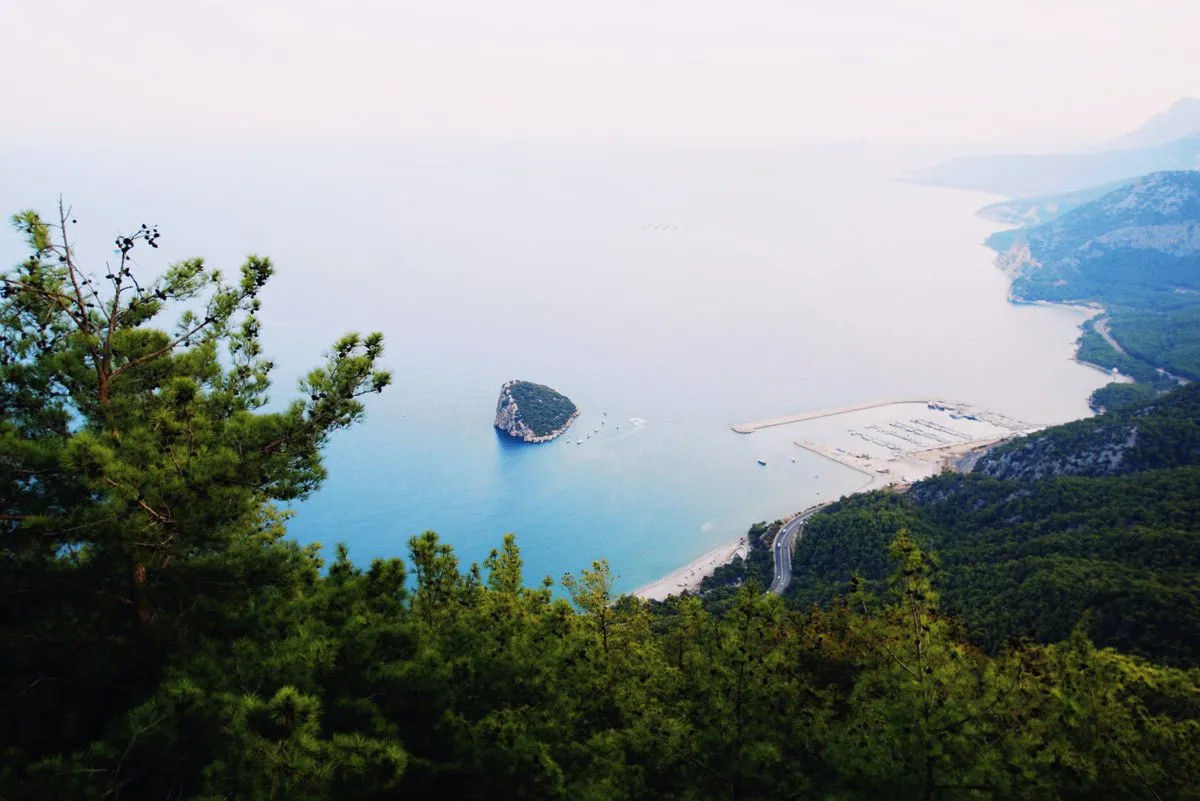
Overall, if you love heat, the sea, a slow pace of life (yes, slower than St. Petersburg's), fresh fruits and vegetables, then you should try Turkey. Moreover, staying here for at least six months, rather than the standard 60+30 days (in Turkey, you can stay for 60 days, then you need to leave and re-enter for another 30), is not that difficult.
The attitude towards Russians here is super friendly. But it's generally like that towards everyone. Russians, Ukrainians, Kazakhs, Belarusians, and other nationalities coexist peacefully here.
I'll say right away that after living in Turkey for almost seven months, I'm moving to Georgia. Why? Because I realized that the country isn't for me: not my mentality, climate, or level of technological development. Which doesn't negate the possibility of giving you a couple of good tips and making your stay as easy as possible.
What about money?
The local currency is the Turkish Lira, although apartments are more often rented in dollars or euros. The lira's exchange rate is very volatile, and inflation in the country is around 80%, so it's hard to predict anything. Currently, the lira fluctuates between three and four rubles, while when I arrived, it was ten rubles. Looking at the dynamics over a couple of years, the "normal" lira exchange rate is 5 rubles. The minimum wage here is 5500 lira, which translates to about 16 – 20 thousand rubles.
Your main expense will be apartment rent. For foreigners, it's hard to find anything cheaper than 500 euros here. Otherwise, imagine you've gone back to 2013, where a kilogram of cherries costs 60 – 80 rubles, and the price of bread is still 10 – 15.
Here's an example from my last trip to the bazaar (prices at the market and in the store differ by 2-3 lira):
peaches 1 kg – 100 rubles;
oranges (oh, they're worth going to Turkey for) 1 kg – 80 rubles;
cherry tomatoes 1 kg – 80 rubles;
leaf lettuce – 35 rubles;
strawberries 1 kg – 100 rubles;
cucumbers 1 kg – 70 rubles;
bananas 1.5 kg – 52 rubles;
potatoes 2 kg – 52 rubles;
onions 1 kg – 35 rubles;
a dozen eggs (from grandma) – 85 rubles.
Meat and fish are more complicated here; they are more expensive, and there isn't the usual variety, but you can still manage.
Cafes and restaurants offer a standard set of Turkish food. For me personally, it's too greasy and tastes pretty much the same, so my advice to you is: cook at home. But if you want to treat yourself to lahmacun or minemen, you'll still spend about a thousand rubles for two people, and you'll be full for a week.
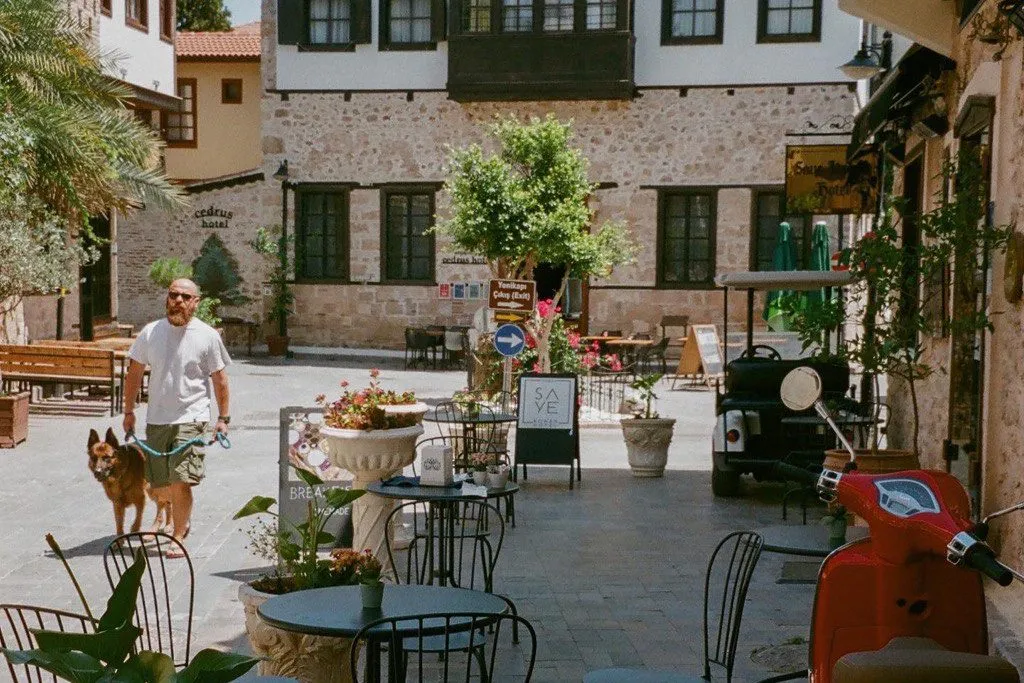
Essential goods here will be cheaper than in Russia.
Another important aspect: it's hard to find good home internet here. And it will be more expensive than in Russia. The same goes for electronics. So, if you're chasing a new cheap iPhone, this isn't the place for you.
About Medicine
It's cheaper here than in St. Petersburg and Moscow. And generally, going to private clinics doesn't cause a panic attack. For example, a complex tooth filling will cost 3500 rubles. And a bilateral hand X-ray with subsequent consultation, bandaging, and prescription – 2700 rubles. If you plan to apply for a residence permit, you will need to buy Turkish insurance. Its price depends on gender and age, varying from 2 to 8 thousand rubles. Mine cost me 2700 for a year. If necessary, you call your insurance company, give them your insurance number, and they will call a doctor or ambulance for you.
About Transport
It is well-developed in large cities and between them. It's easy to get somewhere by bus. Istanbul has a metro, and Antalya has something like a tram-metro. You can buy a card – like St. Petersburg's "Podorozhnik" or Moscow's "Troika" – and then city travel prices will be 20 – 30% cheaper. For example, a bus ride in Antalya costs 36 rubles, and with a card – 27. Most neighboring (and not only) cities can also be reached by bus. I travel Alanya-Antalya for 250 rubles one way, which is about 130 km. But there are also buses to Istanbul and other large cities.
Unfortunately, there are no trains here, so the choice is either plane or bus.
Taxis in Turkey are quite expensive and operate by meter. They charge about 90 rubles for boarding and then 30 rubles for each kilometer.
Will I be understood if I don't know Turkish/English?
It all depends on the city you're going to, but Turks will more often understand Russian than English. Those who know English use a simplified form of it. As I tell my friends, it's a kind of Turkish-English: only past simple and sentences of a maximum of five words.
It's easy here without knowing Turkish, just keep in mind that if you ask «How much?» in a store, you'll most likely be quoted an inflated price. It's another matter if you ask «Нэ кадар?».
Without specifically studying Turkish, you'll still remember basic phrases and words. My advice: learn numbers and simple questions like "How much?", "What?", "Are you open?", and everything else will come with time.
Who will I socialize with?
There are many people from the CIS here, so for any topic or district in your city, there's a Russian-speaking chat on Telegram. There are even chats created from chats! For example, for help with residence permits, Mafia games on Fridays, mountain hikes, and beach parties. If you're not a recluse who spends most of their time at home or hangs out with existing friends (like me), you'll easily integrate into a thematic community and find answers to your questions.
I don't know which city you'll choose, but here are a few chats:
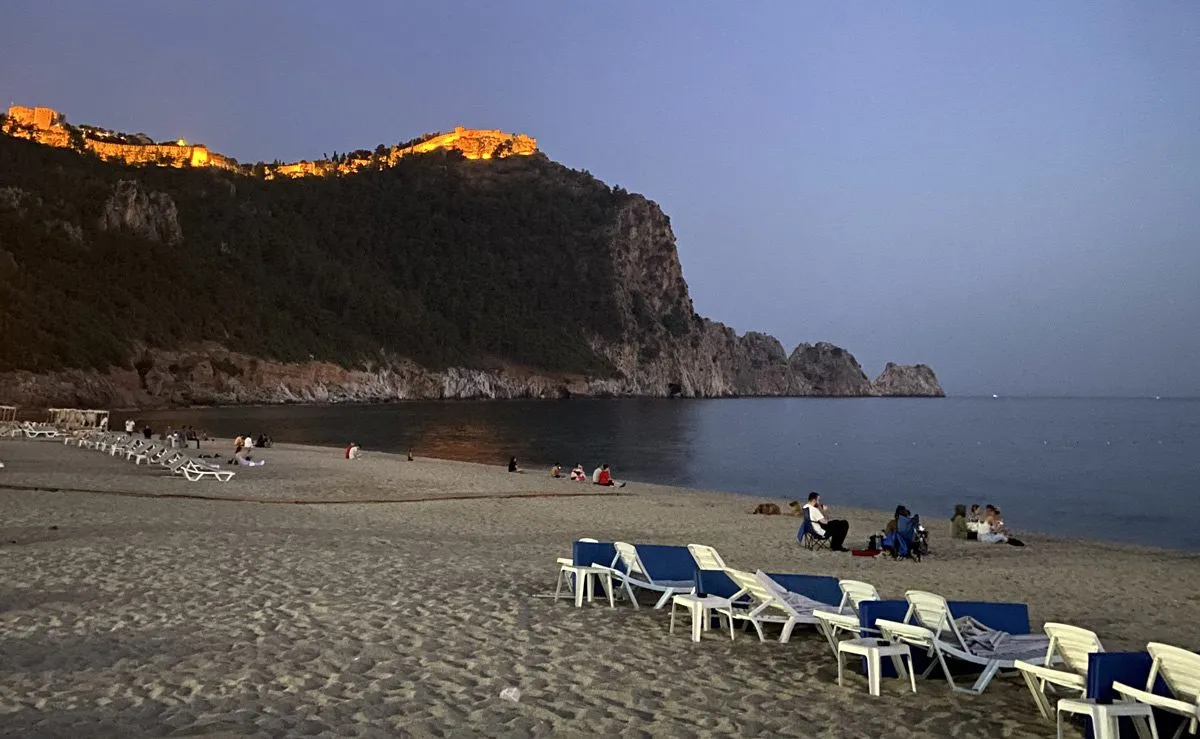
– Kaş Chat
What about leisure?
Since the sea and mountains are accessible here, there are all conditions for active lifestyle enthusiasts – from ancient castles in the mountains to hiking trails 540 km long. For those looking for nightlife, there's always a place to suit every taste and budget: alcohol, however, is a bit more expensive than in Russia. Personally, the lack of exhibitions, museums, and other events that are non-stop in St. Petersburg became a problem for me. But if you look, you can find them. Options to go to the theater for a Turkish play or to the cinema are available.
How to get a Residence Permit?
Currently, the country's leadership is trying to regulate the migration flow, which is why it has closed some areas for obtaining a tourist residence permit.
Several types of residence permits are available today:
– humanitarian, for up to 1 year;
– residence permit for purchasing real estate or opening a business in Turkey (when purchasing property from $400,000, you can also apply for citizenship);
– business residence permit, for investments or registering a company in Turkey by a foreign person;
– tourist residence permit – most likely your option;
– family residence permit – up to 3 years;
– student, issued for the period of study in Turkey;
– long-term residence permit;
– residence permit for victims of human trafficking.
A little more about Residence Permits
Humanitarian Residence Permit and Residence Permit for Victims of Human Trafficking
They are issued in emergency situations when a person's life is threatened or they cannot return to their home country.
Student Residence Permit
Schoolchildren and students receive it for studying in Turkish schools, undergraduate, graduate, and postgraduate students, as well as those studying Turkish on special courses. The term of the ikamet (this is the card you receive after obtaining a residence permit) corresponds to the study period.
Family Residence Permit
Spouses of Turkish citizens, as well as dependent children and adults, receive it.
Long-Term Residence Permit
It is indefinite, but only people who have lived in Turkey for more than 8 years, as well as refugees, can obtain it. Such a residence permit can be annulled if you leave the country for more than a year.
Residence Permit for Real Estate Purchase
To apply for a residence permit by purchasing housing or opening a business in Turkey, you must meet one of the following requirements:
– invest in trusts, government bonds, and the country's economy at least $500,000 for a minimum of 3 years;
– purchase residential/non-residential real estate or land with an appraised value of at least $400,000, which is confirmed by an extract from the register and implies compliance with the established restriction period for the sale and disposal of this property for three years;
– open a company in any city in Turkey and create at least 50 jobs for local specialists with full social security for 3 years (minimum).
The most relevant way to obtain an ikamet for those moving to the country is a tourist residence permit.
To apply, you will need to collect the following list of documents:
– application form for an ikamet;
It is filled out on the portal e-ikamet.goc.gov.tr. After submitting the application, you will receive the date and time of the interview at the migration service. The interview is called randevu. The completed application must be printed and signed. It is taken to the interview.
– copy of foreign passport;
You must print the pages with your photo and stamps of your last entry into the country. Take the original with you to the interview.
– 4 biometric photos;
Just go to any photo studio and say you need photos for an ikamet. My advice: bring a flash drive, as these photos also need to be uploaded to the electronic application.
– original health insurance;
It is issued in Turkish, also called sigorta. I recommend getting it for a year right away, as the residence permit's validity depends on the insurance's validity. The price depends on your gender and age.
– copy of the rental agreement, notarized;
You will need to go to a notary with the apartment owner for this.
– receipt for payment of the state fee for document processing and the ikamet plastic card itself.
You can pay them at the tax office or any Turkish bank, and the payment invoice will be available in your personal account on the migration service website after submitting the electronic application.
That's all from the list of mandatory documents, but here's what else the migration service might request:
– extract from the address registration system;
Replaces registration for those, who want to extend their residence permit when it expires.
– travel itinerary for the proposed residence permit period;
It is on the official list, but in real life, the need for it is practically zero.
– utility payment receipts for the rented apartment, which will be registered in your name;
We immediately registered electricity and water in our name — as proof that our contract is not fictitious, so I recommend you do the same.
– proof of declared income;
We took bank statements of account movements from Russian banks; they can be requested online and printed before going to the migration service. We ended up with about 150 pages for the year, but what can you do.
– copy of the tapu (title deed) of the apartment owner and their documents (passport).
I recommend asking the owner to scan all of this in advance so you can bring it with you.
Well, and another small tribute to tradition – it's the pink dosya folder. It's sold in any stationery store or photo studio; you put your documents in it and take them to the randevu.
Be sure to buy a Turkish SIM card. Although notifications will come to your email, you can always call 157 to find out the status of your residence permit application. Or ask any other questions about your stay in Turkey.
You can also easily get a Turkish tax ID (INN) – it will be useful when opening a bank account or paying state fees at the tax office. You can get it in literally five minutes at a tax office branch or online.
An important thing I wrote about above: the Turkish government has restricted areas where you can get a residence permit based on rental housing, so use the list of closed areas when choosing your place of residence.
In reality, this path only seems difficult and confusing, but if you pull yourself together, all documents can be prepared in just 2 – 3 days. And after submitting the online application, you will already be legally in the country, even if your stay exceeds the available 60+30 days.