How to dress for a plane if you're flying from winter to summer
 Polina
Outside, it's twenty below zero, a blizzard sweeps the roads, and daylight ends before it even begins. In such moments, the only thing that warms the soul is the cherished itinerary receipt in your email. However, a radical change of seasons within a few hours of flight leaves many travelers stumped.
The main question is: what to wear on a plane? After all, the task is non-trivial: you need not to freeze on the way to the airport in Russia, not to die from the heat upon arrival in the tropics, and most importantly, to feel comfortable during a multi-hour flight. You don't want to carry a down jacket with you, but traveling in a taxi in a windbreaker in December or January is also a dubious pleasure.
We analyzed the experience of avid travelers and airline advice to create the ideal wardrobe formula for traveling from winter to summer.
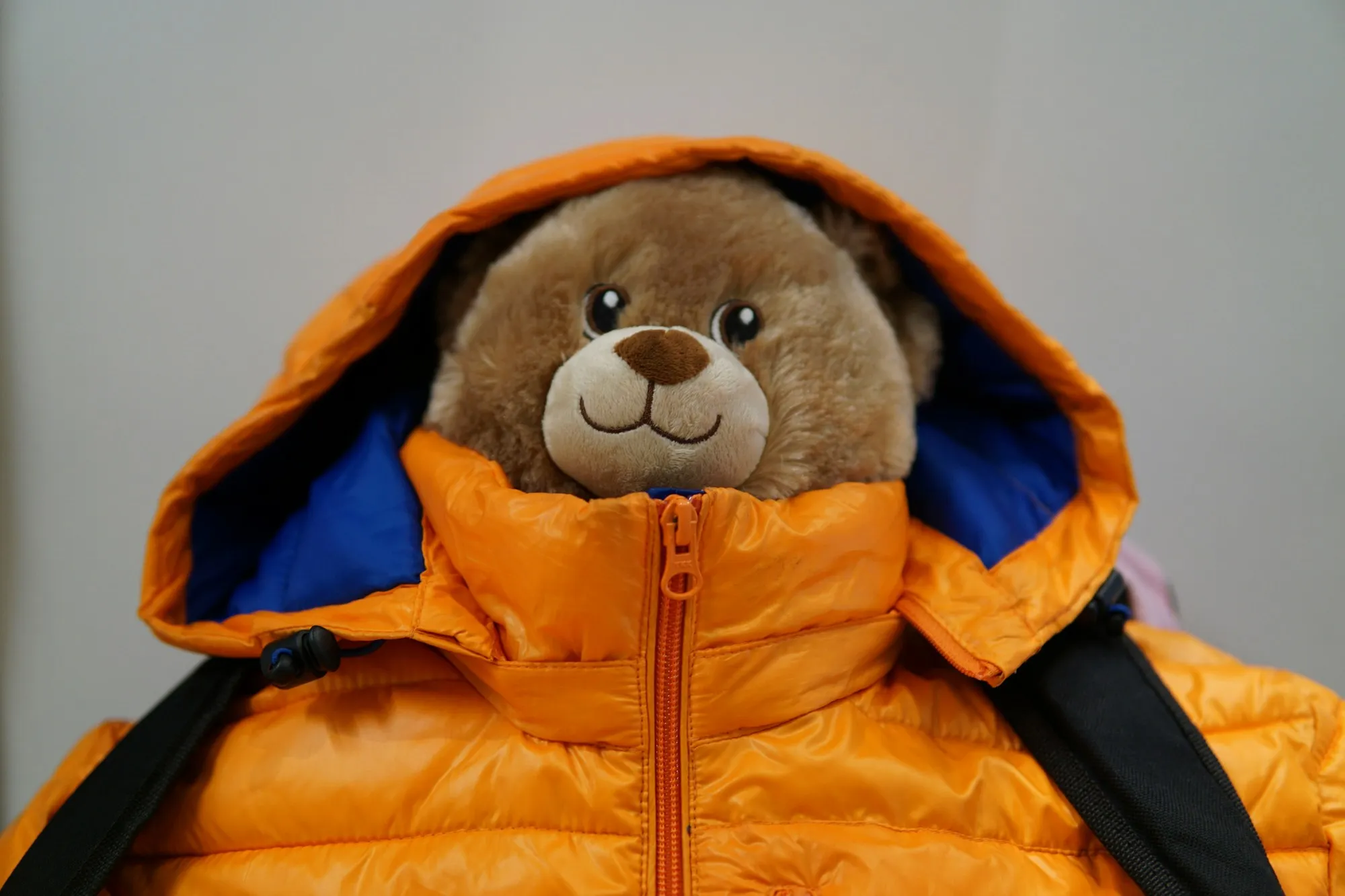
The 'Cabbage' Principle
This is the golden rule for any tourist crossing climatic zones. To understand how to dress for a plane in winter, forget about thick, chunky knit sweaters or one very warm jacket. Your choice is layering.
The essence of the method is simple: you put on several thin layers of clothing that can be easily removed and put back on right in your airplane seat or while waiting in line for passport control.
The ideal 'cabbage' scheme looks like this:
- Base layer: cotton t-shirt or tank top. This is what you'll be left in when you exit the arrival airport into the scorching sun.
- Middle layer: hoodie, zip-up fleece jacket, or cardigan. This layer is responsible for warmth on the plane (where air conditioning often runs) and at the departure airport.
- Top layer: light jacket or ultralight down jacket.
Why does this work? The air between layers of clothing retains heat better than one thick item. And when you arrive, for example, after managing to buy tickets from Moscow to Phuket, you'll simply remove the top layers, remaining in a t-shirt, and won't have to look for a place to change in the restroom.

Jeans vs. Sweatpants
When deciding what to wear on a plane for comfort, many habitually choose jeans. This is a mistake, especially for long flights.
- Jeans: The dense fabric presses on the abdomen, impairs circulation in the pelvis and legs. During prolonged sitting, knees stretch out, and stiff seams can chafe. Moreover, jeans are hot in humid climates.
- Joggers or sweatpants: an ideal option. Choose models made of high-quality cotton with added elastane. They are soft, don't constrict, and look neat enough for the city.
- Leggings: an excellent choice for women. They take up minimal space if you decide to change and provide support.
- Convertible pants: for men, travel pants that can easily transform into shorts (by unzipping at the knees) can be a practical option.
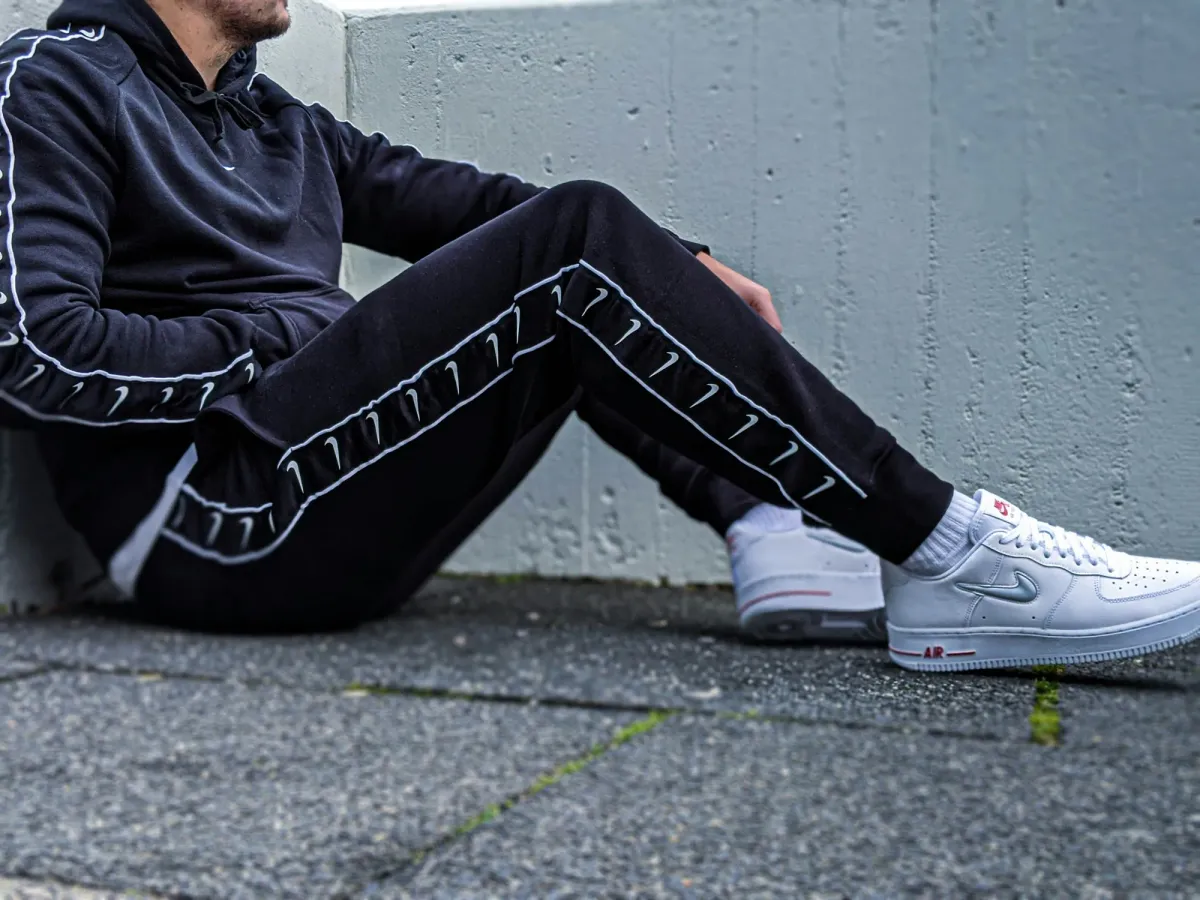
The Shoe Question
Feet are what suffer most during a flight due to swelling, and they are the hardest to adapt to a change in climate. How to dress for a plane if you're flying in winter without carrying heavy winter boots?
Option A: sneakers + warm socks. The most popular choice. You wear comfortable, 'breathable' sneakers, but complement them with warm thermal socks (e.g., with merino wool).
- In Russia: a warm sock keeps your foot warm while you walk from the taxi to the terminal.
- On the plane: you take off your sneakers (putting on disposable slippers or staying in socks), giving your feet a rest.
- At the resort: warm socks go into the wash, and sneakers will come in handy for excursions or evening strolls.
Option B: spare shoes in your carry-on. If you're very afraid of freezing in Russia, wear winter shoes, but put light flip-flops or sandals in your backpack. As soon as you're on board, take off your heavy boots and put them on the shelf (in a bag).
What to do with outerwear?
This is the main logistical nightmare: where to put outerwear on the plane or at the airport so you don't have to lug a huge down jacket from the airport to the hotel? There are four strategies.
Airport luggage storage
All major airports (Sheremetyevo, Domodedovo, Vnukovo, Pulkovo) offer long-term luggage storage or cloakroom services.
- Pros: you fly light. Upon return, you put on a warm jacket and go home.
- Cons: it's paid. If you're flying away for two weeks, the amount can add up significantly. Plus, you must return to the exact same airport and terminal.
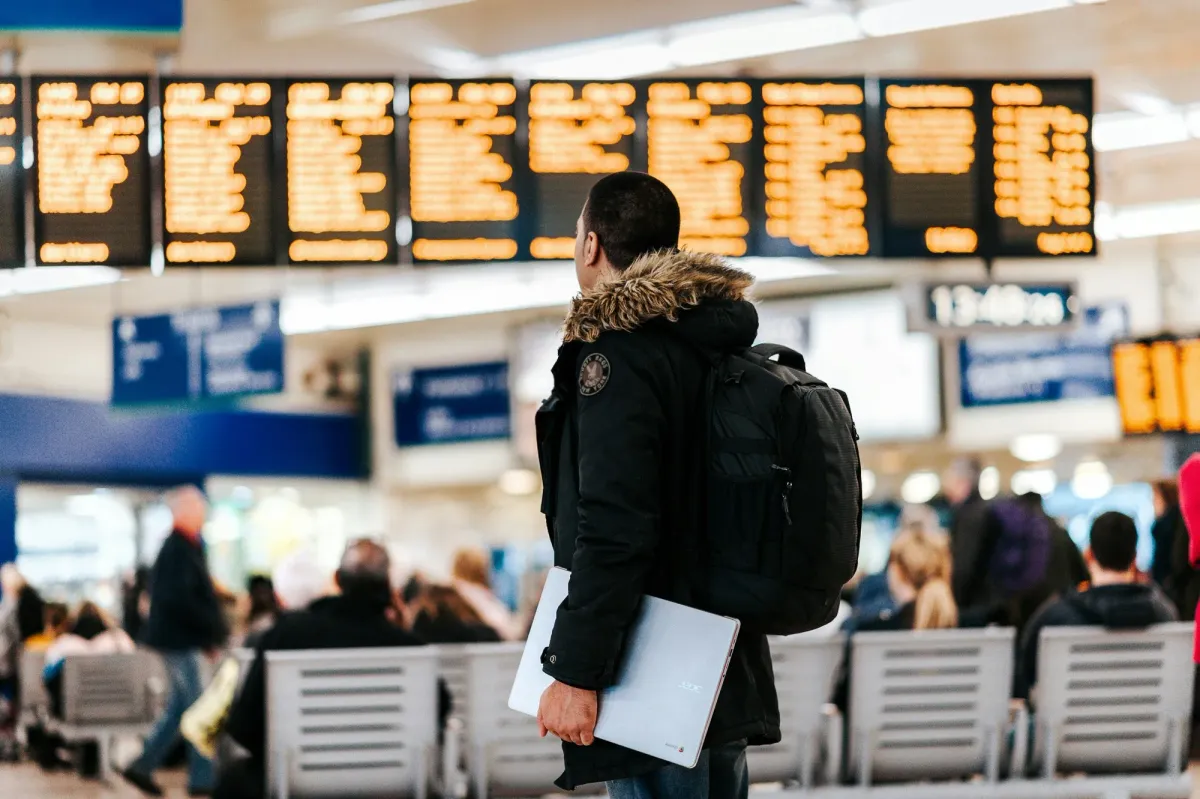
Ultralight down jacket
Modern technology has given us down jackets that roll up into a small, fist-sized pouch.
How it works: in such a down jacket, it's warm down to -5...-10 degrees Celsius (with a warm sweater). At the airport, you roll it up and toss it into your backpack. It takes up no space and weighs almost nothing. This is the best answer to the question of how to dress for a plane without relying on luggage storage.
Leave with those seeing you off
If friends or relatives are seeing you off by car, the simplest option is to give them your jacket before entering the security area (or take it off in the car and run to the entrance in a light jacket, if you're hardy).
Take with you into the cabin
If your down jacket is flying with you, it needs to be placed in the overhead bin on board. Life hack: don't just put the jacket there – other people's suitcases will wrinkle it. Buy a vacuum bag (one that rolls up by hand, no vacuum cleaner needed) or a special compression sack. This way, a bulky jacket will turn into a flat 'pancake' that easily fits on top of suitcases.
On board: comfort and health
Even if you're flying to the tropics, for example, after buying tickets Saint Petersburg – Colombo, remember: it's always cool on the plane, and there can be a strong draft near emergency exits and windows.
What to consider when choosing clothes for a flight
- Fabrics: avoid 100% synthetics (you'll sweat and start to smell unpleasant) and coarse wool (it's itchy). The best choice is cotton with elastane, high-quality knitwear, bamboo, or thin fleece.
- Compression hosiery: this is not just clothing, it's a matter of health. Class 1 compression socks will help avoid swelling and a feeling of heaviness ('lead legs') after landing. You should put them on in the morning on the day of your flight.
- Hood: a hoodie with a large hood is an introvert's best friend. It will protect you from air conditioner drafts and help you block out light to sleep.
- Scarf-pashmina: women should bring a wide scarf. It can be used as a pillow, as a blanket if the airline's wasn't enough, or to wrap around your lower back if there's a draft from the seat.
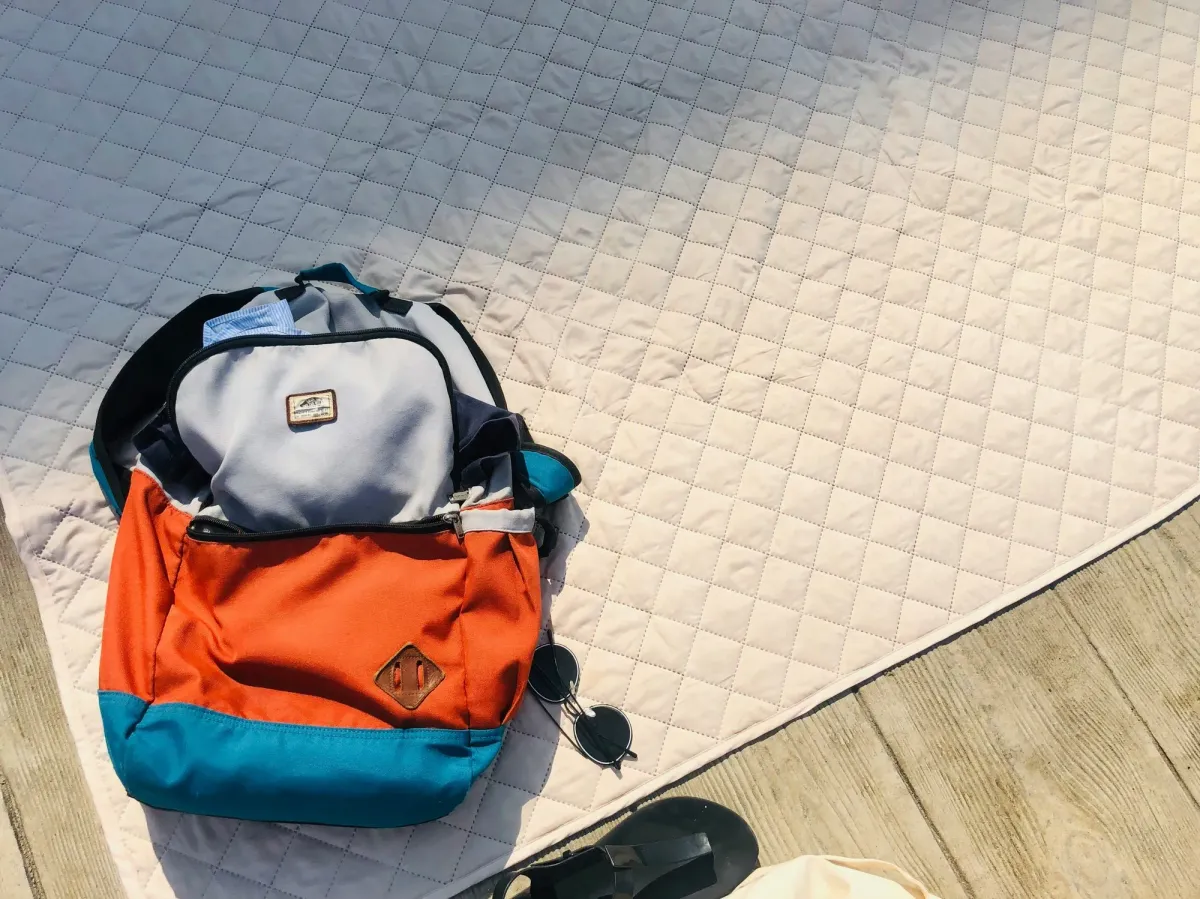
Important nuance: changing clothes in the restroom
Many travelers plan to completely change clothes on the plane before landing. 'Once we approach Malé, I'll go to the restroom and put on shorts.' Why this is a bad idea:
- Airplane restrooms are cramped and, by the end of the flight, often not the cleanest. Changing clothes there is extremely inconvenient.
- Queues. Huge queues form for the restrooms 30-40 minutes before landing.
- Cabin climate. Even during descent, the air conditioning is running in the cabin. By exposing yourself, you risk catching a cold 15 minutes before your vacation.
The best strategy is to remove warm layers (jacket, socks) on the plane, and change into shorts and sandals at the arrival airport after collecting your luggage. Most resort airports have spacious and clean changing rooms in the baggage claim area or right at the exit.
When planning your winter escape, remember: comfort on the road is key to ensuring your vacation starts from the first minute of your flight, not after a long recovery at the hotel. For example, simply buying tickets from Moscow to Dubai, dressing correctly according to the 'cabbage' principle, and even a six-hour flight will pass unnoticed.
Have a pleasant journey and a smooth landing!