Entry Rules for Russians to Turkey
Endless markets, cats, and orange juice flowing like a river — everyone should experience the unique atmosphere of Turkey at least once. Everything you need to know about the rules for entering Turkey in 2024 is in our article.
Do Russians need a visa for Turkey?
For tourists from Russia, entry to the republic is visa-free. What better reason to quickly grab flights to Turkey?
Another pleasant thing: Russian tourists are allowed to stay in Turkey for up to 90 days without a visa. You'll have time to visit not only popular locations but also explore natural areas and authentic Turkish villages.
The only nuance: you cannot stay all 90 days consecutively, but you can stay in the country for 60 days, leave, and re-enter for another 30. It's best to comply with immigration laws, otherwise, you face a fine or even deportation and an entry ban. The fine amount depends on how many days you overstayed, but even here, it's individual: they might fine you 200 lira for a week's overstay, or 200 lira for a day.
Entry Documents
The list of documents for entering Turkey is quite minimalistic. Essentially, for this country, you only need a foreign passport valid for at least 120 days from the date of entry.
Here, as in other places, coronavirus has already been forgotten: all COVID restrictions were lifted last summer, so you won't have to carry a vaccination certificate or frantically search for a place to take a rapid test.
However, we still advise you to think about your health and get medical insurance: prices for tourists in local hospitals are ten times higher. But with a policy, you can get an appointment at a reasonable price and undergo examinations like X-rays.
Rules for Entering Turkey with a Child
Children under 14 can travel without a foreign passport, but they must be entered into a parent's passport: their photo must be there, and a stamp must be present. The child must travel with the adult whose passport they are included in.
If a child travels with a legal guardian, you don't need to worry about documents at all. Only if you have different surnames — then it's better to bring a birth certificate. But if the child needs to travel alone or with a grandmother, aunt, coach, or teacher, you will need to obtain a notarized consent for departure.
If the child is over 14, their own separate foreign passport will definitely be required.
Coronavirus Restrictions
All COVID restrictions in Turkey have been canceled since June 1, 2022. There's no need to go through seven circles of PCR tests, wonder which vaccine is accepted here, or how to show a QR code or health certificate.
Previously, tourists had to fill out an online form to get a HES code on the Turkish Ministry of Health website — now that's no longer necessary either. A passport is sufficient for entry.
Transit through Turkey
It's super convenient to fly transit through Turkey, rather than any other country. No visa needed, no PCR needed, the climate is mild, and planes fly to a huge number of destinations. Feel free to take Moscow — Istanbul flights as the first leg of your journey and go on to conquer Europe, Asia, or America — you can fly anywhere from Istanbul. We recommend monitoring European low-cost carriers: you can get to Milan or London cheaply.
Cards and Money
Visa and Mastercard issued in Russia do not work in Turkey, as in the rest of the world, due to sanctions. MIR cards also stopped working in September.
You have three options:
1. Bring cash in dollars or euros and exchange it for lira.
We don't recommend doing this at the airport — the exchange rate will not be in your favor. It's best to go to a bank or an exchange office. In some tourist locations, they might accept payment in dollars, but at a very unfavorable rate.
2. Bring a Visa or Mastercard issued in Kazakhstan or somewhere else where there are no sanctions.
If you were lucky enough to get a foreign card before your trip to Turkey, you can use it during your travels — everything works perfectly.
3. If you are staying for a long time, get a Turkish card upon arrival and use it.
To open an account in a Turkish bank, you need:
• foreign passport;
• Russian passport with a certified translation;
• Turkish tax ID (INN);
• sometimes a Russian tax ID (INN) is requested;
• Turkish and Russian SIM cards;
• deposit money.
Cards are opened for foreigners only on the condition of making a deposit, which must remain on the card for a month. Its size changes every time and depends not even on the bank, but on the branch and the manager. The amount varies from 10 thousand lira to 10 thousand dollars. If you don't like the terms, try another branch or come on a different day.
Tip: In Turkey, you can even bargain at banks. If they quote you an exorbitant amount like 10 thousand dollars, try to negotiate for less. If it doesn't work, go to another bank.
Things to Do in Turkey
You can spend your time in Turkey in various ways: go shopping in a metropolis or reconnect with nature by the sea. The plan of action depends on your desires and capabilities.
If you're flying with a layover through Istanbul, you can make the most of your stopover and get to know the city in one day. You definitely won't be bored: here you'll find mosques, bustling tourist streets, boat trips, and even locations from Turkish TV series. Moreover, Istanbul is a city located on two continents at once. The Bosphorus divides the territory into Europe and Asia: the left side of the city is European and touristy, the right side is Asian and hipster.
If you've come for a longer stay, and especially if you've already been to Turkey's coast or Istanbul, we recommend exploring lesser-known places. Just a short drive from the tourist centers, the country reveals itself from a completely different perspective.
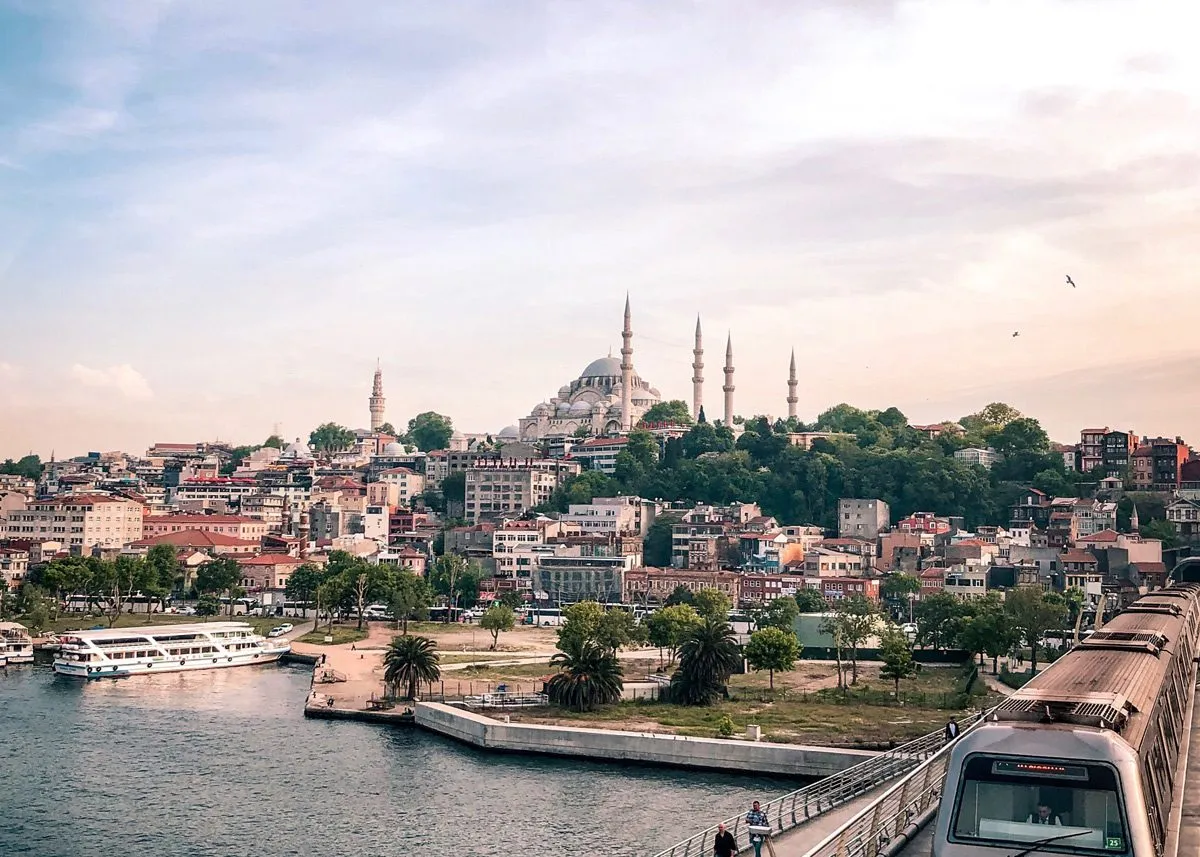
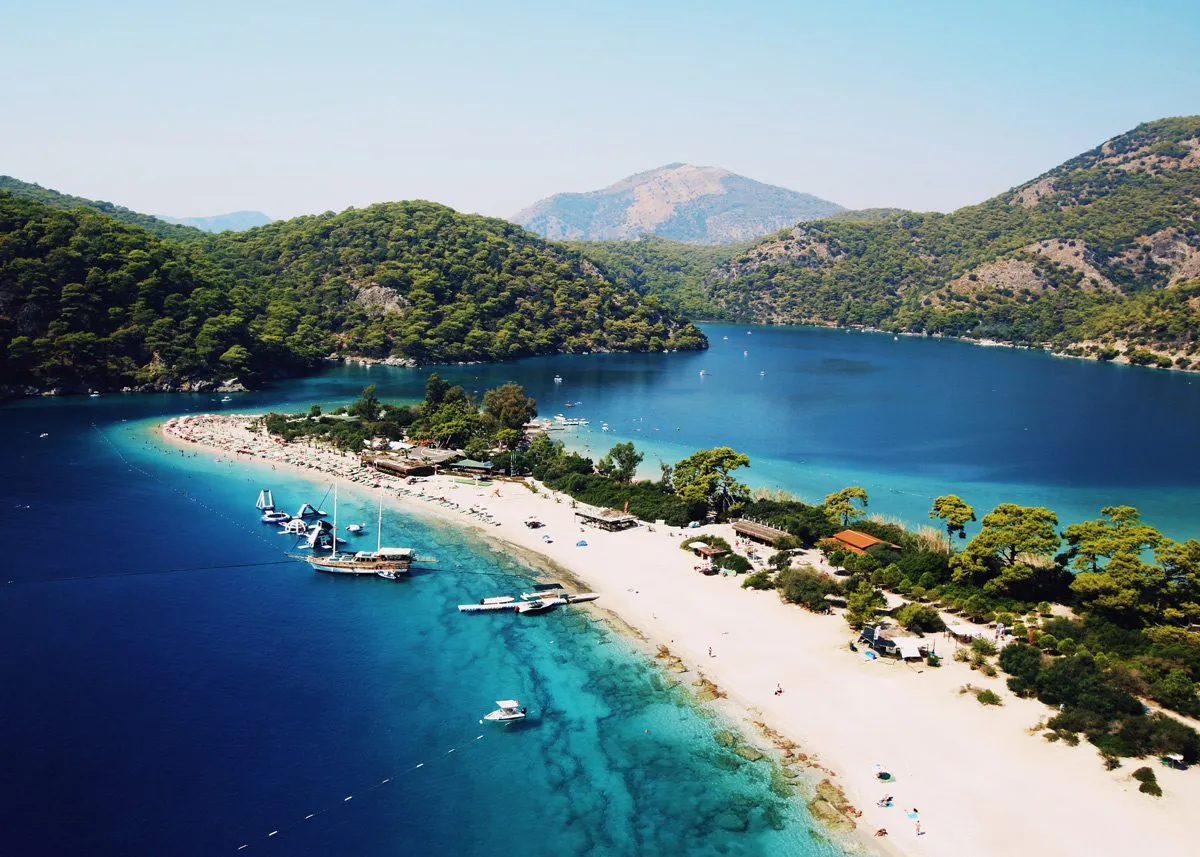
If all the all-inclusive resorts in Antalya have been explored, but you still crave a seaside vacation, head to Fethiye — a region of Turkey with turquoise waters and beaches dotted with hotels. The scene is roughly as follows: water like the Maldives, yachts everywhere, lots of Europeans. A special kind of beauty is the Blue Lagoon and the white sandy beach in Ölüdeniz, a resort village 15 km from Fethiye. The area also has plenty of historical ruins and even an entire ghost town, Kayaköy, which Greek residents abandoned a hundred years ago. You can reach it on foot via the Lycian Way.

And if you want to immerse yourself in the country and see Turkey from a non-touristy perspective, stay for good: at least to find out what it's like to celebrate New Year without snow, feast on fruits every day, pet street cats, and calmly watch series on Netflix.
And don't forget to subscribe to our Telegram channel! There you'll find: selections of cheap tickets, exclusive sales for subscribers, the most up-to-date news on entry rules for countries worldwide, and simply interesting travel content — travel hacks, guides, and expert advice.