Crete Itinerary for the Perfect Summer Getaway
 Yasya
YasyaA trip to Crete is an immersion into a world where time flows differently, and landscapes change every half hour. It's worth flying here for ancient ruins, sleepy coastal towns, and breathtaking picturesque beaches. It's an ideal destination for those seeking a balance between vibrant adventures and a peaceful holiday under the gentle Greek sun.
Looking at the map, it's easy to mistake it for just another Greek island, which can be driven around in a weekend. But in reality, it's a continent in miniature, stretching for 260 kilometers. So, a traveler's main mistake is trying to stay in one hotel and make multi-hour excursions. To see the entire island and not hate driving, we've put together a circular route that includes all the most iconic places from east to west.
Logistics Details
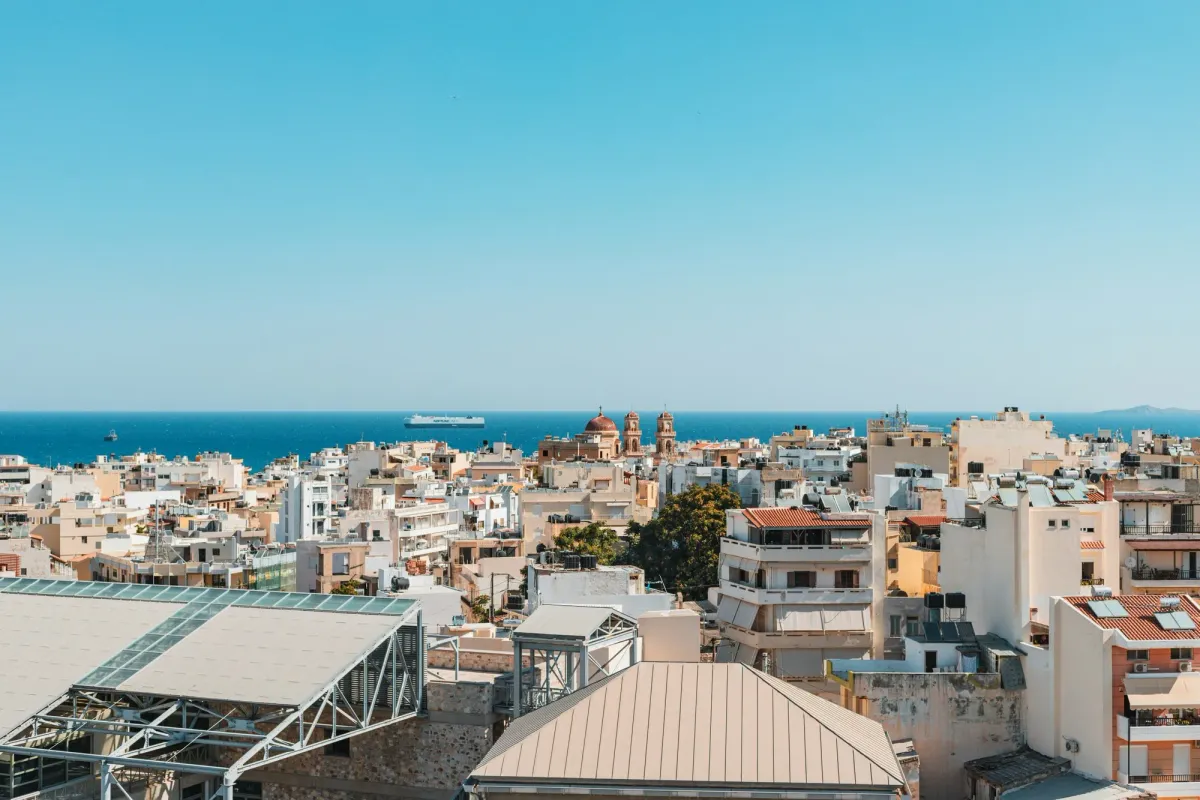
Heraklion, the administrative capital of the island, usually serves as the gateway to this world. To begin your immersion into antiquity, you need to buy tickets from Moscow to Heraklion. Under current conditions, flights usually involve a layover in major hubs such as Istanbul or Belgrade. Residents of the Northern Capital should also look for connecting tickets from St. Petersburg to Heraklion – this is the fastest and most logical way to the Cretan sun.
Pick up a car right at the airport – without it, you'll only see a small part of the beauty. Cretan roads (especially the National Road BOAK) are of good quality, but once you drive inland, winding roads begin. Therefore, choose a car with a reliable engine. And an important tip: get full insurance. Sharp stones are often found on mountain dirt roads, and curious goats, who love to jump on car hoods for a better view, are common in beach parking lots.
Heraklion
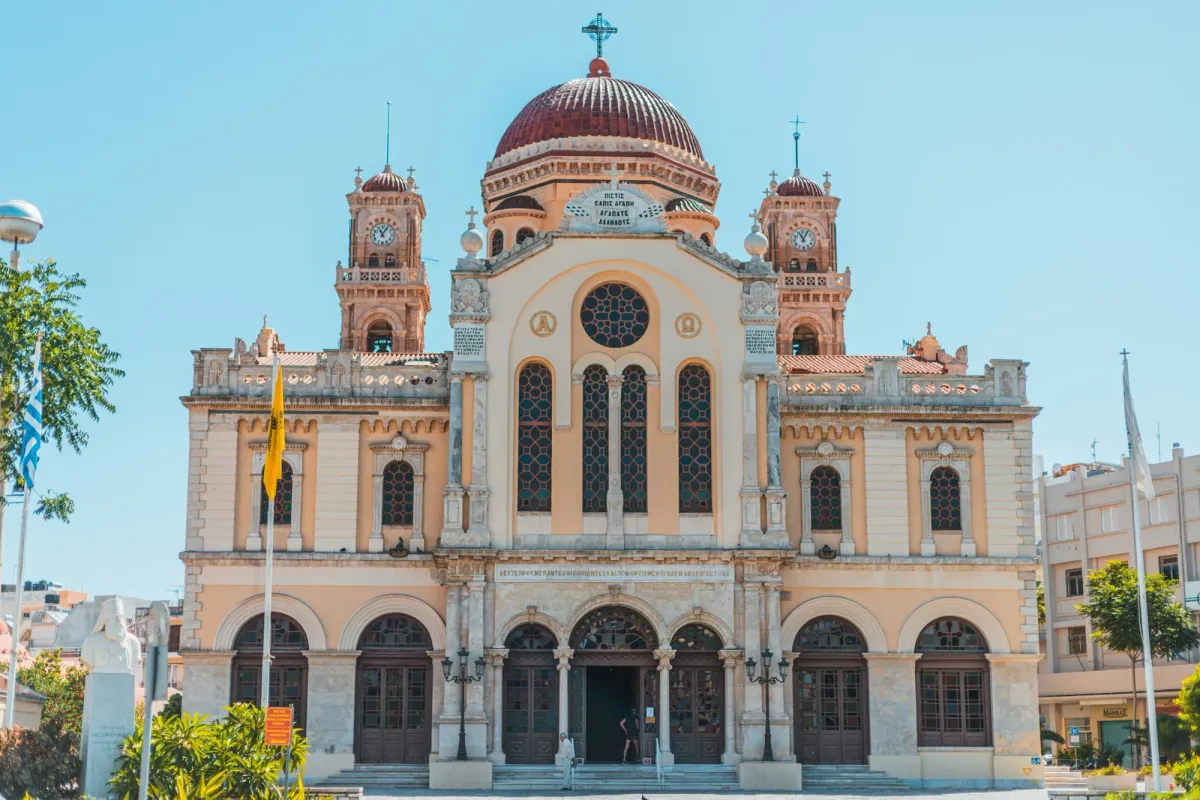
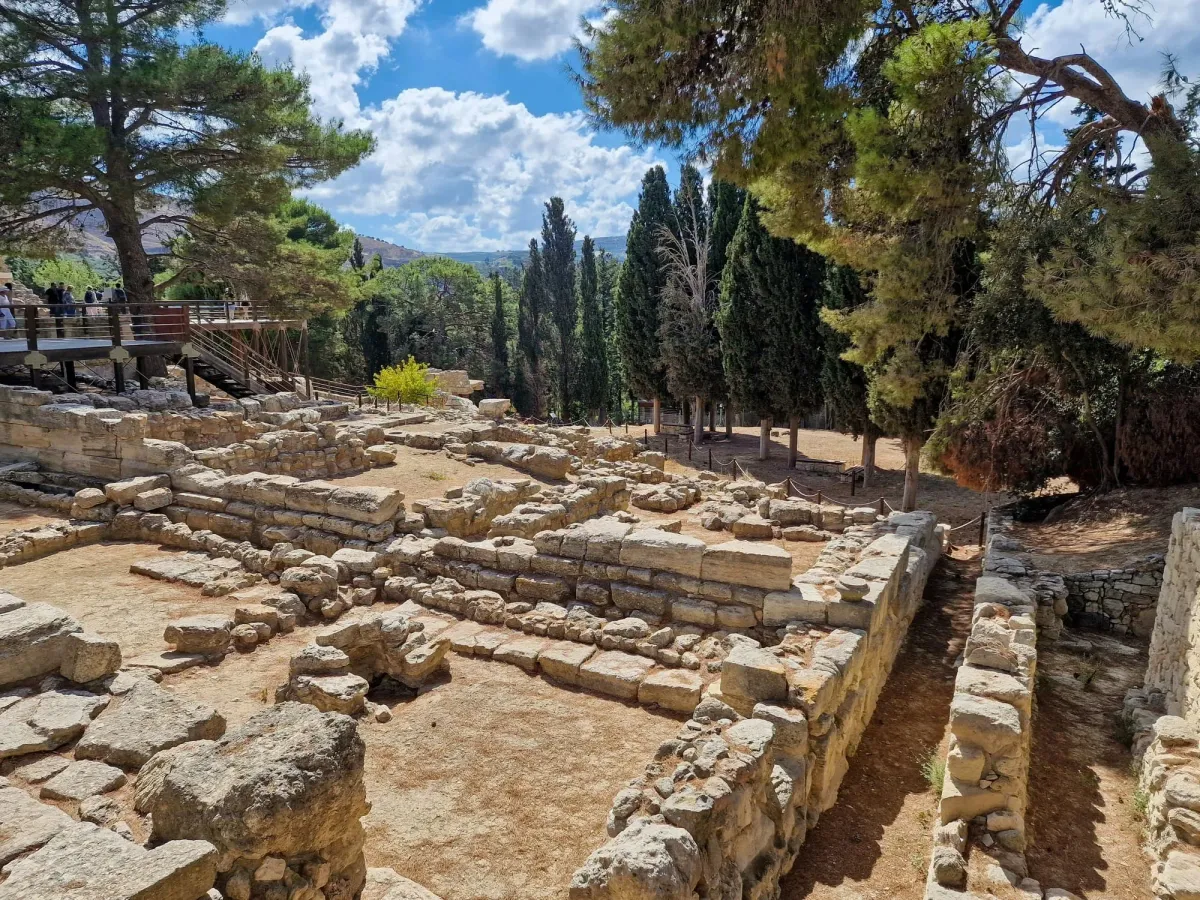
Many tourists leave the capital immediately, considering it too noisy. This is a mistake. It is here that the key to understanding European history lies – the Palace of Knossos. The secret to a successful visit is simple: be at the ticket office strictly at opening, by 8:00 AM. During these hours, the ruins of the ancient labyrinth, where Theseus legendarily defeated the Minotaur, are bathed in soft light. By 10 AM, a wave of tourist buses will arrive, and the magic of antiquity will disappear into the crowd.
After the palace, be sure to return to the center to visit the Archaeological Museum. This is important because at the excavations you only saw copies of frescoes, while the originals – the famous “Parisienne” and “Bull-Leaping” – are kept right here. Before leaving, try “bougatsa” by the Lions' Fountain – a layered pastry with the most delicate cream, sprinkled with sugar and cinnamon.
Agios Nikolaos
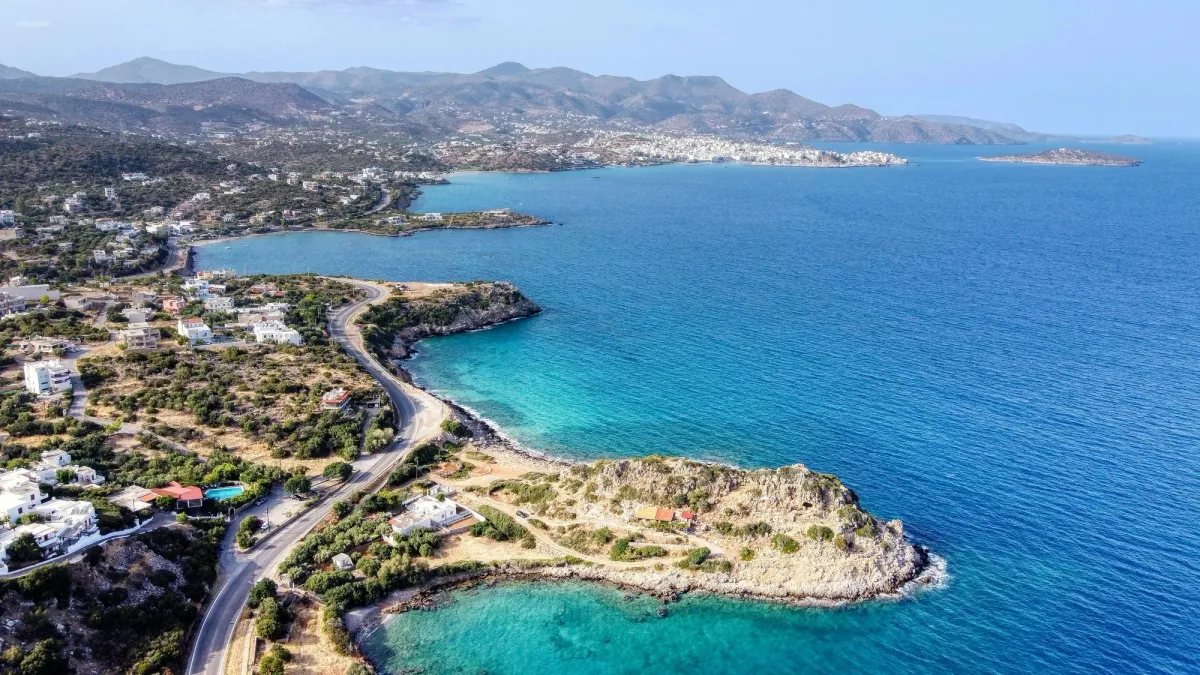
From Heraklion, we head east, towards the town of Agios Nikolaos. This is arguably the most picturesque town in Crete, built around the bottomless Lake Voulismeni, which connects to the sea by a narrow canal. The atmosphere of the Italian Riviera prevails here: expensive yachts, cozy cafes, and a leisurely pace of life.
But the main attraction of the east is located slightly further north – Spinalonga island. A Venetian fortress that became Europe's last leper colony in the 20th century. The best way to get there is by boat from the village of Plaka (it's faster and cheaper than from touristy Elounda). A walk through the empty streets of the ghost town leaves a poignant impression: here, the tragedy of human fates intertwines with the incredible beauty of the sea.
Matala
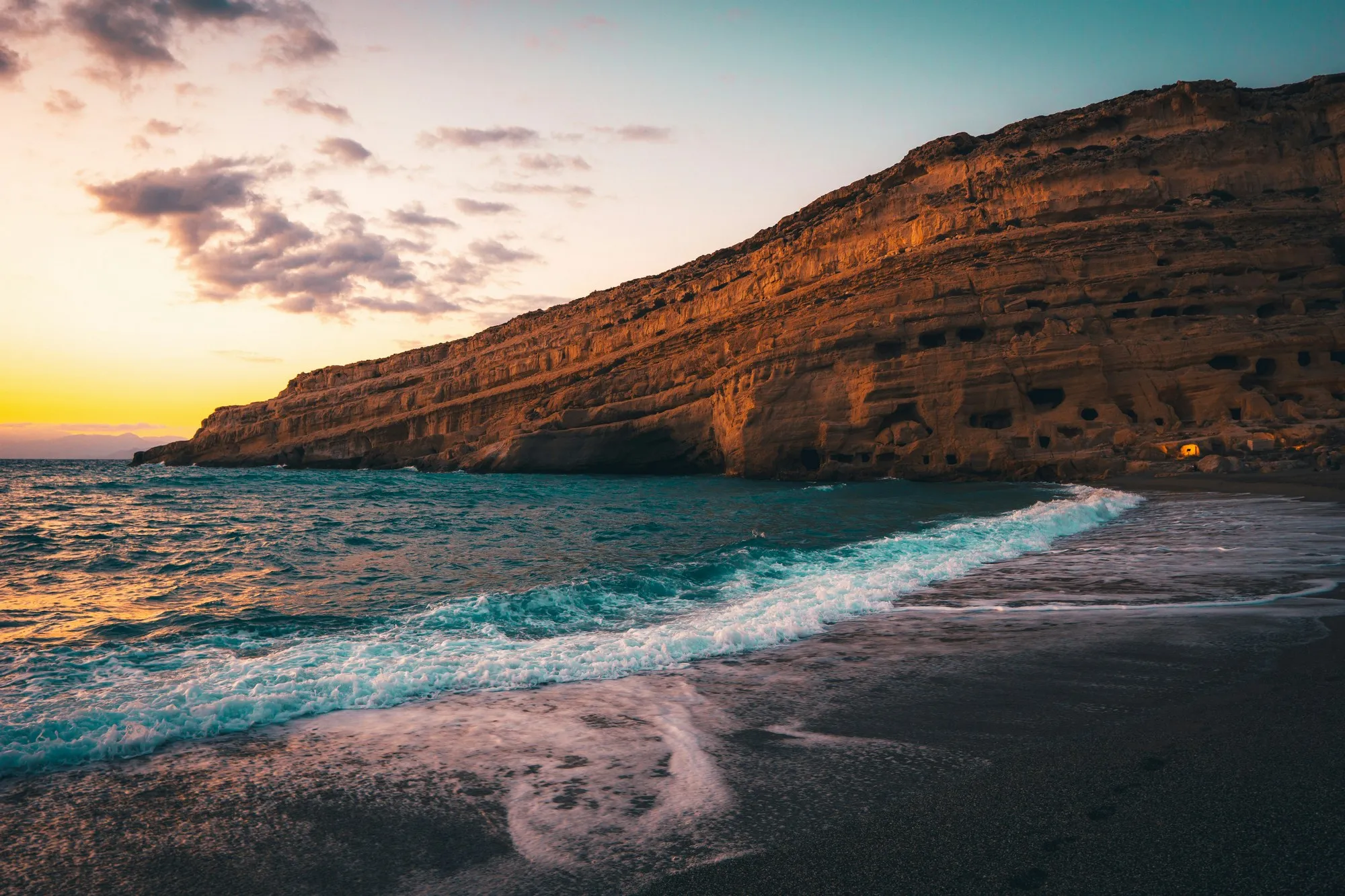
We turn south, towards the Libyan Sea. Our destination is Matala. In the 60s, this beach was favored by hippies from all over the world, including Bob Dylan and Joni Mitchell. They lived directly in ancient Roman caves, carved into the soft sandstone cliffs overlooking the bay.
Today, the caves are open for visitors (for a symbolic fee), and the village itself has retained its “Flower Power” atmosphere: painted asphalt, old hippie buses, and relaxed music in the bars. Not far from here is the Palace of Phaistos – Knossos's “younger brother”. It is less publicized but more authentic: there are no concrete reconstructions here, only genuine stones and silence, broken only by the singing of cicadas.
Rethymno
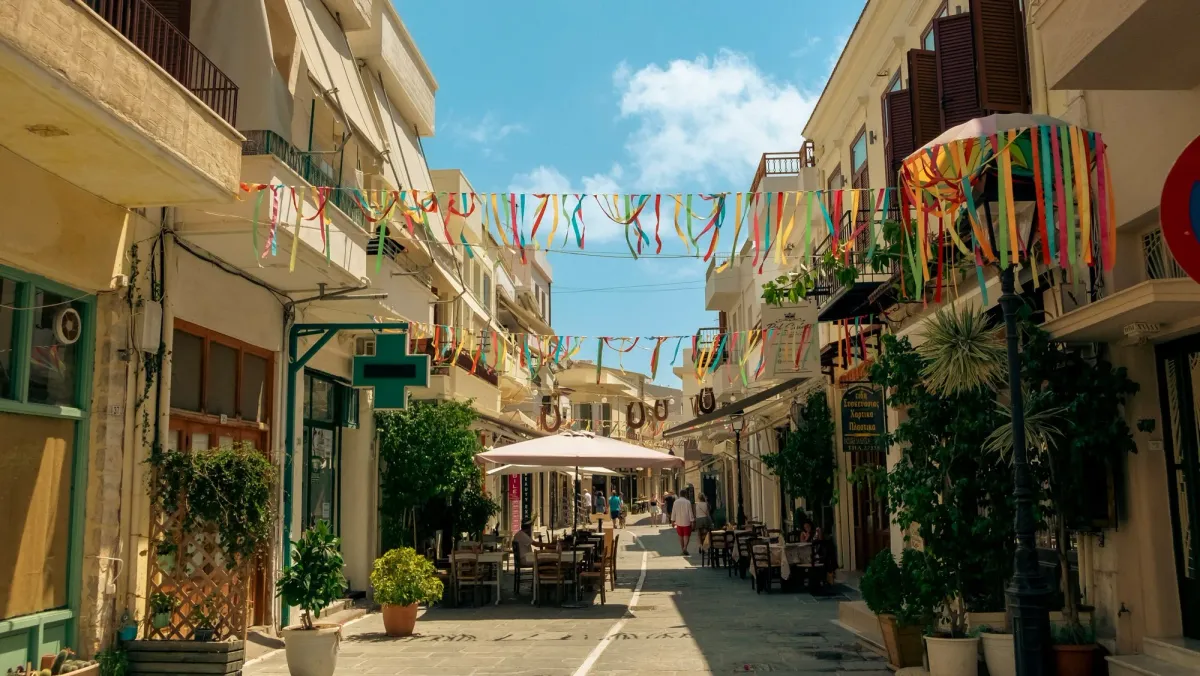
We move to the central part of the island – Rethymno. This is a city with an artist's soul: Venetian portals coexist with Turkish balconies, and alleys are awash with bougainvillea flowers.
From Rethymno, we make an excursion through the majestic Kourtaliotiko Gorge. Be sure to stop at the bottom of the canyon: descending the steps to the Church of Saint Nicholas, you will see waterfalls gushing directly from the rocks. The final point of the day is Preveli Beach. Here, a mountain river flows into the sea, and the banks are overgrown with rare date palms. The landscape here is absolutely not Greek, but rather African.
Lake Kournas
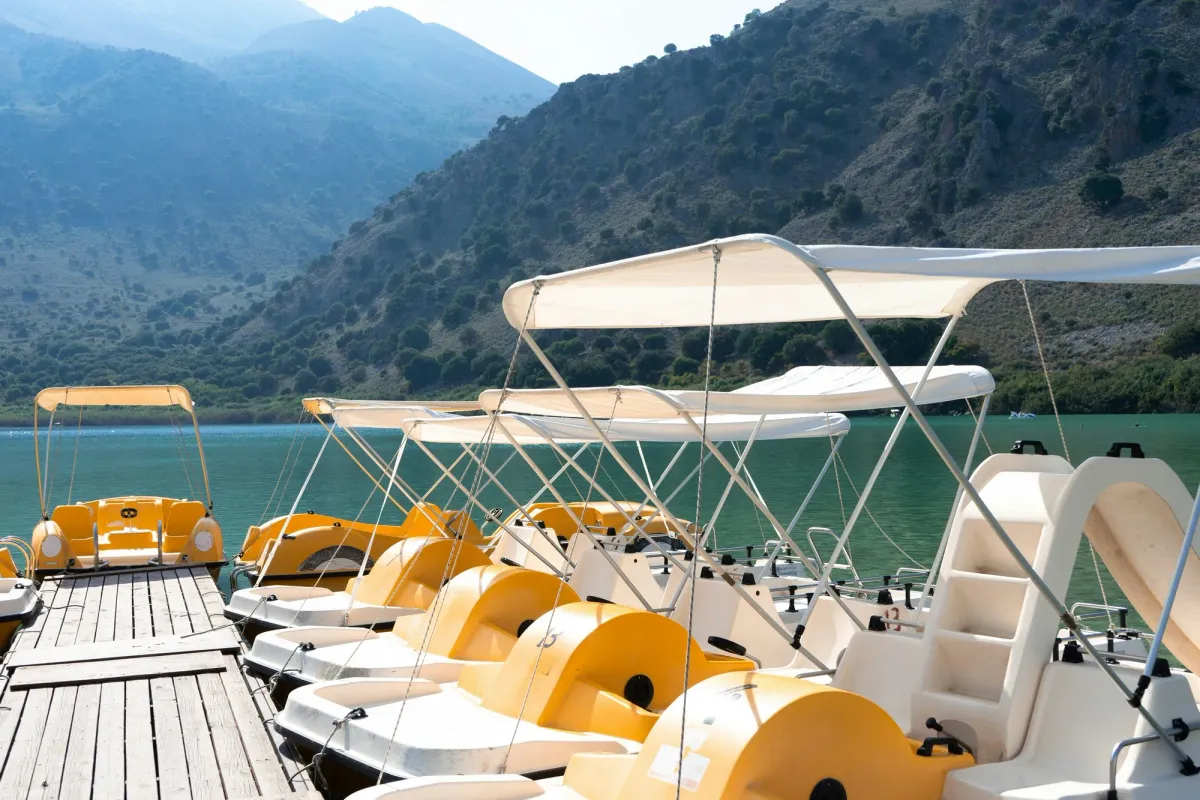
Moving further west, make a stop at Lake Kournas. This is the island's only freshwater lake, surrounded by mountains. The water here changes color from turquoise to dark blue. The main activity is to rent a pedal boat and paddle to the far shore. If you're lucky and quiet, you'll see small freshwater turtles basking on the rocks or peeking out of the water.
Chania
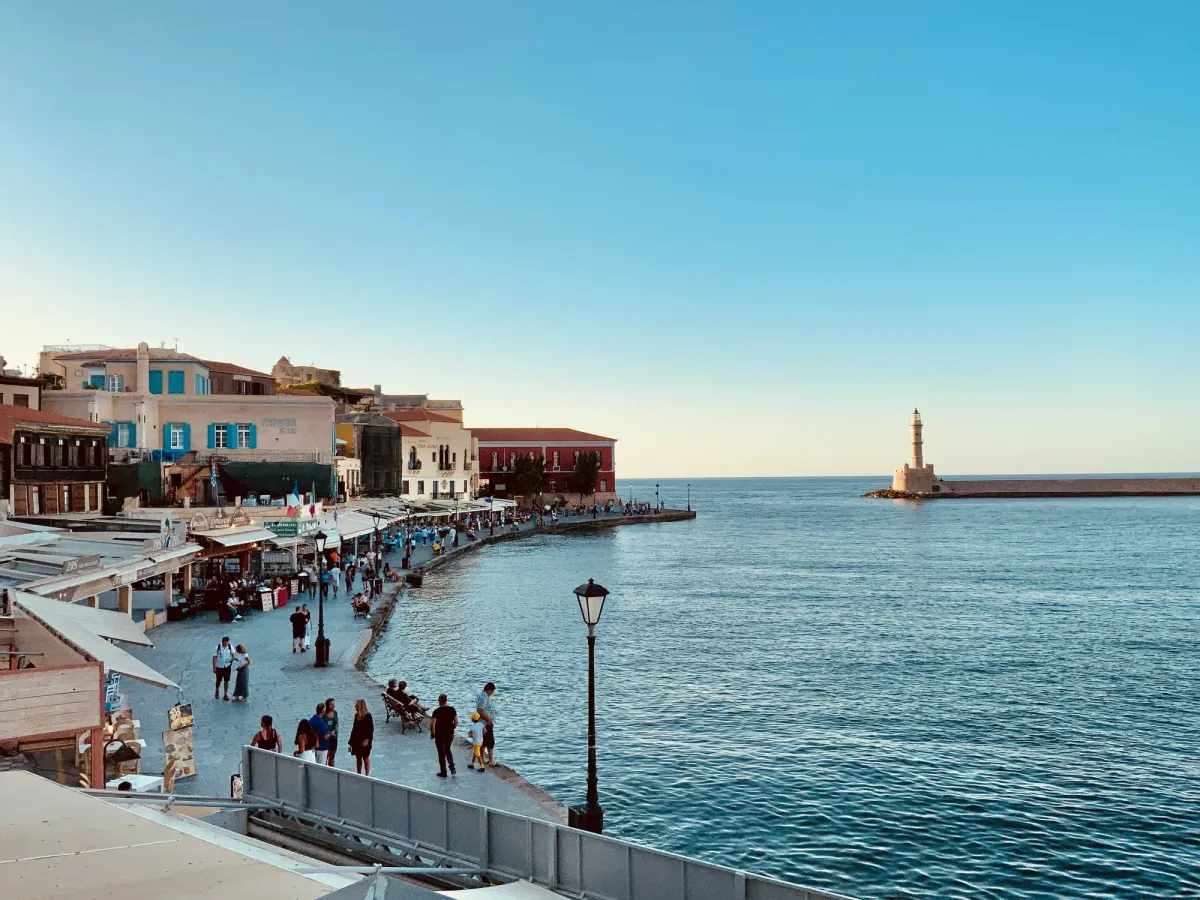
The final base is the Chania region. The city itself, with its Egyptian lighthouse and old port, is so photogenic that your phone's memory will fill up instantly. It is from here that you gain access to Crete's main natural “postcards”.
Firstly, there's Balos Lagoon – a place where three seas merge, and the water shimmers with dozens of shades of azure. You can get there by boat from Kissamos (comfortable) or by car on a challenging dirt road (extreme, but with a fantastic view from above).
Secondly, Elafonisi Beach with its famous pink sand. To avoid the crowds, walk 20 minutes to the neighboring wild beach of Kedrodasos. There are no sun loungers there, but there are dunes, a relict juniper forest, and absolute solitude.
The Taste of Crete
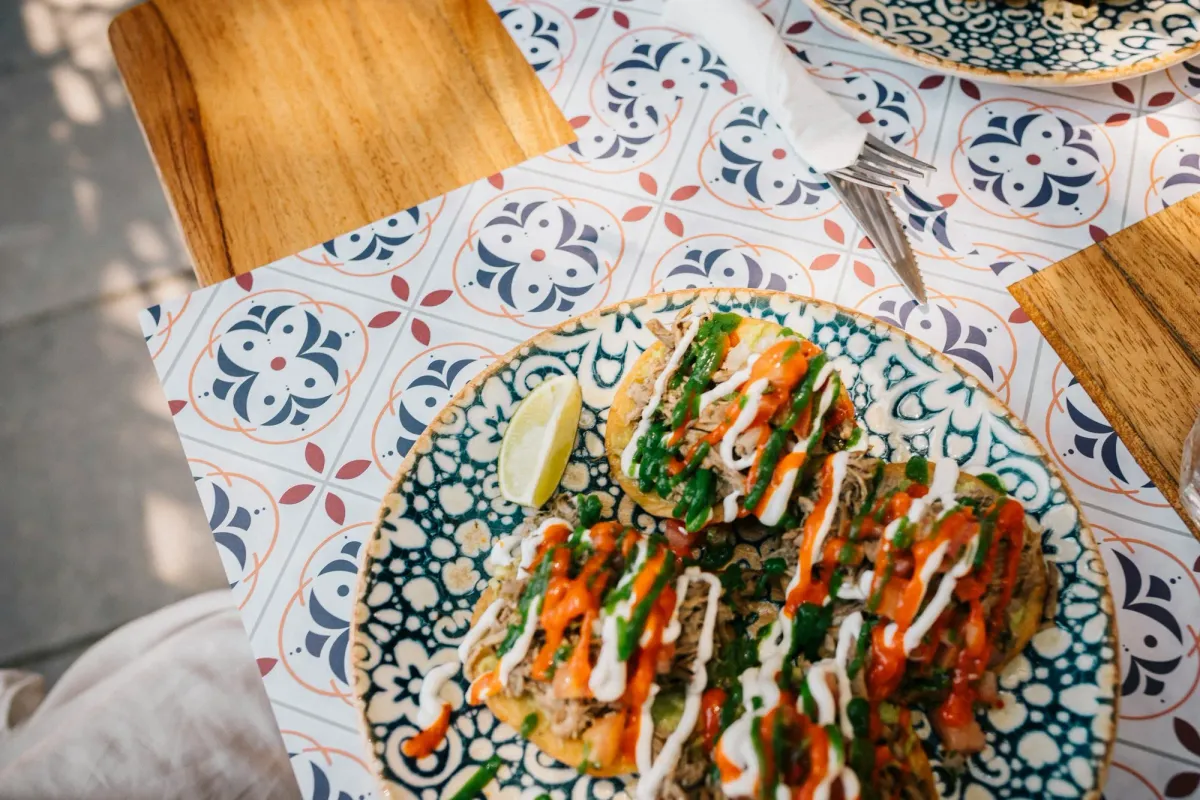
Gastronomy is a separate adventure. Forget about “Greek salad”; order “dakos” – barley rusk with tomatoes and soft cheese. Meat lovers should try “kleftiko” – “stolen lamb meat” that simmers in the oven for hours.
And remember the main tradition: in any tavern after dinner, you will be brought a “compliment” – a small carafe of ice-cold raki (grape brandy) and fruits. Don't refuse, even if you don't drink – just take a sip as a sign of respect. It is at this moment that you will feel the true soul of Crete.