Coronavirus and tourism: how to travel during an epidemic
Despite the coronavirus being talked about everywhere, many travelers still aren't staying put. While there aren't any serious border closures, if anything stops them, it's only the traveler's personal fear of getting infected. We won't persuade you to go or not to go somewhere, but simply tell you how to maximize your safety during your trip.
Precautions
Any public place is a breeding ground for infection. After all, a person might not even know they are already sick. Therefore, you should start taking safety measures as soon as you leave home, in case your neighbor just returned from Italy or another country where COVID-19 outbreaks were detected. But this doesn't mean it's time to put on a mask and glasses (just take a mask with you; we'll explain why below).
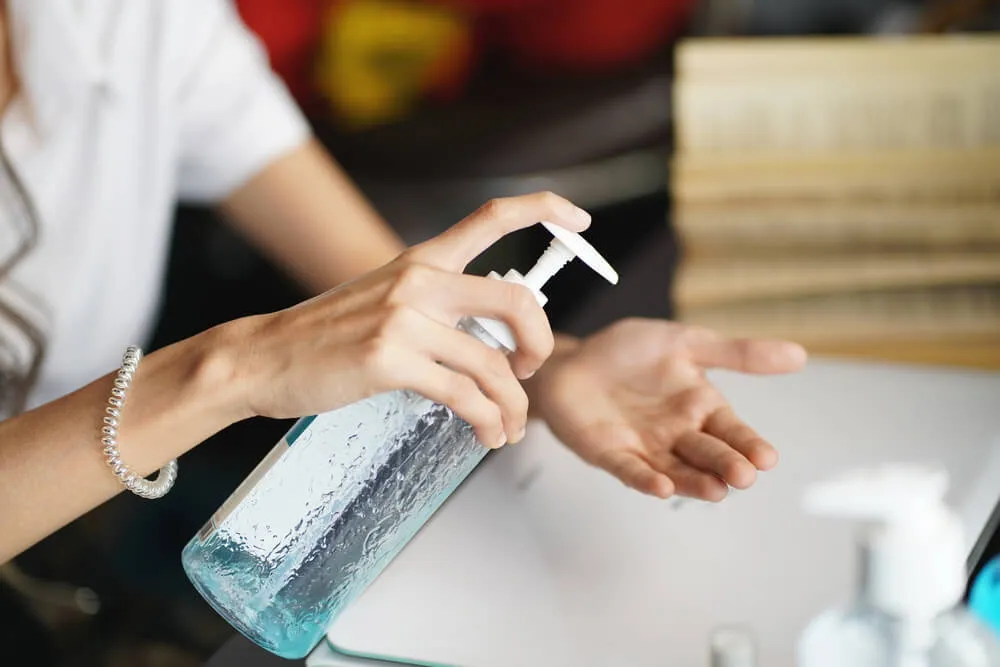
What WHO recommends:
- Wash your hands with soap as often as possible, especially in public places.
- If you can't wash your hands, use hand sanitizers with at least 60% alcohol. These can be gels or sprays, available in any pharmacy or cosmetic store.
- Try not to touch your nose, mouth, and eyes with unwashed hands.
- Since the virus is transmitted through airborne droplets and fluids, stay away from people who are sneezing and coughing.
- Do not eat or drink from other people's dishes.
- Carry disinfectants with you (like an antiseptic spray). They will be useful for wiping armrests on a plane, for example.
- If you are going to cough or sneeze, use disposable tissues or – if none are available – do so into the crook of your elbow.
What to take with you on a trip
Hand sanitizer. If you're flying with carry-on luggage, make sure the bottle volume is no more than 100 ml. A larger bottle can go in checked luggage.
Prescription medications. If you get stuck in quarantine or at the airport, you should have a supply of necessary medications. And don't forget the prescriptions for them, otherwise they will be confiscated at customs.
First-aid kit. In addition to necessary medications, take standard ones (fever reducers, for allergies, runny nose, sore throat, diarrhea, if needed). We recommend taking a thermometer too, but not a mercury one.
How to stay safe on a plane
Since security measures have been enhanced in many airports, and passengers' temperatures are being checked during screening, there is a possibility that a sick person simply won't be allowed on board. However, the incubation period for infection is 5 to 14 days. This means a person can carry the virus without knowing it, and a temperature check won't show anything at this stage. What then? Are we all going to die? No.
So:
- During check-in, try to choose a seat in the front rows, as there is less traffic during the flight and it's generally calmer. Activity usually starts from the middle to the back of the plane (where the restroom is).
- Choose a window seat. Statistics show that on short and medium-haul flights, 38% of passengers do not leave their seats because they are by the window. Most often, the people running around the cabin are those sitting in the aisle.
- If you hear someone coughing, see how far away that person is. The further away they are, the safer you are.
- Remember we talked about a mask you could take with you? Its time has come. If someone coughing is sitting next to you, politely offer them your mask; in the context of such an epidemic, this seems normal.
- Direct the airflow towards yourself, and if possible, make it cooler. This air is purified, so it's better to breathe it.
- Wipe down tray tables and armrests with antibacterial wipes, or spray them with sanitizer.
- If possible, also wipe down the surface of your suitcase/bag and electronic devices you frequently hold with sanitizer.
Remember: masks are for those who are already carriers of the disease. This applies not only to coronavirus but to any respiratory illness.
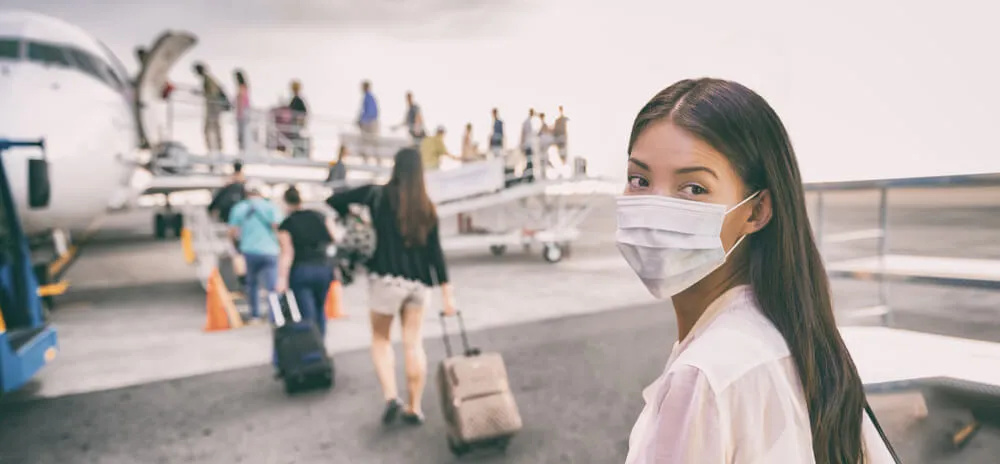
How to behave at the airport
Due to all these checks, a lot of time is spent on screening. Keep this in mind and arrive an hour before your usual airport arrival time. Be understanding of all security measures, don't grumble or get nervous, as you'll only delay the queue.
Also, try to avoid large groups of people. Yes, it's a bit difficult at the airport, but you can always find a secluded spot. Keep hand sanitizer ready, especially after security screening and passport control. It makes sense to wipe your passport with sanitizer; who knows how many passports the border guard touched before yours.
If you already have a common cold but still decided to travel, think again if it's worth it. Losing money on a trip is not as important as your health. And if your temperature rises on the way to the airport, there's a chance you won't be allowed on the flight at all. They might also drag you into various rooms and make you answer questions. So, if you caught a cold the day before your flight, it's better to cancel the trip.
Our Telegram channel also has useful and relevant information. We talk about places you immediately want to fly to, publish cheap tickets, share news and life hacks. Welcome!