How to avoid food poisoning on vacation
 Polina
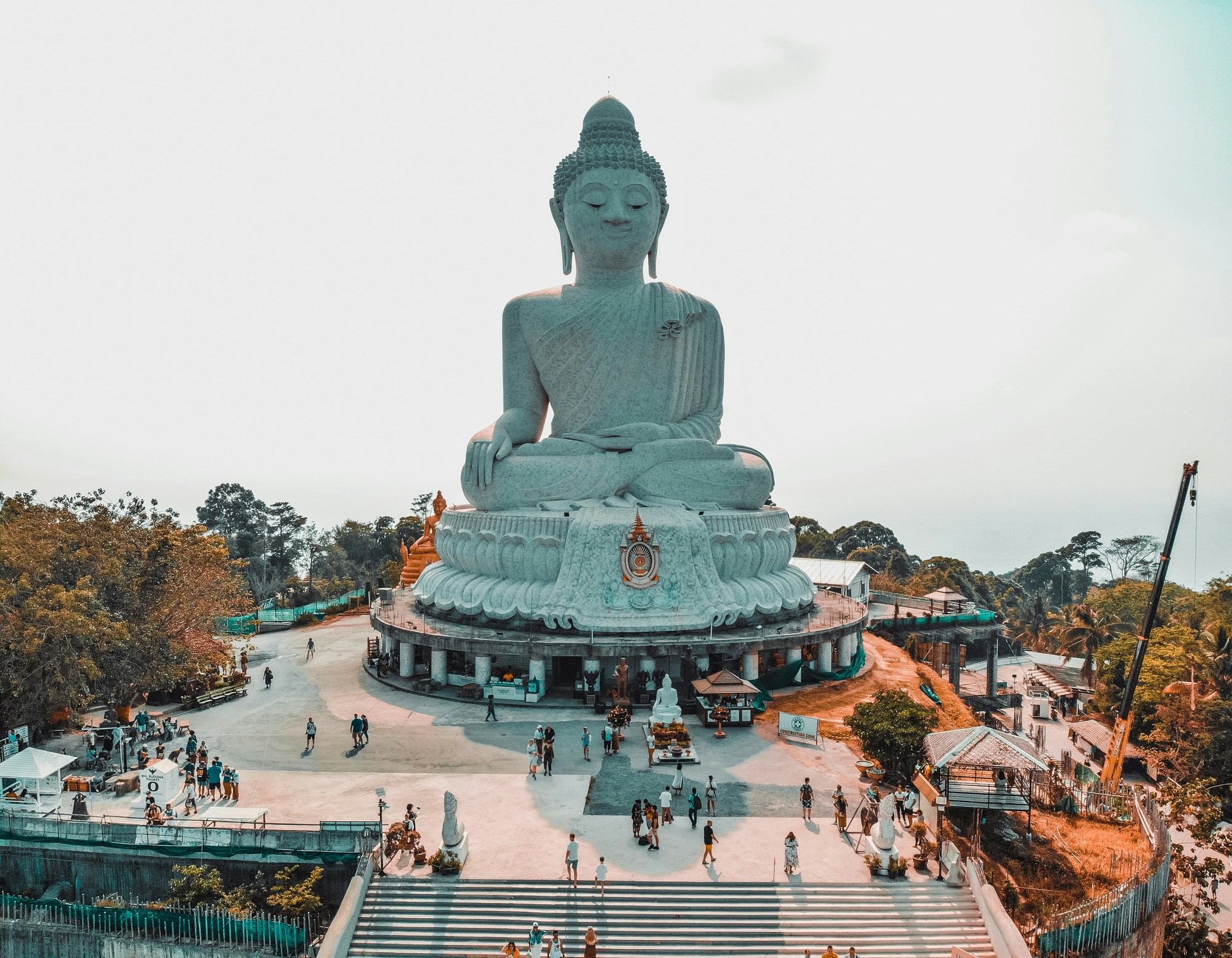
Imagine: a long-awaited vacation, you've already managed to buy tickets to Bangkok on Kupi.com, arrived, checked into your hotel, and are ready to dive headfirst into the local culture. And its most important part is, of course, food. Juicy exotic fruits, aromatic street food, unusual delicacies... But sometimes this gastronomic adventure can end up quite differently than planned, and overshadow the entire vacation.
Food poisoning is one of the most common problems tourists face. But the good news is that in 90% of cases, it can be prevented. We have compiled a complete guide on how to avoid food poisoning while traveling and what to do if it still happens.

Prevention is the best medicine
Remembering these simple rules means protecting your vacation from the most unpleasant scenarios.
Water – a source of life (and problems)
The golden rule for travelers, especially in countries in Asia, Africa, and Latin America: do not drink tap water. Ever.
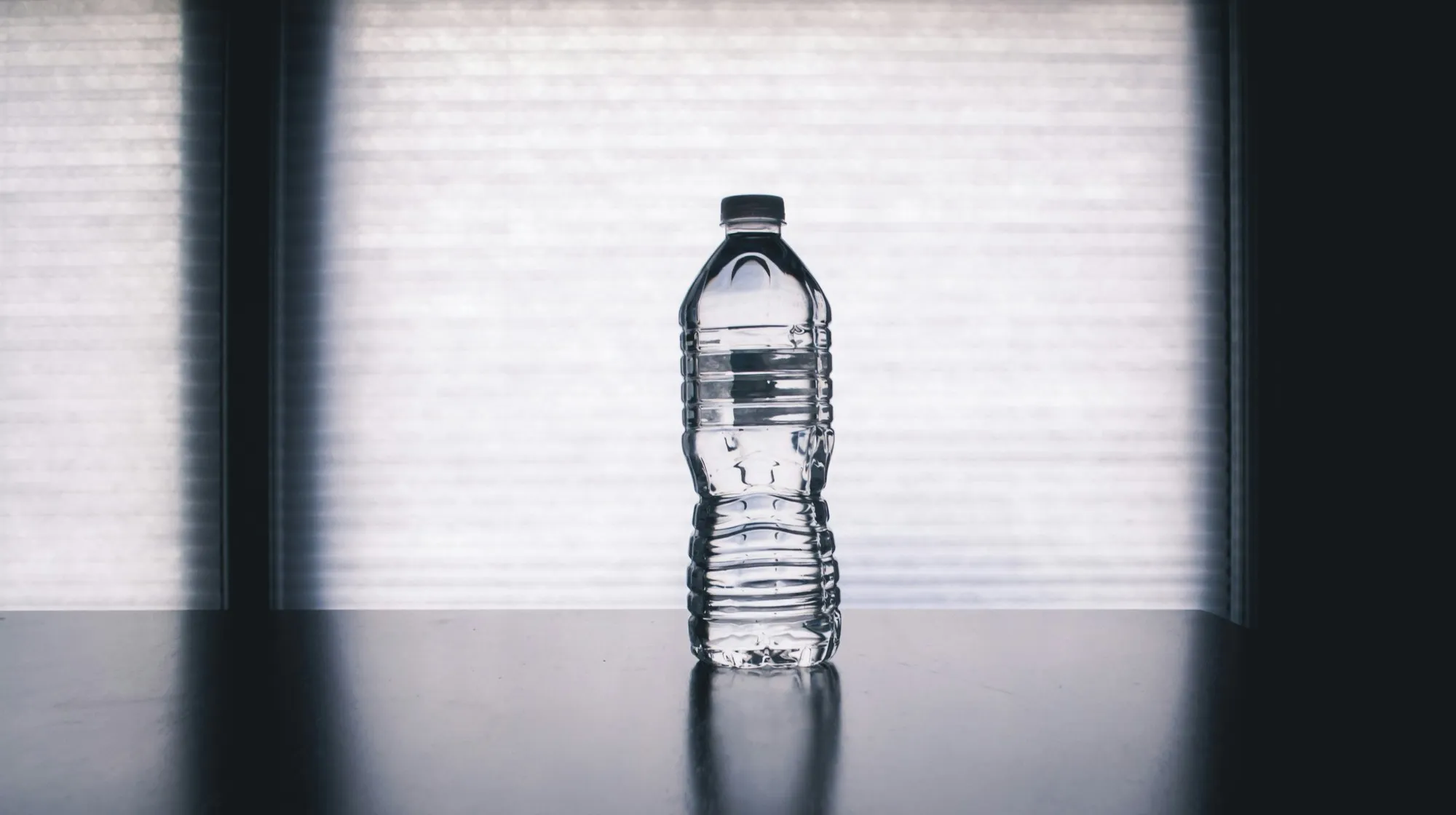
- Only bottled water. Buy water in sealed bottles from stores. Use it not only for drinking but also for brushing your teeth, washing fruits and vegetables.
- Be careful with ice. A romantic cocktail on the beach can turn into a disaster if the ice for it was frozen from tap water. In questionable places, it's better to ask for drinks without ice ("no ice, please").
- Boiling. If you have the opportunity (for example, in an apartment with a kitchen), boil water for at least one minute. This kills most dangerous microorganisms.
Hygiene above all else
"Dirty hands diseases" are not just a childhood scare. In new climatic conditions, your body is more vulnerable, so hygiene comes first.
- Wash your hands. As often as possible: before every meal, after using the restroom, after handling money.
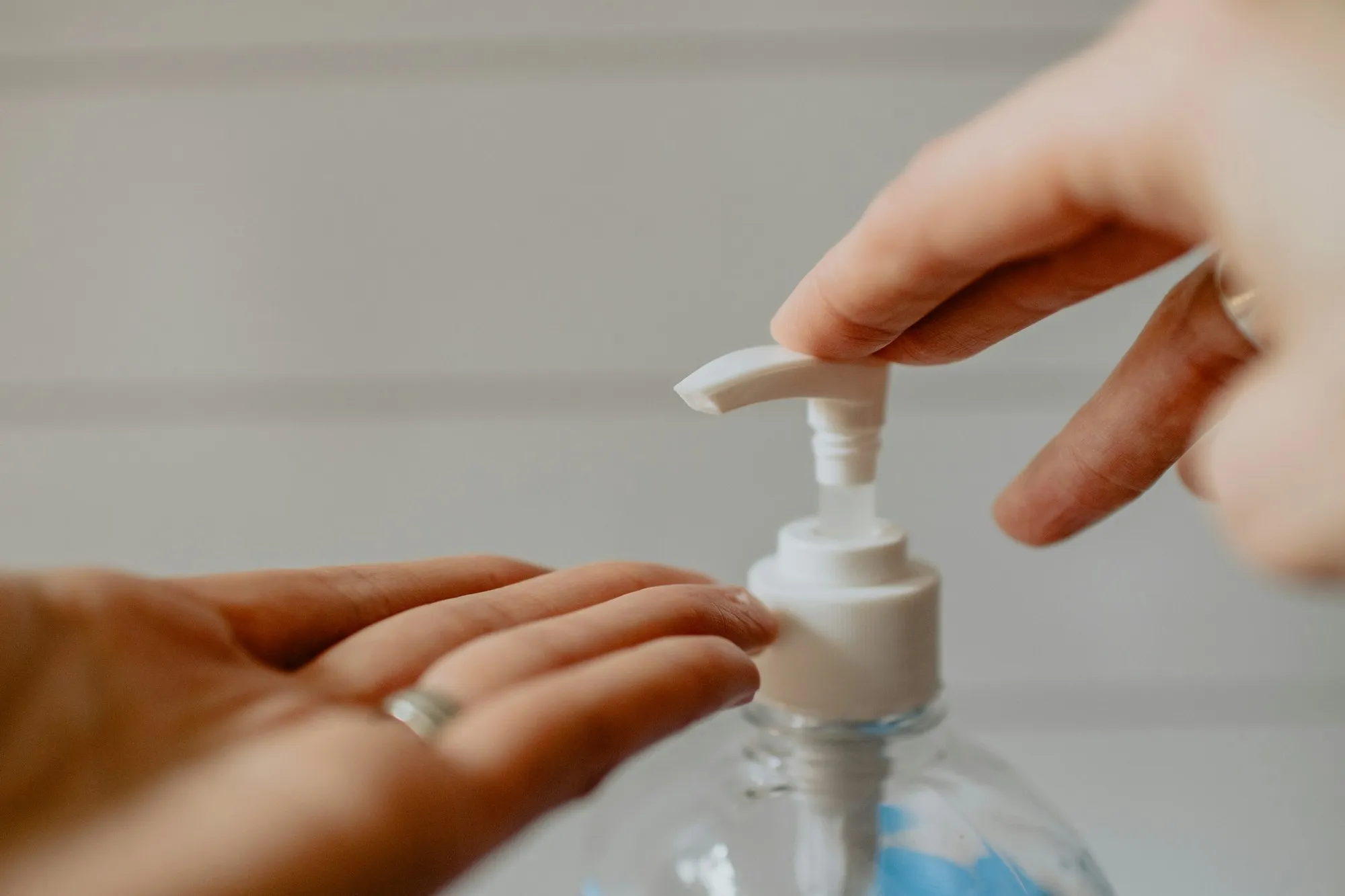
- Hand sanitizer is your best friend. Carry an alcohol-based hand sanitizer (at least 60%) and use it when you don't have access to soap and water. Also, wipe cutlery in street cafes with it.
Be careful with bathing water
Poisoning can occur not only through food and drink. Accidental swallowing of water while swimming is another common way for bacteria, viruses, and parasites to enter the body.
- Ocean and sea. Although salt water has antiseptic properties, it is not sterile. Special caution is needed on beaches located near large cities or river mouths. They can be contaminated with wastewater. Try to choose official, well-maintained beaches for swimming.
- Rivers, lakes, and ponds. Freshwater bodies, especially with stagnant water, are an ideal environment for bacterial growth. Try not to swallow water while swimming and avoid bodies of water with cloudy water, questionable odors, or those located near farms and pastures.
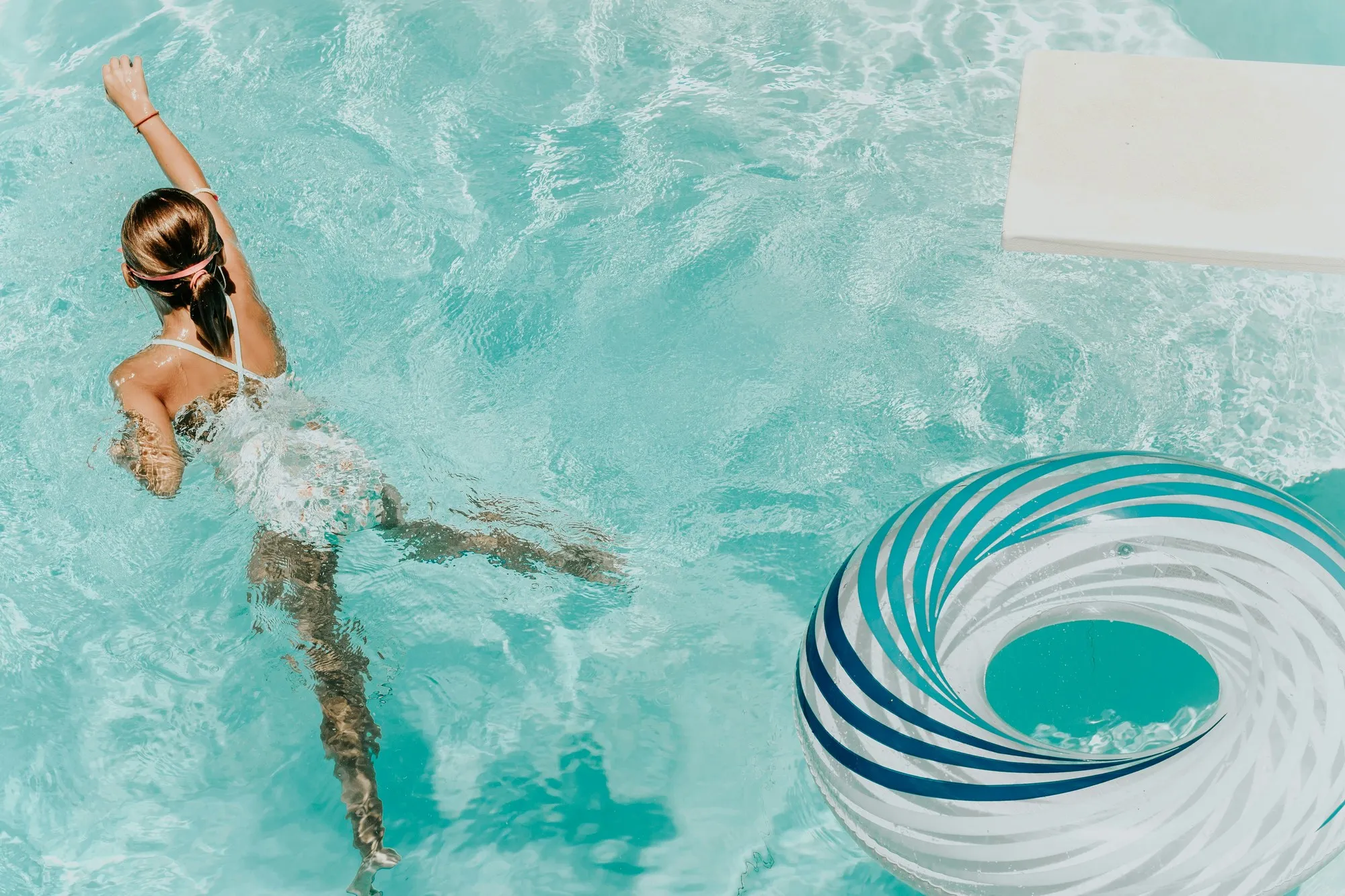
- Pools. Choose hotels with clean and well-maintained pools. If you doubt the cleanliness of the water, it's better to refrain from swimming.
The main advice is to try not to swallow water, no matter where you swim. And after swimming in any body of water, take a shower if possible.
The agony of choice: where and what to eat
Choosing a place for lunch or dinner is not a lottery, but a conscious decision on which your well-being depends.
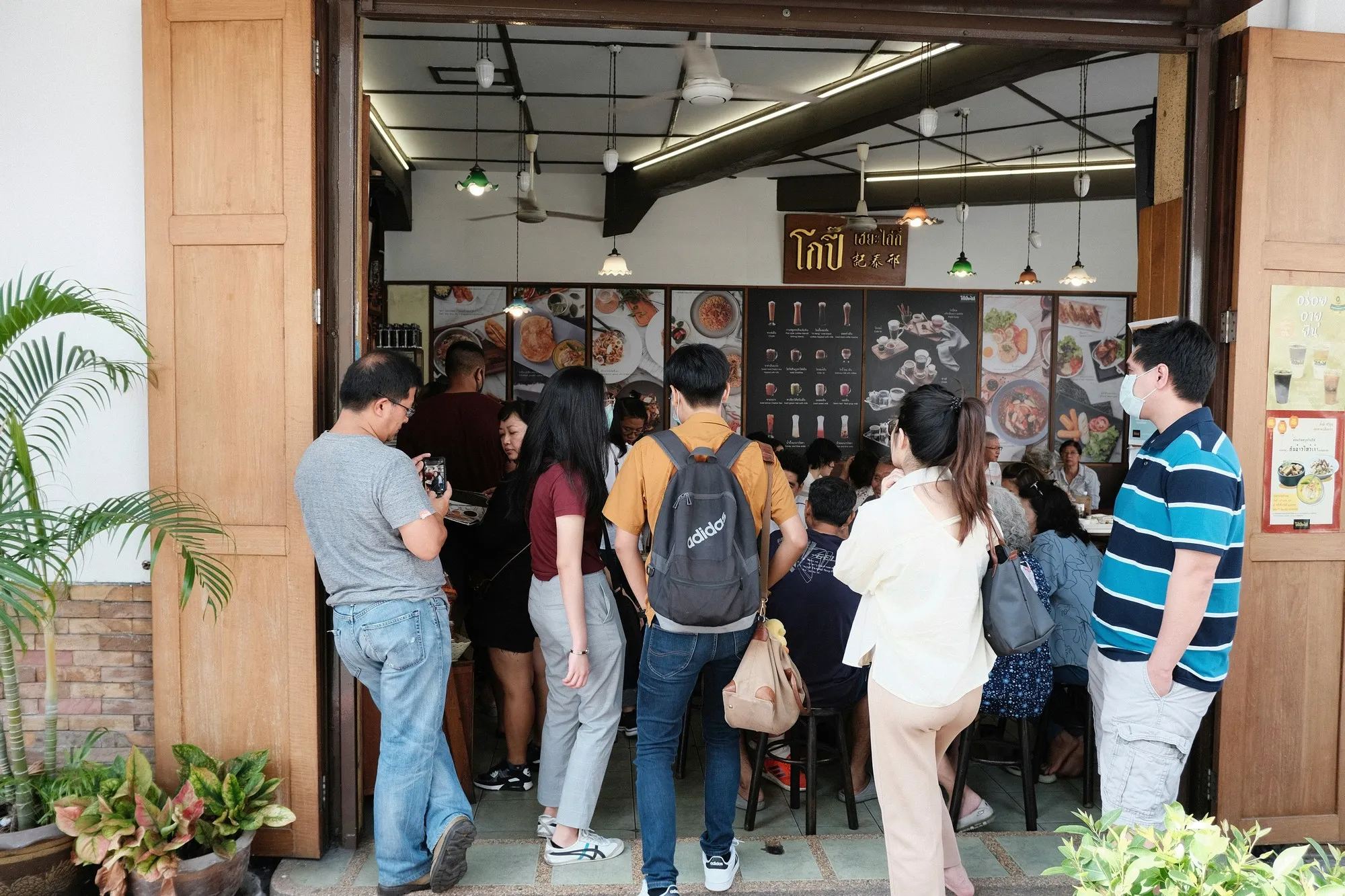
- The queue rule. See a long queue of locals at a cafe or street stall? That's a good sign. It means the food is tasty, safe, and doesn't sit around.
- "Cooked in front of you" – a guarantee of freshness. Choose places where the dish is prepared right before your eyes from fresh ingredients. This also applies to street food. Noodles stir-fried in a hot wok right in front of you are much safer than a pre-made salad that has sat in the heat for several hours.
- Heat treatment. High temperatures kill bacteria. Therefore, hot, freshly prepared dishes (soups, curries, fried meat or fish) are always preferable to cold appetizers, deli meats, and salads.
- Be careful with "exotics." Raw oysters, beef tartare, undercooked steak, or poached eggs are a risk even in reputable places. It's better to refrain from such dishes on vacation.
- Fruits and vegetables. Always wash them yourself with bottled water. Do not buy pre-cut and packaged fruits. Choose those that can be peeled (bananas, mangoes, oranges).
What to do if you get food poisoning
Even with all precautions, food poisoning can occur. The main thing is not to panic and act wisely. Symptoms usually appear within a few hours: nausea, vomiting, diarrhea, abdominal pain, weakness, sometimes fever.
Step 1: Replenish fluid loss
The greatest danger with food poisoning is dehydration. Along with vomiting and diarrhea, the body loses not only water but also vital electrolytes (salts and minerals).
What to drink for food poisoning?
- Special rehydration solutions. These are powders sold in any pharmacy worldwide (for example, "Regidron" or its local equivalents). They should be diluted in water and sipped throughout the day. This is the most effective way to restore water-salt balance. Put a few sachets in your first-aid kit at home.
- Still mineral water.
- Unsweetened black tea.
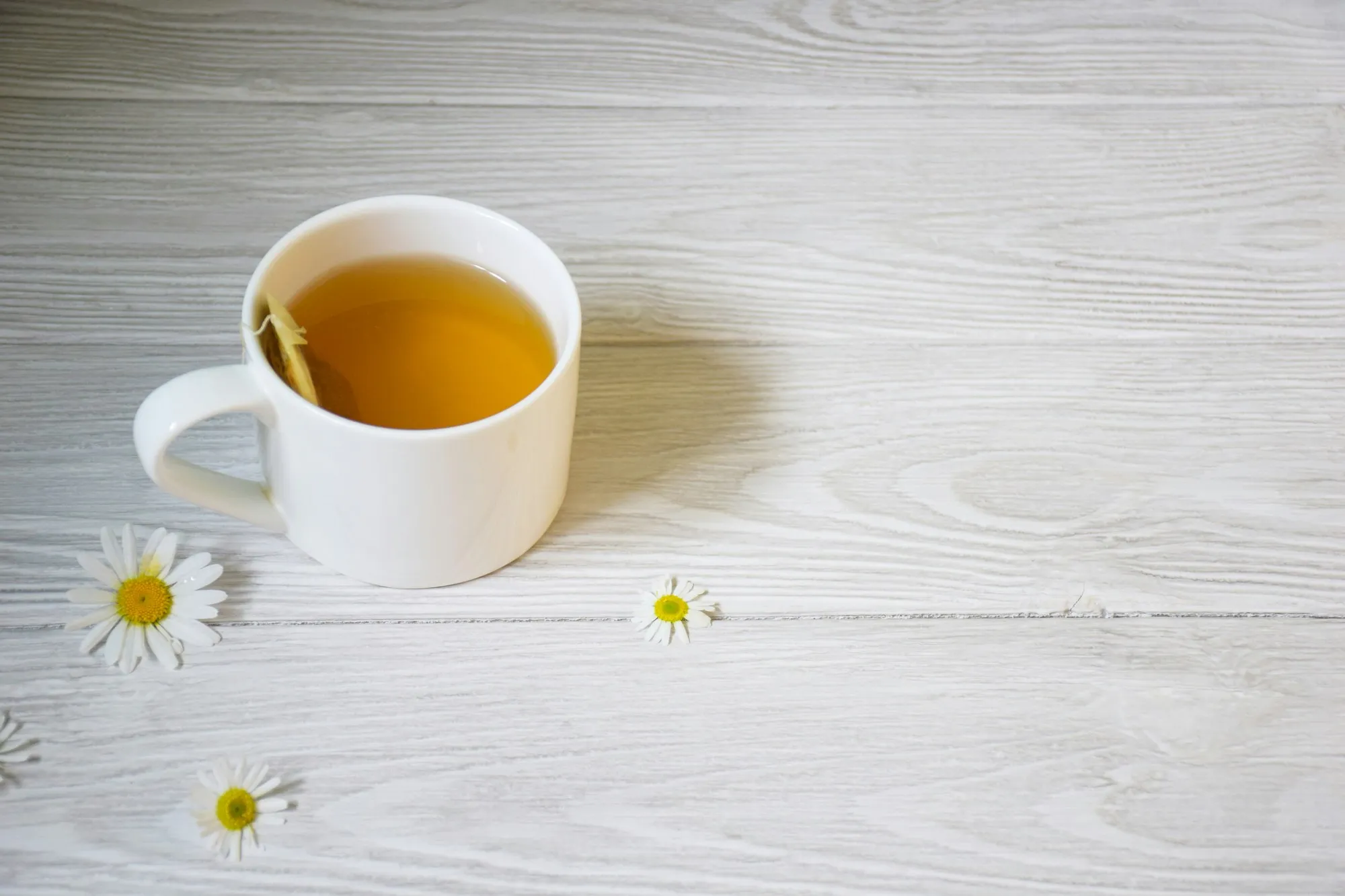
- Chamomile broth.
Drink frequently, but in small sips, to avoid provoking vomiting.
Step 2: Help the body cleanse itself
- Sorbents. These are preparations that bind and remove toxins from the body. The most well-known is activated charcoal. More modern analogues are "Polysorb," "Enterosgel." Add them to your list when you pack your travel first-aid kit.
- Do not stop diarrhea in the first few hours! Through diarrhea and vomiting, the body gets rid of poisons. Medications like loperamide ("Imodium") should only be taken as a last resort if you have a long journey ahead (for example, a flight for which you managed to buy tickets to Dubai on Kupi.com). In other cases, it's better to let the body cleanse itself naturally.
Step 3: Gentle diet
Once the initial acute phase passes and your appetite begins to return, it's important not to overload your digestive system.
What to eat for food poisoning?
First day. It's best to abstain from food altogether, focusing on drinking fluids.
Second-third day. You can start introducing light foods:
- Rice broth or plain boiled rice without salt and oil.
- White bread rusks (not sweet).
- Bananas (they are rich in potassium, which is depleted during food poisoning).
- Baked apples.
- Liquid mashed potatoes made with water.
Avoid fatty, spicy, fried, dairy foods, fresh vegetables and fruits, coffee, and alcohol.
When to seek urgent medical attention?
Self-treatment is acceptable only for mild food poisoning. Seek immediate medical attention (call the service company at the number on your insurance policy) if:
- Symptoms do not subside or worsen within 24-48 hours.
- Very high fever (above 38.5 °C).
- Uncontrollable vomiting or diarrhea (more than 10-15 times a day).
- There is blood in stool or vomit.
- Severe dehydration (dry mouth, dizziness, infrequent urination).
- Food poisoning occurred in a child, elderly person, or pregnant woman.
Vacation is a time for rest and vivid impressions. By spending just a few minutes a day following simple rules, you can enjoy all the delights of local cuisine without health risks and bring home only pleasant memories.