Birdwatching as a New Reason to Travel
 Yasya
YasyaBirdwatching is the new black. It's also a new trend for travelers seeking unusual experiences and unconventional destinations. It's no longer a retiree's hobby or a purely English whim from Victorian novels, but the new golf, the new yoga, and the most eco-friendly version of hunting, where instead of a rifle, you have binoculars, and the trophies remain alive.
Spotting wild birds in nature and remembering their unusual names has become one of the main trends in adventure tourism. It's the thrill of collecting, a digital detox, and an opportunity to see the world from a different perspective. We tell you why you should join other ornithologist-enthusiasts and where to fly for rare species.
What it is
Birdwatching is also called "birding," an English word not always pleasant to our ears. Essentially, it's an amateur form of ornithology for which you don't need to study at a biology faculty. Europeans were the first to take an interest in studying birds, then Americans, and now about 30 million people worldwide are passionate about this hobby. It comfortably combines outdoor recreation, distraction from daily routines, and useful knowledge. And now, a new reason for travel can be added to these.
Why birdwatching has become popular
There are several reasons, but we'll cover the main ones.
- There are fewer birds in cities. Not so long ago, we could see large flocks of sparrows year-round, and bullfinches and tits in winter, but megacities are not well-suited for feathered life, so the opportunity to watch them right from the window remained somewhere in childhood. And the spectacle itself has not become less fascinating, so bird lovers have found another opportunity for themselves.
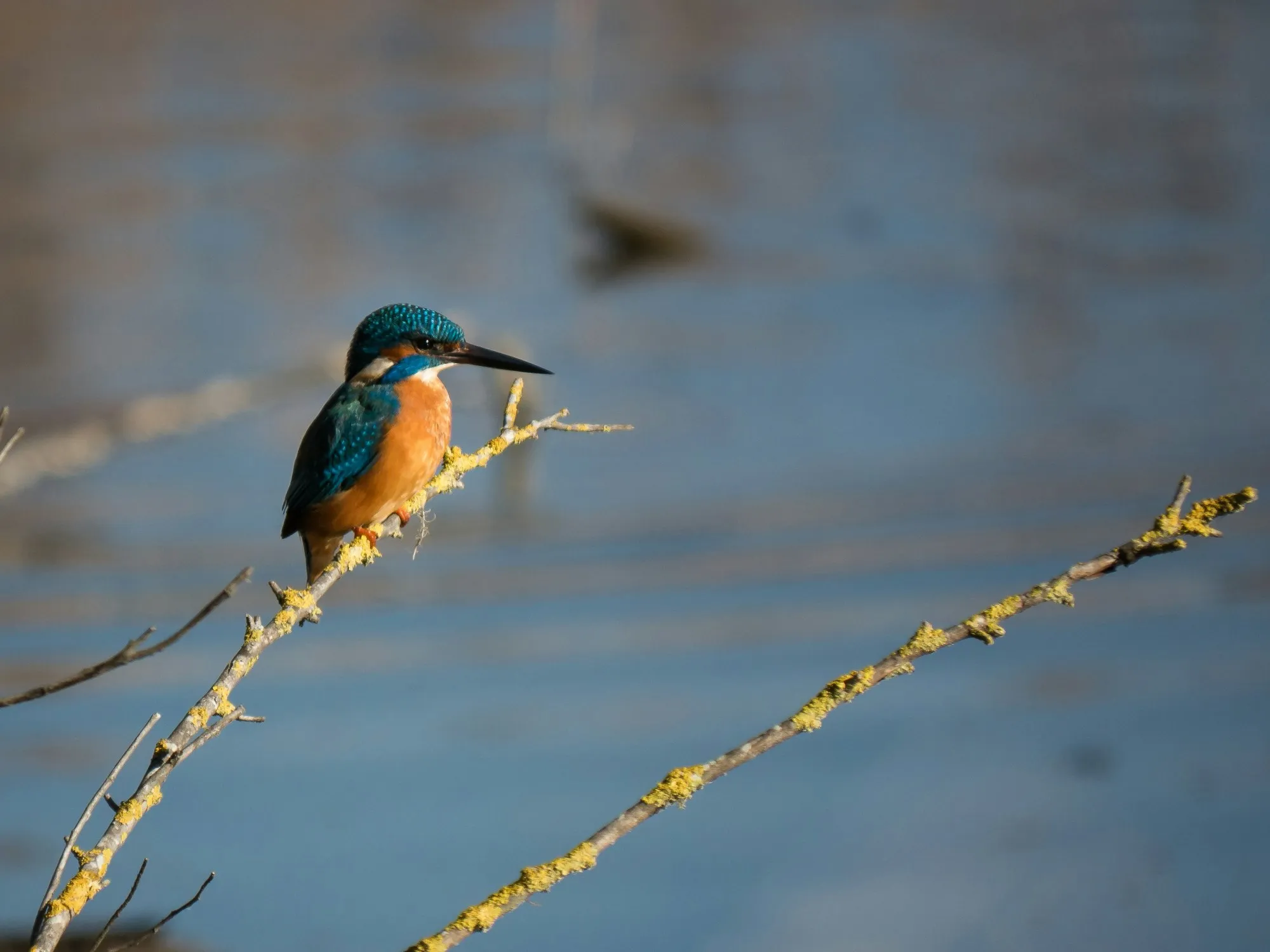
- Pokémon GO. Remember how the world went crazy catching virtual Pokémon? Birdwatching works the same way, only instead of monsters, there are real, living creatures, and much more beautiful ones. As the hobby develops, each observer forms their own list of birds they have encountered. Checking off a rare species (for example, seeing a kingfisher or a bearded vulture) is like unlocking a platinum skin in a video game.
- Meditation for the active. To see a bird, you need to be silent, slow down, and become invisible. If you've long wanted to know what "mindfulness practice" is all about, then this type of recreation is perfect. You stop scrolling through your news feed and start listening to the rustle of leaves.
- Accessibility. Expensive equipment? Not needed. Seasonal ski pass? Not necessary. Just your eyes, binoculars, and a smartphone. Birds are everywhere: from the central forest outside the city to the jungles of Asia.
How to join the movement
It's simple – observe. Well, okay, a little more complex. You'll need patience and binoculars, plus a bird guide for your region will come in handy. But you no longer need to carry a heavy tome; everything can be downloaded online, which we'll discuss below.
Before heading straight for a bald eagle and a cockatoo, try studying the birds inhabiting your nearest park or forest. It's useful to keep notes along the way – where and at what time of year you encountered a particular bird. This activity can be conveniently combined with hiking, so if you're already a fan of outdoor recreation, it can be made even more interesting.
How to start
Buy binoculars. Don't chase telescopes. The universal format is 8x42 (8x magnification, 42mm lens diameter). It's bright and provides a wide field of view.
Dress appropriately. Birds are afraid of bright colors. Choose khaki, gray, and brown tones to blend in with the landscape.
Wake up early. "The early bird catches the worm... or sees the birds." Peak activity is at dawn.

Technology: Shazam for Birds
In the past, getting into the hobby was difficult: you had to carry thick paper field guides and spend hours flipping through them, trying to figure out how one brown bird differed from another. Today, technology has removed this barrier. The smartphone has become a powerful ornithological laboratory.
Merlin Bird ID (Sound Magic): this app from Cornell University's lab has revolutionized birding. The Sound ID feature works like a musical Shazam. You simply turn on recording in the forest, and the neural network instantly draws a sound spectrogram in real-time, labeling it: "A nightingale is singing here, and now a great tit has joined in." The accuracy is astonishing.
The main feature is "Bird Packs." When going on vacation, you download the database for the desired region in advance (for example, "Birds of Sri Lanka" or "Birds of the Caucasus"). After that, the app works completely offline, identifying species by photo or voice even in remote jungles without internet.
eBird (Global Map): this is a strategic planning tool. For example, you can use it to build your target list. Want to see a flamingo? You enter the species name, and the app shows you on a map where other users have seen this bird in the last 24 hours. Another useful feature is "Hotspots": it will show you the best parks and reserves near your hotel where the concentration of birds is highest.
Citizen Science: by using these apps, you're not just having fun. Every bird "check-in" you make is sent to a global database, helping scientists track migration and climate impact. This way, you become part of a large scientific community.

Best places to see birds
Curonian Spit
This is a narrow strip of land serving as a major migratory route for millions of birds flying from Northern Europe to the south.
- What you can see: one of the world's oldest ornithological stations, "Fringilla," is located here. You will see scientists catching birds in huge mist nets and banding them. In spring and autumn, the sky here is literally black with flocks of chaffinches and goldcrests.
- Logistics: this is the easiest start. Simply buy tickets to Kaliningrad on Kupi.com, rent a car, and within an hour you'll be observing bird banding.
Batumi
In autumn, a global phenomenon occurs near Batumi – the "Batumi Raptor Count." Mountains funnel birds towards the sea, creating a narrow corridor.
- What you can see: thousands of eagles, kites, harriers, and honey buzzards circling in thermal currents overhead. It's a breathtaking sight even for those far removed from biology.
- Logistics:there are inexpensive direct flights to Batumi, and the travel time is only 3.5 hours.
Astrakhan Nature Reserve
The Volga Delta is a bird "maternity ward" and "sanatorium."
- What you can see: Dalmatian pelicans, white-tailed eagles, and millions of waterfowl. The best way to observe them is from a boat, navigating through lotus thickets.
- Logistics: you can find tickets for the Moscow – Astrakhan route, and you'll be in one of the best birdwatching spots in Eurasia.
Sri Lanka
If you want exotic experiences but aren't ready for complex expeditions, Sri Lanka is the ideal choice. The island is compact, and its biodiversity is off the charts.
- What you can see: 33 endemic bird species live here, found nowhere else in the world (for example, the Sri Lanka blue magpie). But the main attraction is peacocks. Here, they are like pigeons in city squares – sitting on rooftops and crossing roads. Be sure to visit Sinharaja Forest or Yala National Park to see hornbills and vibrant kingfishers.
- Logistics: this is accessible exoticism. Direct flights make it easy to reach the island. Simply buy tickets to Colombo on Kupi.com, grab a tuk-tuk and binoculars.
Birdwatching is a way to regain a childlike sense of wonder. When you first see a kingfisher – a small blue lightning bolt flying over the water – you'll understand why people spend their vacations on this.