Best places in the world to stargaze
 Polina
To truly see the night sky, you need to get as far away as possible from megacities that create light pollution. Ideal places are deserts, mountains, and nature reserves where nature has been preserved in its pristine state.

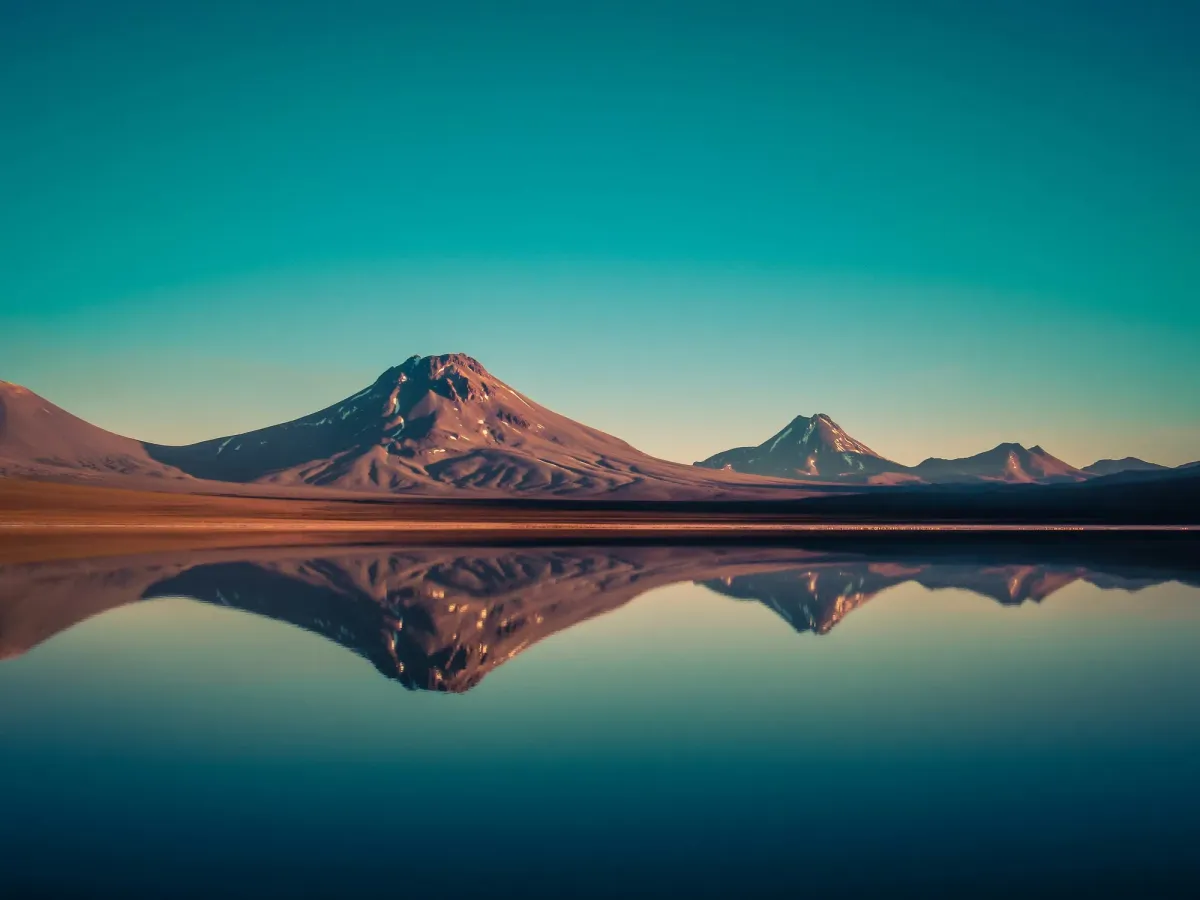
Atacama Desert, Chile
This is the driest place on Earth and arguably the best spot for astrotourism. Thanks to its high-altitude location, minimal cloud cover, and almost complete absence of light pollution, the sky here is incredibly clear. The Atacama is home to some of the world's most powerful observatories, such as the Paranal Observatory with its Very Large Telescope.
Here you can see the Milky Way in all its glory, observe neighboring galaxies, and even nebulae. Many travelers say they haven't seen so many stars anywhere else. It's no wonder many decide to buy tickets to Santiago on Kupi.com to then reach this astronomical paradise.
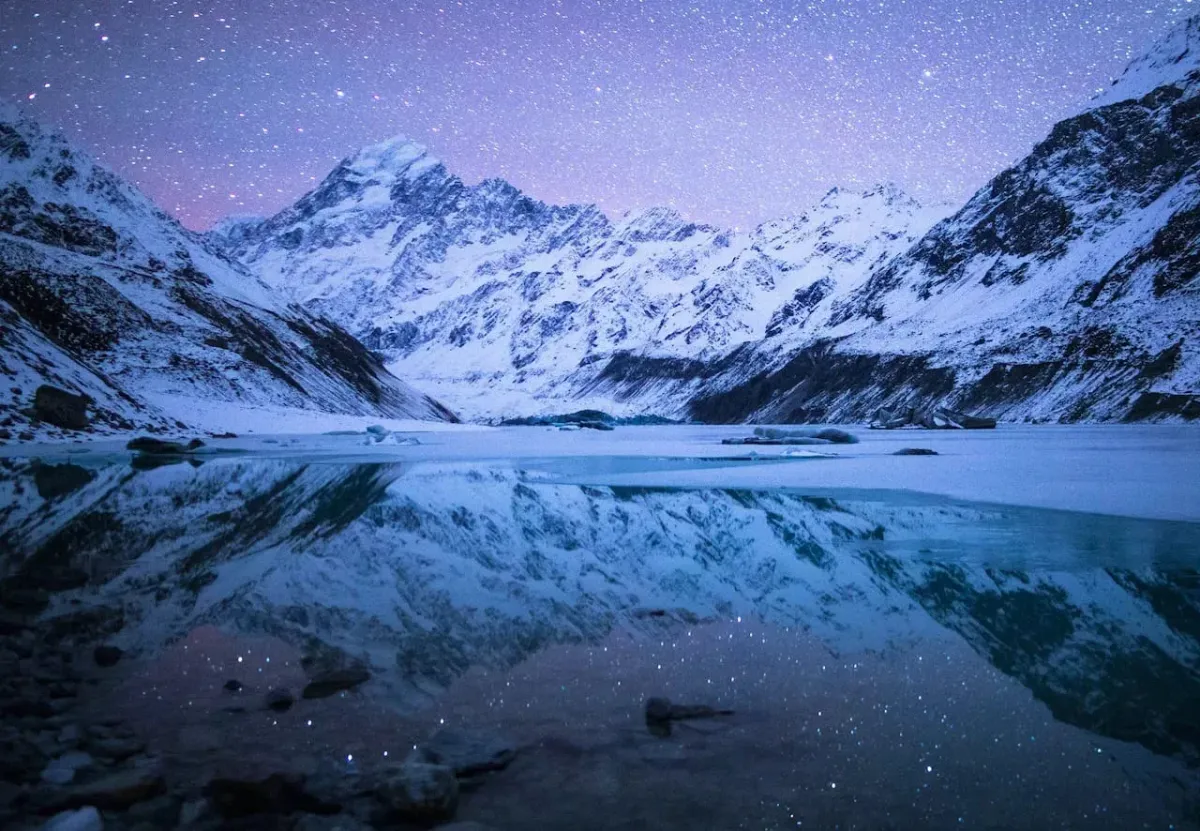
Aoraki Mackenzie National Park, New Zealand
This is one of the world's largest international Dark Sky Reserves. The country's authorities and local residents have made tremendous efforts to protect the night sky from light pollution. The result is impressive: here you can see Southern Hemisphere treasures such as the Magellanic Clouds, the Southern Cross, and the glow of Aurora Australis (the southern polar lights).
Within the reserve is the famous Mount John Observatory, where you can take a night tour. Experienced guides will explain where professionals observe stars and what astronomers use to look at stars, and, of course, let you peek through a large telescope.
Tenerife, Canary Islands, Spain
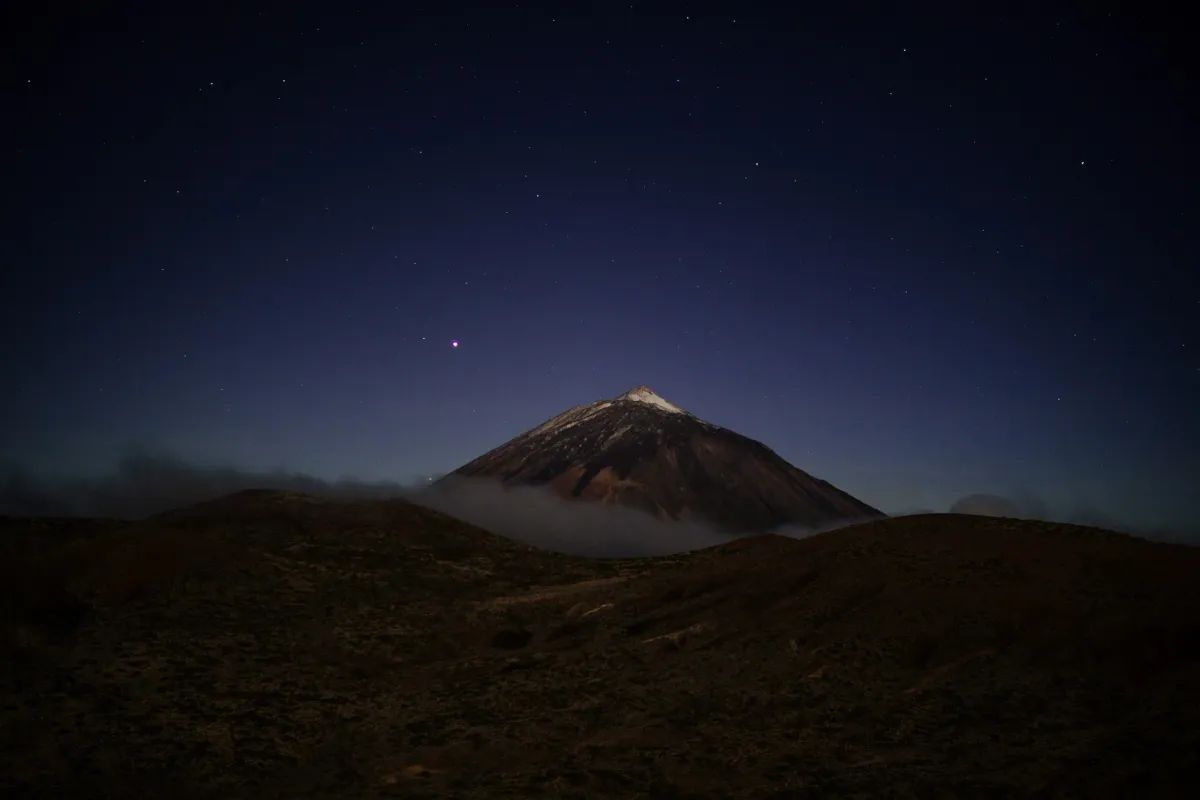
The Canary Islands, especially Tenerife and La Palma, are among the best places for astrotourism in Europe. Thanks to their volcanic origin, there are many high points here, and the clear sky is protected by special laws that even regulate aircraft flight paths.
The heart of the astronomical world in Tenerife is Mount Teide. On its slopes is the Teide Observatory, one of the largest in the world. By taking the funicular above the clouds, you'll find yourself in ideal conditions to see every detail on the Moon's surface or a distant planet. To enter this fairytale, simply find tickets for the Moscow – Tenerife route.
NamibRand Nature Reserve, Namibia
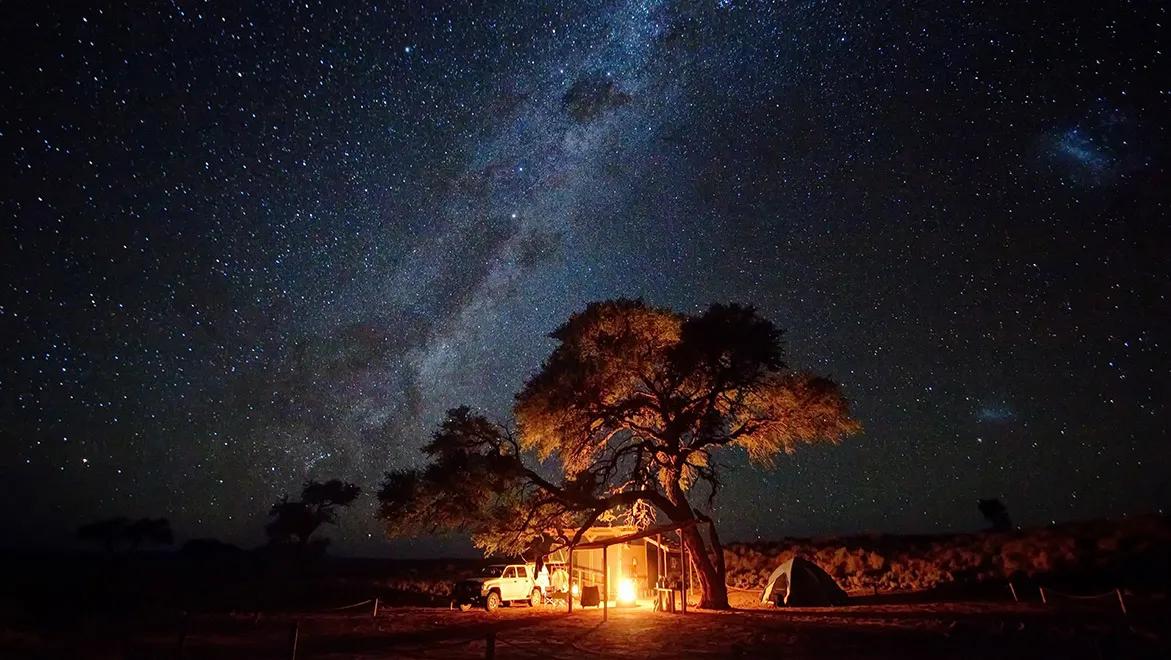
Another location in the Southern Hemisphere that has been designated a Dark Sky Reserve. NamibRand is a vast private territory with almost no artificial light. Nights in the Namib Desert are cold and crystal clear. The landscape here is otherworldly in itself – red dunes and dried trees, and the sky illuminated by myriads of stars only enhances this feeling.
Here you can stay in special lodges, where everything is equipped for stargazing, including powerful telescopes. This is a unique experience that allows you to feel at one with the Universe.
Altai, Russia
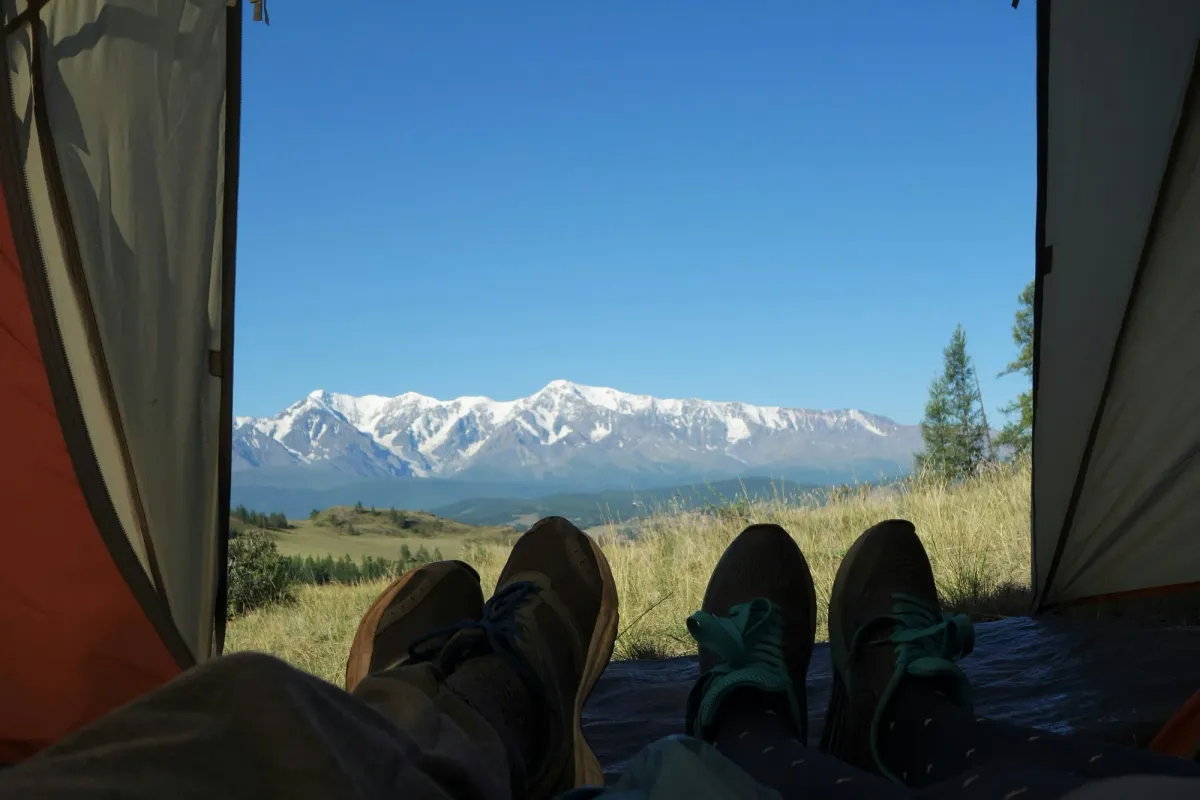
You don't have to fly to the other side of the world to touch the cosmos. In Russia, there are also places to stargaze, and one of the best is Altai. Far from civilization, in the mountains, you can find a truly dark sky. The Chuya Steppe is especially famous for this.
There are no large observatories for tourists here, but it's not necessary. Just drive away from any populated area, and the sky will open up before you. And if you bring at least an amateur telescope or binoculars, you can study constellations for hours. This is a great option for those who are not ready for long flights and want to choose closer routes. For this, tickets Moscow – Gorno-Altaysk will be useful.
How to prepare for stargazing?
- Choose the right time. It's best to observe stars during a new moon, when moonlight doesn't wash out the sky.
- Use apps. Download an astronomical calendar or a planetarium app (e.g., SkyView, Star Walk) to know which constellations and planets are visible in your region.
- Dress warmly. Even in hot countries, nights can be very cold, especially in mountains or deserts.
- Let your eyes adjust. To see the maximum number of stars, you need to spend at least 20–30 minutes in complete darkness. Use a red-light flashlight – it doesn't disrupt night vision.
Stargazing is not just a beautiful spectacle. It's an opportunity to comprehend the scale of the Universe, feel part of something immense, and perhaps find answers to eternal questions. We hope our guide helps you choose the perfect place for your next cosmic journey!