Author's Story: Zanzibar, Turtles, and Freddie Mercury
In search of new sights and experiences, my friends and I went to Africa. The trip took place from February 23 to March 8 this year and met all expectations. Our main vacation spot was the town of Nungwi on Zanzibar – it's at the very tip of the island; we also visited Stone Town. But first things first.
No Visa Required
A visa is issued upon arrival directly at the airport. To do this, you need to take a photo, fill out a form, and pay a visa fee of 50 dollars, exclusively by card. At the airport exit, porters will already be waiting for you. Be careful, once they carry your bags to the taxi, they won't leave until you give them money. We booked a transfer from the hotel; the price is fixed – 45 dollars during the day, 60 at night.
I recommend timing your flights to arrive on the island during daylight hours. The thing is, we drove from Stone Town to Nungwi on a single-lane road with no streetlights, where neither people nor cars were visible. In daylight, you can admire the colorful African villages; the journey takes about an hour and a half.
Booking a hotel transfer in such countries is very convenient. The price is static, and the driver knows where to go; you don't even need to explain anything to him.
Its Own Atmosphere
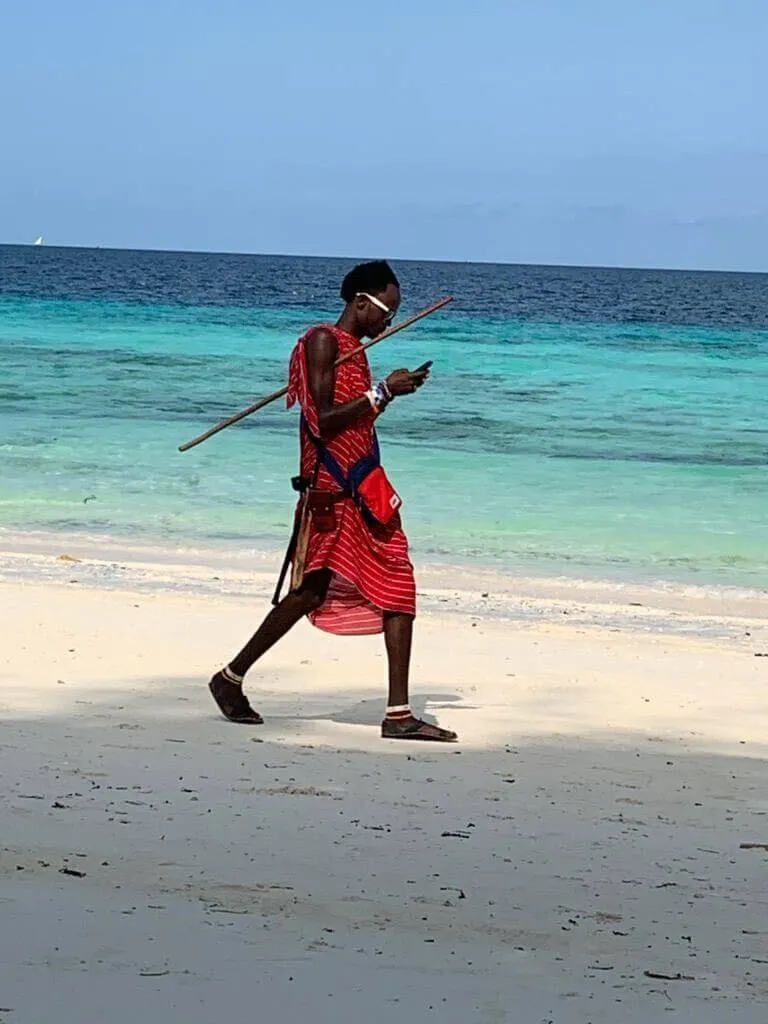
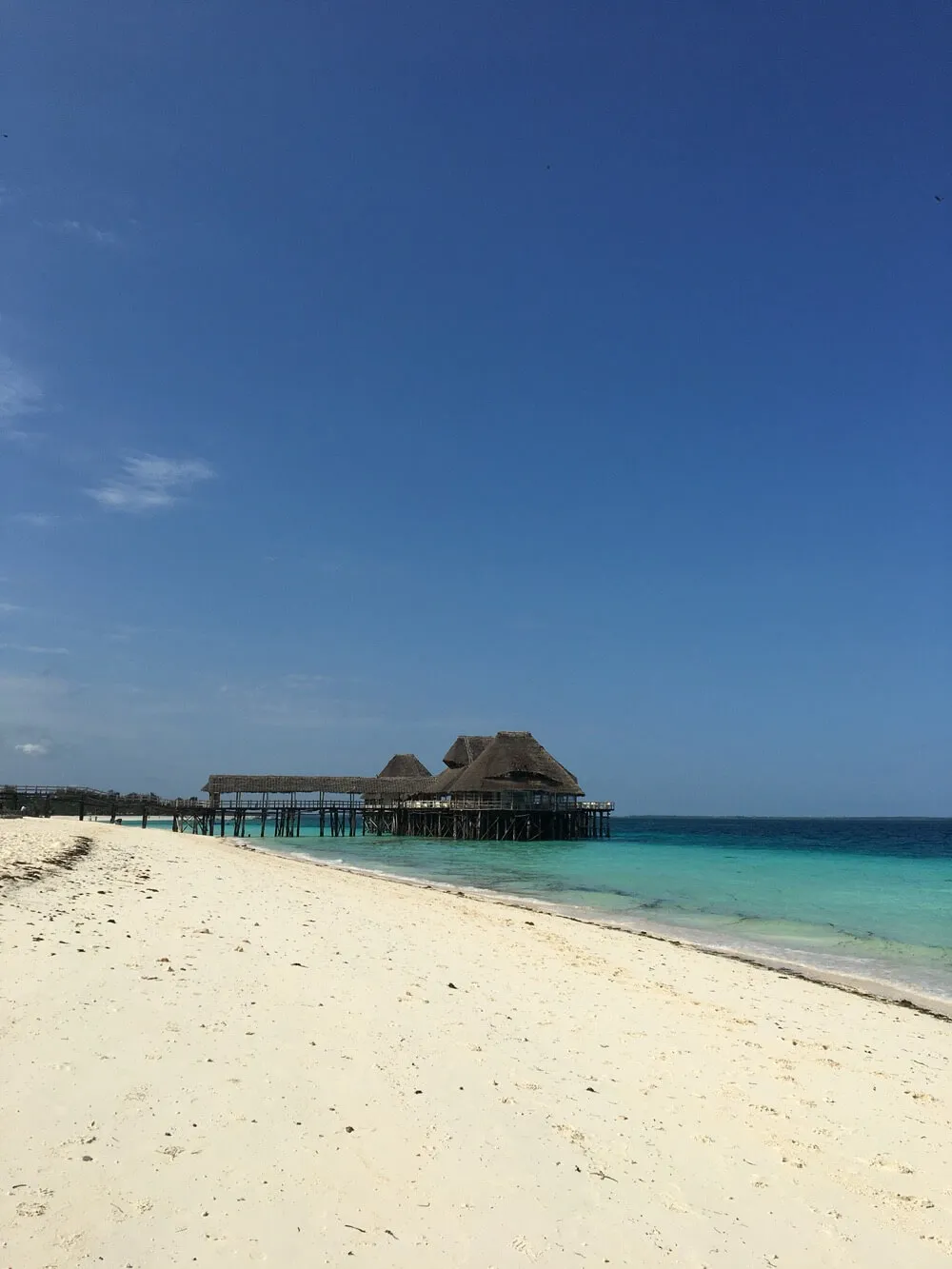
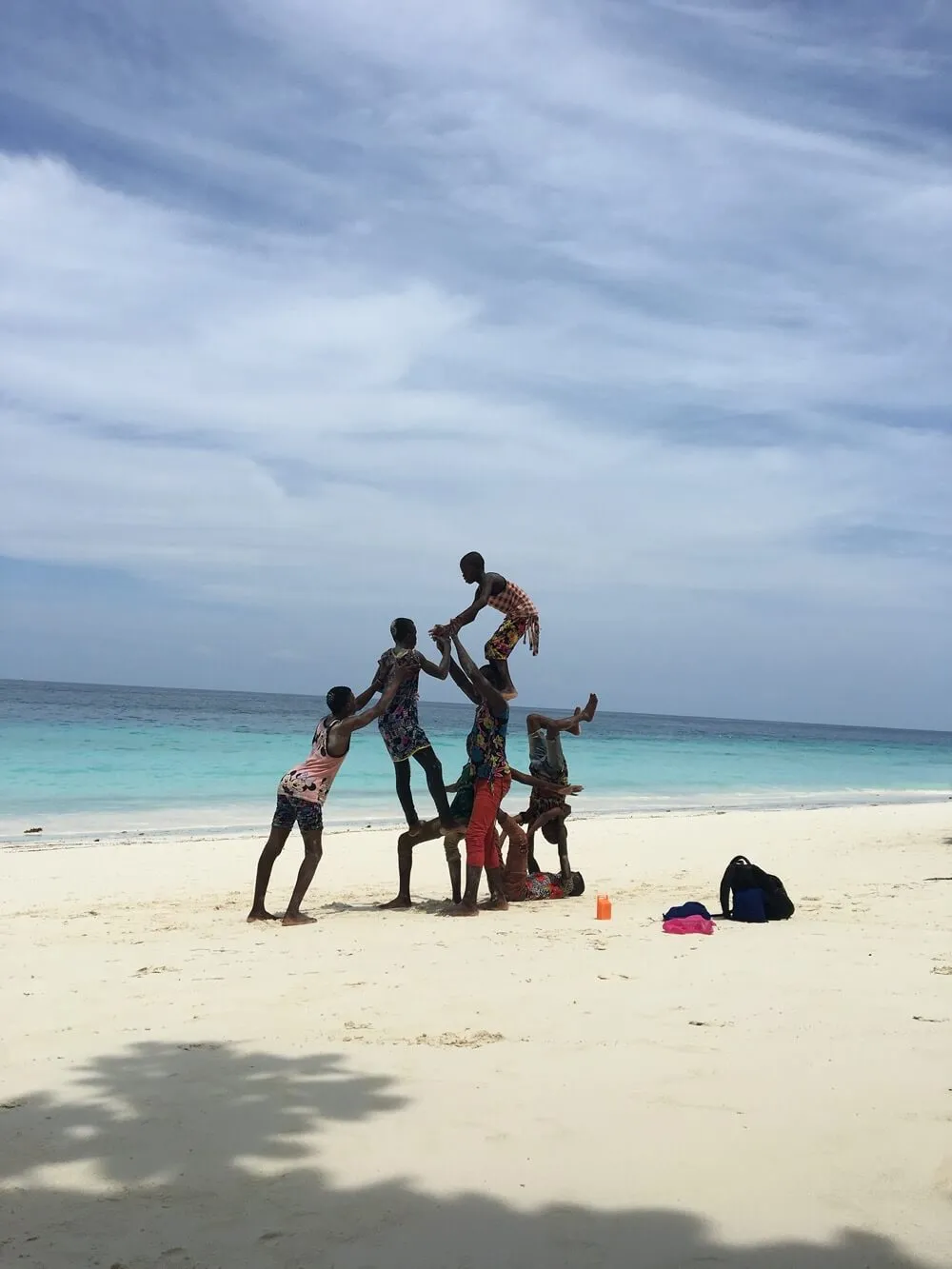
Scorching sun, four-legged furry friends sleeping in the shade, Maasai selling trinkets, small transparent jellyfish, white sand, and a crystal-clear ocean – all this creates a perfect picture for travelers. There are no sun loungers, umbrellas, bustling corn vendors, masseurs, or other entrepreneurs here. This is precisely what makes Zanzibar's beaches among the best.
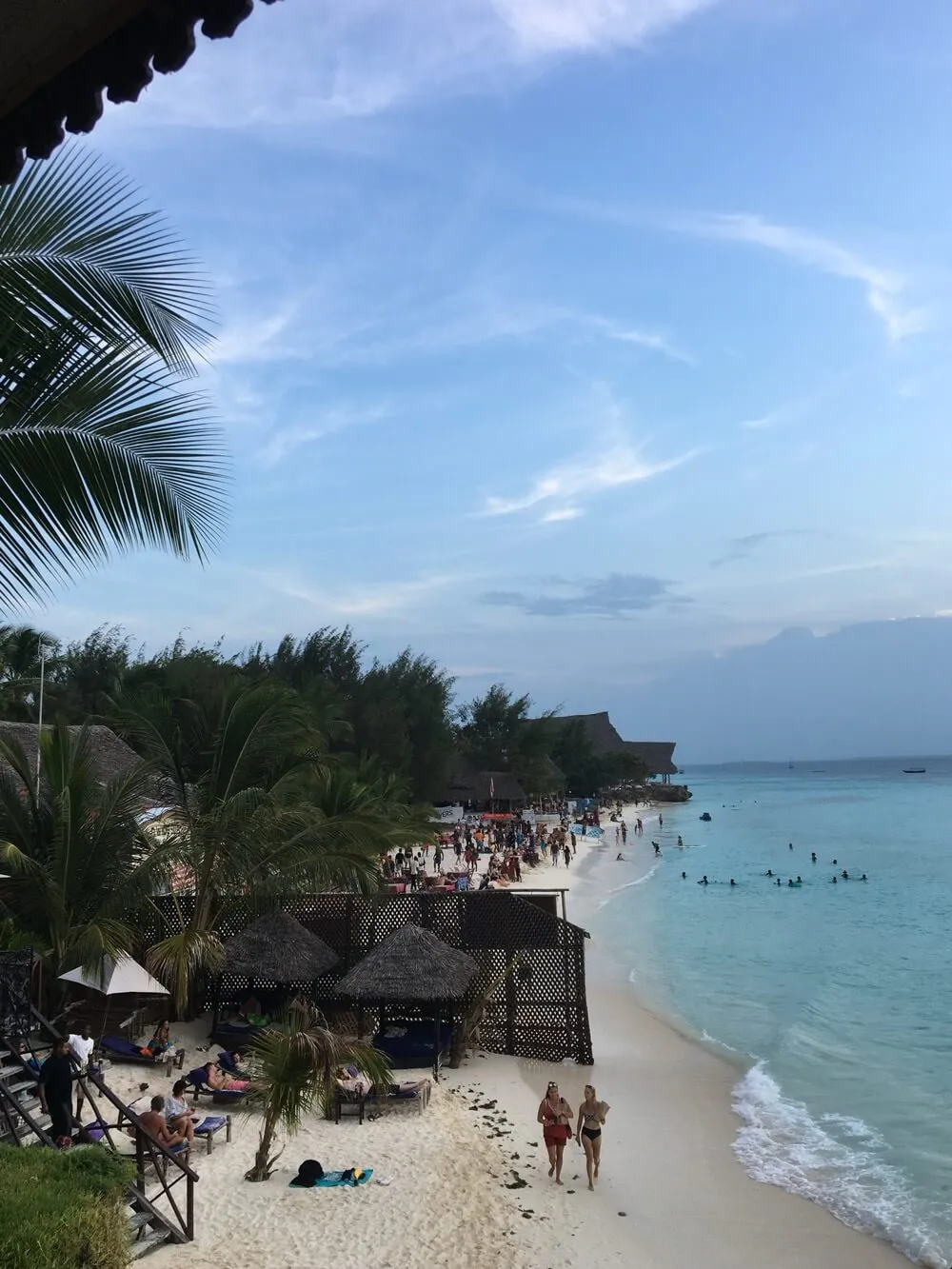
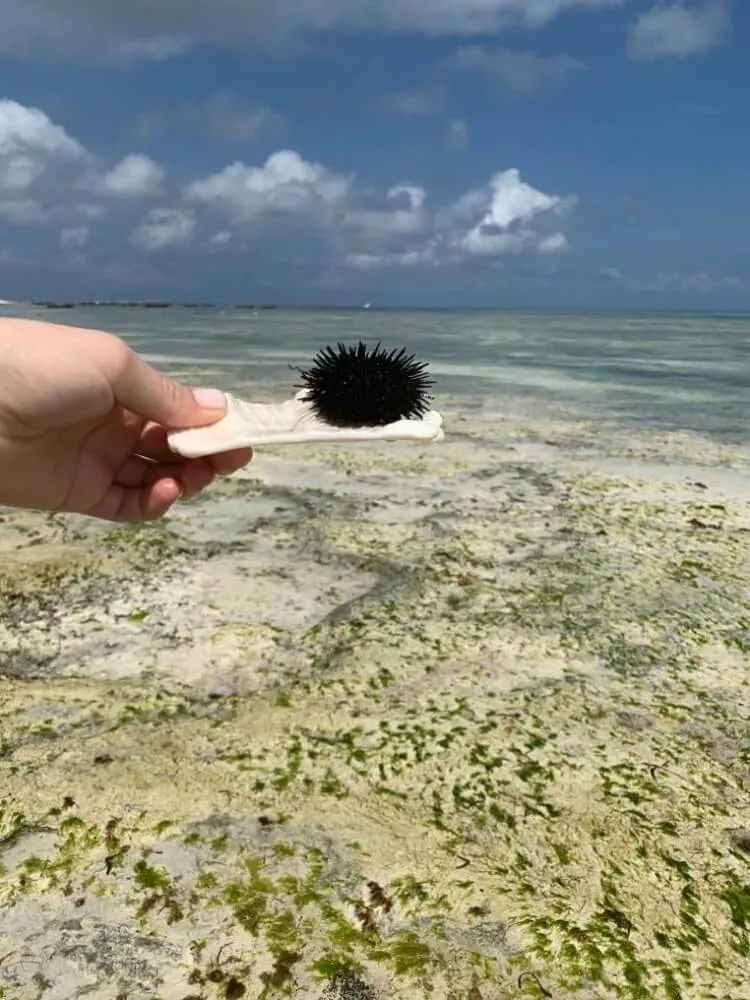
All beaches are free; there are sunbeds, but only in hotel areas, so most people come with blankets and simply sunbathe on the white sand. The best beaches are in Nungwi and Kendwa: they are clean and have a gentle entry into the ocean. I recommend wearing swimming shoes immediately, as sea urchins can be found on the bottom.
There are almost no locals on the beaches; they are mostly run by Maasai, or those who pretend to be representatives of the famous tribe.
Legends say that they engage in sex tourism, and women from all over Europe go there specifically for this.
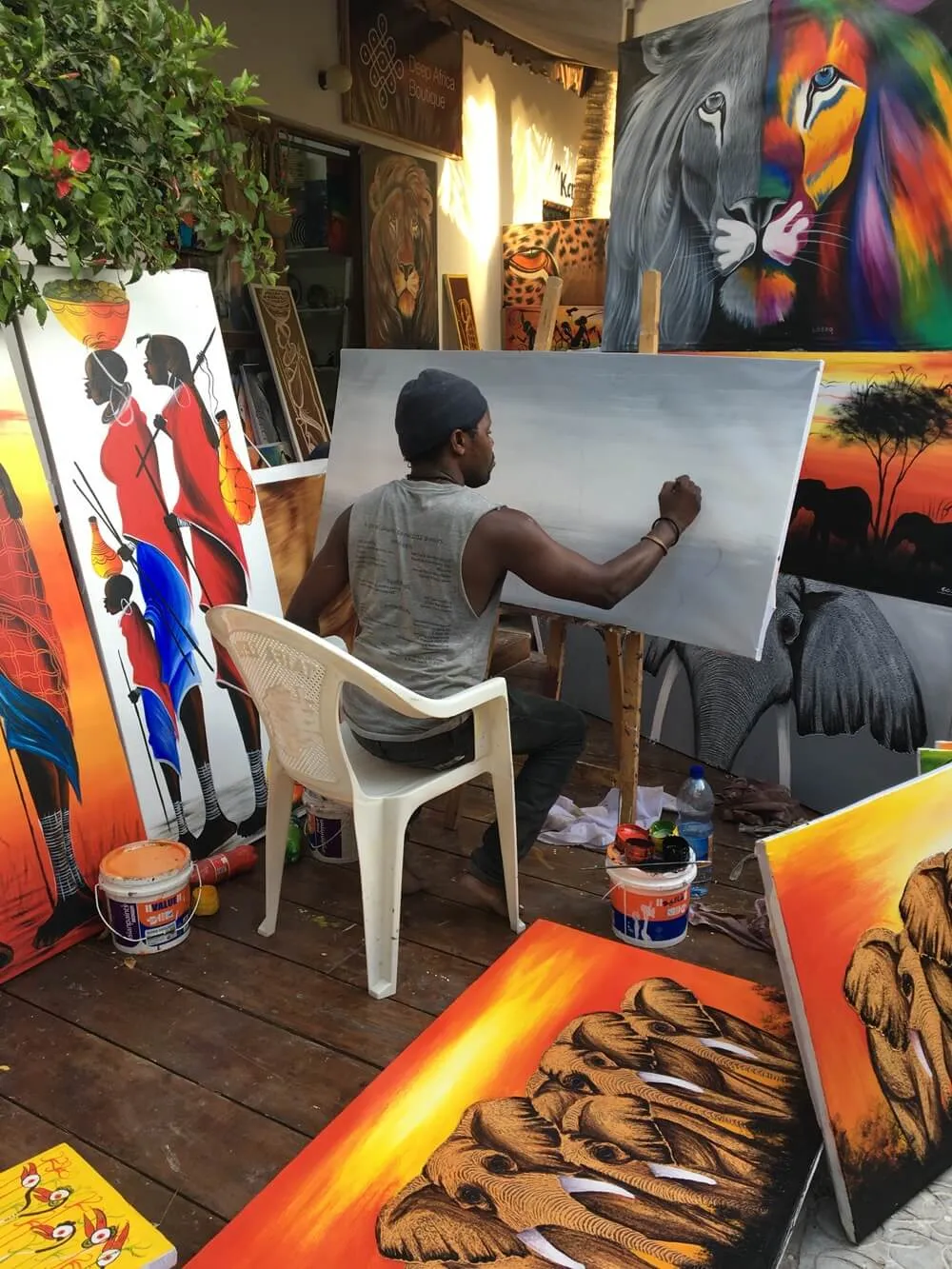
However, we didn't see anything suspicious, and those who approached us behaved very politely and friendly. You can hang out with them a bit, chat, and for some tourists, they even conduct small excursions, entertain them, guard them, but also eat at the expense of the island's guests. They also sell simple souvenirs and trinkets made by hand.
In the villages, there's a unique atmosphere: women come with huge containers on their heads to collect water when the water truck arrives, children run around in school uniforms, grandfathers sit and play chess at the local club. There are no doors in their huts, nor beds – everyone sleeps on thin mattresses. And in the main square, locals play football 25 on 25, with two trees serving as goals.
No Hotels
We chose bungalows, and there were reasons for that. It's much cheaper than hotel complexes, although the service is almost the same, and bungalows are sometimes much closer to the ocean. For 14 nights, for two bungalows with thatched roofs, a pool, and breakfasts, we paid 1450 dollars. It was a small complex of 10 huts opened by Italians. The owners were kind and friendly people, greeting us with pineapple juice in hand. There's a lot of greenery on the territory, three dogs roam around, and a guard with a dagger stands at the entrance.
In Search of Delicious Food
Breakfasts and food on the island are monotonous because locals don't know how to cook well. The only thing they are given on the island is seafood, but they can easily overcook or oversalt fish too. However, since Italians established tourism here 10-15 years ago, there are nearby cafes and restaurants with Italian cuisine: pizza, pasta, ice cream, and so on. Prices are average, mostly 10-25 dollars per dish, but paying in local currency – Tanzanian shillings – is cheaper, as all establishments have their own exchange rate, and it's not always favorable.
Delicious and fresh coconuts, mangoes, and passion fruit can be bought on the way to the beach or directly there, priced at 2,000-5,000 Tanzanian shillings (approximately 1-3 US dollars). The variety of fruits is small: many bananas and coconuts, mangoes, melon, watermelon, passion fruit, and, of course, many avocados. Prices are very reasonable; a basket of fruits can be bought for 30-40 thousand Tanzanian shillings.
I recommend buying in stores, not markets, as markets are completely unsanitary. If you do buy fruits at a market, be sure to wash them thoroughly in boiling water. But at markets, you can haggle, and sellers are happy to lower prices.
There's also a popular drink here, allowed for sale only on the island – it's a limited edition ginger Coca-Cola. It's unusual and tasty, and in the heat, it's simply a lifesaver. You can't take it out of Zanzibar, so drink it there; it costs approximately 5,000 Tanzanian shillings.
Among the establishments, we really liked the restaurant Badolina. Prices are closer to European ones, but I vouch for the quality of the dishes, the freshness of the products, and the taste! We went there almost every day and tried almost everything. Inside, it's very cozy; you can play checkers, the background music is pleasant, there's a swing in the middle of the hall, and you can win a bottle of local beer in a small game.
Stone Town, the White Stone City
For the trip to the capital, we booked a taxi, even haggled a bit to get a ride for 35 dollars one way. And a taxi is almost the only place (besides a pharmacy) with air conditioning. In Stone Town and Nungwi, we mostly walked.
There's one important attraction in the city that everyone should visit, even if they're not a Queen fan. I'm talking about the house where Freddie Mercury was born and grew up. You can walk inside and sit outside. Otherwise, there's little of interest in the city: unremarkable buildings, everything is made of stone, which heats the air to 50 degrees Celsius. If you're used to staying in small, neat villages while traveling, then this is not Zanzibar.
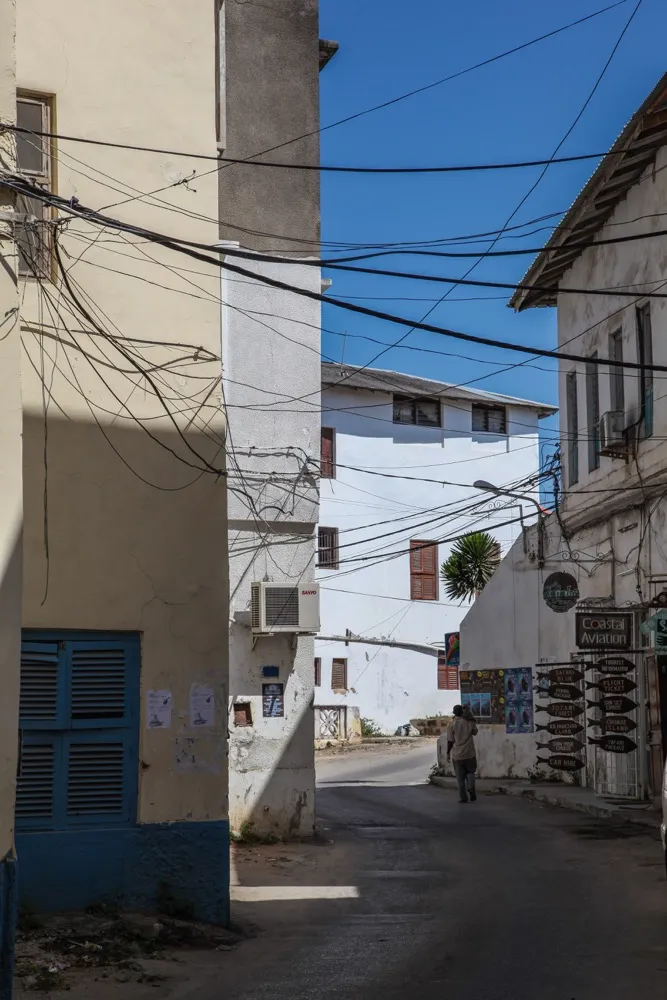
But you absolutely must take a walk around the city: go to the embankments, the port, visit city cafes. If you see a cafe named Stone Town, be sure to go in, you'll like it. There are shops, a large market where we bought a bunch of spices cheaply.
Why Didn't We Go on Safari?
We really wanted to, but didn't go mainly because of the price: for one person with an overnight stay, they asked for a minimum of 500 dollars, from 650 dollars for the same tour but with amenities, and you can only get there by plane to mainland Tanzania. The price also includes a guide and entrance to the reserve. There was quite a lot of moving around, and in such suffocating heat, it was too much for us. In any case, it's a reason to return in more bearable weather.
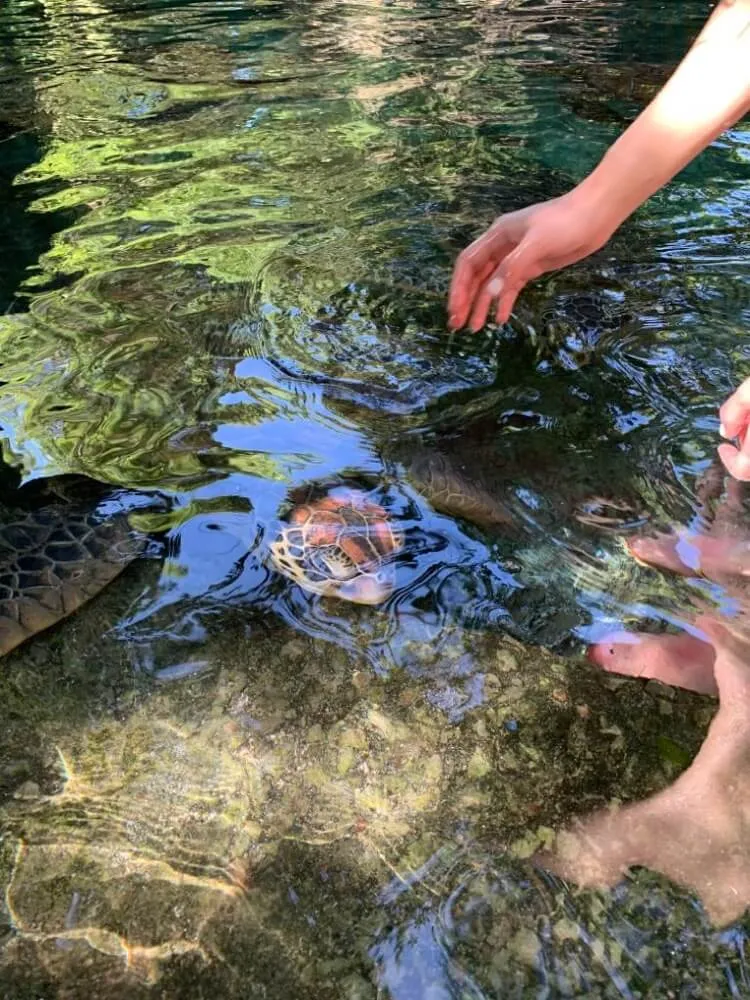
In the island's capital, we found interesting entertainment even without a safari, for example, we went to a turtle aquarium, which costs 15 thousand Tanzanian shillings per person. In reality, it's a small pond with turtles; you can swim and feed them, and there are many of them there. I never thought turtles could bring so much joy!
Overall, you can have a great vacation in Tanzania even without a safari; everyone will find something they enjoy there. On the island, you can rent a car and explore all the nooks and crannies, hang out with some Maasai, discover secret locations, and learn about the local culture.