All ways to save money while traveling
 Polina
The dream of a vacation often shatters against the harsh reality – ticket and hotel prices. It seems that travel is only accessible to those willing to spend a lot of money. But that's not true at all! A good vacation doesn't always equal an "expensive vacation." The main thing is to plan everything wisely and know a few secrets.
In this article, we decided to tell you about all the ways to save money on a trip without denying yourself pleasure. This is the most comprehensive guide that will help you revise your budget and start traveling more often. By following these tips, you will understand how to save a significant amount on your vacation, which you can spend on new experiences or your next trip.

Stage 1: Planning, or where the main savings are hidden
The biggest expenses (and the biggest savings) are laid out even before you pack your suitcase. It is at the planning stage that you control 70% of your trip budget.
- Choose the right time. Traveling during "high season" (summer months, New Year holidays) is a guaranteed overpayment for everything: from air tickets to a beach chair. Want to save money? Shift your vacation to the "off-season" (for example, April-May or September-October for European destinations). The weather is still great, there are fewer tourists, and prices are 20-40% lower.
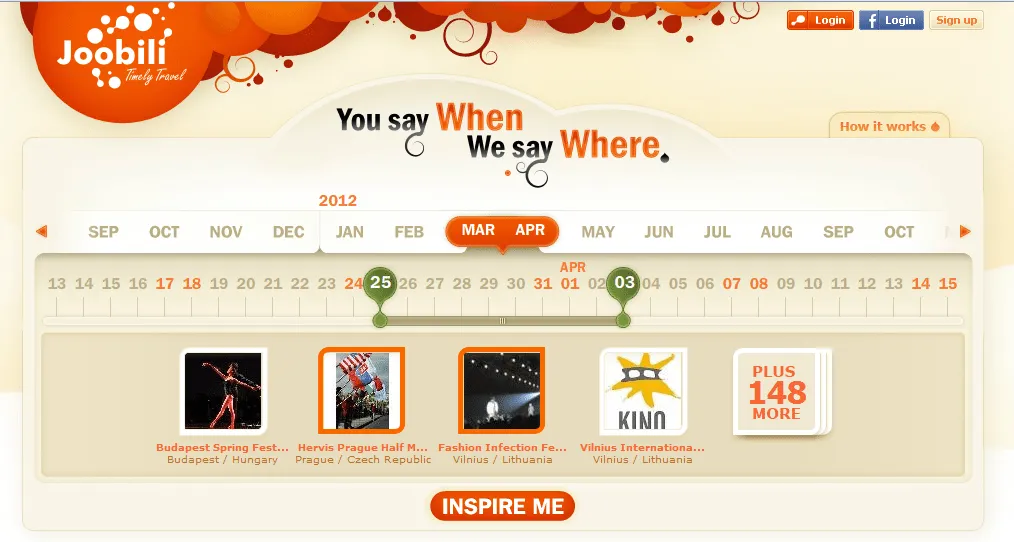
- Be flexible with dates. If you don't have strict date constraints, use the "+/- 3 days" option when searching for tickets or look at prices for an entire month. Often, a ticket for Tuesday or Wednesday can be significantly cheaper than for Friday or Sunday.
- Consider unconventional destinations. Everyone wants to go to Paris and Rome, so it's always expensive there. But what about Lisbon, Belgrade, or Budapest? Eastern Europe, the Balkans, some countries in Southeast Asia and Latin America offer incredible experiences for much less money. For example, buying tickets from Moscow to Budapest will almost always be cheaper than to Paris. And tickets for the Moscow – Minsk route for the same year can cost several times less than to Madrid.
- Plan everything well in advance. The magic word for a budget traveler is "in advance." Buying tickets and booking accommodation 3-6 months before the trip is almost always more profitable than 3-6 weeks prior. This gives you access to the best deals before they're gone.
- Create a detailed budget. Before buying anything, determine how much you are willing to spend. Divide the total amount into categories: tickets, accommodation, food, transport, entertainment, souvenirs. Set a daily spending limit. This will help control expenses and avoid impulse purchases.

Stage 2: Tickets and Accommodation – How to Reduce Major Expenses
The lion's share of the budget goes to flights and accommodation. Here, even a small discount turns into significant savings.
Air tickets: catching the best prices
- Buy tickets during the "golden window." It is believed that the optimal time to buy tickets for international flights is 2-4 months before departure, and for domestic flights – 3-6 weeks.
- Subscribe to newsletters and Telegram channels. For example, subscribe to the Kupibilet Telegram channel – we often post selections of cheap tickets for many destinations there. This is a great way to catch a truly budget-friendly option.
- Consider alternative airports. Sometimes flying into a neighboring city and taking a bus or train from there is cheaper than flying directly.
- Fly low-cost airlines wisely. Budget airlines offer low prices due to paid services: baggage, seat selection, meals. If you're traveling light with just a backpack, this is a great option. But if you need baggage, compare the total cost with a traditional airline – sometimes it turns out to be the same or even lower.
- Fly with layovers. Direct flights are always more convenient, but almost always more expensive. If you're not severely limited by time, a flight with a layover can save up to 30% of the cost. A long layover (stopover) is a gift: an opportunity to see another city for free.
Accommodation: sleeping comfortably and affordably
- Don't fixate on hotels. A classic hotel is not the only option. Consider alternatives:
- apartments: ideal for families or groups. Having a kitchen means huge savings on food.
- hostels: if you're traveling solo and don't mind roommates, this is the most budget-friendly option. Modern hostels are often very stylish and comfortable.
- couchsurfing: for the most adventurous. You stay with locals for free, immersing yourself in the culture.
- Choose the right area. Accommodation in the very center is expensive. Sometimes it's more profitable to stay 15-20 minutes by metro from the center: you'll save on accommodation, and won't spend too much on transport. The main thing is to check that there's a public transport stop nearby.
We talked about useful tips that will help you book a hotel cheaper.
- Read reviews! This tip will save not only money but also nerves. A low price might hide bed bugs, a noisy construction site outside the window, or a non-functional air conditioner. Always read what previous guests have written.
- Use loyalty programs. Many hotel chains and booking systems (for example, Ostrovok.ru) have loyalty tiers that offer discounts or pleasant bonuses like free breakfast.

Stage 3: Saving on Location – Food, Transport, and Entertainment
You've arrived. It seems the main expenses are behind you, but daily costs can subtly eat up the entire budget.
- Eat like a local. Forget about restaurants on the main tourist streets. Turn into an alley, find a cafe where locals are sitting – it will be twice as tasty and three times cheaper.
- Use business lunches. In many countries, you can have lunch at a good restaurant during the day at a special price.
- Go to supermarkets. Buy fruits, yogurts, pastries, and water at regular stores. This is a great way to save on breakfasts and snacks. Have a picnic in the park – it's both cheap and romantic.
- Use public transport. Find out about tourist passes for 1, 3, or 7 days. This is almost always more cost-effective than buying single tickets.
- Walk a lot. The best way to get to know a city is to explore it on foot. It's absolutely free and good for your health.
- Look for free entertainment. Every city has a ton of free activities:
- walking tours for donations (tips).
- free museum days: many museums have one day a month or specific hours when admission is free.
- Buy museum tickets online. This often not only saves you from queuing but also gives a small discount.
- Use tourist cards (city pass). If you plan to visit many paid attractions, calculate whether it might be more cost-effective to buy a single tourist card, which includes admission to several museums and travel.

Stage 4: Small things that matter
- Get a tourist SIM card or eSIM. Your operator's roaming can be very expensive. Buying a local SIM card or installing an eSIM in advance means saving on communication and internet.
- Don't exchange currency at the airport. The exchange rate there is always the least favorable. It's better to withdraw some cash from an ATM or find an exchange office in the city.
- Travel light. Learn to pack only the essentials. This will allow you to avoid paying for baggage if you fly with a low-cost airline and be more mobile.
- Carry a water bottle. Buying bottled water is an unnecessary expense. In many European cities, you can drink tap water or fill your bottle at public fountains.
- Bargain at markets. In countries in Asia, Africa, and the Middle East, bargaining is part of the culture. Don't hesitate to politely ask for a discount.
As you can see, how to save money on a trip is a whole science, but a very fascinating one. The main thing is to approach planning with intelligence and creativity. Have successful and budget-friendly trips this year and next!