10 French Dishes
 Yasya
YasyaMany chefs agree that French cuisine is the base, the foundation, a global standard that laid the groundwork for the modern restaurant industry. The sauce-making techniques alone are worth noting! It's no surprise that the country that gave us the Michelin guide continues to influence haute cuisine today. In this country, they know how to turn the simplest ingredients into something so appetizing and aromatic that it's simply impossible to resist the temptation.
And while finding a French restaurant in a major city isn't a huge problem (and French dishes can be found anywhere), it's best to try these recipes in their homeland. So all you have to do is get a visa to France and buy tickets to Paris on Kupi.com, and then it's pure la vie en rose.
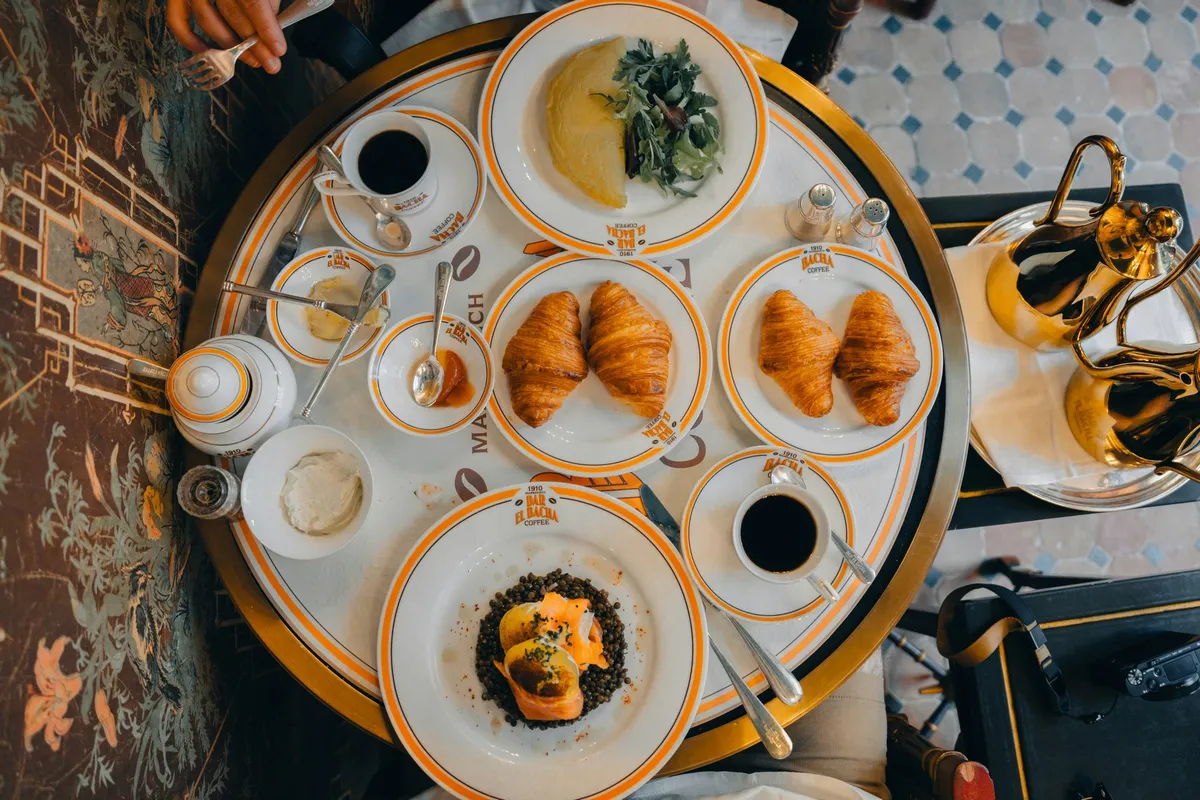
Croissant
The best way to start your acquaintance with French cuisine is with a croissant. Nothing reflects it quite like this famous pastry. But we're not talking about the frozen supermarket versions, but true French croissants, flaky, golden, fresh from the oven. A proper pastry should have a rich golden color, a crispy crust on the outside, and a soft, airy core of perfectly prepared dough with a significant amount of butter. Otherwise, the magic won't happen.
This is a classic French breakfast, easily found throughout the country. If you find yourself in Paris, head to La Maison Stohrer on Rue Montorgueil. It's one of Paris's oldest patisseries, and they make delicious almond croissants there.

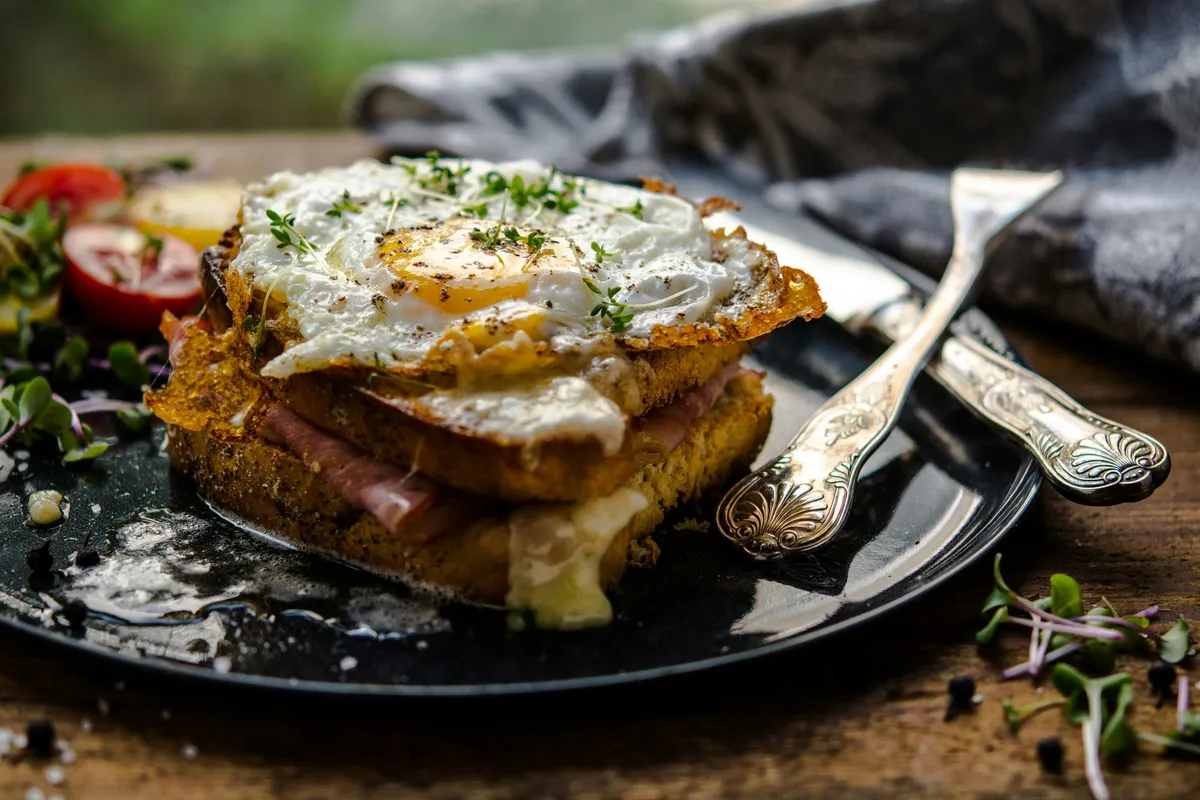
Croque Monsieur
Another option for starting the day. This "gentleman's sandwich" became a favorite dish in many Parisian cafes in the early 1900s. The ingredients are simple: bread, ham, Gruyère cheese, and béchamel sauce. Everything is fried until golden brown. Although its popularity declined over time, it has recently re-entered the menus of leading French cafes and restaurants, such as Le Fromage par Laurent Dubois MOF, TRAM, and Le Carreau.
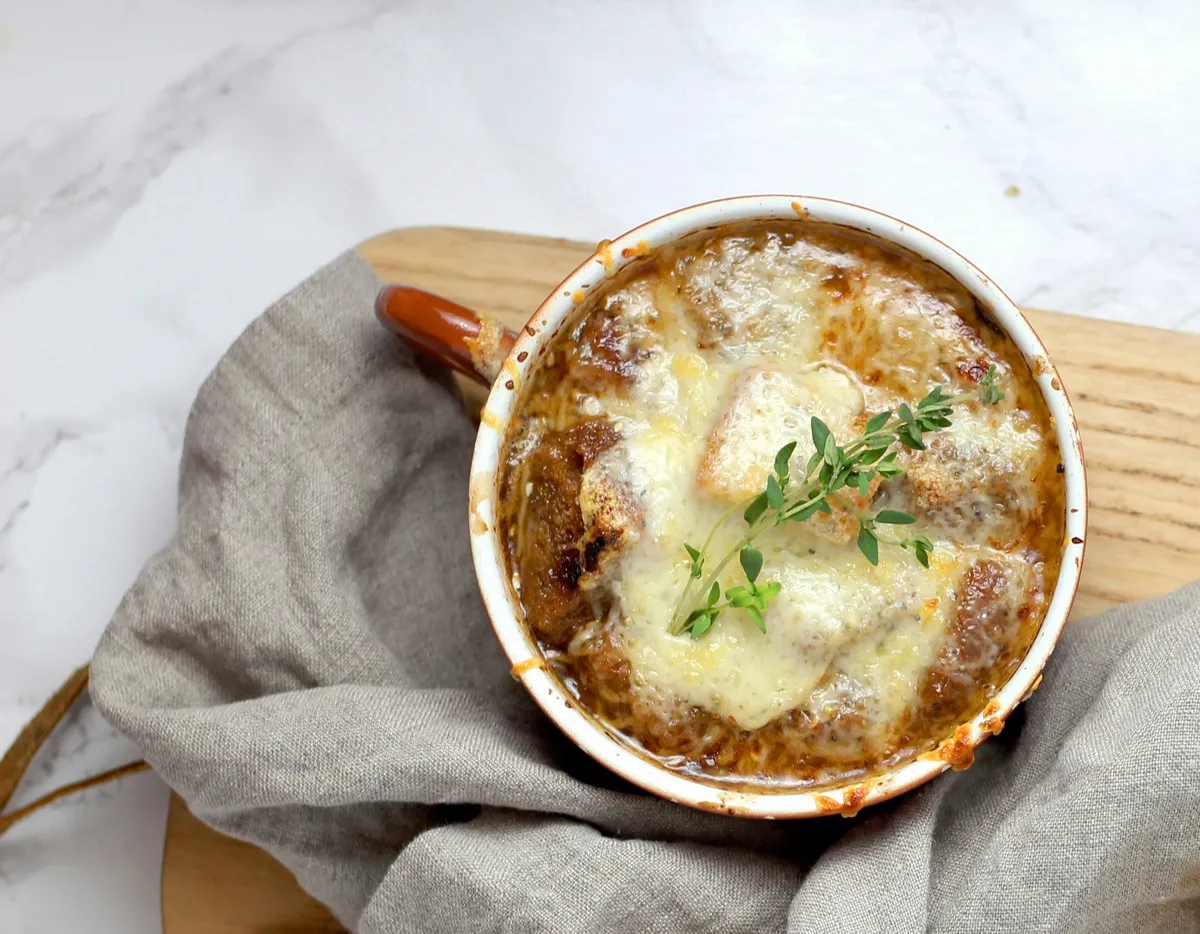
Onion Soup
French onion soup is a dish known for its scandalous reputation and royal ambitions. Its fame comes from the story that it was served on New Year's Eve or after weddings to mask the smell of alcohol (and as a hangover cure). Its royal ambitions are linked to both versions. One of them is with Louis XV, who, feeling hungry in one of his hunting lodges, made soup from the only ingredients available to him: onions, butter, and champagne. Since the 1700s, the famous French dish has undergone many changes and is now prepared with beef broth, onions, and bay leaves, which are simmered until a rich, silky, and slightly sweet soup is formed. It is served with a toasted slice of bread with cheese.
Salade Niçoise
A favorite dish of the French Riviera is Salade Niçoise, which is clear from its name: à la niçoise means "in the style of Nice." Ingredients may vary depending on the season (e.g., artichokes may be added), but the base includes tomatoes, anchovies, green beans, tuna, capers, and black olives, topped with a boiled egg. This is a fairly healthy French dish, best eaten in summer, drizzled with a dressing of lemon, garlic, and olive oil.
Cassoulet
Moving on to main courses that reflect the French style of cooking, and the best example is cassoulet. Although there are various regional variations, it is essentially a hearty stew based on white beans, pork tenderloin, pork belly, and sausages. However, some regions also add duck, goose, and even lamb. The meat is cooked for several hours with vegetables for flavor. Eventually, the beans become soft and mushy, and the meat is tender and melts in your mouth. Originally a peasant dish, it is loved and revered in many parts of France.
Boeuf Bourguignon
Essentially, it's beef stew with a generous amount of red wine. The recipe is believed to have originated in the Burgundy region (hence the name), known for its red wines and excellent beef. Traditionally, the dish is prepared with small pearl onions, mushrooms, and bacon, all simmered in broth until a rich, dark brown sauce forms. The meat is served with potatoes and, of course, a glass of Burgundy wine.
Bouillabaisse
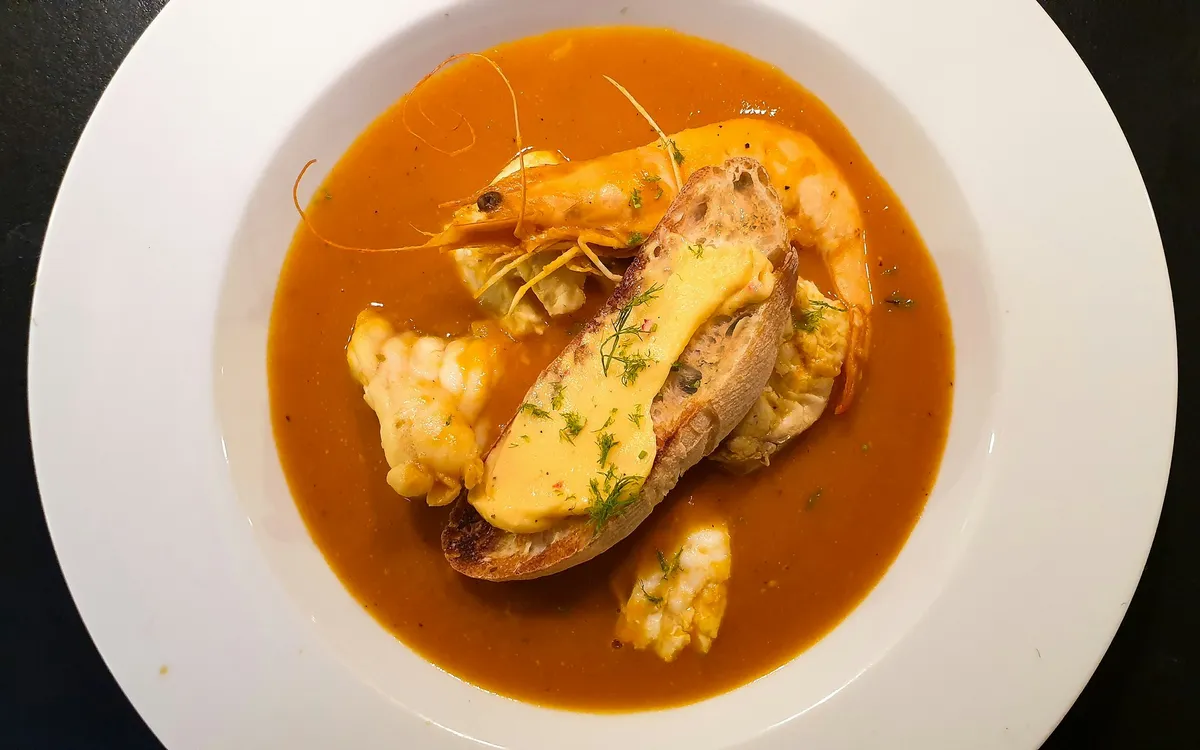
If you go to Provence, or more precisely, to Marseille, you'll notice that many typical French dishes here are prepared with fish. One of the most famous local recipes is bouillabaisse. This is a Marseillaise fishermen's soup, based on fennel, garlic, onions, tomatoes, thyme, bay leaf, olive oil, orange zest, and saffron. Fish, along with its bones, is added to the mixture, and its type depends on the day's catch. It is usually served with boiled potatoes and a piece of bread.
Duck Confit
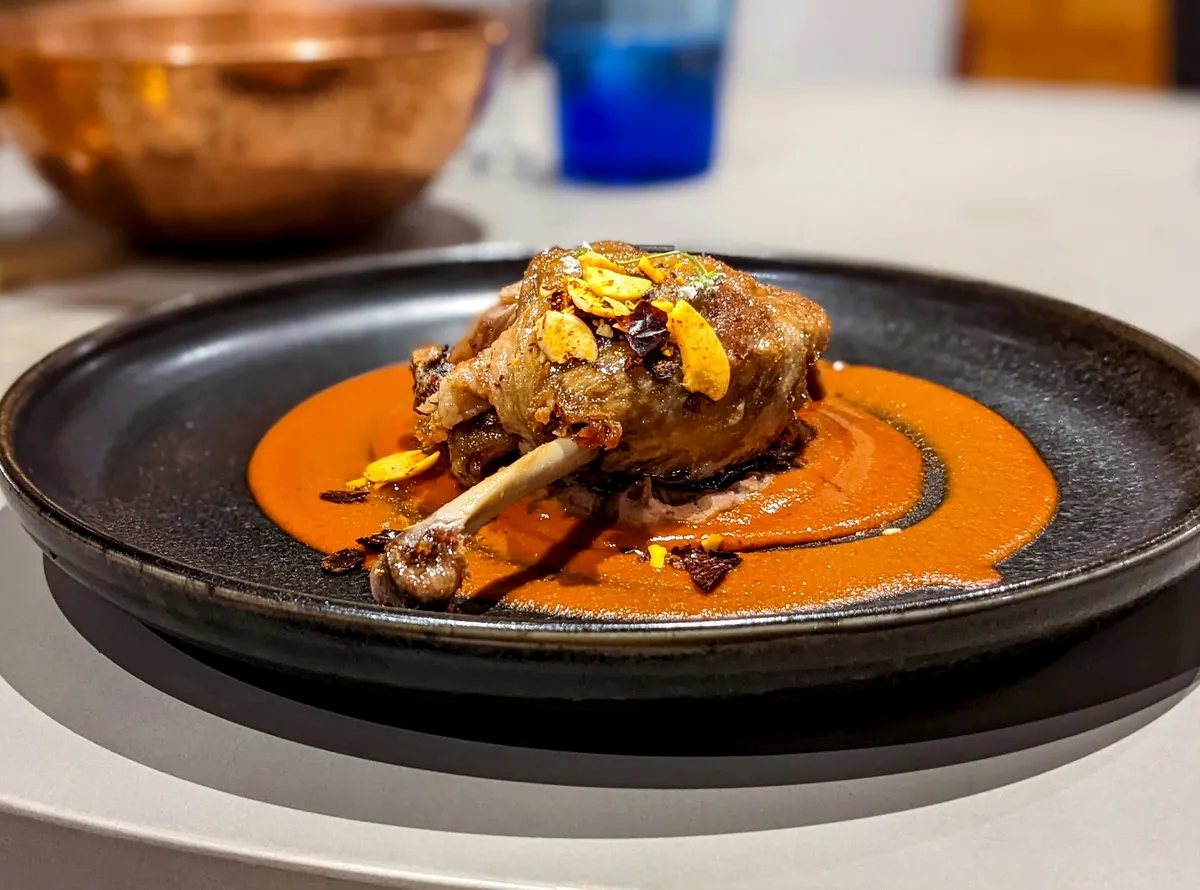
Originally, this was not a standalone dish, but rather a method of preserving meat before refrigerators existed. Now, duck confit is a mandatory item on any French restaurant menu and one of Gascony's most beloved dishes. The essence is as follows: the duck leg is first salted and left for 6-24 hours, then slow-cooked in its own fat at a low temperature (below 100°C) for 2-4 hours, and finally baked in the oven until a characteristic caramel-colored crust appears. It is served with potatoes (mashed or fried), apple jam, or a light salad with goat cheese. And, of course, a glass of wine.
Coq au Vin
You've probably already noticed the main leitmotif of French gastronomy – wine. It is either directly used during the preparation of a dish or arrives at the table at the last moment, already in a glass. Coq au Vin (rooster in wine) is a dish from both categories. Similar in preparation to Boeuf Bourguignon, Coq au Vin uses chicken as its base instead of beef. Onions, bacon pieces, and mushrooms are added. Then everything is covered with wine, after which the dish is slowly simmered on the stove or baked in the oven.
Crêpes Suzette
Another famous French dish, believed to have originated from a mistake. According to a beautiful legend, in 1895, a young chef's assistant at the Café de Paris in Monte Carlo was preparing a dessert for the future King Edward VII, and the sauce accidentally caught fire. But they didn't redo anything; they sent it out as it was. The future king liked the dish so much that he asked for it to be named "Suzette" after a lady in his entourage. The crêpes are served with a sauce based on butter, caramelized sugar, orange juice, and zest, usually with one or two scoops of ice cream.