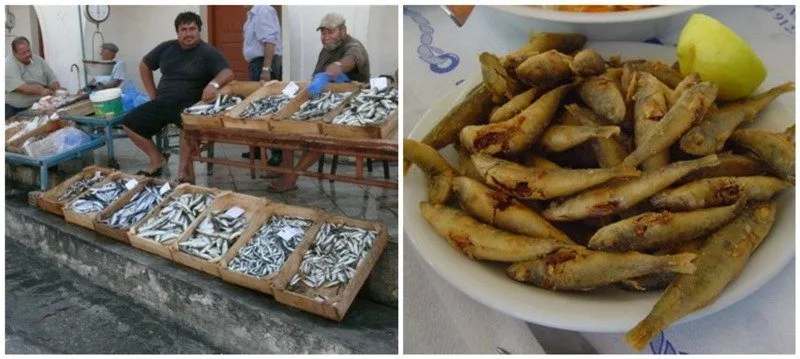
Street food by Greek rules
The first thing that comes to mind with the word fast food is obese Americans peacefully devouring a Big Mac somewhere on a ranch in Oklahoma. However, street food appeared much earlier than the food cult itself, skillfully hyped by the US press and later picked up by European countries.When the inhabitants of ancient Hellas realized that they could fry fish at busy intersections and sell it to passers-by right there, Native Americans still lived in America. So, the Greeks presented to the world not only philosophy, theater, and democracy, but also the habit of snacking on the go.
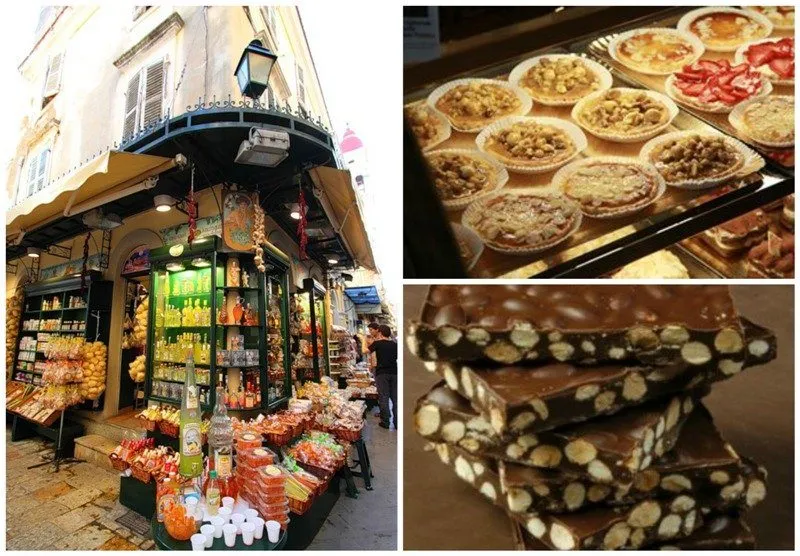
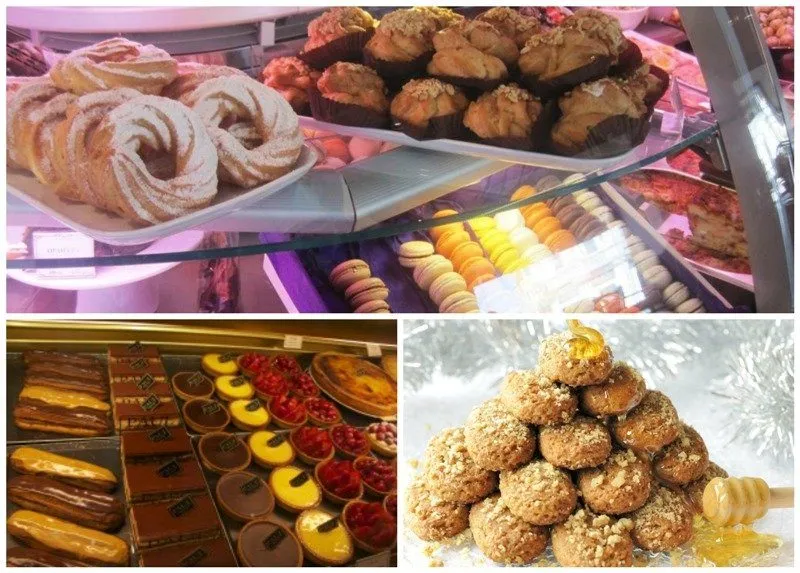
Transparent display cases with freshly baked buns, pastries drizzled with bright syrup, and pies with unknown fillings are so inviting. Taverns, cafes, patisseries, and eateries are harmoniously integrated into the narrow Greek streets. It's hard for even an ascetic to pass them by, and for brave street food tasters, it's a real find.
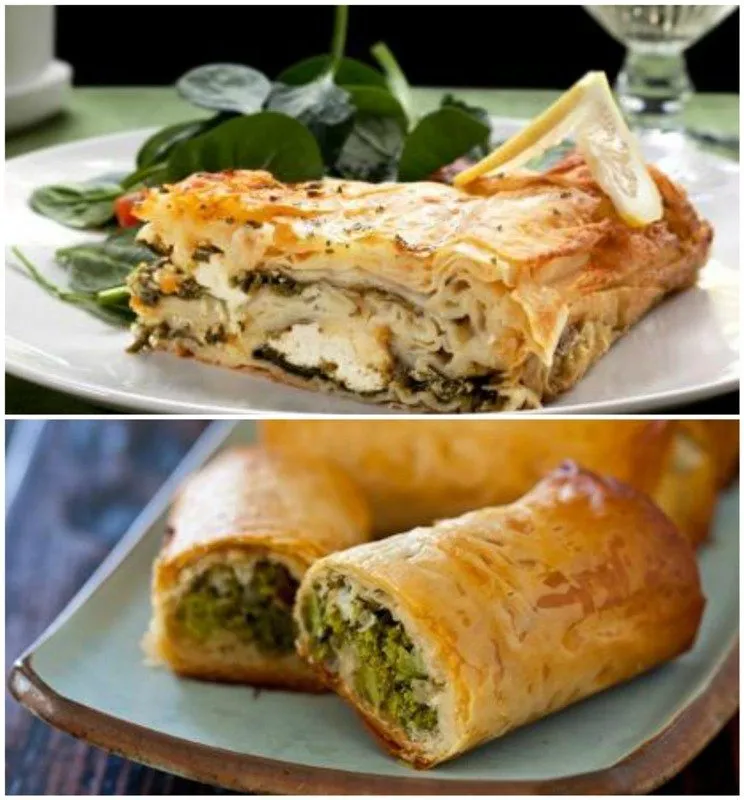
I'm sure that the hospitable owners of such shops tempt hundreds of passers-by daily with their culinary delights. The smell of fresh pastries has led me to similar establishments more than once:
- Yasu (hello), can you recommend something truly Greek?
The satisfied seller hands over a hot pastry:
- This is our national dish, “spanakopita”.
I anticipate a tomato sauce with mushrooms or, at worst, hot chocolate simmering in the folds of the dough, but no—spinach greets me, which, however, is also quite tasty. I think there was also an egg and some special cheese.For the sake of experiment, I decide to visit a couple more eateries to taste local delicacies. I don't look at the display cases; I just ask them to recommend a dish that highlights the local flavor. In Thessaloniki, Athens, and Corfu, “spanakopita” is invariably offered, which leads me to think: the cunning spinach simply haunts me!
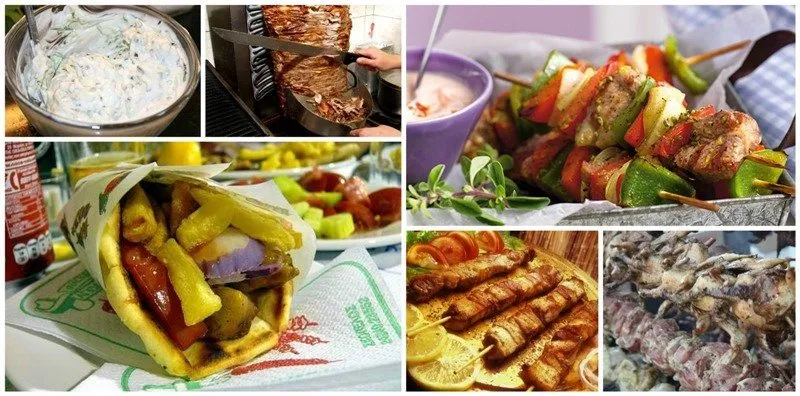
This can't go on any longer, so I set off in search of meat. I don't have to look long: small shops with appetizing meat dishes are quite common in all more or less large cities. The choice is made in favor of lamb pieces skewered on a thin stick interspersed with lemon. It looks like shashlik, but here it's called “souvlaki,” which literally translates to “skewer.”Greeks skewer pork, lamb, beef, and chicken. Moreover, at the buyer's request, the dish can be prepared right before their eyes. While the fire was cooking a portion of happiness for the stomach, I taste it and immediately decide to find out the recipe. Unfortunately, the chef was a tough nut to crack and only said that he used olive oil and lemon juice. He did not wish to reveal the names of the spices.Sometimes meat pieces are wrapped in a flatbread or pancake along with tomato, mushrooms, and cheese. “Gyros” - that's what the locals called this dish. Before making a “gyro,” the seller will definitely ask what filling you desire. Ingredients are in small metal containers displayed right in the window. The price is 3 to 7 euros, so order and enjoy!
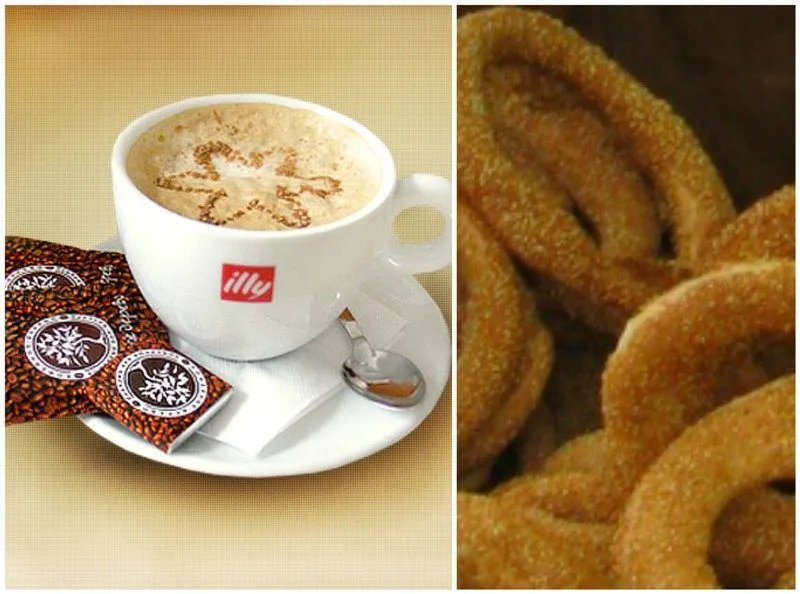
A gastronomic tour of Greece would not be complete without numerous pastries made from delicate puff pastry with fillings for every taste. The bakery-cafe format is very common here, and a warm pastry with aromatic freddo-cappuccino or frappe is the best option for a midday snack.Specifically, a midday snack, because Greeks don't usually have a heavy breakfast. It's usually limited to a cup of strong coffee and “koulouri” - the famous sesame bagel, which has caused discord between Greek and Turkish culinary experts who still can't decide whose cuisine it belongs to. Well, at least they're not arguing over territory. Street vendors don't delve into these disputes and offer the national delicacy to passers-by for 0.50 euros.
It's simply impermissible to write about street food and not touch upon the topic of desserts. Thanks to their small weaknesses, Greeks have earned a reputation as avid smokers and big sweet tooths.Sweet tooths know where to indulge, and it's not a supermarket at all. The most delicious biscuits, soufflés, and chocolates are found in “zacharoplastio” - small family patisseries. If you're in a hurry, it's better to avoid such shops. I had never seen so many delicious things gathered in one place before. Your eyes wander, and you can stand there confused for a good half an hour.I did get to try some things, so I hasten to share my impressions. Lovers of chocolate cakes will surely love “tourta”. It's something between baklava and sponge cake. The dish is soaked in sweet syrup and decorated with grated chocolate, fresh fruits, and whipped cream. You can buy a whole cake, which will cost around 15-20 euros per kilogram, or an individual slice.
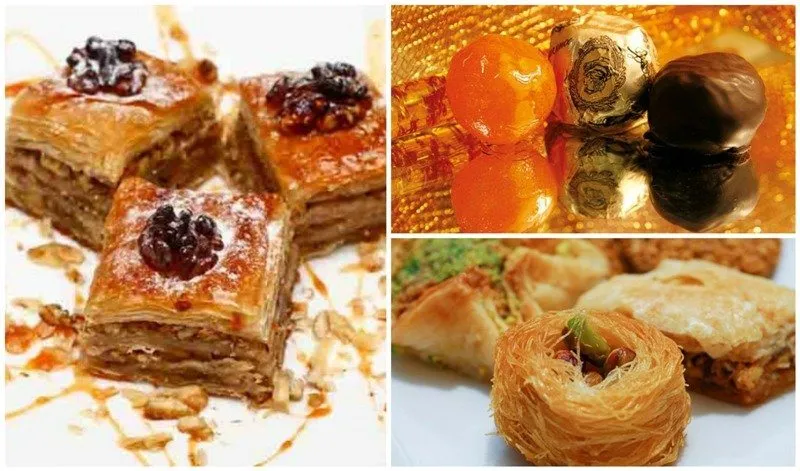
The first sweet I tried here was “kadaifakia”. These are nuts with honey, wrapped in thin strands. For a long time, I thought it was special pasta soaked in sugar syrup. In fact, a special “hairy” kadaif dough is used for preparation.A special delicacy here is “sokolatakia”, candied fruits covered in chocolate. They are usually piled up and placed in the most prominent spot. Excellent taste and reasonable price – you can buy 2-3 pieces for 1 euro, which ensures high demand for these fruit chocolates.
Despite the fact that Greeks can no longer imagine their lives without fast food, it doesn't cause significant harm to their health. Street food vendors try to make their products not only tasty but also healthy. And soon, the Greek government plans to introduce an additional tax on the sale of food with high sugar and fat content.