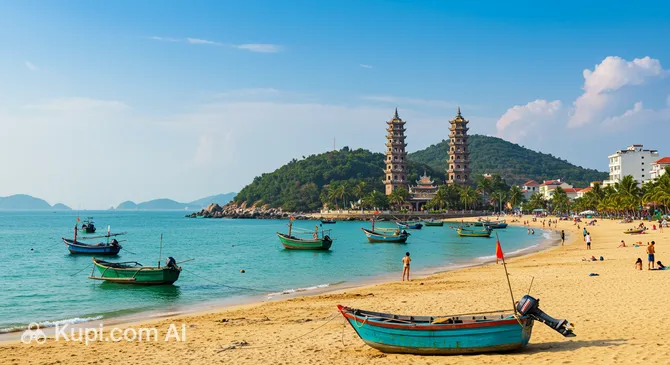
Qui Nhon is not only defined by its coastline but also by its serene green spaces and rich cultural repositories that narrate the region's storied past. For travelers looking to step away from the sand and delve into the local heritage or enjoy a quiet stroll amidst nature, the city offers a variety of parks, museums, and historical sites that are easily accessible from the city center.
One of the most scenic natural areas in the city is the Ghenh Rang - Tien Sa tourist area, located just a few kilometers south of the downtown core. This hillside park is famous for its rocky cliffs, lush vegetation, and panoramic views of the bay. It is also a place of literary pilgrimage, as it houses the tomb of the celebrated Vietnamese poet Han Mac Tu. Visitors can walk through the "Poetry Garden," where his verses are inscribed on large stones using "fire pens," creating a unique blend of art and nature that reflects the romantic soul of the region.
For a more central green space, the promenade running along Quy Nhon Beach serves as the city's main outdoor living room. This expansive landscaped park stretches for kilometers, featuring manicured gardens, sculptures, and wide walking paths shaded by coconut palms. In the early mornings and late afternoons, it becomes a hub of activity where locals practice Tai Chi, jog, or simply relax on the benches to enjoy the sea breeze, making it an excellent spot for tourists to observe local life in a refreshing environment.
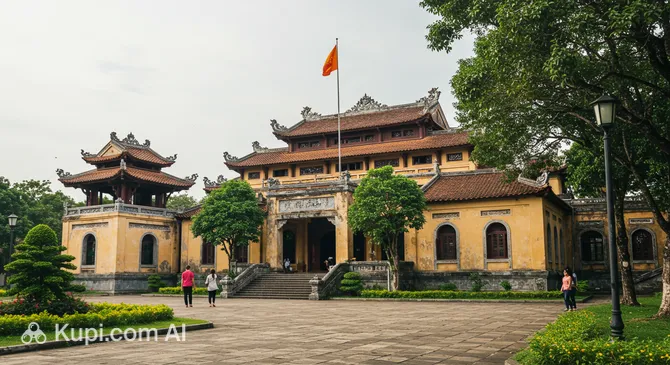
In terms of museums, the Binh Dinh General Museum is a key institution for understanding the area's history, particularly its connection to the Champa civilization and the Tay Son dynasty. The museum houses thousands of artifacts, including Cham sculptures, ceramics, and weapons, offering a comprehensive overview of the province's development through different eras. It provides valuable context for the ancient structures seen around the city and is a quiet, educational retreat from the midday sun.
History enthusiasts should not miss the Twin Towers of Quy Nhon, which function as an open-air museum of Champa architecture. Standing within a well-maintained park in the heart of the city, these towers are surrounded by green lawns and tropical plants, allowing visitors to admire the intricate brickwork and sandstone reliefs up close. The site is a peaceful sanctuary that contrasts sharply with the modern buildings surrounding it, serving as a tangible link to the 12th century.
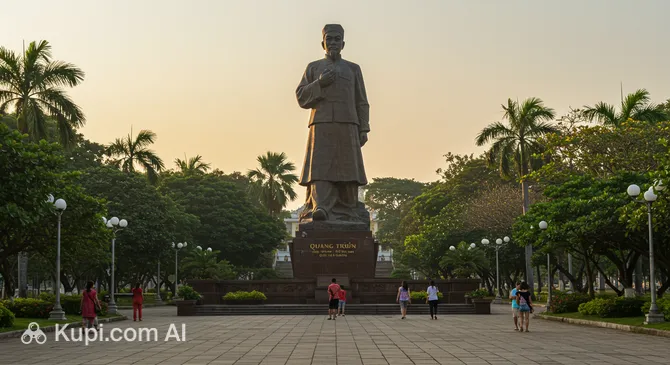
Another significant landmark is the square housing the Quang Trung Statue. While primarily a monument, the surrounding area acts as a public plaza and cultural venue. The statue commemorates the national hero Nguyen Hue (Emperor Quang Trung), and the site often hosts cultural events and festivals. It is a proud symbol of the city and offers a glimpse into the reverence the local people hold for their historical leaders.
For an authentic insider experience, consider visiting the Quy Hoa Leper Colony (now a village) located near Ghenh Rang. Far from being a gloomy place, it is a serene village filled with beautiful French colonial architecture and tree-lined avenues. It offers a tranquil atmosphere and a unique architectural heritage that few tourists take the time to explore.