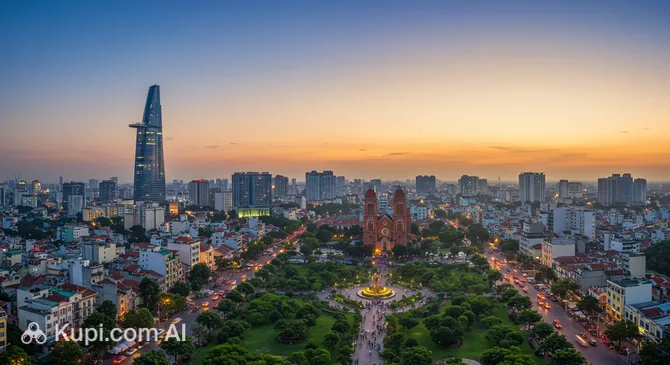
Public transport in Ho Chi Minh City is a developing network that primarily relies on an extensive bus system, supplemented by emerging modern rail lines and unique river transport. While the city is famous for its motorbike traffic, tourists have several viable options for navigating the metropolis, ranging from affordable public buses to convenient ride-hailing services.
The backbone of the city's public transit is the public bus network. Easily recognizable by their green exterior, these buses cover nearly every corner of the city, including major tourist attractions and the airport. For visitors, the most useful tool for navigating this system is the "BusMap" mobile app, which provides routes, stops, and arrival times in English. Tickets are incredibly cheap, typically costing between 5,000 and 7,000 VND per ride. Payment is usually made in cash directly to the conductor on board, so it is essential to carry small bills, as they may not have change for large denominations.
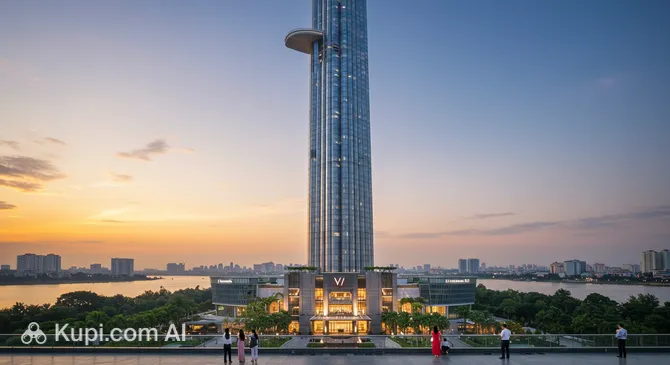
A more scenic and increasingly popular way to travel is the Saigon Waterbus. This river transit system connects District 1 with the riverside districts, offering a traffic-free journey with stunning views of the skyline. The route runs along the Saigon River, making stops at key locations like Bach Dang Wharf and Landmark 81. Tickets can be purchased at the station counters or online, and seats are assigned. It is a fantastic way to combine sightseeing with transportation, especially during sunset.
The city is also in the process of modernizing with the Ho Chi Minh City Metro. Line 1 (Ben Thanh – Suoi Tien) connects the city center with the eastern districts. As the network is still in its early stages compared to other Asian metropolises, its coverage is currently limited to specific corridors. Stations are modern and equipped with automated ticket machines, offering a cool and fast alternative to the congested streets above.
For most tourists, however, the most practical and flexible alternative to public transport is ride-hailing. Apps like Grab, Gojek, and Be are ubiquitous and highly recommended. They allow you to book both cars and motorbike taxis (known locally as "Xe Om") with a fixed price upfront, eliminating the language barrier and the risk of overcharging. Riding on the back of a motorbike taxi is a quintessential local experience and often the fastest way to cut through traffic.
Traditional taxis are also plentiful. Reliable companies include Vinasun (white cars) and Mai Linh (green cars). When taking a traditional taxi, always ensure the driver turns on the meter at the start of the journey. If you prefer a slower pace, "cyclos" (three-wheeled bicycle taxis) are available in tourist areas, but these are more for sightseeing than practical transport; always negotiate the price firmly before getting in.
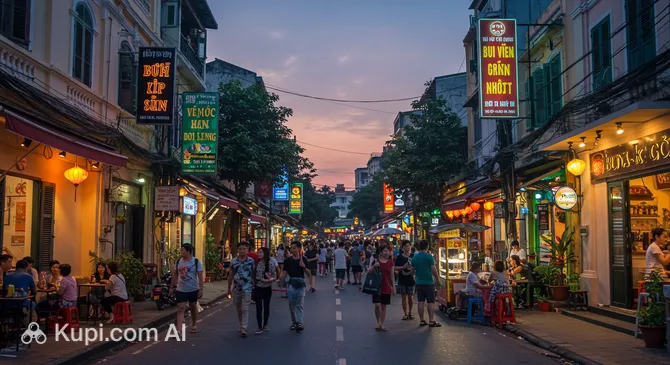
A few practical tips will smooth your journey: public buses generally operate from 5:00 AM to around 9:00 PM, so alternative transport is needed for late-night outings. Avoid public transport during rush hours (7:00 AM – 9:00 AM and 5:00 PM – 7:00 PM) if possible, as buses can get extremely crowded and stuck in gridlock. Finally, while walking is an option in District 1, be prepared for sidewalks often occupied by parked motorbikes and street vendors.