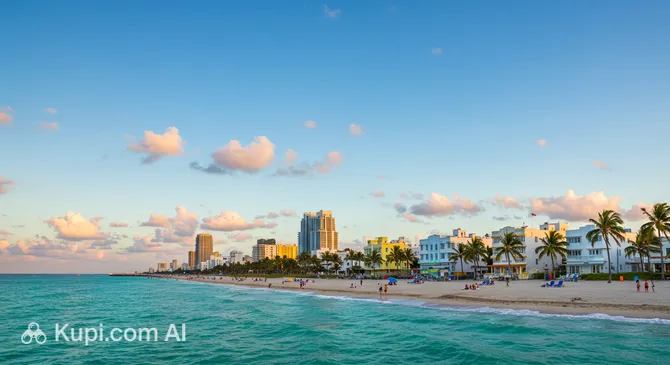
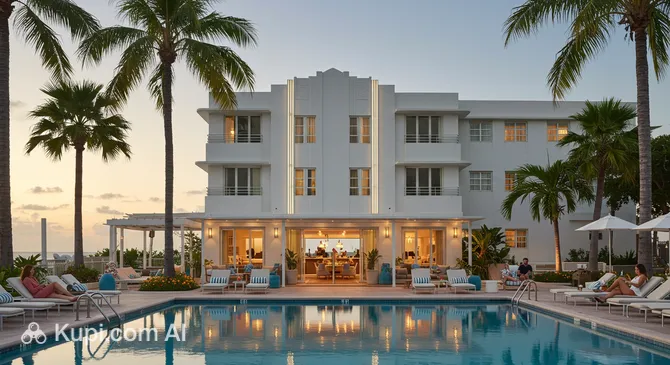
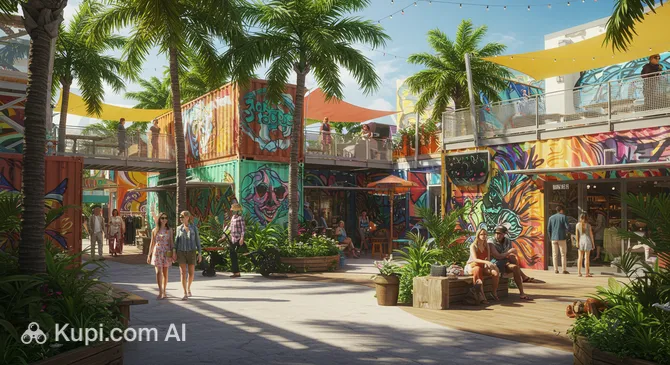
Miami Beach is a world-famous resort city, synonymous with luxurious beaches, the turquoise waters of the Atlantic Ocean, and a unique atmosphere of eternal celebration. Located on barrier islands off the southeast coast of Florida in the USA, this city attracts travelers from all over the world with its sunny climate, vibrant nightlife, and unique architectural heritage. With a population of about 83,000, Miami Beach offers an environment that is both cozy and dynamic.
Miami Beach. Illustration.
Source: Kupi.com AI
The heart of the city is undoubtedly the famous South Beach, with its white sands and the colorful Art Deco District, where every building is a work of art. Stroll along the legendary Ocean Drive, enjoying views of the ocean, palm trees, and stylish cafes. For lovers of shopping and gastronomic delights, a visit to the pedestrian-only Lincoln Road is a must, offering numerous boutiques, restaurants, and galleries.
Miami Beach is not just a place for a beach holiday; it is an entire world full of energy, beauty, and unforgettable impressions. Discover its many facets, and it will stay in your heart forever!
Miami Beach is famous for its warm climate throughout the year. Expect a hot and humid summer: average temperatures from June to September are usually around 27°C – 28.5°C. Daily highs in July and August often exceed 30°C (averaging 30.5°C – 30.6°C), while in June and September they stay around 30°C (averaging 29.6°C and 30.0°C respectively). The summer period is also characterized by high humidity and frequent rain; for example, in August, the number of rainy days can reach 28, while the highest amount of precipitation (in mm) falls in June (8 mm) and September (7 mm). Winters here are very mild and significantly drier, with average temperatures around 20°C – 23°C from December to February (from 20.8°C in January to 22.7°C in February) and minimal precipitation, usually around 2 mm per month. To learn more about the resort's climatic features and plan your trip for the best time, check out the Miami Beach Climate page.
Average monthly temperature
Average monthly precipitation
Interesting Facts
Beyond its world-famous beaches and bustling nightlife, Miami Beach hides many amazing stories and little-known details. Ready to look at this famous resort from a different angle?
Lummus Park. Illustration.
Source: Kupi.com AI
Traveler photos:
Miami Beach is largely a man-made island. Originally a stretch of mangrove swamps and sandbars, enterprising developers like Carl Fisher transformed it into a paradise resort through massive dredging and land reclamation projects in the early 20th century.
Birthplace of sunscreen. It is believed that the first commercially successful sunscreen formula, which later became the famous Coppertone, was developed by pharmacist Benjamin Green right here in Miami Beach. This happened during World War II while he was looking for a way to protect soldiers from the scorching Florida sun.
Art Deco Capital of the World. The historic Art Deco District in South Beach features more than 800 buildings constructed between 1923 and 1943. It is the world's largest concentration of Art Deco architecture and is recognized as a national historic district. The preservation of this unique heritage is largely thanks to community activists, and one of the district's gems is Lummus Park, which stretches along Ocean Drive.
Carl Fisher's PR Elephants. One of the "founding fathers" of Miami Beach, Carl Fisher, was a true master of advertising. To draw attention to his ambitious project of turning a swampy area into a fashionable resort, he used a very unusual method—he brought in elephants! Photos of elephants "helping" clear the land or posing against the ocean backdrop became a sensation and attracted the first investors and tourists.
How to Get There
Miami Beach is located on barrier islands, so traveling here usually involves a flight to mainland Florida followed by a short car or bus ride. You can find all the details and plan your perfect route on the how to get to Miami Beach page, and below we look at the region's main transportation hubs.
The closest and most convenient option for most tourists is Miami International Airport (MIA). It is important to note that geographically it is located on the mainland, right in the city of Miami, about 16 km from the Miami Beach resort area. A taxi or transfer will take about 30-45 minutes. It is one of the country's largest hubs, receiving flights from all over the world.
An alternative option often chosen for budget flights is Fort Lauderdale-Hollywood International Airport (FLL). It is located in the city of Fort Lauderdale, 31 km from Miami Beach. The journey from here takes a bit longer—approximately 1 hour and 10 minutes by car—but this airport is popular due to the large number of low-cost carrier flights.
Below is information on the main airports serving this destination:
Rail service in Florida is actively developing, offering a comfortable way to travel along the coast. One of the key points is the MiamiCentral Station (Brightline). It is located just 6-7 km from the center of Miami Beach, making it convenient for those arriving from other cities in the state, such as Orlando or West Palm Beach. The trip from the station to your hotel by taxi takes about 20-30 minutes.
You can also use the Fort Lauderdale Station, located about 30 km from the resort. This may be convenient if you are planning a combined route along the coast.
Miami Beach offers its guests many interesting places, from lively parks to cultural centers and secluded natural corners. Here are just a few attractions to include in your itinerary:
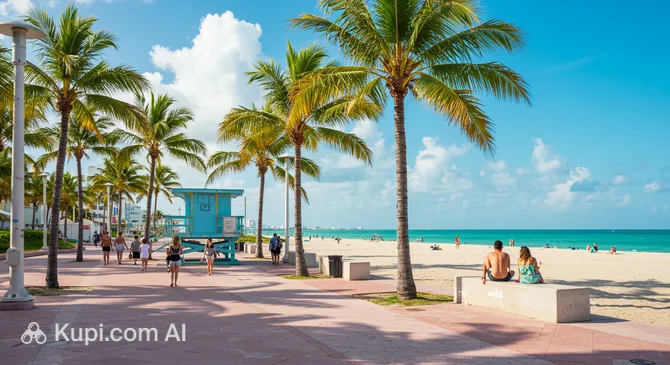
One of the most iconic spots is Lummus Park. This picturesque park, stretching along the famous Ocean Drive in South Beach, is a green oasis with palm trees, walking paths, and direct beach access. It is the perfect place for walking, rollerblading, people-watching, and soaking up the classic Miami Beach atmosphere. The park is often a site for photo shoots and film sets thanks to its postcard-perfect views.
Lummus Park. Illustration.
Source: Kupi.com AI
Traveler photos:
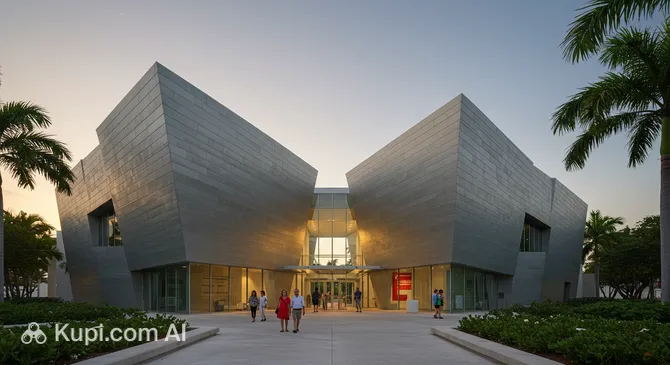
For art lovers, the Museum of Contemporary Art North Miami (MOCA) is a must-visit. The museum is known for its collection of works by contemporary artists, including both established masters and rising stars. It regularly hosts exhibitions, lectures, and educational programs, making it an important cultural center in the region. This is a great opportunity to take a break from the beach and immerse yourself in the world of modern art.
Museum of Contemporary Art North Miami. Illustration.
Source: Kupi.com AI
Traveler photos:
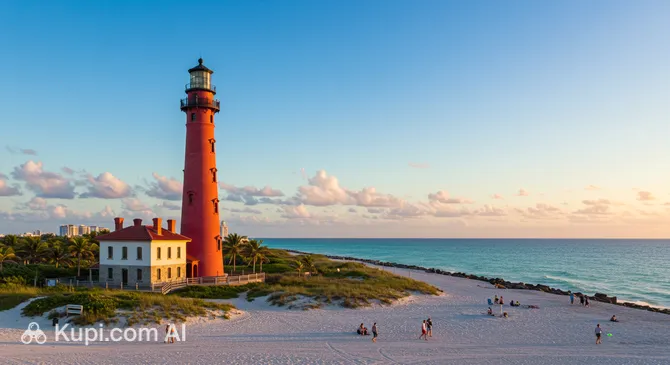
If you are looking for a connection with nature and a bit of history, head to Bill Baggs Cape Florida State Park. Located at the southern tip of Key Biscayne, this park offers more secluded beaches, as well as opportunities for fishing, picnicking, and cycling. The park's main attraction is the historic Cape Florida Lighthouse, built in 1825, which offers stunning views of the ocean and the surrounding area.
Bill Baggs Cape Florida State Park. Illustration.
Source: Kupi.com AI
Traveler photos:
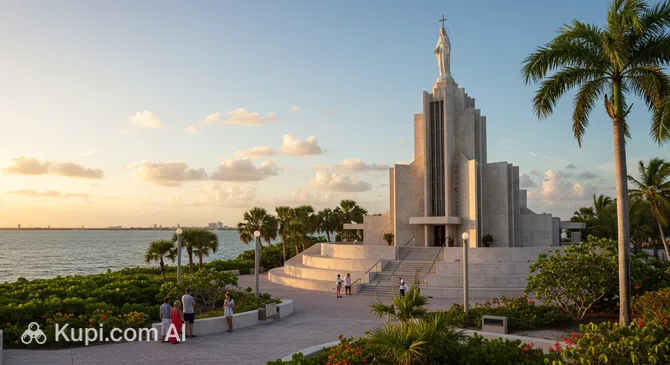
An unusual and peaceful place to visit is the Shrine of Our Lady of Charity (La Ermita de la Caridad). This beautiful Catholic church, dedicated to the patroness of Cuba, is an important spiritual center for the local community. Its conical shape and location on the shores of Biscayne Bay make it architecturally striking and photogenic. It offers visitors a chance for quiet contemplation and an introduction to local cultural heritage.
Shrine of Our Lady of Charity. Illustration.
Source: Kupi.com AI
Traveler photos:
Local Cuisine
The gastronomic scene in Miami Beach is a vibrant kaleidoscope of flavors reflecting the city's multicultural character. American culinary traditions are closely intertwined with influences from Latin America—especially Cuba—and the Caribbean islands, giving birth to a unique style known as "Floribbean." Travelers can expect a true feast of fresh seafood, exotic fruits, and aromatic spices.
Among the dishes you must try in Miami Beach, fresh seafood stands out. Stone Crabs are particularly popular, with the season lasting from October to May—they are a true local delicacy. Equally famous is the Cuban Sandwich—a hearty combination of roasted pork, ham, Swiss cheese, pickles, and mustard on crusty Cuban bread. For dessert, be sure to order Key Lime Pie—a classic Florida treat with a delicate tartness.
As for drinks, mornings in Miami Beach often begin with a Cuban "cafecito"—a strong and sweet espresso. Throughout the day, freshly squeezed juices made from mango, guava, or orange are perfectly refreshing. As evening falls, it's time for the famous cocktails: mojitos, daiquiris, and other rum-based drinks are prepared excellently here. Craft beer is also gaining popularity in the city.
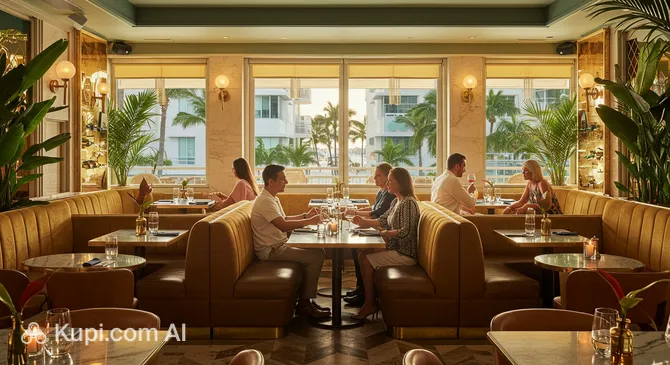
The dining culture in Miami Beach is very diverse. You can find venues for every taste and budget: from affordable food trucks and cozy seaside cafes to luxurious fine-dining restaurants with ocean views. Locals and tourists love to dine in lively areas like Ocean Drive or Lincoln Road, where many gastronomic spots are concentrated. For example, you can stop by the restaurant Crazy About You to enjoy a meal in a pleasant atmosphere. Overall, the city's gastronomic life is buzzing, offering both traditional dishes and bold culinary experiments.
Crazy About You. Illustration.
Source: Kupi.com AI
Traveler photos:
Diving into the culinary world of Miami Beach is an essential part of the journey. The city offers an unforgettable gastronomic experience, full of bright flavors, fresh ingredients, and a unique atmosphere of eternal celebration that will definitely be remembered by every gourmet.
Travel Tips
Planning an unforgettable trip to sunny Miami Beach? To make your trip as comfortable as possible and leave only pleasant impressions, we have prepared some practical tips. These recommendations will help you better navigate the city and enjoy your vacation to the fullest!
Clothing and Essentials: The climate in Miami Beach is tropical, so bring light and breathable clothing made from natural fabrics. Swimsuits, sunscreen with a high SPF, sunglasses, a hat, and comfortable shoes (sandals, flip-flops, light sneakers) are essential. For evening outings to some restaurants or clubs, you might need dressier but still not overly formal attire. Don't forget an adapter for American outlets (Type A and B). When visiting the Shrine of Our Lady of Charity or other religious sites, choose modest clothing that covers shoulders and knees.
Getting Around: There are several ways to get around Miami Beach. Public transport is represented by Metrobus buses and the free Miami Beach Trolley shuttles that run along popular routes. Taxis and ride-sharing apps (e.g., Uber, Lyft) are widely available and convenient. Renting a car can be useful if you plan to explore the surroundings, but keep in mind that parking in tourist areas, especially in South Beach, is expensive and often difficult. Many areas, including the famous South Beach, are perfect for walking, and bicycle rentals are also popular.
Finances and Tipping: The official currency is the US Dollar (USD). You can exchange currency at banks, exchange offices, or at the airport, though banks and ATMs usually offer the best rates. Credit and debit cards (Visa, MasterCard, American Express) are accepted almost everywhere. Notify your bank about your trip to avoid card blocking. ATMs are easy to find throughout the city. Miami Beach can be a fairly expensive city; an estimated daily budget per person (excluding accommodation) can range from $150-200. Tipping culture in the USA is very developed: it is customary to leave 15-20% of the bill in restaurants, $1-2 per drink for bartenders, and to tip housekeepers, porters, and taxi drivers.
Health and Safety: Pharmacies (e.g., CVS, Walgreens chains) are located in many areas, some operating 24/7. If medical assistance is needed, hospitals and urgent care centers are available to tourists; it is highly recommended to have travel insurance, as medical services in the US are expensive. Most tourist areas, such as South Beach, are quite safe, especially during the day. However, as in any large city, remain vigilant, especially after dark and in less crowded places. Do not leave valuables unattended on the beach or in your car. Be sure to drink plenty of water to avoid dehydration and use sunscreen.
Communication and Language: The primary language is English. However, due to the large Spanish-speaking population, Spanish is also very common, and knowing a few phrases in Spanish (e.g., "Hola" – hello, "Gracias" – thank you) will be received warmly. A local SIM card can be purchased at the airport or at mobile phone stores. Wi-Fi is available in most hotels, cafes, and some public areas. Apps for calling taxis, navigation, and tracking Miami Beach Trolley routes can be very useful.
Local Etiquette and Socializing: Miami Beach residents are generally friendly and open. Greetings are usually informal—"Hi" or "Hello." In public places, respectful behavior towards others is valued. Although the atmosphere at the resort is relaxed, a smart casual style may be appropriate for more expensive restaurants or clubs in the evening. Remember that Miami Beach includes residential areas as well as beaches, so try not to make noise late at night.
What to Avoid: Try not to underestimate the power of the Florida sun—use protection and avoid prolonged exposure to direct sunlight during peak hours. Do not leave trash on the beaches—respect nature and the cleanliness of public spaces. Also, avoid feeding wild animals, including birds on the beach, as this can disrupt their natural behavior and attract them in large numbers.
Local Tip: Be sure to take advantage of "Happy Hour," which many Miami Beach bars and restaurants offer, usually on weekday afternoons. This is a great opportunity to try local cocktails and appetizers at more attractive prices and feel the city's relaxed atmosphere.
We hope these tips will make your stay in Miami Beach even more pleasant and carefree. Enjoy the sun, the ocean, and the unique energy of this amazing city!
Entertainment & Nightlife
When the sun sets over Miami Beach, the city transforms, lighting up with neon and diving into the bubbling atmosphere of nightlife. This world-class resort is famous for its legendary parties, stylish bars, and clubs where the fun doesn't stop until morning. Everyone will find entertainment to their liking here—from relaxed rooftop lounges to mega-clubs featuring world-renowned DJs.
The heart of Miami Beach nightlife beats in the South Beach district. As darkness falls, the famous Ocean Drive turns into the epicenter of fun, with numerous bars and restaurants playing music. Parallel to it, Collins Avenue and the perpendicular Washington Avenue are known for their major nightclubs. For a more sophisticated evening with cocktails, head to Lincoln Road, which is home to elegant bars and lounges. The atmosphere here is predominantly stylish and energetic, with an international and fashionable crowd. Many venues, especially clubs, have a "smart casual" or "dress to impress" dress code, and parties often start late, after 11:00 PM, and continue until dawn.
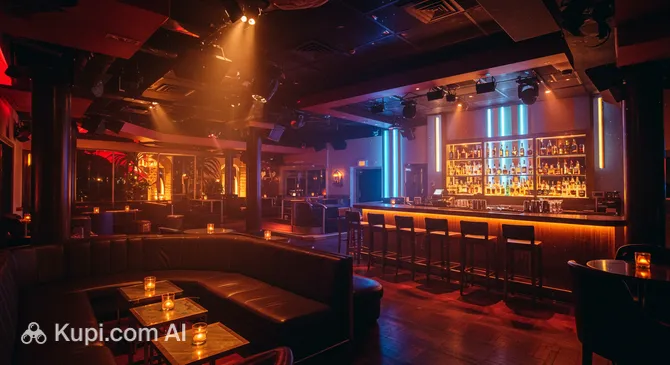
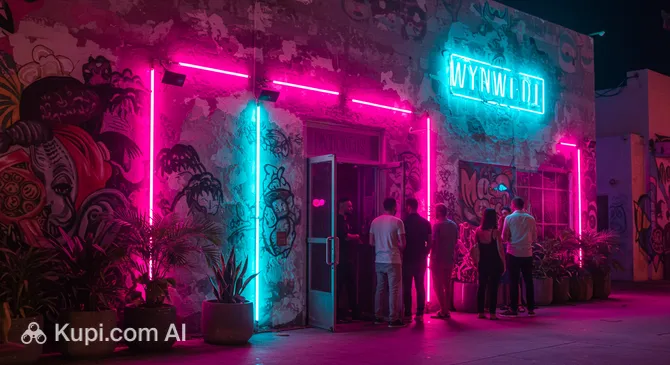
Among the many venues, several are particularly popular. For example, lovers of high-quality music and atmospheric parties might enjoy Dante's HiFi, known for its vibrant sets. Another spot attracting party-goers is El Patio Wynwood, which offers a lively atmosphere and dancing until the early hours. If you prefer a more intimate bar setting, stop by Pastis Miami to enjoy signature cocktails.
Dante's HiFi. Illustration.
Source: Kupi.com AI
Traveler photos:
When planning your nighttime leisure, keep in mind that entry to popular clubs often requires a fee, and drink prices can be quite high, especially in venues on the first line. To guarantee entry to a trendy spot, it sometimes makes sense to book a table in advance. The most convenient way to get around Miami Beach at night is by taxi or using ride-sharing apps (such as Uber or Lyft), which are widely available.
El Patio Wynwood. Illustration.
Source: Kupi.com AI
Traveler photos:
Regarding safety, main tourist areas like South Beach are generally safe for nighttime walks, especially on busy streets. Nevertheless, it is always worth remaining vigilant, avoiding poorly lit and deserted areas, and keeping an eye on your belongings. Use official services or trusted apps to call a taxi.
Although Miami Beach is primarily famous for its nightlife, there is also plenty to do during the day. The city offers diverse cultural entertainment: you can visit theaters, art galleries, or, for instance, the Museum of Contemporary Art North Miami. For fans of active recreation, numerous parks like Lummus Park are always open, perfect for walks and outdoor sports.
Parks & Museums
Miami Beach is not just about world-famous beaches and vibrant nightlife; it is also a city offering many opportunities for cultural enrichment and outdoor relaxation. Here you will find well-maintained green areas for leisurely strolls as well as interesting museums showcasing art and history, complementing the city's already mentioned gems.
In addition to the well-known Lummus Park, which is a hallmark of Ocean Drive, and the natural splendor of Bill Baggs Cape Florida State Park with its historic lighthouse, there are other wonderful green corners in Miami Beach. For instance, South Pointe Park, located at the very southern tip of Miami Beach, offers breathtaking panoramic views of passing cruise ships, downtown Miami, and the Atlantic Ocean. It is a wonderful place for walking, picnicking, and watching the sunset. For a more secluded and meditative break, the Miami Beach Botanical Garden is ideal. This compact but charming oasis features a collection of tropical plants, a Japanese garden, water features, and an atmosphere of tranquility in the heart of the city.
The cultural life of Miami Beach is also not limited to the Museum of Contemporary Art North Miami (MOCA), which introduces current trends. It is worth paying attention to The Bass, housed in a magnificent historic Art Deco building. Its exhibits are dedicated to international contemporary art, and its temporary exhibitions are often significant events in the city's cultural life. Equally unique is The Wolfsonian-FIU, which explores how art and design reflect and shape the human experience, with a special focus on the period from 1850 to 1950. Its collections include furniture, graphics, industrial design, and rare books, often with a focus on propaganda art.
The city's architectural heritage, beyond the famous Art Deco Historic District—which is an open-air museum in its own right—is represented by other interesting sites. The charming pedestrian street Española Way will transport you to the atmosphere of a Mediterranean village with its characteristic architecture, cozy restaurants, and boutiques. It is a wonderful place for an evening stroll and dinner. And for those seeking spiritual peace, the Shrine of Our Lady of Charity remains an important and architecturally notable site.
For an authentic experience and a look at the quieter side of the resort, consider visiting the North Beach area. Here you will find wider and less crowded beaches, parks, and Mid-century Modern residential architecture, offering a different perspective on Miami Beach away from the hustle and bustle of South Beach.
Getting Around
Getting around Miami Beach is quite convenient thanks to a variety of public transport options and alternative ways to move. The city offers both paid and free options, allowing tourists to easily reach beaches, attractions, and shopping districts.
The main form of paid public transport in Miami Beach and the surrounding Miami-Dade County is the Metrobus network. Buses run on numerous routes, linking different parts of the island as well as providing connections to the Miami mainland, including the city center and the airport. To pay for travel, the EASY Card (rechargeable smart card) or EASY Ticket (paper ticket for several trips or days) is used, which can be purchased and topped up at special vending machines, retail outlets, or online. The GO Miami-Dade Transit mobile app is also available for purchasing tickets and planning routes. A single trip usually costs about $2.25, and daily and weekly passes are also available. Cash payment directly to the driver is possible, but please keep in mind that no change is given.
One of the most attractive features of the Miami Beach transport system is the free Miami Beach Trolley. These brightly colored shuttles run on several routes covering major tourist zones, including South Beach, Mid-Beach, and North Beach. The trolleys run quite frequently and are an excellent way to get to the beaches, shops on Lincoln Road, or the Art Deco District for free. Schedules and routes can be tracked through a dedicated mobile app.
Although there is no metro directly in Miami Beach, you can easily get by bus to Metrorail stations—Miami's elevated rapid transit system that connects the city center, the airport, and other districts of the county. In downtown Miami, the free automated Metromover system also operates, featuring loop routes of small cars convenient for moving around the downtown area.
Tourists are recommended to purchase an EASY Card or use the GO Miami-Dade Transit app for payment convenience and savings. Tickets should be validated upon boarding the bus by tapping the card on the reader or showing the mobile ticket to the driver. Transport operating hours vary by route; many key bus lines run from early morning until late at night, and some operate 24/7. It is always best to check the current schedule on the official transit department website or in the app.
In addition to public transport, other ways of moving around are popular in Miami Beach. Taxis are easy to find, especially in tourist areas. Ride-sharing services such as Uber and Lyft are widespread, offering a convenient and often more cost-effective alternative to traditional taxis. For short trips and walks along the promenade, bicycle rental is perfect—the Citi Bike bike-sharing system operates in the city, along with many private rental points. And, of course, many areas of Miami Beach, especially South Beach with its famous Ocean Drive, are perfect for leisurely walks on foot.
Accommodation
In Miami Beach, travelers will find a wide range of accommodation options to suit every taste and budget. You can find everything here: from budget hostels for economical tourists and cozy apartments for those who prefer home comforts to mid-range hotels with a good set of services and, of course, luxury resort complexes on the front line with magnificent ocean views.
The most popular area to stay is undoubtedly South Beach. Staying here provides easy access to the famous beaches, the Art Deco District, numerous restaurants, bars, and the shops on Ocean Drive and Lincoln Road. Hotels along Collins Avenue are also in high demand, offering both chic and more affordable options. The Mid-Beach and North Beach areas offer a quieter atmosphere while remaining convenient for accessing all the city's main attractions.
Among the many hotels, notable resort complexes include Uma House South Beach and the Savoy Hotel & Beach Club, which offer high-end service and excellent locations. These hotels are often the choice for those seeking a comfortable and memorable holiday by the ocean.
Uma House South Beach. Illustration.
Source: Kupi.com AI
Traveler photos:
When planning a trip to Miami Beach, especially during peak season (December to April, as well as the summer months), it is recommended to book accommodation in advance. This will not only allow you to secure a place in your preferred hotel or apartment but may also help you find better deals. For searching and booking, it is convenient to use popular online platforms such as Booking.com, Expedia, and Airbnb, or contact hotel websites directly.
The price range for housing in Miami Beach is quite wide. You can find budget options in hostels and small hotels away from the front line, as well as mid-price segment hotels with a good price-quality ratio. Of course, the city is also famous for its luxury resorts and designer boutique hotels, where the cost of stay can be significant. The choice always depends on your preferences and budget.
Nearby Cities
For those who want to explore the surroundings, Miami Beach serves as an excellent starting point for day trips to several interesting nearby locations:
These nearby destinations provide insight into the region's diverse culture and landscapes. For example, a trip to Miami will reveal a dynamic metropolis with its famous Wynwood Arts District and the colorful Little Havana. Coral Gables offers a completely different atmosphere, known for its refined Mediterranean architecture, quiet streets, and iconic spots like the Biltmore Hotel and the Venetian Pool. Each of these places offers a unique experience that complements a stay in Miami Beach.
Shopping & Souvenirs
Miami Beach is not only a paradise for beach lovers but also a true oasis for shopaholics. The city offers a wide range of shopping opportunities: from luxury boutiques of world-famous designers and unique concept stores to affordable brands and souvenir shops. Miami Beach is particularly famous for designer clothing, beachwear, jewelry, and Art Deco art pieces.
The main artery for shopping in Miami Beach is undoubtedly the pedestrian Lincoln Road Mall. This is a true open-air shopping promenade where hundreds of shops are concentrated, including flagship boutiques of famous brands, art galleries, bookstores, and electronics stores. Temporary markets and fairs are also often located here. Other popular streets for shopping are Collins Avenue, especially its section in South Beach known for luxury boutiques, and Ocean Drive, where you can find beachwear and souvenirs.
For those who prefer shopping in large malls, Miami Beach and its surroundings offer several excellent options. Although many major malls are located on the Miami mainland, it is worth looking at places like Upper Buena Vista, which offers a unique experience with boutiques of independent designers and concept stores surrounded by lush greenery. Another interesting place, though located a bit further away, is Miracle Mile and Downtown Coral Gables, known for its bridal salons, boutiques, and restaurants.
Upper Buena Vista. Illustration.
Source: Kupi.com AI
Traveler photos:
While Miami Beach is not as famous for traditional markets as some other cities, you can still find interesting options here. A farmers' market operates on Lincoln Road on Sundays (seasonally), selling fresh produce, flowers, and local crafts. Also, flea markets and art fairs are periodically organized in various districts, where you can find vintage items, handmade jewelry, and unique souvenirs.
As souvenirs from Miami Beach, tourists most often bring home beachwear and accessories (swimsuits, pareos, hats), items with Art Deco symbolism (posters, magnets, ceramics), cigars (especially if you visited Little Havana in Miami), cosmetics based on natural oils, and, of course, various trinkets with "Miami Beach" written on them. Works by local artists and craftsmen are also popular.
Most shops in Miami Beach are open daily, usually from 10:00 or 11:00 AM to 7:00–9:00 PM. Large shopping centers may stay open longer, especially on weekends. Credit cards (Visa, MasterCard, American Express) are accepted almost everywhere. Cash is also in use, especially at small markets or in tiny shops.
For international tourists in the USA, there is a possibility of a sales tax refund on certain purchases. This process is usually carried out through specialized tax refund companies whose offices can be found in large shopping centers or at the airport when departing the country. Check the conditions and the possibility of a tax refund directly in stores when making purchases, as not all retail outlets participate in this program.