Support

Chincoteague Island

About

Imagine a cozy corner on the Virginia coast where time seems to slow its pace. Chincoteague is more than just a picturesque island; it's a true gem of the USA's Atlantic coast, drawing travelers with its endless beaches and pristine nature.
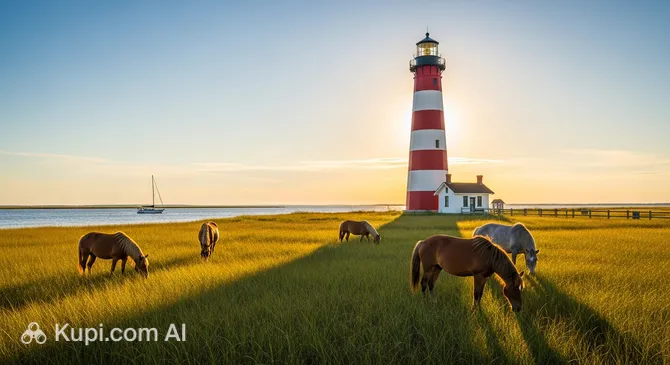
Chincoteague Island. Illustration.
Source: Kupi.com AI

Traveler photos:

The main feature of this place is its proximity to the national wildlife refuge, where you can still encounter the famous Assateague wild ponies. White sand, the sound of ocean waves, and thick mangrove forests create an atmosphere of complete harmony with the natural world. The island is renowned for its biodiversity, serving as a seasonal home for thousands of migratory birds and rare marine life.

With a high rating based on numerous reviews, this location is rightfully considered one of the best destinations for a quiet family holiday and ecotourism. Here you can find both secluded spots for meditation and excellent conditions for active outdoor recreation.

Contacts

For those planning a visit to this picturesque island, it's helpful to have precise coordinates on hand. While much of the area is a natural zone, the main services and the entrance to the refuge are oriented around specific locations.

How to contactContact
Address5048 Main St, Chincoteague, VA 23336, США

What to Do

Outdoor enthusiasts and nature lovers will find plenty of activities here. One of the main reasons tourists visit is to see the wild ponies. If you find yourself here in the summer, you can witness the traditional annual pony swim — a spectacle held regularly since 1925. Throughout the rest of the year, hiking along the refuge's nature trails, where you can spot rare birds, is a popular activity.

A beach holiday on the island deserves special mention: the clear Atlantic waters are perfect for swimming and family picnics. Visitors often choose cycling along specially equipped routes, boating, or fishing. For foodies, a mandatory part of the program is tasting the freshest local oysters and crabs, which the local waters are so famous for.

If you're interested in art and culture, stop by local galleries or take a boat tour around the island. Such a trip will allow you to see the coastline from a new perspective and perhaps spot dolphins frolicking just offshore.

Getting There

The most convenient way to reach this picturesque corner of the Virginia coast is by car. The main route passes through the famous Chesapeake Bay Bridge-Tunnel if you are coming from Norfolk, or across the bridge connecting the island to the mainland. Traveling by car allows you to enjoy the coastal scenery and gives you the freedom to move around the island itself.

For travelers arriving from further away, the nearest air hubs are Salisbury and Norfolk airports. Since public transport is limited in this area, it is recommended to rent a car directly at the airport. Alternative options include taxis from the city center or organized excursion tours, which eliminate the need to navigate the way to the main natural sites yourself.

Nearest city: Chincoteague

History & Facts

The history of these parts is inextricably linked with the sea and its bounty. For centuries, the local community relied on fishing—harvesting oysters, crabs, and poultry farming—to sustain generations of islanders. The local museum carefully preserves evidence of the colonial era, including tales of shipwrecks after which rare woods and valuable cargo were often washed ashore.

The events of World War II played a special role in the island's history, as did the work of Coast Guard units that have always stood watch for the safety of mariners. Among the exhibits, you can find unique artifacts, such as the original Fresnel lens from the old Assateague Lighthouse and a rare manual fire engine dating back to 1880.

However, the island gained worldwide fame thanks to the legendary ponies — Misty and Stormy. These animals became true national symbols after the release of the famous children's books. Today, their memory is immortalized in museum displays, serving as a reminder of the deep connection between the residents and the wild nature and unique culture of this region.

Time Needed

When planning your visit, keep in mind that this place encourages leisurely contemplation. To simply get to know the main locations, walk along the beach, and visit the museum, you will need about 4-6 hours. This is enough time for a brief introduction to the atmosphere and some nature watching.

If your plans include active recreation — such as long bike rides along the refuge trails, a full swim in the ocean, or waiting for the wild ponies to appear in the sunset glow — it's better to dedicate a full day to your visit. This will allow you to enjoy fresh seafood in local cafes without rushing and fully immerse yourself in the soothing rhythm of island life.

Working Hours

For those who want to enjoy the natural beauty, it's worth knowing that the beaches and the wildlife refuge area are generally open for access 24/7. This provides the opportunity to experience both a picturesque sunrise and a quiet evening by the ocean. However, keep in mind that there may be rules restricting stays during dark hours in certain zones.

The island's museum operates on a stricter schedule — from 10:00 AM to 4:00 PM. It is recommended to check for current information on the official website before your trip, as opening hours may change depending on the season and holidays.

Nearby

Exploring the surrounding area can significantly enrich your trip, as there are many interesting places to relax and experience the local flavor near the natural beauty. After a walk along the refuge trails, it's pleasant to stop by cozy restaurants or visit historical sites.

NameDistance
AmaRin Coffee0.8 km
Island Motor Inn Resort1 km
Pico Taqueria1.6 km
Snug Harbor Marina & Resort1.8 km
Museum of Chincoteague Island2.4 km
Assateague Lighthouse3 km
Chincoteague National Wildlife Refuge3.3 km

Reached the end of the page?

That means the route is fully explored