Public transport in Chiang Rai is significantly different from the complex systems found in larger metropolises. There is no metro, skytrain, or tram network here. Instead, the city relies on a combination of road-based options that are relatively simple to use once you understand how they operate. The system is designed to serve a smaller population, meaning routes are fewer and the pace is more relaxed.
The most tourist-friendly option is the Chiang Rai City Bus (CR Bus). This air-conditioned bus service connects the three main transport hubs: Chiang Rai International Airport, Bus Terminal 1 (located in the city center near the Night Bazaar), and Bus Terminal 2 (the long-distance bus station on the outskirts). These buses are distinctively colored, often purple or pink, and offer a comfortable ride with designated stops. They typically run from early morning until late evening, making them the most reliable choice for getting to and from the airport or transferring between the two bus terminals.
For local commuting around the city and to nearby districts, Songthaews are the primary mode of transport. These are converted pick-up trucks with two rows of bench seating in the back. In Chiang Rai, the blue songthaews generally serve routes within the city and immediate suburbs, while other colors like green or red may travel to specific outlying districts. There are no fixed stops for songthaews in many areas; you simply wave one down from the roadside and ring the buzzer on the ceiling when you want to get off. They act as shared taxis and are a very authentic way to travel.
A unique and historic feature of Chiang Rai's transport scene is the Samlor, a traditional three-wheeled pedal rickshaw. Unlike the motorized tuk-tuks found elsewhere, these are powered by human energy and offer a slow, quiet, and scenic way to tour the city center. They are perfect for short distances and sightseeing, allowing you to soak in the atmosphere at a leisurely pace. For faster private transport, motorized Tuk-tuks are also widely available, buzzing around the main tourist areas.
Regarding payment, the system is almost exclusively cash-based. For the CR Bus, there is usually a fixed flat fare (typically around 20 THB) which you pay to the driver or conductor upon boarding. For songthaews, prices are also fixed for specific distances, but it is wise to confirm the fare with the driver before hopping in. Tuk-tuks and Samlors do not have meters, so you must negotiate and agree on a price before starting your journey to avoid misunderstandings. Carrying small banknotes and coins is highly recommended, as drivers often do not have change for large denominations.
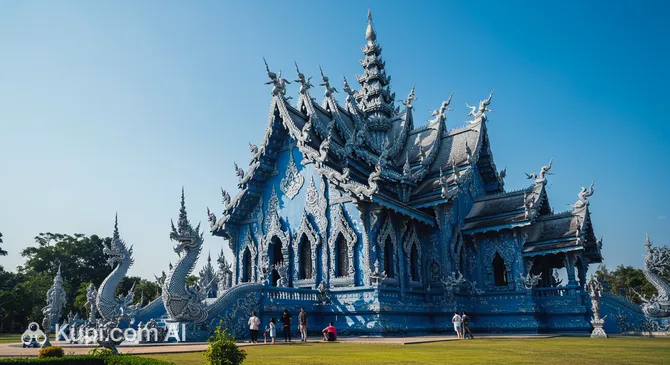
For those who prefer modern convenience, ride-hailing apps are a popular alternative. Grab is the dominant application in the city, allowing you to book cars or motorbike taxis with transparent pricing and credit card payment options. This is often the easiest way to reach specific attractions that are not on main bus routes, such as the White Temple or the Blue Temple. Additionally, many tourists choose to rent a motorbike or car to explore the province independently. If you choose this option, ensure you have a valid International Driving Permit and always wear a helmet.
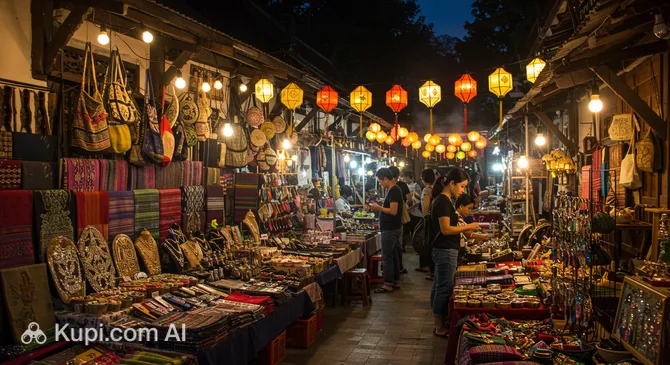
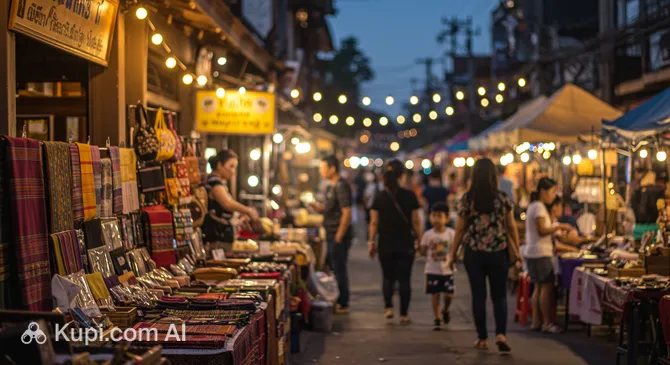
Travelers should be aware that public transport operating hours are limited compared to major capitals. The CR Bus and songthaews generally stop running in the early evening, often around 6:00 PM to 9:00 PM. If you plan to stay out late at the Night Bazaar or a bar, be prepared to use a Grab taxi or a tuk-tuk to return to your accommodation.