While Kulob is situated in a region known for its hot, arid summers, the city offers several refreshing green spaces and rich cultural institutions that provide a respite from the sun and a deep dive into Tajik history. From serene gardens shaded by ancient trees to museums housing millennia-old artifacts, these venues allow visitors to connect with the local heritage in a relaxed atmosphere.
City Park of Culture and Recreation
Located in the heart of the city, this is the primary green lung of Kulob and a favorite gathering spot for locals. The park is beautifully landscaped with wide alleys, flower beds, and fountains that offer a cooling mist during the hot summer months. It is an excellent place for families, featuring small amusement rides and playgrounds for children. For tourists, it provides a glimpse into everyday life; in the evenings, the park comes alive with people enjoying ice cream, playing chess, and socializing. It is the perfect spot for a leisurely stroll after a day of sightseeing.
Gardens of the Mir Sayyid Ali Hamadani Complex
Surrounding the famous mausoleum is a tranquil garden that serves as both a spiritual sanctuary and a natural retreat. The area is renowned for its majestic, centuries-old plane trees (chinars), which cast dense shade over the pathways. These trees are massive and are considered living monuments themselves. Visitors can sit on benches near the shrine, enjoying the peaceful silence and the scent of roses that often bloom here. It is a place for contemplation, contrasting sharply with the bustle of the city streets.
Kulob Regional Museum of History and Local Lore
This museum is the cultural crown jewel of the city, located within a modern complex built to commemorate Kulob's 2,700th anniversary. The collection is extensive, spread across several halls that guide visitors through the region's timeline. You can admire archaeological finds from the Bronze Age, medieval ceramics, and a fascinating array of coins that trace the trade routes of the Silk Road. The ethnographic section is particularly interesting for tourists, displaying colorful traditional clothing, jewelry, and musical instruments that showcase the unique artistic traditions of the Khatlon Region.
Museum of the Hulbuk Fortress
Although situated just outside the city in the Vose district, this site is an essential part of the Kulob cultural experience. The museum stands next to the excavated ruins of the ancient citadel and houses the treasures found within its walls. The highlight here is the collection of 9th-century wall paintings and carved ganch (alabaster) panels, which reveal the sophisticated lifestyle of the medieval governors. It offers a rare opportunity to see pre-Mongol Islamic art and architecture up close, making it a must-visit for history buffs.
Mausoleum of Mir Sayyid Ali Hamadani
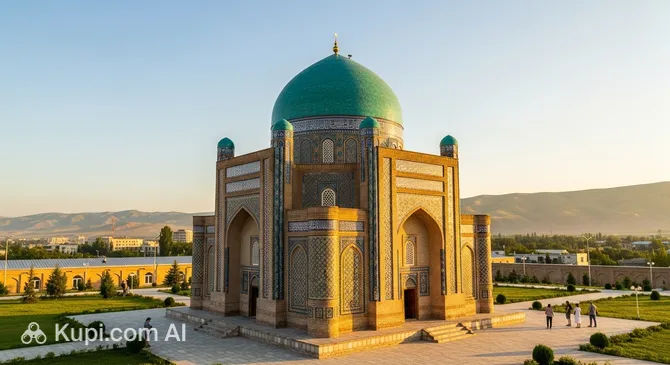
While primarily a pilgrimage site, this architectural landmark is also a museum of medieval construction techniques. The structure itself, with its intricate portal and double dome, is a masterpiece of the 14th century. Inside, visitors can observe the detailed inscriptions and the solemn atmosphere that has been preserved for hundreds of years. It stands as a testament to the city's spiritual importance and offers a tangible connection to the Sufi traditions that influenced the entire region.
For a truly authentic experience, look for the small botanical corners or tea gardens often tucked away within the larger administrative complexes or near the university. These lesser-known spots are where students and intellectuals gather. A great insider tip is to visit the park areas in the late afternoon when the heat subsides; this is when the "golden hour" light illuminates the mountains in the distance, creating a stunning backdrop for photography.