Support

Basel

About

Basel is a true cultural magnet of Switzerland, nestled on the picturesque banks of the Rhine, right at the border with France and Germany. This unique location makes the city not just a crossroads, but a place where the cultures, languages, and traditions of three countries meet and intertwine. In the historical center of Basel, you will find narrow cobbled streets, bright house facades, medieval churches, and cozy squares where history literally breathes from every stone.
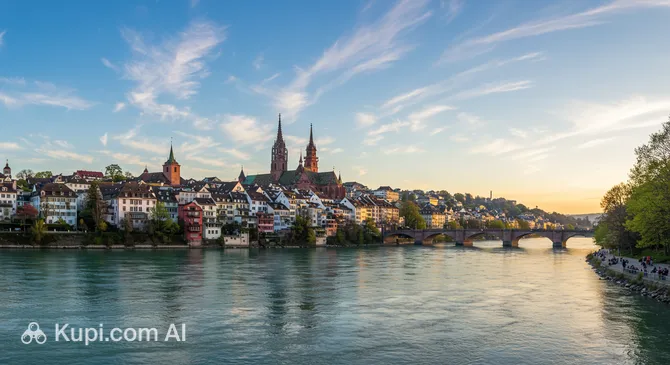
Basel. Illustration.
Source: Kupi.com AI

With a population of about 178,000 people, it is the third-largest city in the country and an important administrative center. Basel is famous for its university—the oldest in Switzerland, founded in the 15th century—and is rightly considered one of the intellectual centers of Europe. Business life is bustling here, with a flourishing pharmaceutical and chemical industry, yet the city remains remarkably comfortable and green.

The atmosphere of Basel is a harmony of old and new. Modern art galleries sit alongside ancient cathedrals, while on the banks of the Rhine, locals and visitors alike enjoy picnics and even swim right in the city center during the summer months. Basel is renowned for its numerous world-class museums, such as the Kunstmuseum Basel, as well as its theaters, music festivals, and the famous Basler Fasnacht carnival, which fills the city with creative energy and a love for life.

Why visit Basel? It is a city where everyone finds something to their liking: art lovers will discover world masterpieces in museums, gourmets will enjoy fine cuisine, and history buffs will appreciate the ancient quarters and the chance to touch the Roman past. Basel is perfect for leisurely walks, inspiring discoveries, and experiencing authentic Swiss hospitality. Come and see for yourself!

You can find more interesting facts on the history of Basel page.
Weather Overview

The climate in Basel is characterized by warm summers and cool winters. The average temperature in the summer months, such as July and August, stays around 20°C, with maximum values reaching up to 25.5°C. Summer also sees a moderate amount of precipitation, averaging 3-4 mm per month, spread over 13-15 rainy days. In winter, for example in January, the average temperature is about 2.4°C, with minimum temperatures dropping slightly below zero. Winter months are also quite wet, with precipitation amounts ranging from 2 to 4 mm and 12-17 days with precipitation. Expect warm summers with occasional rain and cool, damp winters.

To plan your trip in the best possible way, check the detailed forecast on the weather in Basel page.

Average monthly temperature

Average monthly precipitation

Interesting Facts

In addition to its world-famous attractions and picturesque views of the Rhine, Basel hides many amazing stories and little-known facts. Are you ready to discover this Swiss city from an unexpected side?

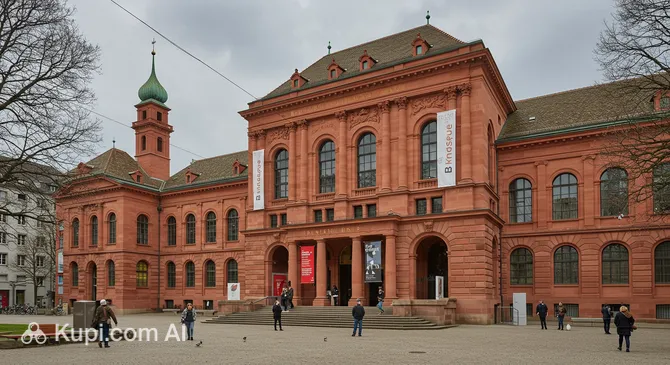
Kunstmuseum Basel. Illustration.
Source: Kupi.com AI

Traveller photos:

  • Basel is rightfully called the cultural capital of Switzerland, as it has one of the highest concentrations of museums in Europe – over 40 in a relatively small area! Among them is the world-renowned Kunstmuseum Basel, and the annual Art Basel fair attracts art connoisseurs from all over the world.

  • The city is famous for its unique carnival – the Basler Fasnacht. This three-day phantasmagorical event begins at exactly 4 AM on the Monday after Ash Wednesday to the sound of drums and flutes, turning the streets into a giant open-air theater. This event is so significant that it is included in the UNESCO Intangible Cultural Heritage list.

  • Just a few kilometers from modern Basel lie the impressive ruins of Augusta Raurica – one of the best-preserved ancient Roman cities and amphitheaters north of the Alps. This place literally breathes history and often serves as a venue for themed festivals and reenactments.

  • Basel has been home and a workplace for many prominent figures. For example, the philosopher Friedrich Nietzsche taught at the University of Basel for ten years, and the famous Renaissance artist Hans Holbein the Younger created many of his masterpieces here, including famous portraits and murals.

How to Get There

Reaching this Swiss city is possible in various ways thanks to its convenient location at the junction of three countries. You can find all the details and plan your route by visiting the more about getting to Basel page.

The main air gateway for travelers is EuroAirport Basel-Mulhouse-Freiburg (IATA: EAP). This is a unique airport serving three cities in three different countries. It is located just 5.5 km from Basel city center. A taxi or bus ride will take very little time—about 20–30 minutes. Due to high passenger traffic, this airport offers many flights and excellent infrastructure.

An alternative option is flying into Zurich Airport (IATA: ZRH). Keep in mind that it is not located in Basel itself, but in the city of Zurich, approximately 74.2 km away. This is the country's largest aviation hub with a vast number of international flights. The journey to Basel by car or taxi takes about an hour and a half, and there is also an excellent rail connection between the cities.

For convenience, here is a summary of the main airports:

AirportPassenger trafficDistance
EuroAirport Basel–Mulhouse–Freiburg8.1 m6 km
EuroAirport Basel Mulhouse Freiburg8 m6 km
EuroAirport Basel-Mulhouse-Freiburg8.1 m6 km
Bern Airport57,00072 km
Zurich Airport31.2 m74 km
Strasbourg Airport1.3 m109 km
Baden-Airpark1.8 m140 km

The railway service in Switzerland is considered one of the best in the world, and Basel is a major transport hub. The city's main station is Basel SBB station. It is located directly within the city limits, just 1.4 km from the historical center, making it exceptionally convenient for tourists. High-speed trains from many European capitals arrive here.

Another important point is Basel Badischer Bahnhof. This station is also in Basel, about 1.6 km from the center. Historically, it is managed by German Railways and serves as the main gateway for trains arriving from Germany. Moving between the stations and the city center takes only a few minutes by tram or taxi.

Below is information about the nearest major railway stations:

StationPassenger trafficDistance
Basel SBB station40 m1 km
Basel Badischer Bahnhof7.3 m2 km
Basel Badischer Bahnhof172 km
Basel SNCF railway station111 km
Liestal railway station1014 km
Gare de Mulhouse1327 km
Delémont railway station1028 km
Olten railway station1133 km
Aarau railway station1040 km

Main Attractions

Basel, the cultural capital of Switzerland, boasts many fascinating attractions that can satisfy even the most discerning taste. From medieval masterpieces to modern art objects, everyone will find something for themselves here.

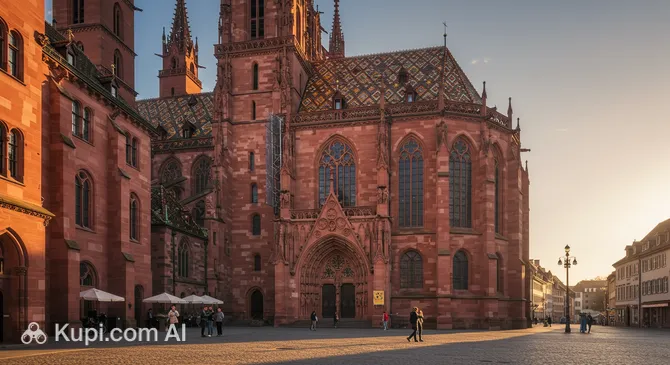
One of the city's main landmarks is the majestic Basel Minster (Münster). This impressive red sandstone structure with its two tall towers dominates the Rhine. Built in Romanesque and Gothic styles, the cathedral houses the tomb of the famous humanist Erasmus of Rotterdam. By climbing one of the towers, you can enjoy a breathtaking panoramic view of the city and the river.

Basel Minster. Illustration.
Source: Kupi.com AI

Traveller photos:

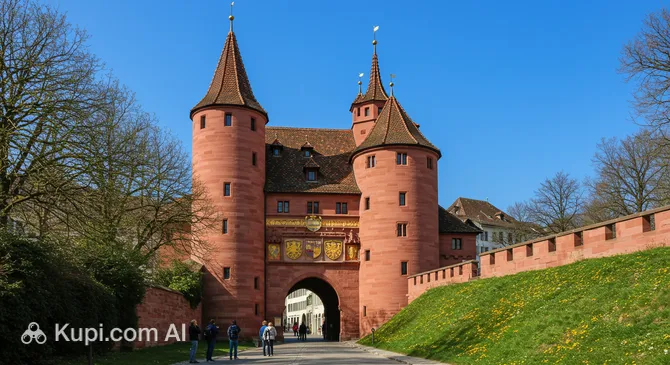
Equally famous is the Spalentor gate – one of the three surviving medieval city gates of Basel. It is considered one of the most beautiful gates in Switzerland and is a wonderful reminder of the city's rich history. A walk to the gate will allow you to feel the atmosphere of old Basel.

Spalentor. Illustration.
Source: Kupi.com AI

Traveller photos:

For art lovers, a visit to the Kunstmuseum Basel is a must. It is the oldest public art collection in the world, featuring masterpieces from the Middle Ages to the present day, including works by Holbein, Rembrandt, Van Gogh, Picasso, and many others. The museum offers a deep dive into the history of European art.

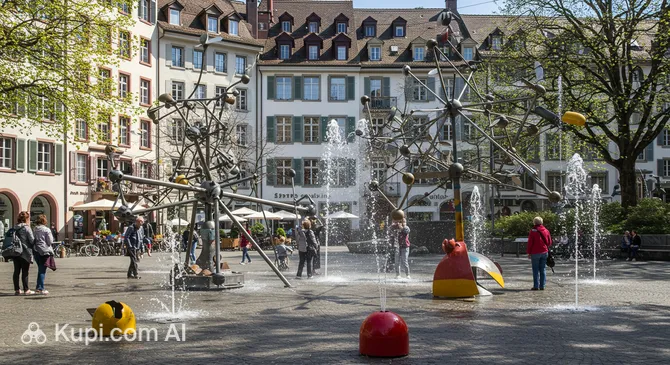
Fans of unusual spectacles will enjoy the Tinguely Fountain (Tinguely Brunnen). This playful and witty fountain, created by Swiss sculptor Jean Tinguely, consists of ten mechanical figures that move and splash water, creating a whimsical performance. Located on the site of the former stage of the old city theater, it has become one of the symbols of modern Basel.

Tinguely Fountain. Illustration.
Source: Kupi.com AI

Traveller photos:

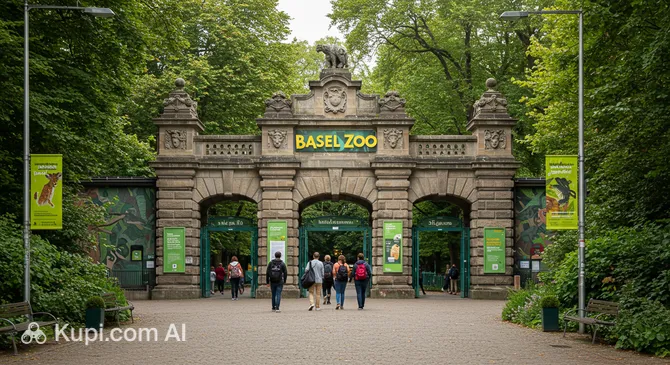
If you are traveling with family or just love animals, don't miss the Basel Zoo, affectionately called "Zolli" by locals. It is one of the oldest and most respected zoos in Europe, known for its successful breeding programs for rare species. Here you can see more than 600 species of animals from all over the world in conditions as close as possible to their natural habitat.

Basel Zoo. Illustration.
Source: Kupi.com AI

Traveller photos:

Local Cuisine

The gastronomic scene of Basel is a fascinating blend of cultural influences, making the local cuisine particularly attractive to foodies. Here, Swiss, German, and French culinary traditions combine harmoniously, offering tourists diverse taste experiences and highlighting the unique character of the city at the crossroads of three countries.

Be sure to try the famous Basel treat – Basler Läckerli. These are aromatic spiced biscuits with honey, almonds, hazelnuts, candied peel, and kirsch, the recipe for which has allegedly been kept secret for centuries. They have become a true symbol of the city and a popular souvenir. Another iconic dish, especially relevant during the Fasnacht carnival, is Basler Mehlsuppe, a thick and hearty flour soup with onions and cheese. For a lighter snack or an appetizer, the Basler Wurstsalat is perfect – a salad made of local cervelat sausage with onions, cheese, and pickles, dressed with vinegar and oil.

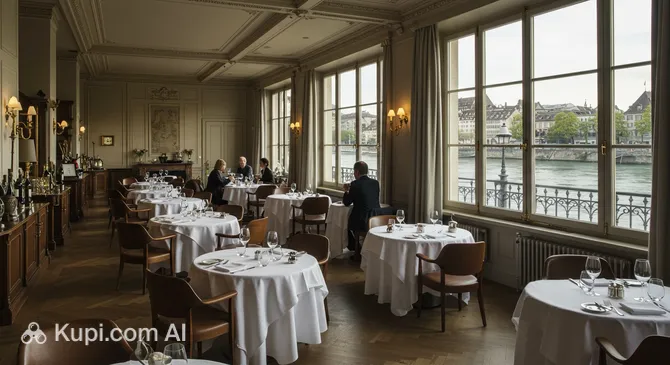
Locals and tourists in Basel enjoy food in various places. Street markets, especially the farmers' markets on Marktplatz, offer the freshest regional cheeses, homemade sausages, seasonal fruits and vegetables, and, of course, the famous Swiss chocolate. The city has many restaurants for every taste – from cozy traditional taverns serving hearty local dishes to refined fine-dining establishments, such as Les Trois Rois, where you can enjoy classic dishes in an elegant setting.

Les Trois Rois. Illustration.
Source: Kupi.com AI

Traveller photos:

As for drinks, Basel and its surroundings produce high-quality local wines, especially whites, thanks to the nearby vineyards. Beer lovers will not be disappointed either, as a variety of craft beers are brewed here using both ancient and modern recipes. Among non-alcoholic drinks, apple cider (Süssmost) and various herbal teas are popular. The city's gastronomic life is enlivened by various festivals: street food markets take place in summer, and Christmas markets in winter, where you can warm up with hot mulled wine and try fresh pastries.

Travel Tips

Planning a trip to charming Basel? These practical tips will help you make your journey through this cultural hub of Switzerland as comfortable and filled with unforgettable experiences as possible.

  1. Clothing and seasonal items: The climate in Basel is moderate, so bring light clothing for summer, but don't forget a sweater or light jacket for evenings. In winter, you'll need warm clothing, including a hat, gloves, and a scarf. At any time of year, comfortable shoes are indispensable for walking the cobblestone streets of the Old Town. Don't forget an adapter for Swiss sockets (type J). If you plan to visit churches, modest clothing is appropriate.

  2. Getting around the city: Basel boasts an excellent public transport system, including trams and buses. Many hotels provide guests with a BaselCard, which grants free travel. The city center is compact and ideal for walking. Taxis are available but can be expensive; ride-hailing apps are also popular. Renting a car is not necessary for exploring the city, as parking can be difficult and expensive.

  3. Financial matters: The official currency is the Swiss Franc (CHF). You can exchange currency at banks, exchange offices, or the airport. Credit and debit cards are widely accepted in most shops, restaurants, and hotels. International cards usually work without problems, but check with your bank just in case. ATMs are easy to find throughout the city. Basel, like all of Switzerland, is considered an expensive destination, so expect a daily budget of 150-200 CHF excluding accommodation. Tipping is usually included in the bill (marked as "Service compris"), but for good service, it is customary to round up the amount or leave 5-10%.

  4. Health and safety: Pharmacies (Apotheke) are easy to find, but not all are open 24/7; info on on-call pharmacies can be found online or on the doors of the nearest pharmacy. Medical care for tourists is available, but ensure you have valid travel insurance. Basel is a very safe city. You should only be wary of pickpockets in particularly crowded tourist areas, so follow standard precautions: watch your belongings and do not leave valuables unattended.

  5. Language and communication: The official language in Basel is German (Swiss dialect). However, English is widely spoken, especially in the tourism sector, hotels, and restaurants, so communication should not be a problem. Useful phrases: "Grüezi" (Hello – in Swiss German), "Danke" (Thank you), "Bitte" (Please). A local SIM card can be purchased at the airport, mobile phone shops, or supermarkets. Free Wi-Fi is available in many hotels, cafes, and public places.

  6. Local etiquette: The Swiss value punctuality, so try not to be late for appointments. When meeting, it is customary to shake hands. In public places, especially on transport, try not to be noisy. Locals are usually polite and reserved but are always ready to help if approached.

  7. What to avoid: Try not to speak too loudly in public places, especially in restaurants and on transport – this may be perceived as rude. Also, do not litter on the streets – cleanliness is highly valued here.

  8. Special tip for Basel: Be sure to use the BaselCard if provided by your hotel. It provides not only free public transport but also significant discounts on visits to the city's numerous museums, for which Basel is so famous. And if you visit the city in summer, don't miss the opportunity to swim in the Rhine – it's a popular and refreshing activity among locals!

We hope these tips help you plan the perfect trip and fully enjoy the hospitality and beauty of Basel. Have a pleasant trip!

Entertainment & Nightlife

Basel, the cultural capital of Switzerland, offers diverse opportunities for evening and night relaxation. The city comes alive after sunset, offering entertainment for every taste – from cozy bars to lively nightclubs.

The main center of nightlife is the Kleinbasel district, especially the streets around Claraplatz and the Rhine embankment. Many bars, clubs, and restaurants are concentrated here. Another popular zone is Steinenvorstadt, a pedestrian street known for its cinemas, bars, and cafes that turn into lively meeting places in the evening. The atmosphere here is usually relaxed and international, attracting both locals and tourists. Many venues stay open late into the night, especially on weekends.

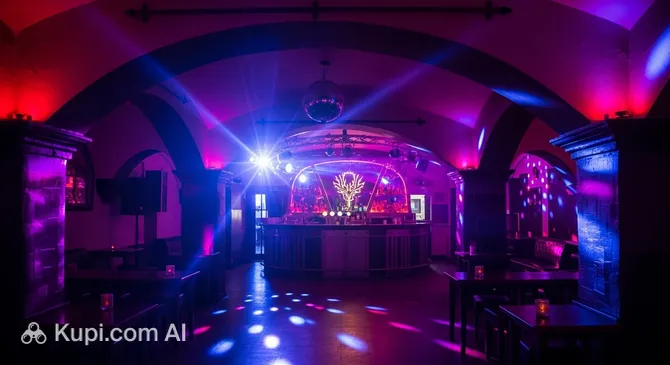
Several popular night venues stand out. For example, Walhalla Bar Basel is known for its lively atmosphere and various music nights. For fans of electronic music and club parties, the Elysia club is an interesting place, often hosting famous DJs. If you prefer a quieter setting and craft cocktails, look out for bars like Sandoase, which offers a cozy atmosphere for evening drinks.

Valhalla Bar Basel. Illustration.
Source: Kupi.com AI

Traveller photos:

Most bars start to fill up after 8:00-9:00 PM, while clubs come alive closer to midnight and stay open until 3:00-5:00 AM. The dress code in most places is quite casual; smart casual is appropriate almost everywhere, though some more exclusive clubs may have stricter requirements. Average drink prices in Basel correspond to Swiss levels, so be prepared for certain expenses. At night, it is convenient to get around the city by taxi or night buses that run on main routes.

Basel is generally considered a safe city for night walks, especially in the central and busy districts. Nevertheless, it is always wise to observe standard safety precautions. You can call a taxi by phone, via mobile apps, or find one at designated stands.

During the day, Basel also offers plenty of entertainment. The city is famous for its numerous world-class museums, such as the Kunstmuseum Basel or the Museum Tinguely. History buffs can visit the Basel Historical Museum. For outdoor walks, the Basel Zoo or numerous parks, such as Kannenfeldpark, are excellent choices.

Parks & Museums

Basel is a city where cultural wealth harmoniously blends with natural beauty, offering visitors both peaceful green oases and world-famous museums. Here, everyone will find something to enjoy, whether it's a leisurely stroll through a park or an immersion into the world of art and history.

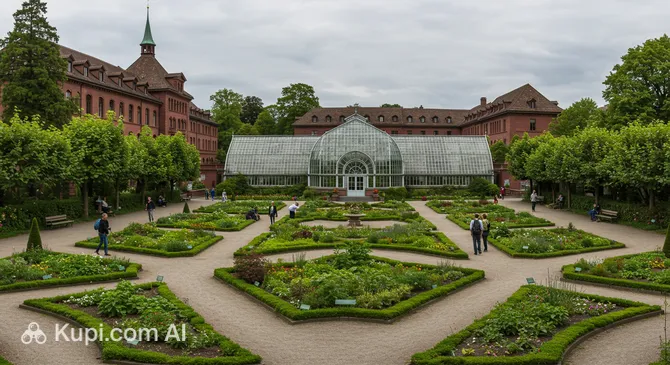
Among the city's green gems, the Botanical Garden of the University of Basel particularly stands out. It is one of the oldest in the world, where you can enjoy a variety of flora from all continents. It is a wonderful place for quiet relaxation and studying rare plants. Equally attractive are the Merian Gardens – an extensive area with picturesque landscapes, a rose garden, and an English park, ideal for long walks. For family recreation and active games, Schützenmattpark is excellent, being a popular spot among locals with its playgrounds and spacious lawns.

University of Basel Botanical Garden. Illustration.
Source: Kupi.com AI

Traveller photos:

Basel rightfully prides itself on its reputation as the cultural capital of Switzerland, and its museum scene is impressive. Be sure to visit the Kunstmuseum Basel, which houses the oldest public art collection in the world, featuring masterpieces from the Middle Ages to modern times. Fans of avant-garde art will enjoy the Museum Tinguely, dedicated to the work of the famous Swiss sculptor Jean Tinguely and his kinetic installations. To better understand the city's history, stop by the Basel Historical Museum, located in the former Barfüsserkirche, which displays exhibits telling the story of Basel's past.

Kunstmuseum Basel. Illustration.
Source: Kupi.com AI

Traveller photos:

Beyond parks and museums, there are other interesting places in Basel. For example, the Basel Zoo, one of the oldest and most respected zoos in Europe, offers encounters with animals from all over the world. One also cannot ignore the iconic architectural landmarks, such as the majestic Basel Minster with its red walls and colorful tiled roof, or the medieval Spalentor gate, a reminder of the city's rich history.

Basel Zoo. Illustration.
Source: Kupi.com AI

Traveller photos:

For a more authentic experience, we suggest visiting the Basel Paper Mill – a unique museum where you can learn about traditional paper production methods and even try your hand at the craft. And for quiet contemplation and beautiful photos, simply walk along the Rhine embankments, enjoying views of the old town.

Getting Around

Public transport in Basel is famous for its efficiency, cleanliness, and punctuality, making getting around the city very convenient for tourists. The backbone of the transport system consists of trams and buses operated by BVB (Basler Verkehrs-Betriebe) and BLT (Baselland Transport AG). The tram network is very extensive and covers not only the entire city but also some border towns in France and Germany. Trams are easily recognized by their characteristic green (BVB) or yellow (BLT) color.

The fare system in Basel is integrated into the Tarifverbund Nordwestschweiz (TNW) network. Tickets can be purchased from machines at most stops (accepting both Swiss francs and euros, as well as bank cards), through mobile apps (such as SBB Mobile or TNW Tickets), or at ticket offices. There are various types of tickets: single trips (the cost for central zone 10 is approximately 3.80 CHF), short-distance tickets, day passes (Tageskarte, about 9.90 CHF for zone 10), as well as multi-day passes. For tourists, a particularly advantageous offer is the BaselCard, which many hotels provide to their guests for free upon check-in. This card entitles you to free travel on all public transport within the city (zones 10, 11, 13, 14, and 15, including the route to EuroAirport) and offers discounts on visits to museums and other attractions.

Tourists should keep a few practical points in mind. Tickets bought from a machine are usually already validated from the moment of purchase and are valid for the period specified on them. If you are using the BaselCard, just have it with you in case of an inspection. Transport runs frequently, especially during the day, with intervals of just a few minutes on popular routes. At night, night buses and trams also run, but with longer intervals. Timetables are always available at stops and in mobile apps.

Besides public transport, there are other ways to get around in Basel. Taxis are available, but they are a rather expensive option. Car-sharing services are also available in the city, for example through companies like Mobility Carsharing, which can be convenient for certain trips. Bicycles are much more popular: the city has a developed network of bike paths, and bike rental services and e-bike sharing systems (e.g., Pick-e-Bike) are widespread. The center of Basel is quite compact, and many attractions are within walking distance of each other. One of the unique features of Basel is the four small "Fähri" ferries that cross the Rhine using only the power of the river current – this is not so much a fast way to travel as it is an enjoyable tourist attraction.

Accommodation

When planning a trip to Basel, you will find a wide range of accommodation options to suit every taste and budget. The city offers everything from cozy hostels and guesthouses for budget travelers to mid-range hotels, stylish boutique hotels, and luxury properties. Apartment rentals are also popular, which can be a convenient option for families or long stays.

When choosing a place to stay in Basel, consider a few key neighborhoods. Grossbasel (Old Town), with its medieval streets and proximity to major attractions like Basel Minster or the Kunstmuseum Basel, is a very popular choice. The Kleinbasel district, on the other side of the Rhine, offers a more modern vibe and also has many hotels and restaurants. For those who value convenient transport links, hotels near the main Basel SBB railway station are an excellent option.

While specific famous hotels are not listed in the provided data, Basel, as a major cultural and business hub of Switzerland, has many superb options. You will find hotels of well-known international chains as well as charming local hotels, many of which offer high levels of service and comfort. It is recommended to read reviews and check the location before booking to choose the option that suits you best.

Regarding prices, Basel, like most Swiss cities, is not among the most budget-friendly destinations. However, with early planning, you can find options in different price categories – from affordable to luxury. It is recommended to book accommodation in advance, especially if your trip coincides with major events such as the famous Art Basel exhibition or the Fasnacht carnival, when demand for hotels increases sharply.

You can book accommodation in Basel through various methods. The most popular are international online booking platforms, where you can compare prices and conditions. Additionally, many hotels offer the option of direct booking through their official websites, which can sometimes provide extra benefits or special offers.

Nearby Cities

For those who want to explore the surroundings, Basel serves as an excellent starting point for day trips to several interesting nearby locations:

CityPopulationDistance
Binningen15,6753 km
Allschwil21,1503 km
Saint Louis22,8353 km
Birsfelden10,2993 km
Weil am Rhein30,2514 km

These nearby destinations provide an insight into the diverse culture and landscapes of the region surrounding Basel.

Shopping & Souvenirs

Basel offers diverse shopping opportunities, combining luxury boutiques, famous department stores, and charming local shops. The city is famous for high-quality Swiss products, such as watches and chocolate, but you can find many other interesting items here, from designer clothes to unique souvenirs.

The main shopping artery of Basel is Freie Strasse. This bustling pedestrian street is filled with international brands, department stores, jewelry, and watch salons. For those looking for more unique and local items, it's worth walking through the streets of the Spalenberg district with its small boutiques, antique shops, and art galleries.

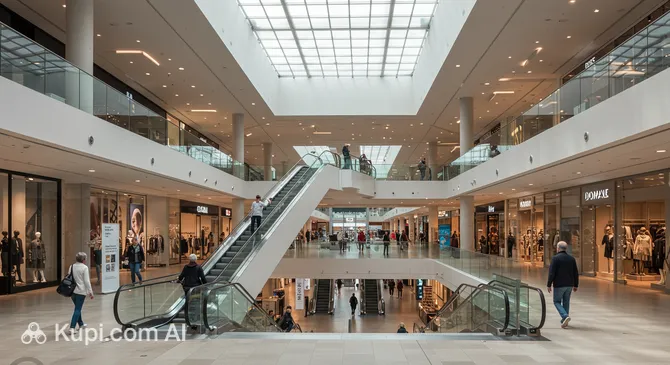
There are also several shopping centers in Basel. One of them is Dreiländergalerie, offering a wide selection of shops and services. Another popular option is MParck Dreispitz, where you can find both large chain stores and small specialized departments.

Dreiländergalerie. Illustration.
Source: Kupi.com AI

Traveller photos:

Markets occupy a special place in the Basel shopping scene. The most famous is certainly the market at Marktplatz, located in front of the City Hall. Here, every day (except Sunday), you can buy fresh local produce, flowers, and regional delicacies. On Saturdays, the flea market at Petersplatz also operates, where you can find antiques, vintage items, and curious trinkets.

As souvenirs from Basel, tourists often bring back famous Swiss watches, exquisite Swiss chocolate, and, of course, the local treat – Basler Läckerli, aromatic gingerbread with honey, almonds, and candied fruit. Local crafts and designer items are also popular.

Shops in Basel generally open Monday to Friday from about 9:00/10:00 AM to 6:30/7:00 PM, and close earlier on Saturdays, around 5:00 PM. Most shops are closed on Sundays, except for some at the railway station or in tourist zones. Credit cards (Visa, Mastercard) are widely accepted, and you can also pay in cash with Swiss francs.

Foreign tourists (non-residents of Switzerland) can use the Tax Free system and receive a VAT refund on purchases over a certain amount. To do this, you need to ask the shop for a special Tax Free check and then present it along with your purchases at customs when leaving Switzerland.

Nearest cities

Reached the bottom of the page?

Looks like you know this route inside out