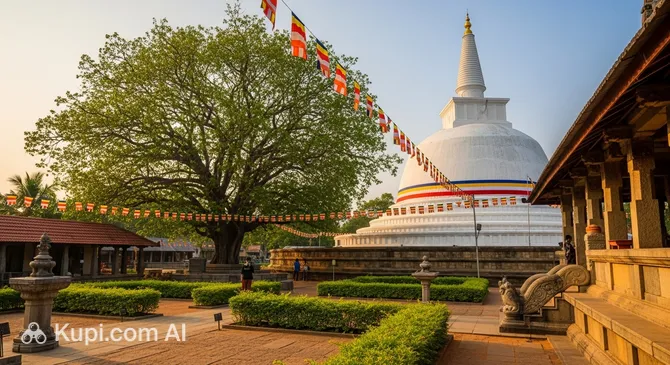
Support

Sri Jayawardenepura Kotte

About

Sri Jayawardenepura Kotte is the official administrative capital of Sri Lanka, a city that seamlessly blends modern governance with deep historical roots. Often referred to simply as Kotte, it is located in the Western Province, just east of the commercial capital, Colombo. Despite its proximity to the bustling metropolis, the city maintains a distinct and somewhat more serene atmosphere, characterized by its abundant greenery and network of waterways.

Geographically, the city is defined by the beautiful Diyawanna Oya lake, which surrounds the striking Parliament complex. The area has a tropical rainforest climate, ensuring lush vegetation year-round. With a population of approximately 115,000 residents, it serves as a vital urban center while preserving pockets of natural tranquility. Those interested in the past will find the history of Sri Jayawardenepura Kotte fascinating, as it was once the flourishing capital of the Kotte Kingdom in the 15th century.
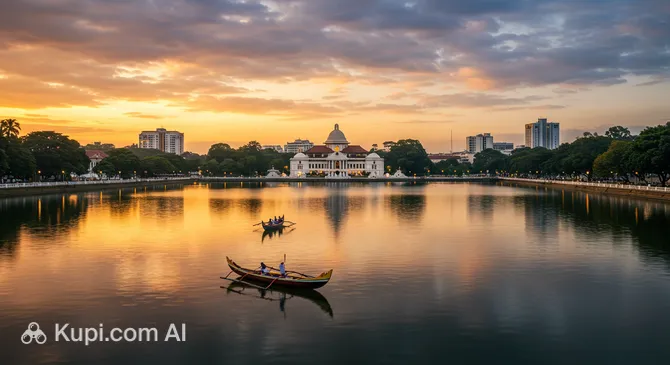
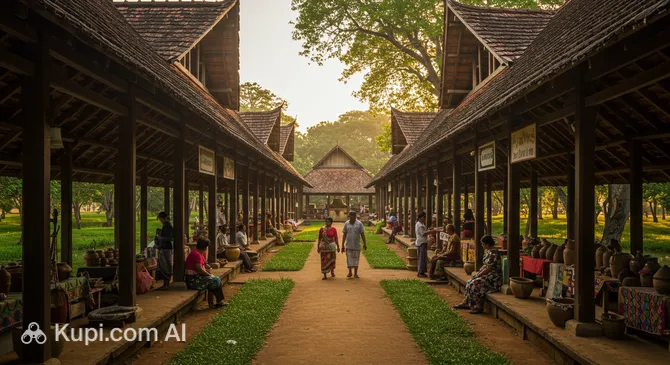
Sri Jayawardenepura Kotte. Illustration.
Source: Kupi.com AI

Visitors are often drawn to the city's unique mix of nature and architecture. The Beddagana Wetland Park is a highlight, offering well-maintained boardwalks through marshes that are perfect for birdwatching and enjoying nature. Another significant site is the ancient Kotte Raja Maha Vihara, a temple that stands as a testament to the city's spiritual heritage. The blend of administrative buildings and protected wetlands creates a landscape that is both functional and scenic.

Whether you are passing through on your way to other destinations or stopping to explore its specific charms, Sri Jayawardenepura Kotte offers a unique perspective on the island's development. It is a city where history, nature, and modern life coexist, inviting travelers to discover a different side of the country away from the coastal resorts.
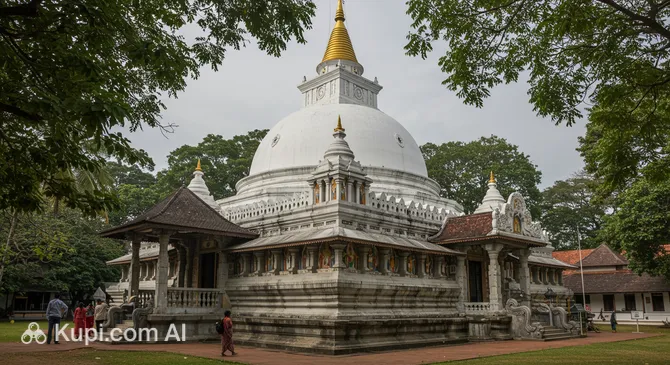
Weather Overview

The climate in this administrative capital is characteristically tropical, maintaining consistent warmth throughout the year. Average temperatures generally hover around 26°C to 28°C, with daytime highs peaking near 31.5°C in February and March. Even during the cooler hours, the temperature rarely drops below 23.5°C, making light, breathable clothing a must for any visit.

Rainfall is a frequent companion in the city, with a high number of wet days recorded for most of the year. The period from May to October is particularly rainy, often seeing precipitation on up to 30 days per month. For those seeking drier conditions, January and February are the most favorable months, featuring significantly fewer wet days. To help plan your activities around the rain, it is advisable to consult the forecast for the weather in Sri Jayawardenepura Kotte before your trip.

Average monthly temperature

Average monthly precipitation

Interesting Facts

Beyond the main administrative buildings, Sri Jayawardenepura Kotte holds many fascinating secrets buried in its royal past and lush landscape. Here are some intriguing details that reveal the deeper character of this unique capital.

Kotte Rajamaha Vihara. Illustration.
Source: Kupi.com AI

Traveler photos:

  • The city's grand name translates to "The Blessed Fortress City of Growing Victory." It was originally established in the 14th century as a fortress to protect against invaders, utilizing the surrounding marshes and waterways as a formidable natural defense moat.

  • Sri Jayawardenepura Kotte is one of the few capitals in the world accredited as a Wetland City under the Ramsar Convention. This title highlights its commitment to preserving urban wetlands like the Beddagana Wetland Park, which acts as a critical sponge for floodwaters and a sanctuary for wildlife.

  • Local legends speak of a secret network of underground tunnels dating back to the era of the Kotte Kingdom. It is rumored that a hidden passage connects the historic Kotte Rajamaha Vihara directly to the site of the ancient royal palace, allowing kings to move unseen.

  • The Parliament Complex, the city's most iconic structure, does not sit on the mainland but floats on a man-made island within the Diyawanna Oya lake. Designed by the famous architect Geoffrey Bawa, the building is a prime example of Tropical Modernism, intended to harmonize perfectly with the water and sky.

  • The vibrant recreational hub of Diyatha Uyana was transformed from a neglected marshland into a thriving public space. It now hosts floating markets and flower stalls, showcasing how the city successfully integrates modern leisure with its aquatic geography.

How to Get There

Reaching the administrative capital is straightforward due to its proximity to the country's main commercial hubs. For a complete overview of travel options, you can read more about how to get to Sri Jayawardenepura Kotte. The city relies on the extensive infrastructure of the adjacent Colombo area for international and domestic arrivals.

The city of Sri Jayawardenepura Kotte does not have its own international airport, but you can fly into Bandaranaike International Airport (CMB) in the city of Colombo (Katunayake), which is about 33 km from Sri Jayawardenepura Kotte. As the primary entry point for travelers to Sri Lanka, it handles the vast majority of international flights. A taxi ride from the airport to the city center typically takes approximately 70 minutes, depending on traffic conditions. While there are smaller domestic airports like Batticaloa or Sigiriya Slaf Base, they are located significantly further away and are less convenient for direct access to the capital.

For clarity, here is a summary of the main airports:

AirportPassenger trafficDistance
Kotte (Diyawanna Oya SPB)2 0002 km
Bandaranaike International Airport8.8 mln33 km
Castlereigh Reservoir Waterdrome4 00074 km
Polgolla Reservoir Airport3 00094 km
Koggala Airport5 000108 km
Mawella Lagoon Airport5 000134 km

The city of Sri Jayawardenepura Kotte does not have a major intercity railway station, but you can arrive at the Colombo Fort station in the city of Colombo, which serves as the central hub for the country's railway network. Trains from major destinations such as Kandy, Galle, and Jaffna terminate here. From Colombo Fort, you can get a taxi or take a local bus to Sri Jayawardenepura Kotte, a journey that usually takes about 30 to 45 minutes depending on the time of day.

Main Attractions

Sri Jayawardenepura Kotte offers a fascinating mix of historical heritage, urban nature, and modern leisure spaces. As the administrative capital, it has developed unique attractions that highlight its status as a Wetland City while preserving the legacy of the ancient Kotte Kingdom. Visitors can explore serene parks, vibrant public spaces, and significant religious sites within a short distance of each other.

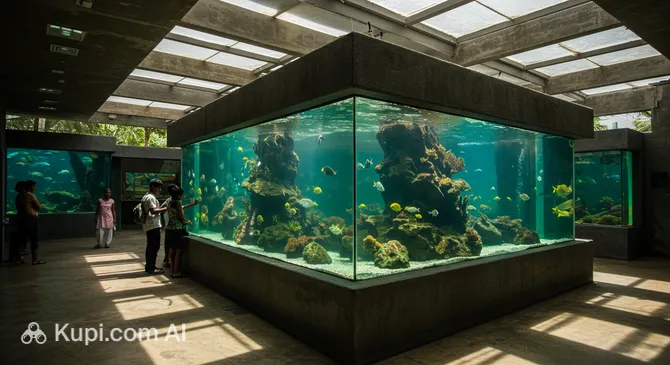
One of the most popular recreational hubs in the city is Diyatha Uyana. Located along the banks of the Diyawanna Oya, this area has been transformed into a lively waterfront park. It features beautifully landscaped walking paths, a floating restaurant, and an array of stalls selling plants and flowers. The site is also home to the Diyatha Uyana Aquarium, which displays a variety of local freshwater fish, making it a favorite spot for families and evening strollers.

Diyatha Uyana. Illustration.
Source: Kupi.com AI

Traveler photos:

For those interested in the city's rich past, the Kotte Rajamaha Vihara is an essential stop. This historic Buddhist temple dates back to the era when Kotte was the royal capital of the island. The temple grounds are peaceful and contain ancient paintings, statues, and architectural elements that whisper stories of kings and monks from centuries ago. It serves as a spiritual anchor in the midst of the developing city.

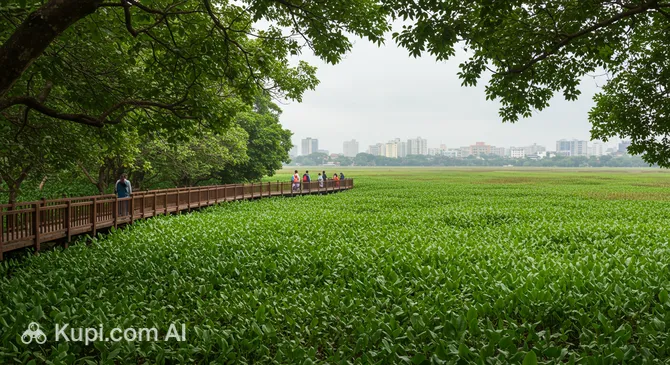
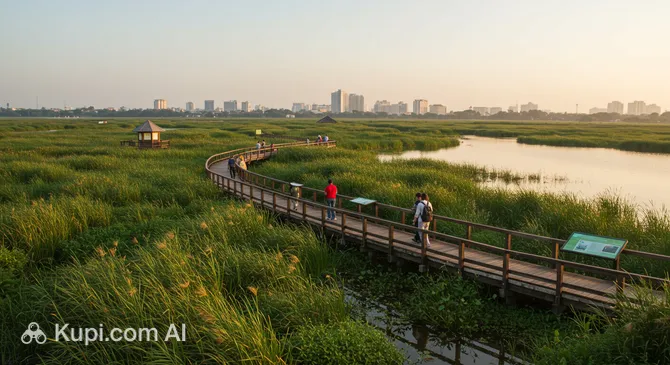
Nature enthusiasts will find a sanctuary at the Beddagana Wetland Park. This eco-tourism park is designed to protect the biodiversity of the surrounding marshes while allowing visitors to experience it up close. A network of wooden boardwalks winds through the wetlands, offering excellent opportunities for birdwatching and spotting butterflies and dragonflies. It is a perfect example of how urban spaces can coexist with natural ecosystems.

Beddagana Wetland Park. Illustration.
Source: Kupi.com AI

Traveler photos:

Another notable green space is the Nawala Urban Wetland Park, often referred to locally as "Weli Park." Originally a canal protection area, it has been converted into a functional public park with walking tracks, exercise areas, and seating by the water. It provides a quiet escape from the traffic and is a testament to the city's commitment to maintaining green lungs within its urban plan.

Finally, the architectural splendor of All Saints' Church, Borella draws attention with its imposing Gothic Revival style. Located near the border of the city, this church is known for its sturdy granite structure and beautiful stained glass windows. It stands as a significant religious landmark, reflecting the colonial history and the diverse spiritual fabric of the region.

Local Cuisine

The culinary scene in Sri Jayawardenepura Kotte is a vibrant reflection of Sri Lanka's rich gastronomic heritage, offering a mix of traditional flavors and modern dining experiences. As the administrative capital, the city caters to a busy workforce and visitors alike, resulting in a diverse array of eateries ranging from humble street stalls to chic cafes. The food here is characterized by the generous use of coconut milk, fiery spices, and fresh herbs, creating dishes that are aromatic and full of depth.

No visit is complete without trying the island's staple meal, Rice and Curry. This is not just a single dish but a banquet on a plate, typically featuring a mound of rice surrounded by various curries made from fish, chicken, lentils (dhal), and vegetables like jackfruit or okra. Another must-try is Kottu Roti, a popular street food made by chopping flatbread (roti) together with vegetables, eggs, and meat on a hot metal griddle. The rhythmic clatter of the metal blades chopping the ingredients is a familiar sound in the evening streets.

Life’s Good Kitchen. Illustration.
Source: Kupi.com AI

Traveler photos:

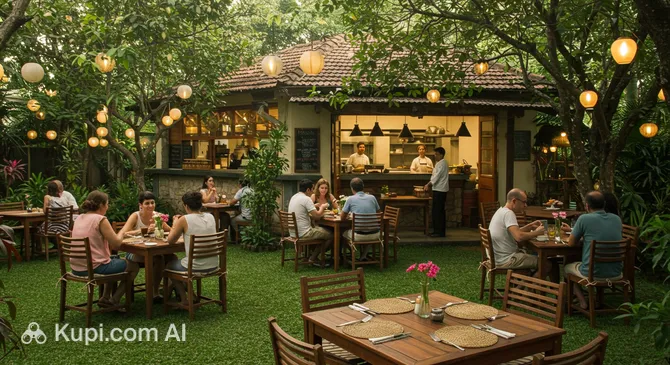
For those seeking a more contemporary dining atmosphere, the city has several excellent options. You can enjoy a wholesome meal at Life’s Good Kitchen, a spot known for its inviting ambiance and focus on quality ingredients. If you are a coffee enthusiast or looking for a stylish place for brunch, Grind offers a modern menu that contrasts beautifully with the traditional spicy fare found elsewhere in the city.

Breakfast and dinner often feature Hoppers (Appa), which are bowl-shaped pancakes made from fermented rice flour and coconut milk. They can be eaten plain or with an egg cooked in the center, usually served with a spicy onion relish called lunu miris. "Short eats" are also a huge part of the local food culture; these are savory snacks like vegetable rolls, patties, and buns that are perfect for a quick bite on the go.

To quench your thirst, nothing beats the natural refreshment of a King Coconut (Thambili), easily recognized by its bright orange husk and sold by roadside vendors. For something stronger in the evenings, visitors might head to Darley Road Pub & Restaurant, where you can sample local beverages and unwind. Tea lovers will, of course, find the world-renowned Ceylon Tea served everywhere, often enjoyed with milk and sugar.

Travel Tips

Welcome to Sri Jayawardenepura Kotte, a city where administrative importance meets natural tranquility. To help you navigate this unique "Wetland City" with ease and confidence, here are some practical tips designed to make your visit as smooth as possible.

  1. Clothing and Gear: Given the tropical warmth and humidity, pack lightweight, breathable fabrics like cotton or linen. Since Kotte is located in a wetland area and experiences frequent rainfall, carrying a compact umbrella or a light rain poncho is essential. If you plan to visit religious sites like the Kotte Rajamaha Vihara, remember to dress modestly; you must cover your shoulders and knees, and you will need to remove your shoes and hats before entering.

  2. Transportation: The most convenient way to get around is by using ride-hailing apps like PickMe or Uber, which offer transparent pricing for both cars and three-wheelers (tuk-tuks). While traditional tuk-tuks are abundant, always ensure the driver agrees to use the meter or negotiate the fare before you get in. Public buses are available and very cheap, but they can be crowded and confusing for first-time visitors.

  3. Finances: The local currency is the Sri Lankan Rupee (LKR). While credit cards are widely accepted at hotels, supermarkets, and modern restaurants in the city, you will need cash for small purchases, tuk-tuks, and street food stalls. ATMs are plentiful throughout the city. Tipping is not mandatory but is appreciated; leaving a 10% tip in restaurants or rounding up the fare for drivers is a kind gesture.

  4. Health and Safety: As the city is built around lakes and marshes, mosquitoes can be a nuisance, especially in the evenings. rigorous use of mosquito repellent is highly recommended to prevent bites. Pharmacies are easy to find and often stock familiar international brands. Stick to drinking bottled water to avoid stomach issues, and ensure the seal is intact when purchasing.

  5. Communication: English is widely spoken and understood in Sri Jayawardenepura Kotte, particularly in business establishments and hotels. However, learning a few words of Sinhala, such as "Ayubowan" (Hello/May you live long) and "Isthuthi" (Thank you), will go a long way in connecting with locals. SIM cards with generous data packages can be easily bought at communication shops with your passport.

  6. Local Etiquette: Sri Lankans are generally very hospitable and polite. The traditional greeting is to clasp your palms together at chest height. Public displays of affection are generally frowned upon and should be avoided. When visiting temples, never pose for photos with your back turned directly towards a Buddha statue, as this is considered highly disrespectful.

  7. What to Avoid: Do not take photos of government buildings, military installations, or the high-security zones around the Parliament complex unless you are in a designated tourist area. Security is tight in the administrative capital, and unauthorized photography can lead to unnecessary questioning.

  8. Local Insight: For a relaxing evening, head to the boardwalks around the Parliament Lake or Diyatha Uyana after 5:00 PM. This is when the heat subsides, and locals come out to exercise and socialize. It is also the best time to try local snacks like isso vade (prawn fritters) from the waterfront vendors.

By keeping these practical points in mind, you can focus on enjoying the lush greenery and historical charm of Sri Lanka's capital. Have a wonderful and hassle-free journey exploring the hidden gems of Kotte!

Entertainment & Nightlife

While Sri Jayawardenepura Kotte is primarily known as the administrative capital, its nightlife offers a refreshing contrast to the high-energy chaos of neighboring Colombo. The evening atmosphere here is more laid-back and sophisticated, catering largely to professionals, expatriates, and locals seeking a relaxed night out. Instead of rowdy nightclubs, the city specializes in cozy pubs, stylish lounges, and vibrant open-air spaces where people gather to socialize, dine, and unwind after sunset. The main hubs for evening activity are concentrated around the Battaramulla and Rajagiriya areas, which come alive with lights and music as the day ends.

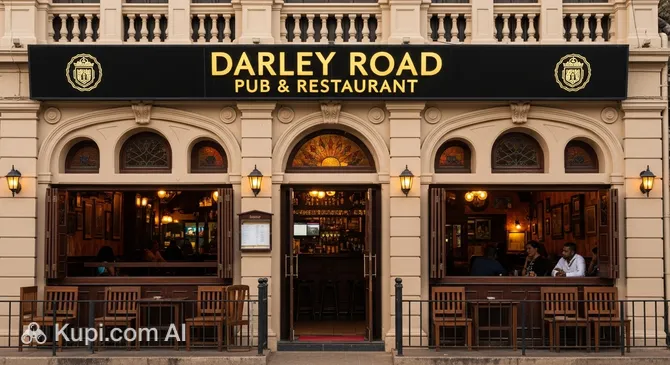
For those looking to enjoy a classic pub experience, the Darley Road Pub & Restaurant is a popular choice. It offers a lively yet comfortable setting where visitors can enjoy live music, a range of beverages, and hearty food. It is an excellent spot to mingle with the local crowd and experience the modern social culture of the city. The dress code in such venues is generally smart casual; while you don't need to dress up formally, beachwear is typically not appropriate for the evening venues in these districts.

Darley Road Pub & Restaurant. Illustration.
Source: Kupi.com AI

Traveler photos:

A unique feature of Kotte's nightlife is its emphasis on outdoor leisure. The area around Diyatha Uyana transforms beautifully at night. It functions much like a night market, with well-lit walking paths, floating restaurants, and numerous food stalls selling local street food and juices. It is a bustling spot where families and groups of friends hang out late into the evening, enjoying the cool breeze from the lake. For a different kind of evening leisure, you can visit the Beverly Arcade, which offers a mix of shopping and dining options in a more polished environment.

When planning a night out, it is best to head out around 7:00 PM or 8:00 PM, as most venues stay open until around midnight or 1:00 AM on weekends. Prices are generally reasonable, with a night out costing significantly less than in major Western cities. In terms of safety, the main commercial areas are well-lit and secure for walking, but it is always advisable to use reliable transportation for late-night travel. Ride-hailing apps like PickMe or Uber are the safest and most convenient way to get a taxi or a three-wheeler (tuk-tuk) back to your accommodation.

Before the sun sets, the city offers plenty of daytime entertainment to fill your itinerary. Nature lovers can explore the serene boardwalks of the Beddagana Wetland Park, while history enthusiasts might visit the ancient Kotte Rajamaha Vihara to admire its murals and architecture. Whether you are exploring the wetlands by day or enjoying a drink by the lake at night, Sri Jayawardenepura Kotte provides a balanced and enjoyable travel experience.

Parks & Museums

Sri Jayawardenepura Kotte is famously known as a "Wetland City," where urban development is intricately woven into a fabric of marshes, lakes, and lush greenery. Beyond its administrative functions, the city offers a refreshing escape through its well-maintained parks and significant cultural sites that reflect the spiritual and historical depth of the region.

One of the city's most cherished green spaces is the Nawala Urban Wetland Park, affectionately known by locals as "Weli Park." This recreational area is a perfect example of sustainable urban planning, featuring paved walking paths that meander alongside the water, making it a favorite spot for joggers and families. The park provides a tranquil environment where visitors can enjoy the cool breeze and observe local birdlife without leaving the city limits.

Nawala Urban Wetland Park. Illustration.
Source: Kupi.com AI

Traveler photos:

Another notable area for relaxation is Gangaramaya Park. While often associated with the nearby temple complex, the park area offers a serene setting for quiet contemplation and leisurely strolls. For those seeking a deeper immersion in nature, the Beddagana Wetland Park remains the premier destination, with its extensive boardwalks allowing visitors to explore the rich biodiversity of the marshlands up close.

While the city does not have a vast array of traditional museums, it preserves its heritage through specialized institutions and living exhibits. The Kotte Archaeological Museum, also known as the E.W. Perera Memorial Museum, is a hidden gem for history buffs. It houses a collection of artifacts, including swords, guns, and clothing from the Kotte Kingdom era, offering a glimpse into the city's royal past. For a different kind of exhibit, the Diyatha Uyana Aquarium showcases a vibrant collection of freshwater fish, serving as an educational attraction that highlights the aquatic life found in the country's rivers and lakes.

The cultural landscape of Sri Jayawardenepura Kotte is heavily defined by its religious architecture. The Asokarama Temple is a visually stunning site known for its intricate paintings and colorful statues that depict the life of the Buddha. It stands as a testament to the artistic and spiritual traditions that have flourished in the area for centuries.

Asokarama Temple. Illustration.
Source: Kupi.com AI

Traveler photos:

Similarly, the Sri Sambodhi Maha Viharaya attracts visitors with its peaceful ambiance and religious significance. The city's diversity is further reflected in sites like the Dawatagaha Jumma Mosque, a historic place of worship that draws devotees and admirers of Islamic architecture. These sacred spaces offer a quiet retreat from the bustling streets and provide insight into the multicultural harmony of the capital.

For an authentic local experience, try visiting the wetland parks in the early morning just after sunrise. This is when the bird activity is at its peak, and the mist over the water creates a magical atmosphere that feels worlds away from the busy administrative center.

Getting Around

Navigating Sri Jayawardenepura Kotte is an experience that immerses you directly into the local rhythm of life. The public transport system here is functionally integrated with the neighboring commercial hub of Colombo, relying primarily on a dense network of road-based options rather than rail or underground systems. While the city does not currently have a metro, tram, or trolleybus network, it is well-connected by an extensive fleet of buses that serve as the backbone of daily commuting.

Buses are the most common and affordable way to travel. You will encounter two main types: the red buses operated by the Sri Lanka Transport Board (SLTB), which are government-run, and the private buses, which are often decorated with colorful stickers and lights. Route numbers are clearly displayed on the front, but the destination boards may sometimes be in local script, so it is always helpful to ask the conductor or a fellow passenger for assistance. These buses cover main arteries and connect the administrative capital to surrounding suburbs efficiently.

For short distances or more direct travel, three-wheelers, locally known as "tuk-tuks," are the most popular alternative. They are nimble enough to navigate through traffic and can drop you off exactly at your destination's doorstep. While you can hail them from almost any street corner, it is highly recommended to use vehicles with a "Meter Taxi" sign. Alternatively, ride-hailing apps like PickMe and Uber are widely available and offer a reliable way to book both tuk-tuks and cars with transparent, fixed pricing.

The payment system for public transport is predominantly cash-based. There are no universal travel passes or smart cards for tourists to use on standard city buses. When you board a bus, a conductor will approach you to collect the fare; you simply state your destination and pay the amount. It is crucial to carry small change (coins and smaller notes), as conductors often struggle to break large denominations. For app-based rides, you can usually choose between cash or credit card payments within the app interface.

Public transport typically operates from early morning, around 5:00 AM, until late at night, though the frequency of buses drops significantly after 9:00 PM. If you are traveling during the morning or evening rush hours (7:00 AM to 9:00 AM and 5:00 PM to 7:00 PM), be prepared for significant crowding. For a more comfortable journey, try to travel during off-peak hours or opt for a private taxi. Although there is no central train station within the city limits, the nearby Nugegoda or Colombo Fort stations serve as gateways for longer intercity rail journeys.

Accommodation

Accommodation in Sri Jayawardenepura Kotte is distinct from the tourist-heavy coastal strips or the high-rise density of central Colombo. As the administrative capital, the city primarily offers a range of mid-range guesthouses, comfortable homestays, and serviced apartments. While you will not find an abundance of sprawling luxury resorts within the immediate city limits, the area is dotted with boutique hotels and bed-and-breakfasts that provide a quiet, residential atmosphere, making it ideal for travelers seeking a more authentic and relaxed stay.

The most convenient areas for tourists to base themselves are around Battaramulla and Rajagiriya. These neighborhoods are well-connected and place you close to the city's scenic waterways and recreational hubs. Staying here means you are just a short distance from popular spots like Diyatha Uyana, allowing for pleasant evening walks and easy access to local dining. The presence of lush wetlands creates a cooler, more breathable environment compared to the concrete centers of neighboring cities.

Diyatha Uyana Aquarium. Illustration.
Source: Kupi.com AI

Traveler photos:

Since the city functions largely as a government and residential hub, the accommodation landscape is dominated by smaller, independent properties rather than international hotel chains. Visitors often choose to rent private villas or apartments, which offer great value and privacy. For those requiring 5-star amenities and large-scale luxury services, the commercial capital of Colombo is a mere 30-minute drive away, allowing for an easy commute while enjoying the tranquility of Kotte during the day.

When planning your stay, it is highly recommended to book in advance, especially if you are visiting during national holidays or parliamentary sessions when demand can spike. Ensure your chosen accommodation provides air conditioning and mosquito nets, as the wetland environment can be humid and prone to insects. Prices are generally affordable, ranging from budget-friendly rooms to mid-range suites. Most properties are listed on major online booking platforms, which is the most reliable way to secure a reservation and check recent guest reviews.

Nearby Cities

For those looking to explore the surroundings, Sri Jayawardenepura Kotte serves as an excellent base for day trips to several interesting nearby locations:

CityPopulationDistance
Maharagama195 3554 km
Kolonnawa64 8875 km
Kelaniya35 0007 km
Colombo2 323 8268 km
Mount Lavinia245 9748 km

Colombo is the bustling commercial capital of the island, located just a few kilometers away. It offers a sharp contrast to the administrative quiet of Kotte, featuring vibrant street markets in Pettah, high-end shopping malls, and colonial-era architecture. A visit here allows travelers to experience the National Museum, the Gangaramaya Temple, and the lively atmosphere of the Galle Face Green promenade by the sea.

Mount Lavinia is a popular coastal suburb known for its "Golden Mile" beach, making it a perfect spot for a relaxing day by the Indian Ocean. It is famous for its laid-back vibe, excellent seafood restaurants scattered along the shore, and the historic colonial hotel that overlooks the bay. It provides a quick seaside escape for swimming and sunbathing without leaving the urban zone.

These nearby destinations offer a glimpse into the diverse culture and landscapes of the region.

Shopping & Souvenirs

Shopping in Sri Jayawardenepura Kotte offers a more relaxed and localized experience compared to the frenetic energy of the nearby commercial capital. Instead of massive mega-malls, the city is characterized by standalone boutiques, lifestyle stores, and modern shopping complexes that cater primarily to the urban residents. The atmosphere is unhurried, allowing visitors to browse through fashion, home decor, and daily essentials with ease.

The main retail activities are concentrated along the bustling arteries of Rajagiriya and Battaramulla. These districts serve as the city's commercial spine, lined with multi-story clothing outlets, fabric shops, and electronics stores. A walk down the main roads in these areas reveals a mix of well-known local chains and independent retailers, offering everything from traditional attire to contemporary western fashion.

For a comfortable, air-conditioned shopping experience, visitors often head to the Beverly Arcade. Located in the Rajagiriya area, this complex houses a variety of stores featuring branded clothing, shoes, and accessories. It is a convenient stop for those looking to update their wardrobe or purchase quality garments in a modern setting, with the added benefit of having dining options within the same premises.

Beverly Arcade. Illustration.
Source: Kupi.com AI

Traveler photos:

A unique feature of the city's shopping scene is the open-air market vibe found at Diyatha Uyana. While not a traditional flea market, the area hosts numerous stalls, particularly on weekends, selling a vibrant array of ornamental plants, flowers, and aquarium supplies. It also frequently features vendors offering local handicrafts, organic food products, and handmade souvenirs, making it a delightful place to shop while enjoying a lakeside stroll.

When searching for souvenirs, the city is an excellent place to find high-quality handloom textiles, including sarongs and shawls, which are crafted with traditional techniques. Ceylon Tea is another must-buy; while you can find it in supermarkets, specialty tea shops in the area offer premium blends and gift packaging. The local clay pottery and wooden crafts found in smaller roadside shops also make for authentic keepsakes.

Most retail establishments in Sri Jayawardenepura Kotte operate from approximately 10:00 AM to 8:00 PM. While major stores and the arcade accept international credit cards like Visa and Mastercard, cash is the preferred mode of payment for smaller stalls, particularly at the Diyatha Uyana market. Tourists purchasing goods from authorized "Tax Free" retailers may be eligible for a VAT refund at the airport upon departure, though such authorized shops are more prevalent in the commercial center of Colombo.

Nearby cities

Reached the end of the page?

That means the route is fully explored