Sigiriya, also known as "Lion Rock," is one of the most impressive and significant landmarks in Sri Lanka. This unique historical complex is an ancient palace-fortress built on top of a giant rock in the 5th century and is rightfully considered one of the country's most important archaeological sites. Visiting Sigiriya is an opportunity to touch ancient history and see a wonder of engineering for its time.
Traveller photos:
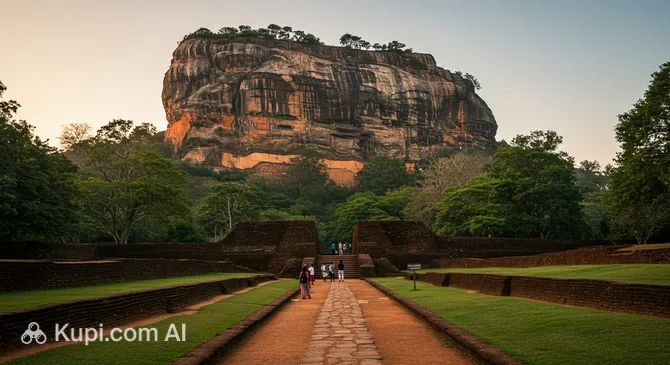
The central element of the complex is the rock itself, a massive formation of fossilized magma from an extinct volcano, rising about 170 meters above the surrounding plain. At its summit once stood a luxurious palace, of which only the foundations and rock-cut pools remain today. The climb up the rock is an adventure in itself, rewarded not only by historical ruins but also by breathtaking panoramic views of the surrounding jungle and gardens.
At the base of the rock lies an extensive complex considered one of the earliest examples of urban planning in Ceylon. Here you will find symmetrical water gardens with ponds and fountains that still function today, as well as terraced gardens and caves. Sigiriya is particularly famous for its unique frescoes—depictions of semi-nude women, presumably celestial dancers, preserved on one of the rock walls. Although the attraction is not located within the city of Kandy itself, it is a popular destination for a day trip from there.
Sigiriya is not just ruins, but a true fortress-city that impresses with its complexity and harmony with nature. This UNESCO World Heritage site is a must-visit for everyone interested in history and archaeology, or anyone wanting to see one of the most amazing human creations in Sri Lanka.