Support

La Seu d'Urgell

About

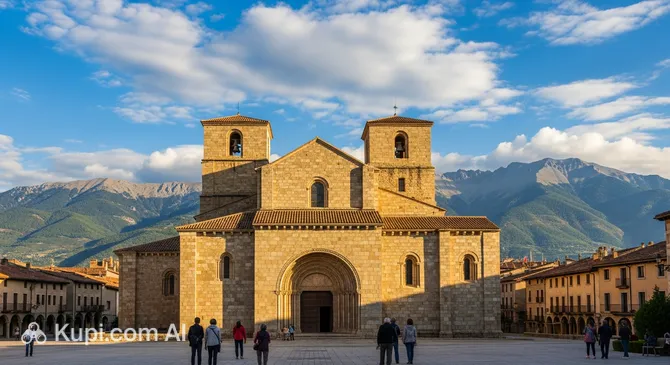
Nestled in the heart of the Pyrenees, La Seu d'Urgell is a captivating destination that seamlessly blends medieval heritage with vibrant outdoor energy. As the capital of the Alt Urgell region in Spain, this historic town serves as a vital cultural and economic hub, strategically located just south of the border with Andorra. Its unique atmosphere is defined by charming arcaded streets, ancient stone buildings, and the stunning backdrop of the Cadí mountain range.

La Seu d'Urgell. Illustration.
Source: Kupi.com AI

Geographically, the city sits at the confluence of the Segre and Valira rivers, providing a refreshing mountain climate that makes it an attractive getaway year-round. While its population is modest, the town holds immense significance due to the long history of La Seu d'Urgell as an ecclesiastical center; it is the seat of the Bishop of Urgell, who uniquely serves as the Co-Prince of neighboring Andorra.

Visitors are often drawn to the town's architectural jewel, the Cathedral of Santa Maria, which stands as a magnificent example of Romanesque architecture and the only cathedral of its style in Catalonia. For those seeking adventure, the Segre Olympic Park, originally constructed for the 1992 Barcelona Olympics, offers world-class facilities for rafting, kayaking, and canoeing right in the city center. Whether you are exploring its spiritual legacy or navigating its whitewater rapids, La Seu d'Urgell invites you to experience the perfect mix of culture and nature.

Weather Overview

Situated in the Pyrenees, the climate in this region is largely defined by its mountain setting, offering distinct seasonal experiences for travelers. Generally, visitors can expect warm, pleasant summers that are ideal for outdoor activities, while winters are typically cold and crisp, often requiring warm layers for comfortable exploration.

Precipitation is distributed throughout the year, contributing to the lush greenery of the Segre valley, with occasional snowfall in the colder months adding a picturesque touch to the landscape. To plan your activities effectively, it is recommended to check the specific weather in La Seu d'Urgell before your arrival, as conditions in the mountains can be variable.

Average monthly temperature

Average monthly precipitation

Interesting Facts

Beyond the main attractions, La Seu d'Urgell holds many fascinating secrets that link medieval traditions with modern geopolitical anomalies. From its unique status in international politics to its innovative sporting facilities, this Pyrenean town offers much more than meets the eye.

  • A Prince Lives Here: La Seu d'Urgell is the only town in the world outside of a capital city that serves as the official seat of a head of state for another country. The Bishop of Urgell holds the title of Co-Prince of Andorra, sharing the role of head of state for the neighboring principality with the President of France.

  • A River That Flows Uphill: The Segre Olympic Park, built for the 1992 Barcelona Olympics, features a unique engineering marvel. It is equipped with a mechanical conveyor belt system that lifts kayakers and their boats back to the starting point, allowing them to train continuously without ever leaving the water.

  • The Oldest Fair: The city hosts the Fira de Sant Ermengol, which is considered one of the oldest documented fairs in the Iberian Peninsula, with records dating back to the year 1048. Today, it is famous for its artisanal cheese market, attracting producers from across the Pyrenees.

  • An Architectural Rarity: The Cathedral of Santa Maria is the only fully Romanesque cathedral in Catalonia. Its fortress-like appearance and Italian-influenced "Lombard" style make it a unique architectural gem in a region dominated by Gothic religious structures.

How to Get There

Reaching this Pyrenean destination requires a bit of planning, as its mountain location makes it secluded yet accessible. For a detailed breakdown of all available routes, schedules, and tips, you can read more about how to get to La Seu d'Urgell. The journey itself is often scenic, winding through the valleys and peaks of Catalonia.

The most direct way to arrive by air is via the Andorra–La Seu d'Urgell Airport (IATA: LEU), located just a few kilometers south of the city center in the municipality of Montferrer i Castellbò. While it is a small regional facility, it offers commercial flights connecting the area with Madrid, significantly reducing travel time for those coming from the Spanish capital. For international travelers, the primary gateway is Barcelona-El Prat Airport (IATA: BCN), situated approximately 180 kilometers away. From Barcelona, visitors typically rent a car or take a direct bus, a trip that takes about 2.5 to 3 hours. Alternatively, Toulouse-Blagnac Airport in France serves as a northern entry point, roughly a 3-hour drive across the border.

Travelers should be aware that La Seu d'Urgell does not have its own railway station. The most convenient rail hub is Lleida-Pirineus, located about 130 kilometers to the south. This station is well-served by high-speed AVE trains from Madrid and Barcelona. Upon arriving in Lleida, you can transfer to a direct bus that will take you to La Seu d'Urgell in approximately 2 hours. Another option is the Puigcerdà station, which connects to Barcelona via the regional R3 line, though this route is slower and requires a subsequent bus or taxi transfer through the mountains to reach the city.

Main Attractions

Catedral de Santa Maria d'Urgell

The Cathedral of Santa Maria is undoubtedly the city's most iconic landmark and a masterpiece of Romanesque architecture in Catalonia. Dating back to the 12th century, it stands out for its fortress-like appearance and Italian-influenced Lombard style decoration. Tourists are particularly drawn to its serene cloister, which features remarkable granite capitals, and the overall sense of history that permeates its ancient stone walls. It serves as a stunning testament to the city's spiritual importance throughout the ages.

Diocesan Museum of Urgell

Located adjacent to the cathedral within the Deanery building and the church of Sant Miquel, the Diocesan Museum offers a fascinating journey through the region's religious and artistic heritage. It houses an impressive collection of sacred art, including Romanesque murals, sculptures, and goldsmithing from across the Pyrenees. The museum's crown jewel is the 10th-century Beatus of Urgell, a beautifully illuminated manuscript of the Apocalypse that attracts history enthusiasts and art lovers from around the world.

Segre Olympic Park

For those seeking adventure or relaxation outdoors, the Segre Olympic Park is a must-visit destination. Originally built for the canoe slalom events of the 1992 Barcelona Olympics, this facility is located just a short walk from the historic center. It offers a unique opportunity to practice rafting, canoeing, and hydrospeed in a controlled environment suitable for various skill levels. Even if you prefer to stay dry, the park's lush green spaces and walking paths along the canals make it a perfect spot for a leisurely stroll or a family picnic.

Carrer dels Canonges

To truly experience the medieval charm of La Seu d'Urgell, a walk down Carrer dels Canonges (Canons' Street) is essential. This historic thoroughfare is famous for its charming porches and stone arcades, which were originally designed to protect pedestrians from inclement weather. As one of the oldest streets in the city, it is lined with traditional architecture and small shops, allowing visitors to soak up the local atmosphere and imagine the bustling life of the town in centuries past.

Local Cuisine

The local cuisine of La Seu d'Urgell is a delightful reflection of its location in the heart of the Pyrenees, characterized by hearty, high-quality ingredients and traditional mountain recipes. The gastronomy here is deeply rooted in the surrounding landscape, relying heavily on local livestock and agriculture. Visitors can expect rich flavors, with a strong emphasis on dairy products, game meats, and seasonal vegetables that provide comfort during the cooler months.

Undoubtedly, the stars of the local table are the region's dairy products, which hold their own Protected Designation of Origin (DOP) status. You must try the Cheese of Alt Urgell and Cerdanya, often known commercially as Urgelia. It is a semi-soft, creamy cow's milk cheese with a mild yet distinct aroma. Equally famous is the Butter of Alt Urgell and Cerdanya, renowned for its high quality and use in many local desserts and savory dishes. For a main course, look for Escudella, a traditional Catalan stew made with meat, vegetables, and pasta, or Trinxat, a savory mash of cabbage and potatoes topped with bacon, which is a staple of the Pyrenees.

When it comes to drinks, the region offers unique local flavors. A traditional way to end a meal is with a glass of Ratafia, a sweet herbal liqueur made from walnuts and various aromatic herbs found in the mountains. While the area is not a major wine producer compared to the southern plains, you will find excellent wines from the nearby Costers del Segre region. For non-alcoholic options, the local mountain water is exceptionally fresh, and you can also find artisanal apple juices produced in the nearby valleys.

The food culture in La Seu d'Urgell is vibrant and community-oriented. Locals often gather for vermut (an appetizer drink with tapas) on weekends in the historic center's plazas. The city hosts a bustling weekly market on Tuesdays and Saturdays, where farmers sell fresh produce, cured meats, and artisan cheeses directly to the public. If you visit in October, do not miss the Fira de Sant Ermengol, which features one of the most important artisanal cheese fairs in the Pyrenees, attracting producers and food lovers from all over Spain and France.

Travel Tips

Preparing for a trip to La Seu d'Urgell is straightforward, but keeping a few local nuances in mind will ensure your visit to this Pyrenean gem is completely stress-free. Here are some practical insights to help you navigate the town like a pro.

  1. Dress for the Mountains: Since the town is located in the Pyrenees, the weather can change rapidly. Even in summer, evenings can be cool, so bringing layers is essential. In winter, heavy coats, gloves, and warm accessories are a must. Comfortable walking shoes are highly recommended for navigating the cobblestone streets of the historic center, and if you plan to visit the Cathedral of Santa Maria, remember to dress modestly, covering shoulders and knees.

  2. Getting Around: La Seu d'Urgell is a compact city, and the best way to explore the historic center is on foot. There is no metro or tram system; however, a local bus service connects the town with nearby areas. Taxis are available but not as abundant as in large metropolises, so it is wise to book in advance if you have a tight schedule. If you plan to explore the surrounding mountains or visit Andorra, renting a car is the most practical option.

  3. Managing Your Finances: The official currency is the Euro (€). While credit and debit cards are widely accepted in hotels, restaurants, and supermarkets, it is advisable to carry some cash for small purchases, especially if you plan to buy local produce at the street markets. ATMs are readily available throughout the town. Tipping is not mandatory but appreciated; rounding up the bill or leaving 5-10% for good service is a common practice.

  4. Health and Safety: La Seu d'Urgell is a very safe destination with low crime rates, but standard precautions like watching your belongings in crowded areas still apply. Pharmacies are easily identifiable by a green cross, and there is usually one on duty 24/7 on a rotating basis. For any emergencies, dial 112, which works for police, ambulance, and fire services.

  5. Language and Communication: The primary language spoken is Catalan, though everyone is fluent in Spanish. English is generally understood in the tourism and hospitality sectors, but may be less common in smaller local shops. Learning a few basic phrases like "Bon dia" (Good morning) or "Gràcies" (Thank you) is a great way to show respect and connect with the locals. Free Wi-Fi is often available in public squares and cafes.

  6. Respect Local Schedules: Life here follows a traditional Spanish rhythm. Lunch is typically served late, between 1:30 PM and 3:30 PM, and dinner often starts after 8:30 PM. Many smaller shops close for a midday break (siesta) roughly between 1:30 PM and 5:00 PM, so plan your shopping excursions for the morning or late afternoon.

  7. What to Avoid: Avoid expecting full service at restaurants outside of standard meal times; kitchens often close in the late afternoon. Additionally, do not underestimate the mountain terrain if you go hiking; always stick to marked trails and check weather forecasts, as conditions can deteriorate quickly in the high altitude surrounding the city.

  8. Market Day Insider Tip: If your schedule allows, try to be in town on a Tuesday or Saturday. These are the traditional market days when the streets fill with stalls selling fresh local produce, artisan cheeses, and crafts. It is the perfect opportunity to experience the authentic local vibe and pick up high-quality souvenirs directly from the producers.

By keeping these practical tips in mind, you will be well-equipped to relax and fully immerse yourself in the unique culture and stunning scenery of La Seu d'Urgell. Enjoy your journey through this historic gateway to the Pyrenees!

Entertainment & Nightlife

Unlike the high-energy coastal resorts of Spain, the nightlife in La Seu d'Urgell offers a more relaxed and authentic experience, deeply rooted in social connection and local gastronomy. Instead of large nightclubs and thumping techno beats, the evening scene here revolves around lively tapas bars, cozy pubs, and open-air terraces where friends gather to talk until late into the night. The atmosphere is welcoming and casual, reflecting the town's friendly mountain character.

The heart of the action is undoubtedly found along the Passeig de Joan Brudieu and the winding streets of the historic center, particularly around Carrer Major and Carrer dels Canonges. As the sun sets, these areas come alive with locals enjoying vermut or a glass of local wine. In the warmer months, the terraces on the Passeig are the place to be, offering a bustling environment under the trees. For a quintessential experience, you might visit Quiosco Bar El Passeig, a central hub where the community gathers for drinks and conversation in the open air.

For those looking to extend the night with music and cocktails, the options are intimate and spirited. Venues like Sköll Lounge Bar offer a modern setting to enjoy a gin and tonic or a craft beer with a younger crowd. If you prefer a more traditional tavern atmosphere focused on high-quality wine and late-night bites, La Taverna del Codina is a local favorite known for its excellent selection and warm service. While there are no mega-clubs, these smaller music bars often stay open until 2:00 or 3:00 AM on weekends, providing plenty of entertainment.

Practicality is key when planning your evening. Dinner in La Seu d'Urgell is typically served late, starting around 9:00 PM, and it is common for the "night out" to begin after a leisurely meal. The dress code is almost exclusively casual; comfortable clothing is the norm, though you might want a warm jacket even in summer due to the mountain altitude. Prices are generally very reasonable compared to Barcelona or Andorra, with a beer or glass of wine often costing just a few euros.

Safety is rarely a concern in this peaceful town. The streets are well-lit and secure for walking at night, which is the primary mode of transport given the compact size of the city. Taxis can be scarce after midnight, so it is advisable to have a local taxi number saved if you are staying on the outskirts, though most accommodations are within a 10 to 15-minute walk from the center.

Beyond the nightlife, the town offers modest but culturally rich daytime and evening entertainment. The Cinemes Guiu is the local cinema, screening the latest international and Spanish films, often serving as a cultural meeting point. Additionally, the town's theater often hosts plays and concerts, particularly during local festivals, adding a touch of performing arts to the quiet charm of the Pyrenees.

Parks & Museums

While La Seu d'Urgell is renowned for its stone-built medieval center, the city also boasts refreshing green spaces and cultural institutions that offer a deeper understanding of its heritage. Visitors can easily alternate between exploring ancient history in museums and enjoying the tranquility of the Pyrenean landscape in well-maintained parks.

Parc del Segre

Although famous globally as an Olympic sporting venue, the Parc del Segre is also the city's premier green lung, functioning as a sprawling public garden. Beyond the whitewater canals, the park features extensive lawns, tree-lined avenues, and calm water channels that are perfect for a relaxing afternoon. It is a favorite spot for families and nature lovers, offering paved paths for walking or cycling that connect seamlessly with the surrounding natural environment of the river valley.

Parc del Valira

Located at the western edge of the town, the Parc del Valira offers a quieter, more naturalistic setting along the banks of the Valira River, just before it joins the Segre. This area is characterized by its riparian vegetation and peaceful atmosphere, making it an ideal location for birdwatching or a contemplative stroll away from the town center. The park highlights the city's connection to its rivers, providing a scenic buffer between the urban area and the rugged mountains beyond.

Espai Ermengol - Museu de la Ciutat

For a comprehensive look at local culture, the Espai Ermengol is an essential stop. Serving as the city's history museum and visitor center, it is housed in a beautifully renovated historic building. The museum is divided into distinct sections: one dedicated to the history of La Seu and its bishops, and another fascinating area focused on the region's cheese-making tradition. It explains the importance of the Pyrenean dairy industry and the famous local cheese fair, offering a unique cultural angle that goes beyond religious art.

Diocesan Museum of Urgell

As the cultural anchor of the city, the Diocesan Museum holds one of the most significant collections of religious art in Catalonia. While it is often visited for the famous Beatus manuscript, the museum also displays a vast array of Romanesque mural paintings, wood carvings, and liturgical objects that narrate the spiritual history of the Pyrenees. It provides a crucial context for understanding why this small town became such a powerful ecclesiastical capital.

Castell de Ciutat

Overlooking the city from a strategic hill stands the Castell de Ciutat. While much of the site is now associated with a luxury hotel, the remains of the ancient fortress and the 17th-century citadel are historically significant. This site has guarded the valley for centuries, and its elevated position offers commanding views of La Seu d'Urgell and the Cadí mountain range, making it a point of interest for those who appreciate military history and panoramic vistas.

For a truly authentic experience, take a walk along the "Camí de Sant Jaume" (Way of St. James) markers that run through the city. Following this route not only guides you through the historic streets but also leads you out towards the scenic paths of the Segre valley, allowing you to see the landscape exactly as pilgrims have for hundreds of years.
Getting Around

Navigating the transport system in La Seu d'Urgell is refreshingly simple, reflecting the town's compact size and relaxed pace of life. Unlike larger metropolitan areas, there is no metro, tram, or complex trolleybus network here. The city is designed on a human scale, meaning that for most visitors, the historic center and main attractions are easily accessible on foot. However, for reaching the outskirts, the nearby village of Castellciutat, or the commercial areas, the public transport options are efficient and reliable.

The backbone of local mobility is the municipal bus service, locally known as the bus urbà. This circular line connects the city center with key locations such as the hospital, the camping area, and the outlying neighborhoods. The buses are typically modern, comfortable minibuses suitable for navigating the narrower streets. Travelers should carefully note the schedule: while the bus runs throughout the day on weekdays and Saturdays, there is typically no service on Sundays and public holidays, so alternative arrangements should be made for travel on those days.

The payment system is straightforward and traditional. For the local urban bus, there is no need for complex travel cards or mobile apps; you simply purchase a single ticket directly from the driver upon boarding. The fare is very affordable, typically costing around 1.50 euros per trip. It is highly recommended to carry small change or bills of 5 euros or less, as drivers may not be able to change large denominations. If you plan to use regional buses for day trips to nearby areas, tickets can be bought at the ticket counters in the station or, in some cases, via the operator's website in advance.

For tourists, the most practical advice is to treat the central bus station as your primary reference point. Located just off the Passeig de Joan Brudieu, it serves as the main hub not only for the local loop but also for regional coaches heading to Andorra or Barcelona. Operating hours for the local bus generally run from early morning until around 8:00 PM. Since frequencies can vary—often running once every hour—it is wise to check the printed schedule posted at the bus stops or at the station itself.

Taxis offer a convenient alternative, especially if you are carrying heavy luggage or need to travel late at night or on Sundays when the bus service has stopped. You will not typically find taxis cruising the streets for passengers; instead, they wait at designated ranks, the most prominent being located near the bus station. It is common practice to call a local taxi company to book a ride if you are at a hotel or restaurant. The rates are metered and regulated, providing a fair price for trips within the municipality.

Given the city's flat terrain in the center and its scenic surroundings, cycling is another popular way to get around, though it is often more recreational than utilitarian. While there is no official municipal bike-sharing scheme, several local shops offer bike rentals. This is an excellent option if you wish to explore the paths along the Segre River or venture into the nearby Olympic Park. Ultimately, the charm of La Seu d'Urgell lies in its walkability, allowing you to move between medieval streets and modern nature parks without relying heavily on motorized transport.

Accommodation

Where to Stay:

Accommodation in La Seu d'Urgell is characterized by quality rather than quantity, reflecting the town's status as a historic capital rather than a mass tourism destination. Visitors will not find sprawling all-inclusive resort complexes here; instead, the city offers a curated selection of lodgings that blend seamlessly with the local architecture. The options generally range from charming family-run guesthouses and functional mid-range hotels to converted historic buildings that offer a touch of luxury. For those seeking a more rural experience, the surrounding valley is dotted with "casas rurales" (rural houses) that provide a cozy, home-like atmosphere.

When choosing an area to stay, the Historic Center is the most atmospheric choice. Staying within the medieval walls places you just steps away from the Cathedral of Santa Maria and the charming arcaded streets, allowing you to soak up the town's ancient character right from your doorstep. Alternatively, the area around Castellciutat, a village located on a hill just west of the main city, is renowned for offering panoramic views of the Segre valley and the Cadí mountains, often hosting more upscale and secluded properties. For travelers prioritizing convenience and parking, the modern part of town near the main avenues offers practical hotels with easy access to the road leading to Andorra.

A standout feature of the local hospitality scene is the presence of the Parador de La Seu d'Urgell. Housed in a 14th-century building attached to the cathedral's cloisters, this establishment exemplifies the town's ability to repurpose its heritage for modern comfort. It allows guests to sleep within walls that have witnessed centuries of history, centered around a beautiful classic courtyard. Another notable mention in the luxury category is the Hotel El Castell de Ciutat, located at the foot of the old fortress, which is famous for its wellness facilities and gourmet dining, making it a destination in itself.

Regarding costs, prices in La Seu d'Urgell are generally more moderate compared to the neighboring ski resorts in Andorra or the high-end Baqueira Beret area, offering excellent value for money. While budget-friendly hostels are less common, mid-range options are plentiful and affordable. Booking is typically straightforward via major online platforms. However, a crucial booking tip is to reserve well in advance if you plan to visit during the Canoe Slalom World Cup events or the Fira de Sant Ermengol in October, as the town reaches full capacity during these major international gatherings.

Nearby Cities

For those looking to explore the surroundings, La Seu d'Urgell serves as an excellent base for day trips to several interesting nearby locations:

Just a short drive across the northern border lies Andorra la Vella, the capital of the Principality of Andorra. This vibrant city is a major attraction for those seeking a mix of modernity and mountain charm. It is widely renowned for its extensive duty-free shopping avenues and the futuristic Caldea thermal spa, which is one of the largest in Europe. Visitors can spend the day indulging in retail therapy or relaxing in thermal waters while surrounded by the dramatic peaks of the Pyrenees.

Heading east through the scenic valleys, travelers can reach Puigcerdà, the historic capital of the Cerdanya region. This picturesque town is famous for its beautiful artificial lake, which serves as a serene focal point for leisurely walks and boat rides. With its lively weekly market and a charming town center filled with traditional shops and cafes, Puigcerdà offers a delightful cultural experience and serves as a scenic gateway between the Spanish and French Pyrenees.

Shopping & Souvenirs

Shopping in La Seu d'Urgell offers a distinctively authentic experience that stands in stark contrast to the large commercial centers found in neighboring regions. Here, the focus is not on international fashion chains or sprawling malls, but rather on traditional commerce, local craftsmanship, and high-quality gastronomy. The town center acts as an open-air shopping area where historic architecture and family-run businesses create a welcoming atmosphere for visitors looking for genuine local products.

The undisputed star of the local shopping scene is the region's gastronomy. Visitors should not leave without tasting the famous Formatge de l'Alt Urgell i la Cerdanya, a Protected Designation of Origin (DOP) cheese that is a symbol of the area's dairy heritage. Alongside this, the local butter is highly prized for its creamy texture and rich flavor. Traditional butcher shops, or xarcuteries, offer an excellent selection of cured meats, such as llonganissa and bull, which make for perfect edible souvenirs. During the autumn months, the shops and markets also fill with wild mushrooms gathered from the surrounding Pyrenean forests.

For the most vibrant shopping experience, timing your visit to coincide with the weekly market is highly recommended. Held every Tuesday and Saturday, this market dates back to the medieval period and transforms the historic center into a bustling hub of activity. Stalls line the streets around the Cathedral and Carrer Major, selling everything from fresh fruits and vegetables to clothing, footwear, and household goods. It is the best place to mingle with locals and purchase farm-fresh products directly from the producers.

The main commercial arteries are located within the medieval quarter, particularly along Carrer Major and the iconic Carrer dels Canonges. Walking beneath the ancient stone arcades of these streets allows you to browse independent boutiques, shoe shops, and artisan bakeries regardless of the weather. These historic thoroughfares have preserved their commercial spirit for centuries, offering a charming setting where customer service is personal and unhurried.

Travelers should be mindful of the local schedule when planning a shopping trip. In line with custom in Spain, most smaller shops close for a midday break, typically between 1:30 PM and 5:00 PM, reopening for the evening until around 8:00 PM. While larger supermarkets may remain open throughout the day, the authentic small businesses that give La Seu d'Urgell its character strictly observe these hours. Additionally, remember that while credit cards are widely accepted, carrying some cash is advisable for small purchases at the street market.

Nearby cities

Reached the end of the page?

That means the route is fully explored