Support

Denia Castle

About

Dénia Castle (Castillo de Dénia) is a majestic historical fortress that stands proudly on a hill in the heart of the city of Dénia, in sunny Spain. This outstanding architectural monument is not only the city's main symbol but also one of the key attractions of the Costa Blanca, drawing travelers with its rich history and breathtaking views.
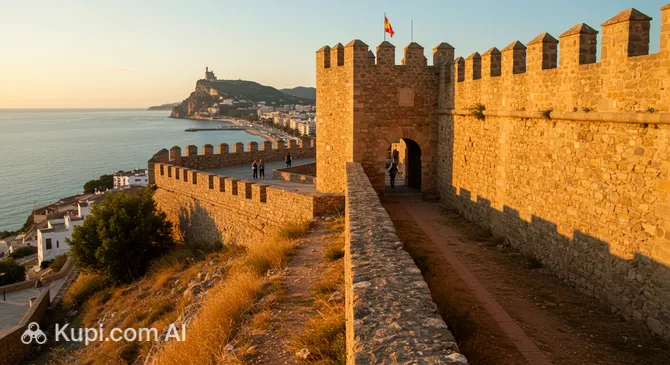
Denia Castle. Illustration.
Source: Kupi.com AI

Traveller photos:

The fortress has ancient roots: it was built in the 11th-12th centuries during Moorish rule on the site of even earlier Roman fortifications. Over the centuries, the castle played an important strategic role, protecting the city and the port from pirate raids and enemy attacks. Today, its powerful walls and towers hold traces of different eras, allowing visitors to literally touch history.

Walking through the castle grounds is a real journey through time. You can explore the ruins of ancient buildings and climb to observation decks offering incredible panoramic views of the Mediterranean Sea, the modern port, and the picturesque streets of the old town. Additionally, the Dénia Archaeological Museum is located within the fortress, featuring an exhibition that tells the story of this amazing place's centuries-old past.

Contacts

While a historic site like Dénia Castle does not have a direct inquiry phone number, all the necessary information for visitors can be found on the city's official tourism portal. There, you can check current opening hours, ticket prices, and the schedule of events.

How to contactContact
AddressC/ Sant Francesc, S/n, 03700 Dénia, Alicante, Spain
Phone+34 966 42 02 60
Websitewww.denia.es

What to Do

A visit to Dénia Castle is an opportunity to touch centuries of history and enjoy some of the best views on the Costa Blanca. The main activity for most tourists is a leisurely walk along the ancient fortress walls. From here, truly breathtaking panoramic views open up over the city of Dénia, the sparkling Mediterranean Sea, and the Montgó mountain range. It is the perfect place to take striking photos and feel the atmosphere of this strategically important site.

In the heart of the fortress lies the Archaeological Museum, a visit to which provides a deeper understanding of the region's rich past. Its exhibition features artifacts spanning a vast historical period: from Roman times and the era of Islamic rule to later centuries. By studying the finds, you can trace how the city changed and the role the citadel played in its defense and development.

Beyond the museum and observation decks, the castle grounds are full of interesting features to explore. Pay attention to the ancient Moorish-style gates, examine the ruins of the Renaissance palace, and the massive bastions built to defend against pirate attacks. Of special interest is the tunnel that passes near the castle, connecting different parts of the city, adding a touch of adventure and mystery to your walk.

Getting There

Dénia Castle is very conveniently located — it sits in the heart of the city of Dénia, in the historic Les Roques quarter, right next to the town hall. Because of this, the easiest and most pleasant way to reach the fortress is on foot. Picturesque narrow streets lead from any point in the old town to the foot of the castle, which are an engaging route in themselves. The entrance is easy to find by heading towards the central squares, and signs will help you stay on track.

If you are staying in a more distant part of town or arriving by car, getting to the castle is also straightforward. City buses run regularly to the center of Dénia, with stops located within walking distance of the attraction. Public parking is available in the surrounding areas for motorists. Additionally, many organized city tours include a visit to Dénia Castle in their itinerary, which can be a convenient option for those who want to learn more about the history of this site accompanied by a guide.

Nearest city: Denia

History & Facts

The history of Dénia Castle is a fascinating journey through the centuries, reflecting the rich history of Spain itself. The fortress was built in the 11th–12th centuries, during the period of Muslim rule, on top of a hill where Roman fortifications had previously stood. This strategic position allowed control over the city and the coast, making the castle a key defensive structure for the region for many centuries.

After the Christian conquest of the city in 1244, the castle did not lose its significance. On the contrary, it was constantly reinforced and rebuilt to protect against external threats. It played a particularly important role in the 16th century when its powerful walls served as a shield against raids by Barbary pirates who terrorized the Mediterranean. In the 17th century, an elegant Renaissance-style palace was built inside the fortress to serve as the governor's residence, adding a touch of grace to its rugged military appearance.

Unfortunately, subsequent centuries brought destruction: the castle was seriously damaged during various historical conflicts and was partially abandoned. In the 19th century, its grounds were even used for agricultural purposes. However, a large-scale restoration began in the 20th century, returning the fortress to its former grandeur. Today, Dénia Castle is not only the main landmark of the city of Dénia but also an important cultural center. The former governor's palace now houses the Archaeological Museum, where you can see finds made on the castle grounds that tell the story of its multi-layered history.

Time Needed

Exploring Dénia Castle, the city's main historical landmark, typically takes 1.5 to 2 hours. This is plenty of time for a leisurely stroll through the fortress grounds, exploring the ancient walls and towers, and enjoying the panoramic views of Dénia, the port, and the Mediterranean Sea that open up from the hilltop.

The suggested time also includes a visit to the Archaeological Museum, located right on the castle grounds. If you have a deep interest in history and plan to study all the exhibits carefully, you might need a little more time. However, for most visitors wanting to see the main complex, soak in the atmosphere, and take beautiful photos, two hours will be quite enough for a fulfilling and memorable visit.

Working Hours

Dénia Castle is generally open to visitors year-round, but its opening hours can vary significantly depending on the season. Usually, the fortress is accessible to guests daily from morning until late evening in the summer months and closes earlier in the winter due to shorter daylight hours. This allows visitors to enjoy views of the city and sea both in bright sunlight and at sunset.

Since the exact schedule can vary, it is highly recommended to check current information on the attraction's official website or contact the Dénia tourist office before your visit. Advance ticket booking is usually not required, but checking the hours will help you plan your day and avoid potential inconvenience, especially during the peak tourist season.

10:00 – 19:00

Nearby

Visiting such an iconic landmark as Dénia Castle is certainly a highlight of any trip to Spain. However, to truly feel the atmosphere of the city of Dénia, it is worth exploring its surroundings as well. Often, the most interesting discoveries await you just around the corner — in cozy alleys, small squares, or local establishments that reflect the daily life of this charming place.

Walking through nearby areas will not only complement your impressions of the main attraction but also allow you to create a more complete and diverse itinerary. Below is a list of interesting sites located within walking distance of the castle.

NameDistance
La Tapita del Papi Bar0.3 km
Místico0.3 km
Church of the Assumption of Dénia0.3 km
Denia Toy Museum0.4 km
El Baret de Miquel0.5 km
Troya Bar1.1 km
Agua de Mar1.2 km

Reached the bottom of the page?

Looks like you know this route inside out