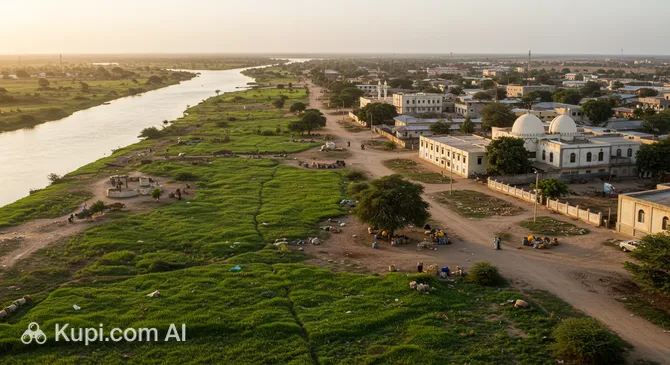
Bardera is a colorful city located in the fertile Jubba River valley in southwestern Somalia. As the administrative center of the Gedo province, it stands out with its unique atmosphere of a traditional way of life, where the rhythm of the city is inextricably linked to the region's main water artery. This is a place where the lush greenery of agricultural lands meets the hospitality of local communities.
Bardera. Illustration.
Source: Kupi.com AI
The city's geographical position in the river valley has made it a major agricultural hub. With a population estimated by various sources to reach 755,500 people, Bardera is considered the largest settlement in its region. The city is famous for its rich historical heritage, more about which can be learned by exploring the past of this region. Its strategic position on the banks of the Jubba has facilitated trade and cultural exchange for centuries.
For travelers, Bardera is primarily interesting for its picturesque natural landscapes and the opportunity to see the authentic life of the Somali province. Walks along the river, getting to know local customs, and visiting bustling markets allow one to feel the true spirit of the region. We invite you to discover this distinctive corner where history and nature create a unique travel experience.
Weather Overview
The climate in Bardera is classified as tropical, with characteristically high temperatures throughout the year. Average figures often hover around 30°C, and during the hottest months, such as March, the thermometer can rise to 38°C. If you are interested in detailed weather in the city by month, the pronounced seasonality of precipitation should be taken into account.
The region is characterized by two wet seasons: the first lasts from April to June, and the second from October to December. During this time, nature comes alive, and the Jubba River valley is covered in lush greenery. April is considered the rainiest month, when a significant amount of precipitation falls, bringing a welcome coolness.
The periods from January to March and from July to September are marked by dryness and abundant sunshine. January and February are almost entirely dry months, making them ideal for trips if you want to avoid humidity. However, be prepared for intense solar radiation and plan your activities for the morning or evening hours.
Average monthly temperature
Average monthly precipitation
Interesting Facts
River Port: Bardera historically developed as an important river port, located approximately 300 km from where the Jubba River flows into the Indian Ocean.
Regional Leader: The city ranks 15th in terms of population in all of Somalia and is the absolute leader in this indicator within the Gedo province.
Agricultural Hub: Thanks to its location in a fertile valley, Bardera is considered one of the country's main centers for grain and vegetable production.
Air Gateway: Despite its remote location, the city has its own airport with the official international IATA code BSY.
Geographical Coordinates: The city is located at approximately 2.339° North latitude, which defines its unique climate and biodiversity.
How to Get There
There are several ways to reach Bardera; however, the most convenient and fastest option for tourists is by air. If you are planning a trip, it is worth studying all the details of how to get to the city by the most comfortable route in advance, considering the current transport situation in the region.
The main aviation hub is Bardera Airport (IATA code: BSY). Domestic flights from other major Somali cities operate here, and charter flights can also be arranged. The airport is located in close proximity to the city, allowing for a quick trip to the central district by taxi or pre-booked transport.
Land routes connect Bardera with neighboring regions of the Gedo province. The roads mostly run along the Jubba River, offering scenic views during the journey. Traveling by car is suitable for those who want to see the country's rural life, although the quality of the road surface should be taken into account. There is currently no railway service in this area.
Main Attractions
The main attraction of Bardera is rightfully considered the majestic Jubba River. Its banks are the heart of city life and the best place for nature observation. Walks along the riverbed allow visitors to see rich agricultural lands and picturesque landscapes that contrast sharply with the more arid regions of the country. It is an ideal place for those seeking peace and wishing to observe local flora and fauna.
Of particular interest are the city's historical quarters, where traces of Bardera's early development as an important trading hub have been preserved. Walking through the narrow streets, one can feel the atmosphere of a traditional Somali town and see sites reflecting local architecture and culture. Exploring these places helps to deeply understand how the region's appearance was formed over centuries.
Beyond architecture, Bardera attracts with its cultural sites and traditional gathering places. Although large modern monuments are rare here, the city's structure itself and its markets are a living open-air museum. It is recommended to spend time exploring the outskirts, where the city's strategic position offers beautiful views of the valley, creating excellent conditions for eco-tourism.
Local Cuisine
The culinary traditions of Bardera are inextricably linked to the natural riches of the Jubba valley. The foundation of the local diet is fresh river fish, prepared in various ways—from grilling over an open fire to stewing with aromatic spices. The city's gastronomy is a harmonious blend of African traditions and products gifted by the fertile land.
It is definitely worth trying traditional dishes made from sorghum and rice, which are often served with tender goat meat or beef. Vegetables grown in the river valley have a rich flavor and are a mandatory addition to any meal. Dairy products, especially camel milk, hold an important place in the food culture and are considered very healthy.
As for drinks, strong spiced tea (with cardamom, ginger, and cloves) is popular in Bardera, as well as freshly squeezed juices from local tropical fruits. Street food in local markets offers an authentic experience: here you can try fresh pastries and snacks prepared right in front of you. The city's restaurants, while simple in design, are famous for their honest and hearty home cooking.
Travel Tips
Bardera is a city with deep traditions and a unique climate, so preparing for your trip will help make your journey as comfortable and safe as possible.
Clothing and Equipment: Choose light, modest clothing made of natural fabrics suitable for a hot tropical climate. Considering local traditions, it is recommended to dress modestly. Be sure to bring sunglasses, a hat, and reliable closed shoes for walking in rural areas.
Transport: Within the city, it is most convenient to get around by motor rickshaws. For trips outside Bardera, it is better to arrange a taxi or car rental with a driver who knows the local roads in advance.
Finance: The primary method of payment is cash. International cards are rarely accepted, and ATMs may be unavailable. It is recommended to carry small denominations for markets and transport.
Health: Always drink only bottled or filtered water. Bring a basic first-aid kit and insect repellent, as the proximity to the river means mosquitoes are present.
Connectivity: A local SIM card can be purchased at the market or in small shops. Wi-Fi is available in some guesthouses, but the signal may be unstable.
Etiquette: Somalis are very polite and value friendliness. Greet people first, and use your right hand for gestures and eating. Before photographing people or their homes, be sure to ask for permission.
What to Avoid: Do not discuss political or sensitive social topics. Also, avoid walking alone in unfamiliar or remote areas after dark.
Extra Tip: Visit the city during the periods after the rainy seasons (June or December), when the Jubba valley turns bright green and the landscapes are most spectacular.
Following these simple rules will help you enjoy the hospitality of Bardera and bring home only the warmest memories.
Entertainment & Nightlife
Entertainment in Bardera is predominantly calm and contemplative, focused on the region's natural riches. The main leisure spot for both locals and visitors is the banks of the Jubba River. Here, one can enjoy leisurely walks, have a small picnic in the shade of riverside trees, or engage in bird and animal watching in this fertile valley.
Traditional nightlife in the usual Western sense—with clubs and bars—is practically non-existent here. Evenings in the city are filled with informal socializing. Local residents often gather in open areas or small cafes to discuss the day's news over a cup of tea. This atmosphere allows tourists to fully immerse themselves in the traditional social structure and feel the real rhythm of life in Somalia.
For those looking for daytime activities, visiting local craft workshops or participating in traditional festivities, if your trip coincides with the local event calendar, can be an interesting experience. On clear nights, Bardera offers a stunning sight—the starry sky, which looks particularly bright and inspiring away from major metropolises. It is a great time for reflection and enjoying the silence of the countryside.
Parks & Museums
The role of the main natural parks in Bardera is fulfilled by the extensive green zones along the Jubba River. These are natural recreational spaces where the lush vegetation of the valley creates pleasant shade and coolness. Tourists often visit these spots to observe landscapes that are considered some of the most picturesque in Somalia. Here, you can see how traditional agriculture fits harmoniously into the natural environment.
Although there are currently no classic museums with exhibition halls in the city, its cultural heritage is literally in the air and the architecture. Open-air historical sites related to the city's founding and its development as a trading hub serve as living testimony to the past. Every old building and even traditional field irrigation methods can tell more about the region's history than any dry exhibition.
For those who want to dive deeper into the culture, it is recommended to explore local communities and places of traditional crafts. Bardera itself is a kind of ethnographic museum where centuries-old traditions of hospitality and lifestyle are preserved. A walk through the riverside areas will allow you to enjoy the natural beauty of the city, which here replaces any formal gardens or galleries.
Getting Around
The transport system of Bardera reflects its rural character and leisurely pace of life. The main means of getting around the city are motor rickshaws (tuk-tuks) and small taxis, which are easy to find on main streets and near markets. They are ideal for short trips between districts and are the fastest way to reach a destination within the city limits.
For trips to neighboring settlements, locals often use small buses and minibuses. They depart as they fill up and connect Bardera with other parts of the province. This is a budget-friendly, though not always the most comfortable, option that allows tourists to experience the real daily life of the region. Fares are usually paid in cash to the driver or conductor.
An interesting feature of the city is the use of river routes along the Jubba. Boats and small vessels have historically served to transport cargo and passengers along the banks. Although this type of transport is used less frequently today, it remains an important element of logistics for riverside communities. Walking is also quite popular in the central part of Bardera, as the main commercial spots and attractions are located within walking distance of each other.
Accommodation
Accommodation options in Bardera reflect its status as an important regional, yet primarily agricultural center. You won't find large international hotel chains here; however, the city offers cozy guesthouses and small private hotels that allow you to experience local hospitality from the inside.
Most available accommodation is concentrated in the city center or near the main administrative buildings of the district. These are the most convenient areas for tourists, as they offer the easiest access to markets and transport hubs. Lodging options located near the banks of the Jubba River are also popular, where the air is slightly cooler and the views are more picturesque.
When planning your trip, it is recommended to book accommodation in advance by contacting local representatives directly, as international booking systems may not display all available options. The price range here is quite affordable, and payment is most often made in cash. For maximum comfort, it is worth choosing verified guesthouses often recommended by experienced travelers in Somalia.
Nearby Cities
Bardera is an excellent starting point for traveling through the southwest of the country, allowing explorers to discover the distinctive towns of Gedo province and neighboring regions. The city's surroundings are rich in natural landscapes, and routes running along the river connect interesting cultural and commercial centers.
One potential travel destination is the town of Diinsoor, located 76 km to the east, or the administrative center Garbahaarrey, which is about 110 km away. Also noteworthy is Bu'aale, the path to which lies along the picturesque bed of the Jubba. Each of these places has its own unique character and allows for a deeper understanding of the diversity of Somali life.
City
Population
Distance
Diinsoor
19,600
76 km
Garbahaarrey
54,000
110 km
Bu'aale
5,000
131 km
Lafey
83,457
152 km
Caracas
89,345
159 km
Exploring nearby territories is an opportunity to see not only other cities but also the untouched nature of the region. Regardless of the chosen direction, such trips will enrich your understanding of the culture and daily life of this part of Africa, making your journey truly complete.
Shopping & Souvenirs
Shopping in Bardera is primarily about visiting the vibrant and noisy local markets, which are the heart of city trade. There are no huge shopping malls, but there is an abundance of authentic goods reflecting the spirit of Gedo province. The main city market is impressive for its variety of fresh products, from juicy fruits from the Jubba valley to rare spices.
Special attention should be paid to traditional Somali fabrics and clothing. Local artisans offer handmade items characterized by bright colors and unique patterns. Bardera is also famous for its agricultural products—high-quality grain and dairy goods that can be purchased directly from producers. Such purchases will make excellent souvenirs, reminding you of the fertility of this land.
Shops and stalls usually operate from early morning until sunset, with a break during the midday heat. Payment is made predominantly in cash, so it is worth taking care of small change in advance. The process of buying at the market often includes elements of bargaining, which is part of the local communication culture. Do not hesitate to be friendly—it will help you not only make a good purchase but also make a pleasant acquaintance with the locals.