Support

Presidente Franco

About

Presidente Franco is a captivating city located in the eastern region of Paraguay, serving as a gateway to some of the country's most impressive natural wonders. Often referred to as the "Mother City" of the Alto Paraná Department, it offers a blend of lush landscapes and a relaxed atmosphere, distinct from the commercial bustle of nearby Ciudad del Este.

Geographically, the city holds a strategic position at the confluence of the Paraná and Monday rivers, near the famous Triple Frontier where Paraguay, Brazil, and Argentina meet. With a population of approximately 105,000 residents, it combines the amenities of an urban center with easy access to pristine nature. The climate here is subtropical, making it a lush, green destination year-round.

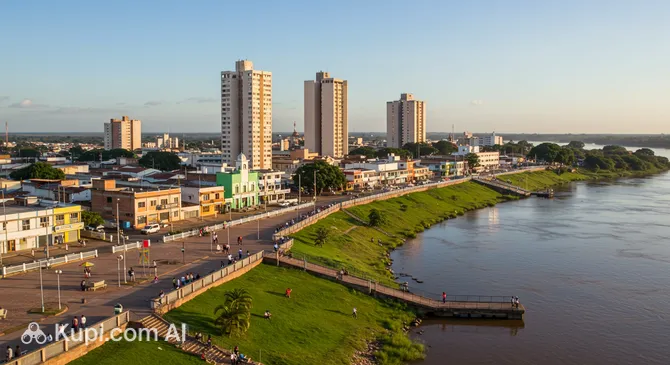
Presidente Franco. Illustration.
Source: Kupi.com AI

The city was founded in 1929 and named in honor of Dr. Manuel Franco, a former president of the country. Originally established as a timber port, it has evolved significantly over the decades. Visitors interested in the past can explore the history of Presidente Franco to understand how it grew from a small riverside settlement into a key tourist hub in the region.

Nature lovers are drawn to Presidente Franco primarily for the majestic Saltos del Monday. These breathtaking waterfalls, cascading over 40 meters high, are a must-see spectacle surrounded by native forests. Another significant site is the Moisés Bertoni Scientific Monument, a protected area that preserves the legacy of the Swiss botanist who studied the local flora and fauna extensively.

Whether you are seeking adventure in the great outdoors or a peaceful retreat near the river, Presidente Franco is a delightful stop. Its unique location and welcoming spirit make it an essential destination for anyone exploring the eastern frontiers of the country.

Weather Overview

The climate in Presidente Franco is generally subtropical, offering distinct seasonal changes that travelers should consider when planning their visit. Summers, spanning from December to February, are typically hot and humid, with average temperatures reaching up to 27.2°C in January. During this season, daily highs often climb above 31°C, and rainfall is quite frequent, with January seeing about 17 wet days.

Conversely, the winter months of June through August provide a cooler respite. July is usually the coldest month, with average temperatures dropping to around 18.1°C and minimums falling to approximately 13.5°C. This season is also noticeably drier, with precipitation frequency decreasing to just 6 wet days in July and August. For more specific data to help plan your activities, you can check the detailed weather in Presidente Franco.

Average monthly temperature

Average monthly precipitation

Interesting Facts

Beyond its reputation as a gateway to natural wonders, Presidente Franco holds fascinating secrets that highlight its historical and strategic importance in the region. Digging a bit deeper reveals unique stories about its botanical contributions and its role at the frontiers of South America.

  • The Birthplace of Sweetness: The city is historically linked to the scientific discovery of Stevia (Ka'a He'ê). It was at his homestead in Presidente Franco that the Swiss botanist Moisés Bertoni first scientifically classified this natural sweetener, which he learned about from the indigenous Guaraní people, eventually introducing it to the rest of the world.

  • The True Triple Frontier: While often associated with the larger commercial hub nearby, the actual Paraguayan landmark marking the Triple Frontier—the Hito de las Tres Fronteras—is located within Presidente Franco. This obelisk stands at the exact confluence of the Paraná and Iguazú rivers, offering a direct view of the borders of Brazil and Argentina.

  • A New International Link: The city is the site of the impressive Integration Bridge (Puente de la Integración), a modern engineering marvel connecting Paraguay directly to Brazil. This massive structure was designed to alleviate traffic from the historic Friendship Bridge and serves as a new symbol of connection between the two nations.

How to Get There

Reaching this destination is convenient due to its location in the tri-border region, offering access to several major transport hubs. For a complete guide on travel options, including border crossing details and ground transport, you can read more about how to get to Presidente Franco.

The city of Presidente Franco does not have its own airport, but travelers often arrive via Cataratas International Airport (IATA: IGU) in Foz do Iguaçu, Brazil. Located approximately 15 km away, this is a large international hub with frequent connections. The journey by taxi or transfer takes about 45 minutes, though you should account for extra time to cross the border via the International Friendship Bridge or the new Integration Bridge.

Another convenient option, especially for those coming from Argentina, is the Cataratas del Iguazu International Airport (IATA: IGR) in Puerto Iguazu. It is situated about 26 km from Presidente Franco. Travel time is generally around 60 minutes by car, depending on traffic at the border control. This airport also handles a large volume of passengers and offers numerous regional flights.

For those preferring to land directly in Paraguay, the closest facility is Alejo Garcia Airport (IATA: AGT) in the neighboring city of Ciudad del Este. It is located roughly 24 km from Presidente Franco. While it handles significantly less traffic than its counterparts across the borders, it provides a domestic entry point. A taxi or bus ride from here typically takes about 55 to 60 minutes.

For clarity, here is a summary of the main airports:

AirportPassenger trafficDistance
Ala'Marvdasht Airport12893 km
Cataratas International Airport2.1 mln15 km
Alejo Garcia Airport41 51224 km
Cataratas del Iguazu International Airport1.6 mln26 km
Cascavel Airport408 000129 km
Guaira2 500169 km

Since there are no railway stations serving Presidente Franco directly, most visitors arriving by land do so via the extensive bus network connecting the city with Asunción and other major locations in the region. Long-distance buses are a popular and affordable way to travel within Paraguay, arriving at the terminal in nearby Ciudad del Este, from where a short local bus or taxi ride will bring you to the center of Presidente Franco.

Main Attractions

Presidente Franco offers a compelling mix of natural wonders, historical heritage, and unique geographical landmarks. While often overshadowed by its commercial neighbor, this city provides a more serene and scenic experience, inviting travelers to explore the lush landscapes of the Alto Paraná region and the fascinating legacy of its early settlers.

Saltos del Monday is undoubtedly the city's most famous attraction and a natural spectacle that rivals many in the region. These majestic waterfalls, cascading approximately 40 meters down into the Monday River, are surrounded by a well-preserved native forest. Visitors can enjoy panoramic views from various observation decks or engage in adventure sports such as zip-lining and trekking. The park offers a perfect escape into nature, allowing you to feel the raw power of the water and the tranquility of the jungle just minutes from the city center.

For those interested in history and botany, the Moisés Bertoni Scientific Monument is an essential stop. Located in a dense forest area along the banks of the Paraná River, this site preserves the legacy of the Swiss sage Moisés Bertoni. Tourists can tour his former residence, which now serves as a museum displaying his personal objects, books, and scientific instruments. The surrounding reserve is rich in biodiversity and offers trails where you can learn about the exotic plants Bertoni studied, including his work with Stevia and his interactions with the indigenous Guaraní people.

Another significant landmark is the Hito de las Tres Fronteras, which marks the exact point where the borders of Paraguay, Brazil, and Argentina meet. The site features a monument painted in the colors of the Paraguayan flag and offers a stunning view of the confluence of the Iguazú and Paraná rivers. It is a unique geographical spot where you can see three countries simultaneously, making it a popular location for photography and enjoying a peaceful sunset by the water.

Finally, the impressive Integration Bridge (Puente de la Integración) has become a modern sight worth noting. Connecting Presidente Franco directly to Foz do Iguaçu in Brazil, this cable-stayed bridge is a marvel of engineering. While its primary function is logistics, its imposing structure against the backdrop of the river adds a new dimension to the city's skyline and symbolizes the close ties between the neighboring nations.

Local Cuisine

The culinary scene in Presidente Franco is a delightful reflection of traditional Paraguayan gastronomy, characterized by hearty comfort foods and a strong connection to the surrounding rivers. Visitors will find a cuisine deeply rooted in the fusion of indigenous Guaraní ingredients and Spanish colonial influence, offering flavors that are both unique and satisfying.

One cannot visit this region without trying the country's most iconic side dishes. Sopa Paraguaya, curiously known as the only "solid soup" in the world, is a savory cornbread made with cheese, onions, and milk. It is a staple at almost every table. Another favorite is Chipa Guazú, a moist corn soufflé that pairs perfectly with the region's abundant grilled meats. For a quick snack on the go, the ubiquitous Chipa—a bagel-shaped cheese bread made from manioc starch—is sold by street vendors everywhere and is best enjoyed warm.

Given the city's strategic location at the confluence of the Paraná and Monday rivers, freshwater fish plays a significant role in the local diet. Local restaurants often feature Surubí, a large catfish that is delicious whether grilled, breaded, or served in a rich sauce. Pira Caldo, a potent fish soup packed with vegetables and spices, is another popular dish, celebrated locally for its restorative properties and intense flavor.

Like its neighbors in the tri-border region, Presidente Franco has a strong culture of Asado (barbecue). While Sundays are typically reserved for family gatherings around the grill, tourists can enjoy high-quality cuts of beef at local churrasquerías (steakhouses). The dining atmosphere in the city is generally relaxed and informal, ranging from open-air eateries to cozy family-run establishments where the focus is on generous portions and hospitality.

To wash it all down, you must experience Tereré, the national drink of Paraguay. It is an infusion of yerba mate served ice-cold, often mixed with medicinal herbs known as yuyos. It is more than just a beverage; it is a social ritual seen in parks and plazas throughout the city. For a warmer option, typically enjoyed at breakfast, try Cocido, a sweet tea made by burning yerba mate with sugar and hot coals.

Travel Tips

Visiting Presidente Franco allows for a more relaxed experience compared to the bustling commercial centers nearby, but being prepared is still key to enjoying the region's natural beauty and border dynamics. These practical tips will help you navigate the local culture, climate, and logistics for a smooth and enjoyable trip.

  1. Clothing and Gear: Given the subtropical climate, lightweight and breathable fabrics like cotton or linen are best for the heat and humidity. Since the main attraction, Saltos del Monday, involves nature trails, bring sturdy, comfortable walking shoes. Don't forget a hat, sunglasses, and high-strength insect repellent, as mosquitoes can be prevalent, especially near the river and waterfalls.
  2. Transportation: While local buses are available and inexpensive, they can be confusing for newcomers. The most convenient way to get around is by using ride-hailing apps like Bolt or Uber, which are widely used, safe, and affordable in this region. Taxis are also an option, but always agree on the fare before starting your journey if the meter is not used.
  3. Finances: The official currency is the Paraguayan Guaraní (PYG). While US Dollars and Brazilian Reais are often accepted due to the proximity to the border, you will get better value paying in local currency. Carry cash for small purchases, street food, or entrance fees to smaller parks. International credit cards are accepted in hotels and larger restaurants, but smaller vendors may lack card terminals.
  4. Health and Safety: It is highly recommended to drink only bottled water and avoid tap water to prevent stomach issues. Pharmacies are plentiful, and many major chains operate 24/7 in the city center. While Presidente Franco is generally safer than the busy commercial districts of Ciudad del Este, always keep an eye on your belongings and avoid walking in poorly lit or isolated areas at night.
  5. Communication: The official languages are Spanish and Guaraní. While staff at major hotels may speak English or Portuguese, English proficiency is not widespread among the general population. Learning a few basic Spanish phrases is very helpful. For internet access, you can easily buy a prepaid SIM card from providers like Tigo or Personal at many kiosks—just bring your passport for registration.
  6. Local Etiquette: Paraguayans are warm and hospitable. A handshake is a standard greeting, though women often greet with a kiss on each cheek. If you are invited to share Tereré (the communal cold herbal tea), accept it as a sign of friendship. Remember that in the circle, you only say "thank you" (gracias) when you do not want any more; otherwise, the server will keep refilling your cup.
  7. What to Avoid: Avoid changing money on the street with informal money changers, as scams can happen; stick to official Casas de Cambio (exchange houses) for safety and fair rates. Also, try not to rely solely on high-denomination bills (like 100,000 Guaraníes) for small purchases, as vendors may struggle to provide change.
  8. Border Crossing Tip: A unique feature of Presidente Franco is the Balsa (ferry) service that crosses the Paraná River directly to Puerto Iguazú, Argentina. This is a fantastic, less crowded alternative to driving through Brazil to get to Argentina, offering a scenic and relaxed river crossing experience. Check the schedule in advance, as it does not run 24 hours.

By keeping these practicalities in mind, you can focus on the stunning waterfalls and the rich biodiversity that make Presidente Franco special. Embrace the slower pace of life here, enjoy a refreshing Tereré with the locals, and soak up the unique atmosphere of the Paraguayan frontier.

Entertainment & Nightlife

While the neighboring Ciudad del Este is known for its frantic commercial pace and bustling border energy, the nightlife in Presidente Franco offers a more relaxed and authentic Paraguayan experience. The evening scene here is characterized by a laid-back atmosphere, focusing on socializing with friends at cozy "resto-bars" rather than large, thumping nightclubs. It is the perfect destination for travelers who prefer a cold beer, live acoustic music, and hearty conversation over neon lights and crowded dance floors.

The city's nightlife is generally concentrated along the main thoroughfares, particularly Avenida Monday and the neighborhoods around Area 5. In these districts, you will find a variety of establishments that blend the line between a restaurant and a pub. The vibe is distinctly local, with families and groups of friends gathering to enjoy the evening breeze. The dress code is almost universally casual; jeans and a comfortable shirt are perfectly acceptable anywhere you go.

For those looking to experience the local flavor, the venues along Avenida Monday are a popular choice. Many of these establishments are well-regarded for their welcoming environment, where you can enjoy traditional snacks and a wide selection of drinks. They often strike a balance between family-friendly eateries and lively night spots. In the same vicinity, you can find places with a bit more edge, often frequented by a younger crowd. These spots are known for their rock-and-roll aesthetic, cold draft beer, and occasional live bands playing classic hits, capturing the unpretentious spirit of the city.

If you are seeking a place with a view or a breezy outdoor setting, the Area 5 district features several open-air terraces that are local favorites. These venues typically stay open until around 1:00 or 2:00 AM on weekends, though they may close earlier on weeknights. Prices in Presidente Franco are generally very affordable compared to the tourist traps across the border, making it easy to enjoy a full night out without breaking the bank.

Regarding safety and logistics, Presidente Franco is considered calmer than the downtown areas of Ciudad del Este, but it is still wise to take precautions. Walking long distances at night is not recommended, especially in poorly lit residential areas. The best way to get around is by using ride-hailing apps like Bolt or calling a radio taxi. These services are reliable and will ensure you get from your hotel to the bars safely. Always carry some cash in Paraguayan Guaraníes, as smaller pubs might not accept credit cards.

Before the sun sets, the city offers a different kind of entertainment focused on its natural heritage. While it lacks large amusement parks or grand theaters, the daytime appeal lies in its green spaces. Visitors often spend their afternoons exploring the trails around the Saltos del Monday or visiting the scientific legacy at the Moisés Bertoni museum. For a more urban daytime activity, the local plazas offer a glimpse into daily life, where you can watch locals enjoy their tereré in the shade.

Parks & Museums

Presidente Franco is widely regarded as a sanctuary of biodiversity and history within the Alto Paraná region. Unlike the purely commercial atmosphere of its neighbors, this city prides itself on offering expansive green spaces and cultural sites that honor the scientific and natural heritage of Paraguay. Visitors here can seamlessly transition from exploring dense subtropical rainforests to stepping back in time within preserved historical residences.

Saltos del Monday Municipal Park is the crown jewel of the city's green areas. Spanning several hectares, this park protects the majestic waterfalls and the surrounding Atlantic Forest. Beyond the falls themselves, the park features a network of well-maintained trails that allow visitors to hike through the canopy and observe local flora and fauna up close. For a more comfortable experience, there is a panoramic elevator that descends to the riverbank, providing a unique vantage point of the water's power without the need for a strenuous hike. It is an ideal spot for picnics, photography, and immersing oneself in the sounds of nature.

Another vital natural area is the reserve surrounding the Moisés Bertoni Scientific Monument. While often visited for its historical significance, the grounds themselves are a botanical treasure. The reserve covers approximately 199 hectares of native forest and serves as a living arboretum. Here, nature enthusiasts can walk along paths shaded by exotic and native trees planted by Bertoni himself over a century ago. The area is a haven for birdwatchers and those interested in the diverse plant species of the Upper Paraná Atlantic Forest.

In terms of museums, the Moisés Bertoni Museum is the primary cultural institution in Presidente Franco. Housed in the original residence of the Swiss scientist Moisés Bertoni, this museum offers a fascinating glimpse into the life of a man who dedicated his existence to studying Paraguayan nature and the Guaraní culture. The "House of the Sage" has been restored to reflect its state in the early 20th century. Visitors can explore his personal library, view his scientific instruments, and see the original printing press he used to publish his research, known as the Ex Sylvis. It is a compelling stop for anyone interested in botany, anthropology, and the history of science in South America.

While traditional art galleries are scarce, the Hito de las Tres Fronteras serves as an open-air cultural landmark. The site features the iconic obelisk painted in the Paraguayan national colors, standing guard over the confluence of the rivers. The surrounding plaza is a significant historical spot, symbolizing peace and integration between Paraguay, Brazil, and Argentina. It creates a space for reflection and offers one of the most culturally significant views in the region, where three nations are visible at a single glance.

Architecturally, the city is defined by the contrast between the historic and the modern. The Integration Bridge (Puente de la Integración) stands as a monumental feat of contemporary engineering, its cable-stayed design dominating the skyline and marking a new era of connectivity. In contrast, the older administrative buildings near the city center reflect the modest, functional style of the mid-20th century when the city began to grow from a timber port into a municipality.

For an authentic local experience, try visiting the Saltos del Monday in the late afternoon. As the sun sets, the park often quiets down, and on certain evenings, the falls are illuminated, creating a magical atmosphere distinct from the daytime rush. Additionally, taking the time to read the plaques and historical markers at the Bertoni Museum reveals fascinating anecdotes about how Stevia was introduced to the world, a detail often missed by hurried tourists.
Getting Around

The public transport system in Presidente Franco is modest and functional, relying primarily on a network of buses that connect the city’s neighborhoods with the bustling commercial center of nearby Ciudad del Este. There is no metro, tram, or train service in the city. For most locals and visitors, the "colectivo" (bus) is the main mode of shared transit, offering an authentic, albeit sometimes chaotic, way to get around the area.

Buses in this region are often colorful and distinct, with their destinations displayed on placards in the front windshield rather than on digital screens. Routes typically run along the main avenues, such as Avenida Monday and Avenida Bernardino Caballero. These buses are essential for commuting to the city center or crossing into Ciudad del Este. Travelers should be aware that comfort levels vary; while some newer units have air conditioning, many are older models that rely on open windows for ventilation.

Regarding payment, the system in Presidente Franco and the wider Alto Paraná region operates almost exclusively on cash. Unlike the capital city where electronic cards are mandatory, here you simply pay the driver directly upon boarding. The fares are very affordable, typically costing a few thousand Guaraníes. It is crucial to carry small bills or coins, as drivers often struggle to provide change for high-denomination banknotes.

For tourists seeking more comfort or direct routes, alternatives to the bus are highly recommended. Ride-hailing apps like Bolt and Uber are widely available, safe, and often cheaper than traditional taxis. They provide the added benefit of price transparency and overcome language barriers. Traditional taxis are also plentiful and can be found at designated stands (paradas), but it is advisable to agree on the fare before starting the trip if the vehicle lacks a meter.

A unique and scenic feature of the local transport landscape is the balsa (ferry) service that connects Presidente Franco directly to Puerto Iguazú in Argentina. Departing from the port on the Paraná River, this ferry carries both vehicles and pedestrians. It offers a relaxed alternative to the busy land border crossings, allowing you to enjoy views of the river while traveling between countries. However, the service depends on river levels and weather conditions, so it is wise to check if it is operating on the day of your travel.

To navigate the bus system successfully, practical knowledge is key. Bus stops are not always clearly marked with signs or shelters. To catch a bus, you must wave your hand vigorously to signal the driver to stop. When you wish to get off, you usually press a button near the door or simply call out "¡Bajo!" (I'm getting off) to the driver. Service generally runs from early morning until around 9:00 PM or 10:00 PM, after which frequencies drop significantly, making ride-sharing apps the better option for late-night travel.

Accommodation

Accommodation in Presidente Franco is characterized by its simplicity, hospitality, and affordability. Unlike the high-rise luxury resorts often found across the border in Brazil, the options here lean towards budget-friendly hostels, family-run guesthouses known as posadas, and modest mid-range hotels. This makes the city an excellent choice for travelers seeking a quieter, more authentic Paraguayan experience away from the commercial bustle of nearby Ciudad del Este.

The lodging landscape is generally divided into two main areas. Visitors looking for convenience often choose hotels located in the city center or along major thoroughfares like Avenida Monday. Staying here places you within walking distance of local restaurants, supermarkets, and bus stops. Alternatively, for a more scenic and tranquil stay, there are establishments situated closer to the Saltos del Monday. These locations offer a peaceful retreat surrounded by nature, allowing guests to stay just minutes away from the majestic waterfalls.

Booking Tip: While finding a room is usually easy, it is advisable to book in advance if you plan to visit during the peak summer season (December to February) or during major holidays like Easter. During these times, domestic tourism increases significantly, and the best-value options can fill up quickly.

In terms of pricing, Presidente Franco is a very budget-friendly destination. Rates are typically lower than those in the neighboring cities of the Triple Frontier. While some larger hotels can be booked through major international online platforms, many smaller local establishments may still rely on direct reservations via phone or social media. It is also worth noting that while larger hotels accept credit cards, smaller guesthouses often prefer or require payment in cash (Guaraníes).

Nearby Cities

Presidente Franco serves as an excellent starting point for exploring the vibrant Alto Paraná region and beyond. Its strategic location near the confluence of major rivers places it within easy reach of bustling commercial hubs, while also offering a gateway to the rich history and agricultural landscapes of Paraguay's interior.

The most prominent neighbor is Ciudad del Este, located just 7 kilometers away. As the capital of the department and the second-largest city in the country, it offers a stark contrast to the quieter atmosphere of Presidente Franco. It is a world-renowned destination for shopping and serves as the primary link to Brazil via the Friendship Bridge. Travelers often move between these two cities daily, enjoying the amenities of the commercial center while retreating to the calmer environment of Presidente Franco.

Venturing further inland, visitors can explore Katuete, situated approximately 145 kilometers away. This town is known for its strong agricultural base and multicultural community. For those interested in history, Curuguaty lies about 161 kilometers from the city and holds significant historical importance in the nation's independence narrative.

Traveling westward, you will find Coronel Oviedo, a key transportation node known as the "Capital of Work," located roughly 183 kilometers away. Slightly further is the charming city of Villarrica, about 185 kilometers distant. Villarrica is celebrated as a cultural and university hub, famous for its colonial architecture and the unique "reversed" lifestyle of its inhabitants.

The following table provides an overview of these nearby destinations, including their distance from Presidente Franco and population size, to help you plan your excursions:

CityPopulationDistance
Foz do Iguaçu844 5836 km
Ciudad del Este320 7827 km
Puerto Iguazu82 2277 km
Sao Miguel do Iguacu25 76945 km
Wanda15 52947 km

Shopping & Souvenirs

Shopping in Presidente Franco offers a distinctively relaxed alternative to the frantic commercial energy of its famous neighbor, Paraguay's shopping capital, Ciudad del Este. While the city is not primarily known for luxury malls or massive duty-free zones, it provides a genuine and stress-free environment where visitors can purchase local goods, everyday essentials, and regional handicrafts without the overwhelming crowds of the border crossing areas.

The commercial life of the city is largely concentrated along Avenida Monday. This main thoroughfare serves as the backbone of local trade, lined with a variety of small businesses ranging from clothing boutiques and shoe stores to pharmacies and hardware shops. Another key area is Avenida Bernardino Caballero, where travelers can find supermarkets and service-oriented businesses. Walking along these streets offers a pleasant glimpse into the daily lives of the residents and an opportunity to shop at local prices.

Unlike the massive shopping complexes found just a few kilometers away, Presidente Franco does not feature large international malls. Instead, the retail landscape is defined by smaller commercial galleries and independent stores. For tourists specifically seeking high-end electronics, perfumes, or designer brands, the best option is to take a short taxi ride to the specialized shopping centers in Ciudad del Este, leaving Presidente Franco for more authentic, low-key purchases.

For those interested in local culture, the Mercado Municipal represents the traditional side of commerce. This market focuses primarily on fresh produce, meats, and regional food ingredients rather than imported goods. It is an excellent place to explore the colors and smells of Paraguayan cuisine, buy fresh tropical fruits, or pick up bags of yerba mate at a fraction of the cost found in tourist shops.

When looking for souvenirs, consider items that reflect the city's unique heritage. Given that the botanist Moisés Bertoni lived and worked here, products made with Stevia (Ka'a He'ê) are particularly meaningful gifts. You can also find high-quality leather goods, such as belts and wallets, as well as traditional guampas and bombillas used for drinking tereré. These artisan items are often sold in small shops near the city center or by vendors around the main plazas.

Store hours in Presidente Franco typically run from 7:00 AM or 8:00 AM until roughly 6:00 PM or 7:00 PM on weekdays. On Saturdays, many shops close by the early afternoon, around 1:00 PM, and Sundays are generally quiet with most non-essential businesses closed. Regarding payment, while larger supermarkets and established retailers accept credit and debit cards, cash (Guaraníes) is the preferred and often only method of payment at smaller stalls, markets, and independent boutiques.

Regarding tax-free shopping, it is important to note that the famous duty-free regime is primarily associated with the specific commercial zones in the neighboring city of Ciudad del Este. While Presidente Franco benefits from the border region's general trade dynamics, tourists looking for formal tax-refund procedures or duty-free quotas on imported luxury items will find those specific services concentrated in the large malls near the Friendship Bridge.

Reached the end of the page?

That means the route is fully explored