Kingston is a unique settlement that serves as the administrative center of the Australian external territory, Norfolk Island. Unlike bustling metropolises, this town is a quiet place steeped in history, preserving the atmosphere of the colonial era. You won't find skyscrapers or dense urban development here; instead, every stone serves as a reminder of the days of the first settlers and convicts.
Geographically, Kingston is situated on the island's picturesque southern coast. Its defining feature is its status as a UNESCO World Heritage site, as the town is part of the Kingston and Arthur's Vale Historic Area (KAVHA). Kingston. Illustration.
Source: Kupi.com AI
It is a true open-air museum where the historical heritage of the city blends harmoniously with untouched oceanic nature. The permanent population here is small, making walks along the coast and among the ancient ruins feel particularly secluded.
Tourists are drawn here by the opportunity to literally touch the past: from visiting beautifully restored colonial buildings to walking through emerald meadows where wild cows graze. If you are looking for a place where time seems to have stood still and the sound of the surf replaces the city hum, Kingston should definitely be on your itinerary.
Weather Overview
Kingston, located on Norfolk Island, delights travelers with its mild subtropical oceanic climate. There is no exhausting heat or harsh frost here, thanks to the influence of the ocean. Kingston's climate is characterized by the absence of sharp seasonal changes: summers are warm and sunny, while winters are moderately humid and very mild.
In the summer months (December to March), the average air temperature ranges between +20°C and +25°C. In winter, which falls between June and August in the Southern Hemisphere, the thermometer rarely drops below +13°C, often staying around the +18°C mark. Precipitation is distributed fairly evenly throughout the year, although winter can be slightly rainier. Sea breezes keep the weather pleasant even on the sunniest days.
Due to its remote location in the Pacific Ocean, the air in the town is crystal clear. However, it is worth noting that the weather in the coastal zone can change quickly: a sunny day can suddenly be replaced by a brief rain shower with wind. When heading to Kingston, bring light clothing and sunscreen, as well as a light windbreaker for evening walks along the coast.
Average monthly temperature
Average monthly precipitation
Interesting Facts
Kingston is officially considered the capital of Norfolk Island, although most commercial institutions are concentrated in the neighboring settlement of Burnt Pine.
The town's territory is recognized as a UNESCO World Heritage site as part of the Australian Convict Sites system, which holds outstanding historical significance.
The town is located on an island that measures only about 8 kilometers long and 5 kilometers wide, making it one of the most miniature administrative centers in the world.
Kingston houses unique research institutions and archives that preserve documents regarding the history of the mutiny on the famous ship, the HMS Bounty.
On the streets of Kingston, you may encounter free-roaming livestock, which has the right of way over vehicles here.
How to Get There
Kingston can only be reached by air, as Norfolk Island is very remote from the mainland and has no regular ferry service. The main gateway is Norfolk Island Airport, located just a few minutes' drive from the historical center. Given the isolation of the territory, all ways to get to Kingston involve flights from major cities in Australia or New Zealand.
After landing, travelers usually use taxis or pre-booked hotel transfers. The road network on the island is compact, so any trip takes very little time. Traffic jams are practically non-existent here, and the main delay on the road might only be a cow or a chicken slowly crossing the street, which is part of the local charm.
There is no rail service on Norfolk Island, so land transport is limited to cars and tour buses. This gives Kingston the special charm of a place protected from the noise of railways and the bustle of train stations.
Station
Passenger traffic
Distance
Kingston station
6
4 km
Gananoque railway station
6
31 km
Belleville railway station
6
71 km
Brockville railway station
6
75 km
Smiths Falls railway station
6
84 km
Trenton Junction railway station
6
89 km
Main Attractions
The main pride and primary reason to visit Kingston is the KAVHA historical area. This is a vast territory where convict-era buildings and colonial-style homes have been preserved. Walking among the stone ruins and restored offices, you can feel the stern atmosphere of the past, complemented by incredible views of the Pacific Ocean.
An important cultural center is the Norfolk Island Museum. Its exhibits are housed in several iconic historical buildings across the town. These collections tell the story of the Bounty mutineers, the lives of convicts, and the unique culture of the islanders. Each branch of the museum offers a distinct narrative that deserves the attention of any curious traveler.
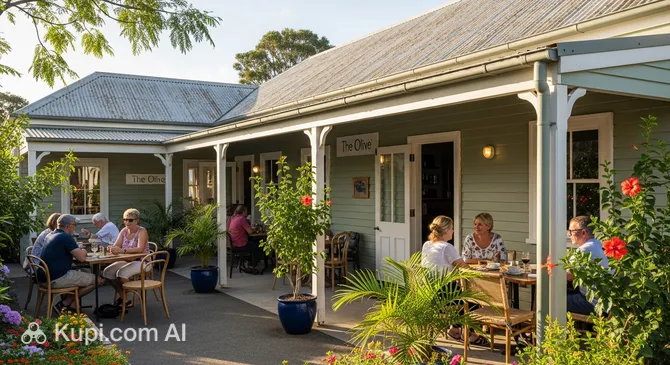
For those looking for a cozy spot to relax between sightseeing stops, there are places with soul, such as The Olive cafe. While it is more of a gastronomic destination, it perfectly complements a tour of the southern part of the island. The Olive. Illustration.
Source: Kupi.com AI
Traveller photos:
A visit to Kingston is not just about entertainment, but about a deep immersion into history and enjoying landscapes that have remained unchanged for centuries.
Local Cuisine
The gastronomy of Kingston is inextricably linked to the bountiful gifts of the ocean. The local menu is based on dishes made from freshly caught fish, with Trumpeter being particularly prized. The simple yet incredibly tasty island cuisine relies on the use of local vegetables and fruits grown in the fertile volcanic soil.
The dining culture here is centered in small cafes and hotel restaurants. One of the iconic spots is The Olive, which serves dishes made from local ingredients paired with high-quality coffee. The Olive. Illustration.
Source: Kupi.com AI
Traveller photos:
You should definitely try the traditional outdoor "Fish Fries," which are often accompanied by local songs and dances reflecting the heritage of the settlers from Pitcairn Island.
Beverages on the island also have their own local flair. It is worth trying the local coffee and tea, as well as homemade lemonades made from tropical fruits. Since Kingston is primarily a historical zone, tourists often head to neighboring areas for groceries and markets, but the spirit of hospitality and the natural taste of the food follow travelers everywhere.
Travel Tips
A trip to Kingston promises to be peaceful and educational, provided you keep a few important features of island life in mind.
Clothing and Essentials: Bring comfortable shoes for walking on uneven terrain and light clothing made from natural fabrics. It can get cool by the ocean in the evening, so a windbreaker will come in handy. For visiting historical buildings and churches, casual style is sufficient.
Transport: The best way to get around is by renting a car. Remember to drive on the left and that livestock on the roads always has the right of way.
Finances: The official currency is the Australian Dollar (AUD). Cards are accepted in most places, but there are few ATMs in Kingston, so carry some cash with you.
Health and Safety: The island is very safe. Pharmacies and a medical center are located in Burnt Pine. Don't forget sunscreen, even if the sky seems cloudy.
Communication: The main language is English, but you will also hear the local Norf'k language. Free Wi-Fi is available in some cafes, but it's better to buy a local SIM card for stable connectivity.
Local Etiquette: It is customary to say hello to passersby and greet other drivers with a raised hand (The Norfolk Wave).
What to Avoid: Do not enter private property without permission and do not feed wild animals. Strictly follow the rules of conduct in the KAVHA historic zone.
Extra Tip: Take an evening tour of the colonial-era cemetery — it is one of the most atmospheric ways to learn the town's history.
Following these simple rules will help you fully immerse yourself in the unique atmosphere of Kingston and make your holiday as comfortable as possible.
Entertainment & Nightlife
Entertainment in Kingston is of a quiet and cultural nature. The main focus here is on themed programs and evening excursions that allow you to see the town in a different light. For example, lantern-lit tours of the KAVHA historic area are very popular, where guides share ghost legends and dramatic stories from the days of the penal colony.
There is no traditional nightlife with loud clubs and bars here. Kingston's atmosphere is more suited to a leisurely dinner or visiting cozy spots like The Olive, where you can spend an evening in pleasant company. The Olive. Illustration.
Source: Kupi.com AI
Traveller photos:
Most establishments close quite early, so it is best to plan your evening leisure in advance.
If you crave more active socializing or dancing, locals usually head to other parts of the island, such as Burnt Pine, where life stays vibrant a bit longer. In Kingston itself, it’s best to enjoy the silence, the starry sky, and the sounds of the ocean, which create a unique backdrop for evening walks along the shore.
Parks & Museums
Museum life in Kingston is centered in the KAVHA historical complex, which is itself a vast park and memorial. There are no classic city squares with rides here, but the open spaces overlooking Arthur's Vale serve as a wonderful relaxation area. Walking across these meadows, you can not only enjoy the fresh air but also study the history of the penal colony through the preserved information boards.
The main cultural magnet is the Norfolk Island Museum. Its collections are spread across several buildings, including the Old Gaol and the Commissariat Store. These museums display artifacts from the HMS Sirius, which was shipwrecked off the island's coast, as well as everyday items from the first settlers. This is a must-visit for anyone who wants to understand how the unique culture of this remote corner of the earth was formed.
Near the historical buildings, you can find cozy places to rest, such as The Olive, where it is pleasant to discuss what you've seen over a cup of coffee. The Olive. Illustration.
Source: Kupi.com AI
Traveller photos:
The combination of the stern architecture of the prison buildings with the soft green of the hills creates a unique landscape in Kingston, where history and nature merge into one.
Getting Around
The transport system in Kingston is extremely simple and reflects the island's leisurely pace of life. There is no public transport in the traditional sense — like subways or trams. The few buses are primarily geared towards transporting organized tour groups along historical routes. For individual travel, renting a car is the best solution.
Renting a car on the island is standard practice for most guests in Kingston. Keep in mind that driving is on the left side of the road, and the maximum speed is limited to 40-50 km/h. An important feature is the so-called "Norfolk Wave": drivers always greet each other with a wave of the hand. You also need to be careful because of the cows, which roam freely on the roads and have the right of way.
Alternatives to a car include taxis, which can be called by phone, or bike rentals for those who don't mind the hilly terrain. Walking around Kingston itself is the most pleasant way to see the sights, as all key objects in the historical district are within walking distance of each other.
Accommodation
Accommodation options in Kingston and its immediate surroundings are mainly represented by cozy guest houses, small hotels, and cottages. You won't find huge hotel chains here, but there is an abundance of offerings with unique character and views of the KAVHA historical area. Such accommodation allows tourists to feel like part of island life, waking up to the sound of the surf.
Properties located within walking distance of museums and the coastline are very popular. This is an ideal choice for those who appreciate the opportunity to take morning walks among ruins and historic buildings. In the Kingston area, you can also find culinary hotspots like The Olive, around which small apartments are often grouped. The Olive. Illustration.
Source: Kupi.com AI
Traveller photos:
It is recommended to book accommodation in advance, especially during local festivals or major cultural events, as the number of places on the island is limited. The general price range varies from mid-range to premium, and the service is usually characterized by friendliness and a personal approach to every guest.
Nearby Cities
Kingston is the perfect starting point for exploring all of Norfolk Island. Since the territory itself is small, the concept of "nearby cities" is quite relative, and most interesting locations are within a short drive.
The main destination from Kingston is the settlement of Burnt Pine. This is the island's shopping and commercial heart, where shops, banks, and most cafes are concentrated. It can be reached in just 5-10 minutes, making it a great place for day trips and shopping.
It is also worth visiting picturesque natural spots such as Emily Bay with its crystal-clear water and coral reefs, or heading to the coast of Anson Bay to watch the stunning sunsets. These locations allow you to see the natural beauty surrounding the island's administrative core.
Exploring the surroundings of Kingston won't take much travel time but will provide a wealth of impressions from the variety of landscapes — from rugged cliffs to pastoral green hills.
Shopping & Souvenirs
Shopping in Kingston has a specific, tourist-oriented character. Since it is a protected historical zone, there are no large shopping centers. Most purchases are made in small museum shops, where you can find high-quality souvenirs: books on the island's history, handicrafts, and memorabilia with Norfolk symbols.
For a wider range of goods, tourists usually head to the neighboring district of Burnt Pine. There you will find clothing stores, souvenir shops, and small galleries. Nevertheless, in Kingston itself, you can visit cozy spots like The Olive, which sometimes sells local products or items made by local artisans. The Olive. Illustration.
Source: Kupi.com AI
Traveller photos:
Recommended souvenirs from Kingston include items made from Norfolk Pine wood, local honey, or unique postage stamps, which are highly valued by collectors worldwide. Shops generally operate until evening on weekdays and close earlier on weekends, so plan your shopping for the first half of the day. Payment by credit card is possible, but cash in Australian dollars is always useful for small expenses.