Support

Bamako National Park

About

Bamako National Park is an impressive natural and cultural oasis located in the capital of Mali, the city of Bamako. This vast complex is one of the city's most important public spaces, offering a unique blend of natural beauty and cultural heritage.
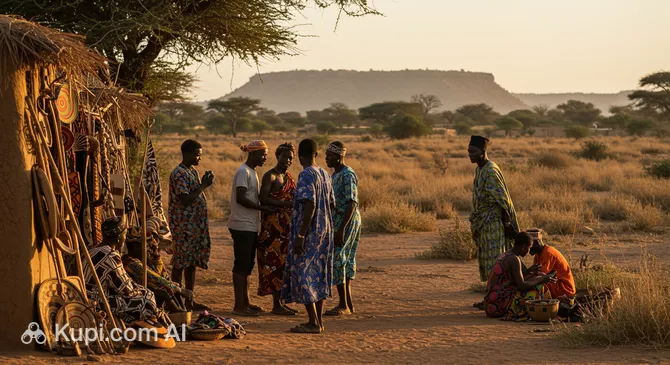
Bamako National Park. Illustration.
Source: Kupi.com AI

Traveller photos:

The park spans an impressive 103 hectares and brings together various zones for relaxation and educational walks. It is a place where natural landscapes and man-made cultural sites coexist harmoniously, making it attractive to both residents and visitors of the capital.

Bamako National Park includes significant sites such as the National Museum, an active botanical garden, and a zoo. Thanks to this diversity, the park offers visitors not only pleasant outdoor recreation but also wide-ranging opportunities for education, getting to know the region's flora and fauna, and immersing themselves in the culture of Mali.

Contacts

To get the most up-to-date information on the opening hours of Bamako National Park, available tours, entry fees (if applicable), or special programs, we recommend contacting the official tourist information centers in Bamako or checking travel portals for Mali. Useful information can also often be found directly on-site.

As Bamako National Park is a major landmark in the capital, it is generally accessible by public transport or taxi from various districts of Bamako.

How to contactContact
AddressM262+33C, Bamako, Mali

What to Do

At Bamako National Park, visitors can find many opportunities for active recreation and nature exploration. Thanks to an extensive network of pedestrian paths and walkways covering its entire territory, it is a pleasure to walk here while enjoying the fresh air. For those who prefer more active pastimes, there are dedicated fitness areas, as well as paths for jogging and cycling. Of particular note are the climbing routes, which offer various levels of difficulty and a fresh perspective on the surrounding landscapes.

The park offers not just physical activity, but also food for thought. Along the educational alleys, you can learn many interesting facts about the local flora, fauna, and the unique nature of the region. The cultural program is equally rich: the park features an amphitheater that serves as a venue for educational events, theatrical performances, and musical concerts. This is a wonderful opportunity to immerse yourself deeper into the cultural life of Bamako.

One of the park's main cultural hubs is the National Museum of Mali, which is rightfully considered one of the best ethnographic collections in West Africa. Its exhibits include ancient tapestries, traditional musical instruments, impressive ritual masks, and many other artifacts that tell the story of Mali's history and culture. After a busy walk or touring the exhibits, guests can relax and have a snack at one of the park's restaurants, which offer high-quality meals.

Getting There

Getting to Bamako National Park is quite simple, as it is located right in the capital of Mali, the city of Bamako. The park is situated on the left bank of the Niger River, making it easily accessible from different parts of the city and a popular leisure spot for both locals and tourists.

You can use several modes of transport to reach the park. Public transport in Bamako, including buses, has routes that run near the park. You can check the specific bus number and stop with locals or at your hotel. Another convenient option is a taxi. Drivers in the capital generally know the location of this popular attraction well, so the trip should be straightforward. If you are staying in central Bamako and enjoy walking, you can reach the park on foot while taking in the city's atmosphere. Don't hesitate to ask for directions—Bamako National Park is known to every resident of the capital.

Nearest city: Bamako

History & Facts

Bamako National Park did not emerge by chance; it was the result of a carefully planned project to consolidate several existing landmark sites in the capital of Mali. The idea was to merge the National Museum, a scenic botanical garden, and the city zoo into a single, large-scale cultural and natural space. This ambitious design was intended to provide the people of Bamako and visitors to the city with a unique place for relaxation, education, and the enjoyment of nature.

The development of the park took place in stages. In the first phase, 17 hectares of open spaces and gardens were landscaped, and new structures were built to lay the foundation for the future complex. Subsequently, the territory was significantly expanded, reaching its current impressive 103 hectares. This expansion allowed not only for an increase in size but also for the creation of various themed zones dedicated to recreation, educational programs, and cultural events, turning the park into a multifunctional center of attraction.

One of the notable features of Bamako National Park is its thoughtful layout. During the design process, special attention was paid to the preservation and integration of the area's natural features. Another important aspect was its strategic location in immediate proximity to the National Museum complex. This proximity allowed the park to be seamlessly integrated into the city's cultural landscape, creating vast open areas perfect for the general public, educational tours for school groups, and tourists interested in the nature and culture of Mali.

Time Needed

When planning a visit to Bamako National Park, you should consider how much time you are willing to dedicate to exploring it. To get a general impression and see the key sites, such as the National Museum, the botanical garden, and the zoo, we recommend setting aside at least half a day. This is approximately 4-5 hours, which will allow you to take a leisurely stroll through the main areas and enjoy the atmosphere of this wonderful place.

If you want to dive deeper into the park's diversity, explore all its corners, walk the scenic trails, and perhaps attend any cultural events that might be held there, then feel free to plan for a full day at Bamako National Park. This approach will give you the opportunity to enjoy every aspect of the park without rushing, from its natural beauty to its cultural treasures.

Ultimately, the time required will depend on your interests and pace. Some may prefer a quick tour, while others might want to spend many hours here, enjoying every moment. The main thing is to think ahead about what exactly you would like to see and do to make your visit to Bamako National Park truly memorable.

Working Hours

Bamako National Park is pleased to welcome visitors daily. According to available information, the park is open to the public from 10:00 AM to 8:00 PM. This allows guests flexibility in planning their visit, choosing a convenient time in either the morning or afternoon for walks and exploring its attractions.

Thanks to its daily schedule, the park is generally accessible for visits year-round. Nevertheless, it is always recommended to check for potential changes in the schedule related to public holidays or special events on the park's official website or at local tourist information centers in Bamako. Regarding the need for advance ticket booking or registration for specific tours, this information should also be checked beforehand, especially if you plan to visit during peak times or as part of a large group.

DayOpening hours
Monday10:00 – 21:00
Tuesday10:00 – 21:00
Wednesday10:00 – 21:00
Thursday10:00 – 21:00
Friday10:00 – 21:00
Saturday10:00 – 22:00
Sunday10:00 – 22:00

Nearby

A visit to Bamako National Park will undoubtedly be a highlight of your trip to Bamako. However, to make your experience even more complete and diverse, it is worth looking at the attractions located nearby. Exploring the surrounding area will allow you to dive deeper into the atmosphere of Mali's capital, discover new interesting spots, and better understand the cultural and historical context of this amazing city.

There are several noteworthy sites near Bamako National Park that can complement your itinerary. From museums to architectural landmarks, there is something for everyone. Below is a list of some of these attractions with their approximate distances.

NameDistance
National Museum of Mali0.2 km
National Zoo of Mali0.5 km
Great Mosque of Bamako1.6 km
Ali Farka Touré Monument2.3 km
Le Byblos2.5 km
Monument of Independence2.6 km
Sukhothai by Siam2.8 km

Reached the bottom of the page?

Looks like you know this route inside out