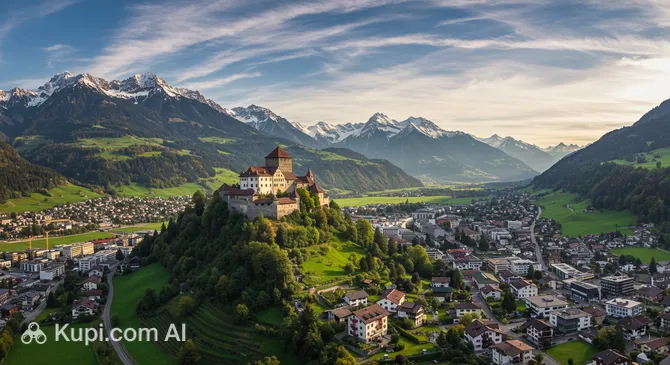
Vaduz is more than just the capital of the tiny principality of Liechtenstein; it is a fascinating place where a modern financial center harmoniously coexists with medieval charm. Situated in the picturesque Rhine Valley at the foot of the Alps, the city attracts travelers with its intimate atmosphere and aristocratic tranquility. With a population of about 5,668 people, Vaduz feels more like a cozy Alpine village than a bustling capital metropolis.
Vaduz. Illustration.
Source: Kupi.com AI
The city's rich historical heritage dates back to the 12th–13th centuries when it was known as Faduzes. Today, Vaduz Castle—the official residence of the Princely Family—towers proudly over the town, making the city skyline look like something out of a fairy tale. For centuries, the region's economy and culture were built on agriculture and viticulture, which remain an important part of the local identity today.
Visitors can look forward to leisurely strolls along pristine streets, an introduction to monarchic traditions, and breathtaking views of mountain peaks. Vaduz is perfect for those seeking aesthetic pleasure and wanting to feel the rhythm of life in one of Europe’s smallest yet most prosperous states.
Weather Overview
The climate in Vaduz is temperate continental, with a pronounced influence from the Alps and the Rhine Valley. Winters here are mild by mountain standards but quite humid: the average January temperature fluctuates around -2.3°C. Summer brings pleasant warmth, with the thermometer in July and August usually hovering around +20°C, creating ideal conditions for walking.
One of the characteristic features of the local climate is abundant precipitation distributed throughout the year. Summer is considered the rainiest period, when sudden Alpine thunderstorms are possible, while autumn delights with more stable and clear weather. The "Foehn" wind, a warm wind characteristic of the region, can sharply raise the temperature even in winter, bringing with it extraordinary air clarity and excellent visibility.
When planning a visit, keep in mind that the weather in Vaduz can change quickly due to the mountainous terrain. When packing, expect a mild but snowy winter and a comfortably warm summer with occasional refreshing rains. An up-to-date forecast will always help you choose the right clothing for viewing castles and nature trails.
Average monthly temperature
Average monthly precipitation
Interesting Facts
Ancient Name: The city was first mentioned in documents in 1175 under the name Faduzes, which in Old Romansh means "canal" or "ditch," referring to the ancient irrigation systems of the Rhine Valley.
Princely Residence: Vaduz Castle, perched 120 meters above the city on a cliff, is still the monarch's private residence; therefore, tourist access inside is closed, except for the special National Day holiday on August 15th.
Dark Chapters of History: In the 16th and 17th centuries, Vaduz was the scene of witch trials; during this period, more than a hundred people were executed in the tiny county.
Linguistic Features: Although German is the official language, locals use the Alemannic dialect in everyday life—a specific dialect that can be difficult for even residents of Germany to understand.
Roman Legacy: An important military road of the Roman Empire once passed through the territory of the modern city, and remains of ancient fortifications are still found during archaeological excavations.
How to Get There
Getting to Vaduz is an interesting task, as Liechtenstein itself has no airport or major railway station. The nearest international aviation hubs are in neighboring countries. The most convenient option for tourists is Zurich (ZRH), located about 130 km away. You can also consider Altenrhein airport in Austria, which is significantly closer but handles fewer flights.
Since the railway only touches the edge of the principality's territory, travelers usually use neighboring stations in Switzerland and Austria. The most popular transfer hub is the Swiss town of Buchs (Buchs SG). From Buchs station to the center of Vaduz, comfortable yellow LIEmobil buses run regularly, taking only 15–20 minutes.
Station
Passenger traffic
Distance
Buchs railway station
12
4 km
Forst Hilti railway station
8
4 km
Schaanwald railway station
8
8 km
Tisis
5
10 km
Sargans railway station
12
12 km
For those who prefer a car, the drive to Vaduz is a real pleasure thanks to excellent European highways. The city is conveniently connected to the Swiss A13 motorway and the Austrian S16. Since the country is part of the Schengen Area, borders between Liechtenstein and its neighbors are open, and formal checks upon entry by car are usually not conducted.
Main Attractions
The main symbol of the city is undoubtedly Vaduz Castle. This imposing 12th-century medieval fortress is perched on a cliff, offering a magnificent view of the entire valley. Although you cannot go inside the castle as it serves as the home for the Princely Family, a walk to its walls is a must for every visitor.
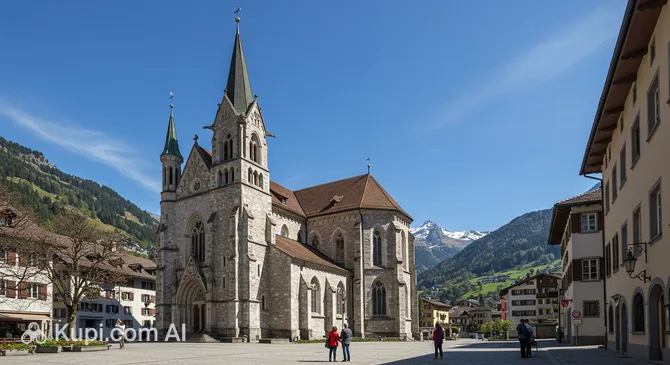
Another significant architectural landmark is the Cathedral of St. Florin. Built in the 19th century in Neo-Gothic style, it is striking in its elegance and blends harmoniously into the mountain landscape. The cathedral is dedicated to the patron saint of the local valleys and serves as the spiritual center of the principality.
St. Florin Cathedral. Illustration.
Source: Kupi.com AI
Traveller photos:
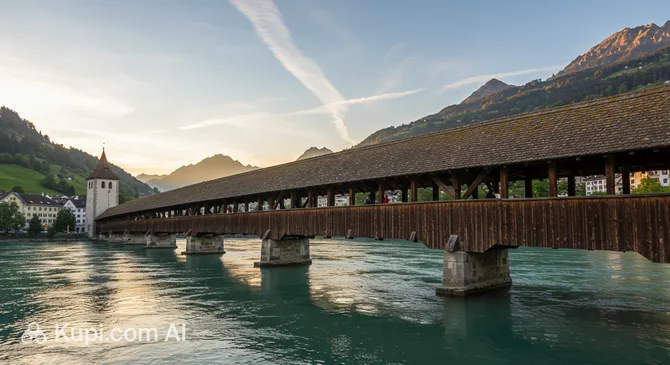
For those who want to cross the border in an unusual way, the Old Rhine Bridge is open to visitors. It is the last surviving wooden bridge over the Rhine, connecting Vaduz with the Swiss municipality of Sevelen. A walk across it allows you to fully experience a connection with the region's nature.
Old Rhine Bridge. Illustration.
Source: Kupi.com AI
Traveller photos:
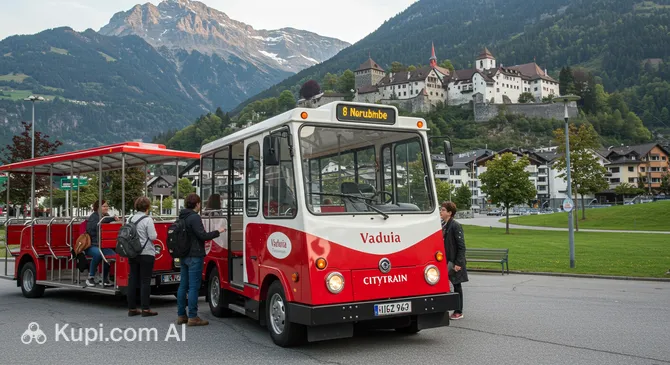
If you are traveling with family or simply want to see the center quickly, look out for the Vaduz City Train. This bright tourist train will take you through the most interesting streets, telling you about the city's history and its main attractions, including the famous Prince's vineyards.
Vaduz Citytrain. Illustration.
Source: Kupi.com AI
Traveller photos:
Local Cuisine
The local cuisine of Vaduz is an appetizing blend of Alpine traditions from Switzerland, Austria, and Southern Germany. The diet is based on hearty dishes made from potatoes, cheese, and meat. Be sure to try rösti (crispy grated potatoes) and classic cheese fondue, which is prepared here with great skill. Also popular are Käsknöpfle—small pasta dumplings generously topped with grated local cheese and fried onions.
The gastronomic pride of the region is its wine. Thanks to the mild climate of the Rhine Valley, excellent white and red wines are produced here. You have the unique opportunity to visit the Prince of Liechtenstein Winery to taste the wines served at the monarch's own table. Smoked sausages and artisanal cheeses from mountain villages are often offered to accompany the wine.
If you are looking for a fine dining spot, consider Park-Hotel Sonnenhof, whose restaurant is acclaimed for its superb combination of traditional products and modern presentation. For a more informal atmosphere and traditional desserts like apple strudel, Gasthof Masescha is perfect.
The dining culture in the city is oriented toward leisurely enjoyment. There are many cozy cafes with terraces in the center where it is pleasant to have a cup of coffee with a view of the mountains. In the evening, locals prefer to gather in traditional taverns where the atmosphere is filled with coziness and Alpine hospitality.
Travel Tips
Preparing for a trip to Vaduz won't take much time, but a few practical tips will help you feel at home here and avoid unnecessary expenses.
Clothing and Equipment: The weather in the Alps is changeable. Even in summer, bring a light windbreaker and comfortable shoes, as main excursions involve climbs to the castle or walks along the Rhine.
Transport: Use LIEmobil buses—it's the most efficient way to get around. If you plan to travel a lot, buy a 24-hour pass; it is significantly cheaper than single tickets.
Finances: The official currency is the Swiss Franc (CHF). Euros are accepted almost everywhere, but change is often given in francs at a less favorable rate. Cards are accepted everywhere, but a little cash for souvenirs won't hurt.
Connectivity: Wi-Fi is available in many cafes and the tourist information center. For mobile internet, it's better to use roaming packages from your home country or buy a local SIM card if you stay for a while.
Safety: Liechtenstein is one of the safest countries in the world. You can walk around safely at any time of day, following only basic precautions.
Local Etiquette: Greet people with a polite "Grüezi". Residents of Vaduz value peace and privacy, so try not to make noise in residential areas.
What to Avoid: Do not try to enter the grounds of Vaduz Castle—it is a private residence. Respect the boundaries of the Princely Family and only take photos from the outside.
Bonus Tip: Visit the tourist office in the center—you can get a souvenir Liechtenstein stamp in your passport for a small fee.
Vaduz will charm you with its order and beauty. Enjoy every moment in this miniature state!
Entertainment & Nightlife
Entertainment in Vaduz is characterized by a calm and measured pace, matching the general rhythm of life in the principality. There are no noisy 24-hour discos here, but there are plenty of cozy spots for social conversation. The center of evening activity is the Städtle pedestrian zone, where the main bars and restaurants are concentrated.
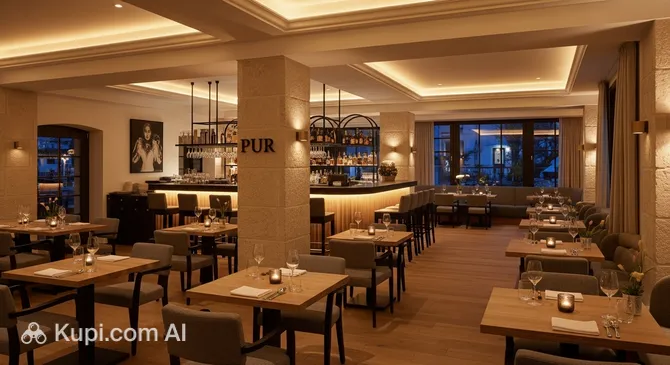
One of the most popular venues for evening relaxation is PUR Restaurant and Bar. This stylish spot attracts both locals and tourists with its elegant atmosphere, excellent wine list, and quality live music on weekends. Here, you can enjoy signature cocktails and watch the evening life of the capital unfold.
PUR Restaurant & Bar. Illustration.
Source: Kupi.com AI
Traveller photos:
The cultural program often includes classical music concerts held in the cathedral or at open-air venues during summer festivals, such as Sommerliche Musiktage. During the day, tastings in the Prince's Wine Cellars or active recreation are popular; Vaduz offers excellent conditions for cycling along the Rhine and hiking on mountain trails with panoramic views.
Parks & Museums
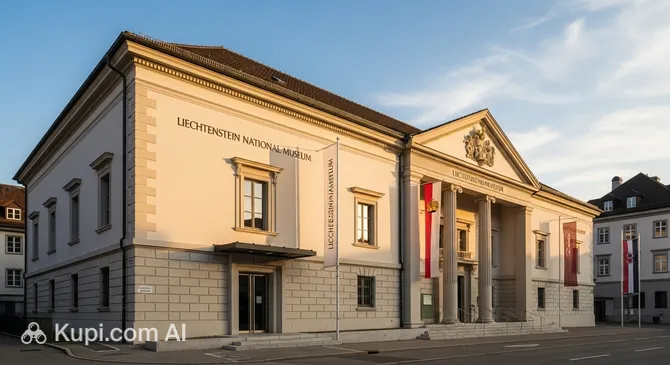
The capital's cultural life is centered around its unique museums, which boast world-class collections. Be sure to visit the Liechtenstein National Museum. Its exhibitions cover everything from archaeological finds of the Roman era to luxury items from the princely collection, allowing you to learn the entire history of this small state in just a couple of hours.
Liechtenstein National Museum. Illustration.
Source: Kupi.com AI
Traveller photos:
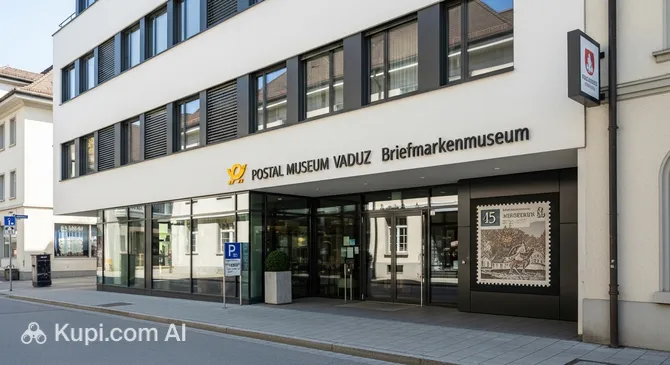
For lovers of rare items, the Vaduz Postal Museum is open. Liechtenstein stamps are considered some of the most beautiful and valuable in the world, and the museum presents their full history. Even if you are not a philatelist, you will be impressed by the design and craftsmanship of these miniature works of art.
Postal Museum Vaduz. Illustration.
Source: Kupi.com AI
Traveller photos:
In addition to museums, Vaduz offers wonderful opportunities for outdoor strolls. Green zones stretch along the banks of the Rhine, with ideal paths for pedestrians and cyclists. In the very center of the city, it is worth looking into the cozy gardens near the cathedral, and for a larger-scale immersion in nature, you can head to the nearby archaeological park with Roman ruins, where history is harmoniously intertwined with the Alpine landscape.
Getting Around
The public transport system in Vaduz and throughout Liechtenstein is represented exclusively by the LIEmobil bus network. These bright yellow buses are known for their perfect punctuality and connect the capital with all other municipalities in the principality, as well as with the nearest railway stations in Switzerland (Buchs, Sargans) and Austria (Feldkirch). Services run every 15–30 minutes, making travel very convenient.
For tourists, the most advantageous solution is to purchase a Day Pass, which entitles you to unlimited travel throughout the country. Tickets can be bought directly from the driver with cash or a card, as well as through a mobile app. It is important to remember that tickets must be validated if you buy them in advance from a machine.
Since Vaduz is very compact, there are no subways or trams—they are simply not necessary. The best way to explore the city center is on foot. Alternatively, renting bicycles and e-bikes is popular, with dedicated paths laid out throughout the valley. Taxis are available in the city but are considered a fairly expensive mode of transport and are most often called by phone or through an app.
Accommodation
Despite its status as a capital, the choice of accommodation in Vaduz is quite limited due to the city's compact size. High-end hotels and cozy boutique inns predominate, catering to those seeking a quiet and high-quality stay. Those looking for luxury should consider the Residence Hotel, located in the heart of the pedestrian zone.
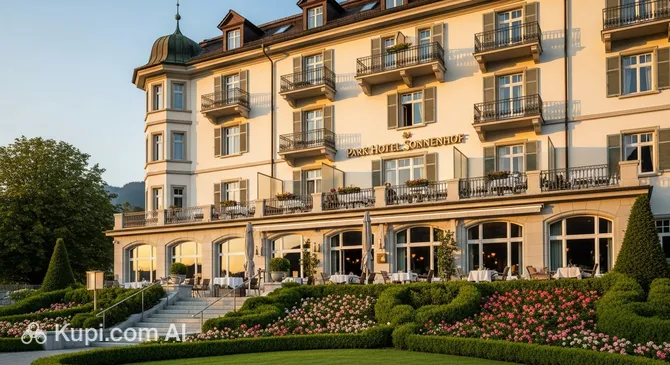
Special mention goes to Park-Hotel Sonnenhof. This establishment is famous for its impeccable service, panoramic terrace overlooking the Alps, and exquisite restaurant. The hotel is ideal for a romantic weekend or for those who appreciate seclusion surrounded by nature.
Park Hotel Sonnenhof. Illustration.
Source: Kupi.com AI
Traveller photos:
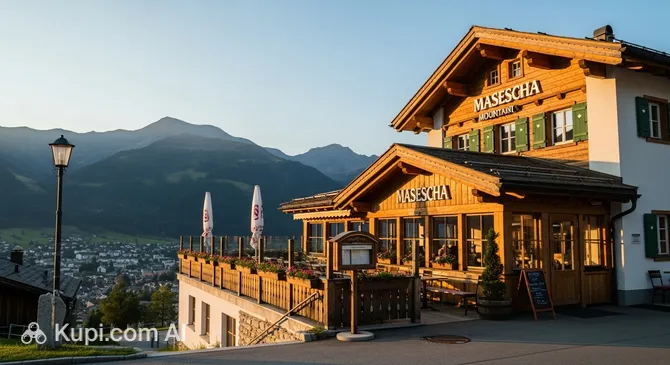
For more budget-friendly accommodation, travelers often choose apartments or small family guest houses, such as the Gasthof Masescha, located just above the city and offering stunning views of the Rhine Valley. During the peak tourist season, especially in summer and during the winter holidays, it is recommended to book accommodation in advance as available rooms in local hotels fill up quickly.
Masescha Mountain Inn. Illustration.
Source: Kupi.com AI
Traveller photos:
Nearby Cities
Thanks to its location in the heart of the Rhine Valley, Vaduz serves as an ideal starting point for exploring the tiny but incredibly beautiful principality and its neighbors. Most interesting places are within a 15–20 minute drive, making it easy to plan day trips.
Just a few kilometers away is Schaan—the country's largest town by population, known for its cultural centers and shops. If you are drawn higher into the mountains, it's worth visiting Triesenberg. This picturesque village is famous for its unique Alemannic heritage and breathtaking panoramas. Also of interest are the neighboring communities of Triesen and the tiny forest village of Planken.
Beyond Liechtenstein, the Swiss town of Buchs, located just across the river, is worth a visit. It offers excellent opportunities for shopping and walks. We also recommend heading to the Austrian town of Feldkirch (about 20 km away) to enjoy its perfectly preserved medieval center and visit Schattenburg Castle.
Shopping & Souvenirs
Shopping in Vaduz is primarily a hunt for unique souvenirs and luxury goods. The city's main shopping artery is the pedestrian street Städtle. Here you will find elegant boutiques offering famous Swiss watches, jewelry, and high-quality leather goods. Despite its small size, the city can surprise you with its range of well-known international brands.
The main souvenir from Liechtenstein is traditionally postage stamps. In the city center, you can find specialized shops and kiosks selling both modern issues and rare collectible items. Another essential part of the program is buying wine from the Prince of Liechtenstein Winery. This is an excellent gift that carries a piece of the local terroir.
Gourmet shoppers should visit Coop supermarkets or small local craft shops to purchase Alpine cheese, chocolate, and traditional herbal liqueurs. Shops in Vaduz generally operate from 9:00 AM to 6:30 PM on weekdays and close earlier on Saturdays; Sunday is the traditional day off. Both Swiss Francs and Euros are accepted for payment, and international bank cards work everywhere.