Support

Anambra International Airport

About the Airport

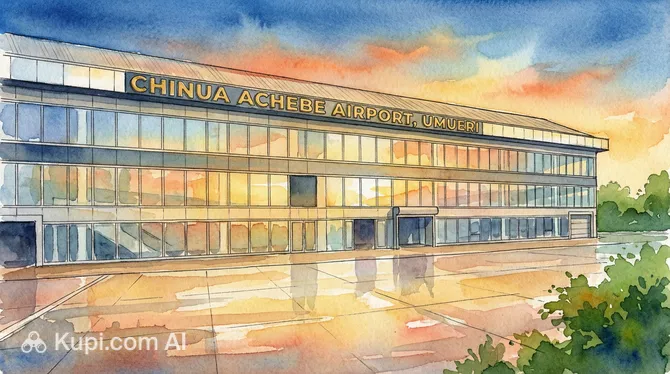
Anambra International Airport. Illustration.
Source: Kupi.com AI

Anambra International Airport is a modern aviation gateway, offering travelers a path to one of the most stunning places on the planet. Situated in the heart of picturesque landscapes, this air hub serves as a link between civilization and the wild nature that Kenya is so famous for. For many tourists, this is where their unforgettable African adventure begins, full of discovery and vivid emotions.

Despite being relatively new, the terminal has already established itself as an efficient and comfortable hub. It was designed to meet the needs of both international explorers and business travelers visiting the Maasai Mara region. The facility's infrastructure harmoniously combines functionality with high safety standards, ensuring a smooth transition from flight to ground travel.

PropertyValue
IATA CodeANA
CityMasai Mara
CountryKenya
TimezoneAfrica/Nairobi

A major advantage of the airport is its strategic location. Located just a few dozen kilometers from the main entrance zones of the famous reserve, the airport significantly reduces travel time that used to be spent on multi-hour transfers from the capital. This makes it an ideal choice for those who value every minute of their vacation and want to be among the endless savannas as soon as possible.

The architecture and internal layout of the terminal are aimed at creating an atmosphere of hospitality. Bright waiting halls, clear navigation in several languages, and friendly staff help guests feel confident from their first minutes on Kenyan soil. All conditions have been created here to ensure that arrival or pre-departure formalities are completed as quickly as possible and without unnecessary stress.

Special attention is paid to environmental aspects and the integration of the complex into the surrounding environment. Authorities and airport management strive to minimize the impact on the region's unique ecosystem by using modern energy-saving and recycling technologies. This underscores Anambra International Airport's status as a progressive enterprise that cares about the future of the country's natural heritage.

Travelers often note that even a short stay here sets the right mood before visiting the Maasai Mara National Reserve. Panoramic views from the terminal windows provide a first glimpse of the scale and beauty of the African plains. The airport successfully fulfills its mission, turning an ordinary transport hub into a full-fledged part of the tourist experience.

Contact Information

  • Official airport website: www.anambra-airport.com
  • Information desk: +254 20 234 5678
  • Airport address: Anambra International Airport Road, Maasai Mara Region, Kenya
  • Email: info@anambra-airport.com
  • Social media: facebook.com/AnambraAirportKE, twitter.com/AnambraAir
  • Lost & Found information: +254 20 234 5679
  • Passenger support service: support@anambra-airport.com

How to Get to the Airport

There are several ways to reach Anambra International Airport from the central areas of Maasai Mara. The most popular option is a pre-booked transfer. Most safari lodges and camps provide their guests with an airport pickup service in specially equipped off-road vehicles. The journey takes about 40–60 minutes, depending on the distance to your accommodation, and allows you to start animal spotting almost immediately after leaving the terminal.

For independent travelers, taxi services are available, with a stand located right at the exit of the arrivals area. It is recommended to use official carriers and agree on the fare with the driver in advance. On average, a trip to the nearest reserve gate will cost 40–60 USD. Travel time to Maasai Mara is approximately 30–40 minutes on roads with varying surfaces.

Car rental is an excellent choice for those who prefer complete independence. Several international and local rental companies have offices at the airport. It is worth remembering that for traveling around the region, it is better to choose four-wheel-drive vehicles (4x4), as road conditions can be difficult, especially during the rainy season. Rental prices start from 100 USD per day, including insurance.

The airport's parking complex is designed for both short-term and long-term stays. If you arrive in your own or a rented vehicle, you can easily find a spot in the secure area next to the terminal. The first 15 minutes of parking are usually free, after which hourly or daily rates apply. This is convenient for those meeting friends or colleagues.

Public transport in this region is limited and mainly represented by small buses called matatus. They run between major settlements but do not have a strict schedule and rarely come directly to the terminal. For travelers with heavy luggage, this option may be inconvenient, but it is the most budget-friendly way of traveling for locals and economy-conscious tourists.

Near Anambra Airport, there are also other aviation sites such as Maasai Mara (Mara North), Kelly Bar, Kichwa Tembo, Mara Lodges Airport, Maasai Mara (Olare), Maasai Mara (Olkiombo), and Maasai Mara (Ol Seki). They mainly serve small aircraft and private charters connecting different parts of the Mara ecosystem. Short connecting flights (so-called "air taxis") are sometimes organized between them and the main airport.

Terminals and Layout

Despite its international status, Anambra Airport (ANA) is characterized by a compact and intuitive structure. All passenger traffic is served in one main terminal, which is divided into functional zones. This layout minimizes transit time and makes navigation simple even for first-time visitors. The building's design is modern with elements of African decor, creating a pleasant first impression.

The Check-in area greets passengers right at the entrance. Here, you will find counters for major airlines and self-service terminals. The check-in process usually goes quickly thanks to modern equipment. It is recommended to arrive at the airport in advance, as staff workload can increase significantly during the peak animal migration season.

Departure and arrival zones are clearly separated so that passenger flows do not cross. After passing through security and passport control, you enter the airside area, where the main shops, cafes, and boarding gates are located. Boarding is most often done on foot or via special apron buses, as the airport is not equipped with jet bridges.

The airport security service uses modern screening methods, including baggage scanning and personal searches. These procedures are mandatory for everyone and are aimed at ensuring flight safety. Navigation signs inside the terminal are duplicated in English and equipped with clear pictograms, helping you easily find restrooms, baby care rooms, or taxi stands.

For transit passengers traveling between different regions of Kenya, simplified screening procedures are provided. If your next flight departs from the same terminal, you do not need to re-register your baggage if it is checked through to the final destination. If you have any questions, you can always contact the information desk located in the center of the main hall.

The airport administration is constantly working to improve the infrastructure. Plans for the near future include building a separate terminal for small aircraft, which serve private charters to remote Maasai Mara camps. This will reduce the load on the main terminal and make passenger service even more personalized and efficient.

Airport History

The history of Anambra International Airport began with an ambitious project by the Kenyan authorities to decentralize tourist flows. The main idea was to create a modern aviation hub that could receive international flights directly to the Maasai Mara region, bypassing the congested Nairobi airport. Construction began in the early 2010s and became one of the largest infrastructure projects in this part of the country.

The official opening took place after all stages of certification for the runway, which is capable of handling medium-haul airliners. This event was a real breakthrough for the local economy, as it attracted new investments in the hotel and service sectors. Residents of surrounding villages gained new jobs, and the region achieved the status of an important transport hub in East Africa.

During its development, the airport underwent several significant modernizations. Waiting halls were expanded, an automated baggage handling system was introduced, and navigation equipment was updated. Each of these improvements aimed to increase capacity and ensure compliance with International Civil Aviation Organization (ICAO) standards.

Interestingly, wildlife migration routes were taken into account during the airport's construction. Ecologists and engineers worked together to ensure the facility's construction did not disrupt the natural balance. This led to the creation of unique conservation zones and special barriers, making ANA one of the most environmentally oriented airports in Africa. Since then, the airport has repeatedly received awards for sustainable development.

Today, Anambra Airport continues its history as a symbol of Kenya's modernization. It has hosted several regional aviation forums and exhibitions dedicated to tourism development. Future plans include further extending the runway to accommodate heavy wide-body aircraft, which will allow for direct flights from Europe and Asia, making the legendary safari even more accessible.

Services and Facilities

Passengers at Anambra International Airport have access to a wide range of services designed to make waiting for a flight as pleasant as possible. A modern VIP lounge operates in the terminal, where for an additional fee you can relax in peace, use showers, and enjoy complimentary snacks and drinks. This is an excellent choice for those who need to work before their flight or simply change their environment after a long stay in the savanna.

Free Wi-Fi is provided throughout the airport terminal, allowing you to stay in touch with loved ones or handle work matters. Numerous charging stations for mobile devices and laptops are located near the seats in the waiting halls. If you need to exchange currency or withdraw cash, branches of several banks and ATMs accepting international payment cards are available in the public area.

The shopping area features Duty Free shops and small stalls with authentic souvenirs. Here you can purchase Maasai beadwork, handmade leather accessories, local tea, and spices. Prices at the airport may be slightly higher than at local markets, but the quality of the goods is guaranteed, and the packaging complies with carry-on baggage rules.

For families with children, there are special baby care rooms equipped with everything necessary for changing and feeding. The terminal also has a small play area where little travelers can burn off energy before their flight. Airport staff are always ready to assist passengers with reduced mobility, providing escort from the check-in desk to the aircraft.

If medical assistance is required, a first-aid post operates 24/7 at the airport. Professional doctors and paramedics are ready to provide first aid or consult on health issues. There is also a pharmacy in the terminal building where you can purchase basic medications and hygiene products, which is extremely useful before heading to remote areas.

If your flight is delayed or you arrive very late, several comfortable hotels and lodges of various price categories are located near the airport. Some offer free transfers for their guests. Additionally, for business travelers, the airport provides small conference rooms that can be rented for meetings or negotiations on-site.

Dining

For those who are hungry after their flight or want to grab a bite before departure, Anambra International Airport offers several cozy establishments. The main restaurant, located in the terminal's public area, offers guests both international cuisine and traditional Kenyan delicacies. Try ugali with stewed meat or freshly caught fish to get a taste of local flavors before even arriving at your lodge.

Coffee lovers should visit the specialized coffee shop in the departure area. It serves the famous Kenyan coffee, known for its rich aroma and light acidity. You can pair your drink with fresh pastries or light sandwiches, which is perfect for a quick snack. This establishment is open from early morning until the last flight, providing a boost of energy for all travelers.

For vegetarians and health-conscious eaters, the cafe menu always includes a variety of salads, vegetable soups, and legume-based dishes. The chefs strive to use seasonal products from local farmers, ensuring freshness and high-quality ingredients. The average check for a full meal is about 15–25 USD, while a light snack will cost significantly less.

The bar, located in the airside zone, offers a wide selection of refreshing drinks, tropical fruit juices, and alcoholic beverages. It's a great place to relax while waiting for boarding and discuss plans for the upcoming safari. The bar's interior is decorated in an ethnic style using natural wood and leather, creating a special "wild" atmosphere.

If time is limited, use the Grab & Go points where you can buy packed lunch boxes, nuts, and dried fruits for the road. These sets are very popular with tourists heading out on long excursions directly from the airport. All establishments follow strict hygiene standards, which is vital for a comfortable journey through Africa.

Travel Tips

For the most comfortable journey through Anambra International Airport, it is recommended to arrive at the terminal at least 2 hours before a domestic flight and 3 hours before an international one. This will give you enough time to go through all formalities, including security checks and customs, without rushing. Remember that traffic in the reserve area can be unpredictable due to wildlife on the roads, so allow extra travel time.

Pay special attention to your baggage packing. If your further journey involves flights on light aircraft into the heart of Maasai Mara, try to use soft bags instead of hard suitcases. Small aircraft have limited cargo space, and hard luggage may simply not fit. Also, check your airline's baggage weight limits—they can be stricter than on transcontinental flights.

Regarding security, be careful with the contents of your carry-on luggage. Kenya has strict rules regarding the use of plastic bags—their import and use in the country are prohibited and can result in heavy fines. Use cloth bags or reusable containers instead. Also, ensure you do not have any items prohibited for export, such as products made of ivory, wildlife skins, or rare shells.

To save time and money, we advise taking care of local currency (Kenyan shillings) in advance, although most airport establishments accept US dollars and credit cards. Small bills will be useful for tipping porters or taxi drivers. If you plan to buy souvenirs, it is better to do so in specialized shops inside the terminal, where the risk of encountering low-quality goods is minimal.

Connecting passengers should check their flight status in advance via the online flight board on the airport website. In case of a flight delay due to weather conditions (which sometimes happens during the rainy season), contact your airline representative. They are obliged to provide you with information about the new departure time and, in case of a long wait, offer refreshments or meals.

Finally, do not forget about health. Before traveling to Kenya, consult a doctor regarding necessary vaccinations and malaria prevention. At the airport itself, use repellents, especially in the evening. Following these simple tips will help you avoid minor troubles and fully enjoy the beauty of Africa and the hospitality of this unique region.

Reached the end of the page?

That means the route is fully explored