Support

National Botanic Gardens

About

The National Botanic Gardens of Ireland is a true green oasis located in the Glasnevin district of Dublin. Locals and tourists often call it the "Green Heart of Dublin," which perfectly reflects its significance to the capital. This extensive garden and park complex is not just a place for walking, but also an important scientific institution where flora from all over the world is preserved and studied.
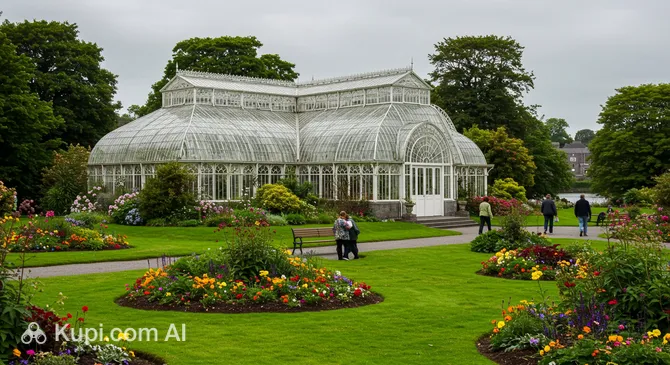
National Botanic Gardens. Illustration.
Source: Kupi.com AI

Traveller photos:

The garden's collection is striking in its diversity: about 20,000 species and cultivars from across the planet grow on its grounds. For the convenience of visitors and for scientific purposes, all plants are grouped by families and genera, turning a walk through the garden into a fascinating botanical journey. Here you can see plants familiar to Ireland as well as exotic specimens, including over 300 endangered species.

The garden grounds stretch picturesquely south of the banks of the River Tolka, and part of the collection is even located on a small island. Visitors can expect numerous grassy paths bordered by trees, which are perfect for leisurely strolls and enjoying nature. It is a wonderful place to take a break from the city bustle and immerse yourself in a world of harmony and tranquility.

Contacts

To plan your visit, check current opening hours, or ask about accessibility, it is recommended to contact the National Botanic Gardens administration directly. All the necessary information is available on the official website, or you can call the visitor center.

How to contactContact
AddressGlasnevin, Dublin 9, D09 VY63, Ireland
Phone+353 1 804 0300
Websitewww.botanicgardens.ie

What to Do

A visit to the National Botanic Gardens is an opportunity to fully immerse yourself in the world of flora. Walking along its paths, you can admire outstanding tree collections. The groves of alder, birch, beech, oak, and hornbeam are particularly noteworthy. The garden is famous for its impressive variety of maple, rowan, and plane tree species. Additionally, there is a large collection of conifers, as well as grass plantings that are especially beautiful in September during flowering, such as the Chinese silver grass (miscanthus).

The garden features several themed areas, each unique. Be sure to stop by the Rock Garden, where elegant Japanese maples create an atmosphere reminiscent of a Japanese garden. The massive plantings of Bergenia are also quite striking. Beyond the outdoor displays, the garden's pride is its historic glasshouses. These elegant structures of metal and glass, with high vaults and flowing lines, were created with the participation of Richard Turner in the mid-19th century and today serve as home to warmth-loving and exotic plants.

In addition to admiring the plants, there are other interesting spots to visit. For example, the Palm House and other glasshouses house plants from all over the world, from cacti to tropical orchids. The garden also features a Rose Garden, alpine yards, and picturesque ponds. For those who want to dive deeper into history and botany, guided tours are available. And after a long walk, you can relax in the local cafe with a view of the green expanses.

Getting There

The National Botanic Gardens is located in the Glasnevin district, just 3 km north of Dublin city center, making it easily accessible for visitors. The most convenient and popular way to reach the gardens by public transport is by bus. Several Dublin Bus routes, including Nos. 4, 9, 83, and 155, stop right near the main entrance. A trip from the city center, for example, from O'Connell Street, usually takes about 20–30 minutes, depending on traffic.

For those who prefer comfort or are traveling in a small group, a taxi or ride-sharing service is an excellent option. A car ride from central Dublin takes approximately 10–15 minutes. If you plan to arrive by private or rental car, keep in mind that the gardens have paid parking, but spaces can be limited during peak hours and on weekends. Therefore, it is recommended to arrive early or consider alternative ways to get around.

Since there are no Luas (tram) or DART (commuter train) stations near the botanic gardens, the bus remains the most practical public transport choice. Before your trip, we recommend checking the current schedules and routes on the official Dublin Bus website to plan your visit effectively. Outdoor enthusiasts can also reach the gardens on foot or by bicycle — there is bike parking available at the entrance.

Nearest city: Dublin

History & Facts

The history of the National Botanic Gardens dates back to the late 18th century. It was founded in 1795 by the Dublin Society at the initiative of Walter Wade, who chose the lands in the Glasnevin area. Remarkably, the earliest map of the garden, dated 1800, shows a layout that has largely been preserved to this day. The main paths and even the perimeter walk remain almost unchanged, allowing visitors to literally walk through the pages of Dublin's history.

The garden's true heyday and international fame began in 1838 when Dr. David Moore was appointed as its curator. Thanks to his efforts, the garden's reputation spread far beyond Ireland. His son, Sir Frederick Moore, took over the baton in 1879 and also made an enormous contribution to the development of horticulture in the country. Their combined work transformed this site into one of the most significant botanic gardens in Europe.

The garden's success is the result not only of the Herculean efforts of its directors but also of unique natural conditions. Ireland's mild and damp climate proved ideal for growing many plant species from around the world that are difficult to find in other European gardens. This combination of scientific thought, dedication, and favorable nature has made the National Botanic Gardens a true gem, preserving a green heritage for future generations.

Time Needed

When planning a visit to the National Botanic Gardens, it's worth setting aside at least 2-3 hours. This will be enough for a leisurely walk along the main paths, a quick look at the famous glasshouses, and getting to know the garden's most picturesque corners. In a couple of hours, you'll have time to enjoy the atmosphere of this green oasis and take some beautiful photos.

If you want to dive deeper into the world of botany, explore themed areas like the Rock Garden or the Rose Garden, and study the collections of exotic plants in the historic glasshouses in detail, it's better to plan for half a day or even more. Time will fly by, especially if you decide to take one of the guided tours or relax in the local cafe overlooking the scenic landscapes. Given that the garden covers nearly 20 hectares, long-walk enthusiasts and plant lovers can easily spend several hours here, discovering something new on every path.

Working Hours

The National Botanic Gardens in Dublin welcomes visitors year-round, opening daily except for one day — Christmas Day (December 25). Opening hours vary by season. During the summer period, the gardens are open from 9:00 AM to 5:00 PM on weekdays and from 10:00 AM to 6:00 PM on weekends and public holidays. The winter schedule, which takes effect in early November, is slightly shorter: from 9:00 AM to 4:30 PM on weekdays and from 10:00 AM to 4:30 PM on weekends and holidays.

A major plus is that admission to the garden is completely free for everyone, so no advance booking is required for individual visits. However, if you plan to visit in a group of more than ten people or are organizing a school trip, you must contact the administration in advance to make a reservation. Paid guided tours are also available at the garden, and it is recommended to book these in advance to guarantee a spot.

DayOpening hours
Monday9:00 – 17:00
Tuesday9:00 – 17:00
Wednesday9:00 – 17:00
Thursday9:00 – 17:00
Friday9:00 – 17:00
Saturday10:00 – 18:00
Sunday10:00 – 18:00

Nearby

A visit to the National Botanic Gardens is a wonderful opportunity to enjoy nature, but don't stop there. Exploring the surrounding area will enrich your experience of Dublin and allow you to discover other iconic landmarks nearby. A stroll through the adjacent neighborhoods will give you a more complete picture of the life and culture of the Irish capital.

Just a few kilometers from the garden's quiet alleys, you'll find sports arenas, historic buildings, and authentic pubs, each telling its own unique story. This variety allows you to easily combine a contemplative break in nature with an immersion into the dynamic urban environment, making your day even more fulfilling and interesting.

NameDistance
14 Henrietta Street2.2 km
Murray’s Bar2.3 km
The Cobblestone2.6 km
Bow St. Distillery2.7 km
Light House Cinema2.7 km
Dublin Zoo2.9 km
The Temple Bar Pub3 km

Reached the bottom of the page?

Looks like you know this route inside out