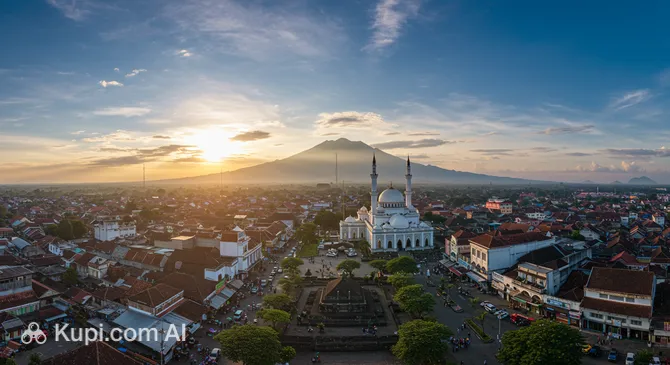
Serang is the dynamic administrative center of Banten Province, located at the western tip of Java island in Indonesia. The city is situated just 90 km from Jakarta and serves as an important link between the capital and the island of Sumatra. With a population of about 1.6 million people, Serang harmoniously combines the energy of a developing regional hub with the cozy feel of a traditional Javanese lifestyle, where endless rice fields neighbor bustling eastern bazaars.
Serang. Illustration.
Source: Kupi.com AI
The city is steeped in a spirit of piety and deep respect for tradition, which is why it is often called "kota santri" — a center for Islamic education. The rich historical heritage of Serang is inextricably linked to the powerful Banten Sultanate, which was once one of the wealthiest trading hubs in the region. Today, visitors can touch this history by visiting majestic mosques and exploring archaeological sites.
Visiting Serang is an opportunity to see the real Indonesia, hidden from the mass tourist flow. Here you will be greeted by hospitable locals, the scents of spices at the markets, and the calm atmosphere of an agricultural region. We invite you to discover this amazing corner of Java, where everyone will find something for themselves: from ancient ruins to modern shopping malls.
Weather Overview
The climate in Serang is typical for the tropics of West Java: an everlasting summer with high humidity reigns here. Throughout the year, the air temperature remains steadily warm, ranging from +24°C to +31°C. The hottest months are September and October, when the thermometer can rise slightly above average values.
The region is characterized by a clear division into dry and wet seasons. The period from December to March is considered the peak of the monsoon season, when heavy rainfall occurs and the sky is often overcast. The driest and most favorable time for walking around the city and exploring the ruins of Old Banten is July and August, when the number of rainy days is minimal.
Before setting off, we recommend checking the current weather in the city to prepare for possible tropical downpours. Despite the rain, Serang always remains green and blooming, and a light sea breeze from the Java Sea helps to tolerate the daytime heat more easily.
Average monthly temperature
Average monthly precipitation
Interesting Facts
Serang holds the honorable status of "kota santri", which means "city of pious people," and is a vital center for Islamic education throughout West Java.
Just a few kilometers from the modern center lie the ruins of Old Banten — once a great port that in the 16th and 17th centuries competed as an equal with the largest trading centers of Europe and Asia.
Despite the ancient history of settlement in these lands, Serang only officially received its municipality status relatively recently — on October 2, 2007.
The city is a strategic gateway between islands: the nearby seaport of Merak ensures a continuous connection between Java and Sumatra.
The unique traditions of the martial art Debus are preserved in the vicinity of Serang, where practitioners demonstrate invulnerability to sharp weapons and fire.
How to Get There
Serang has excellent transport accessibility, especially for those starting their journey from Indonesia's capital. The city is located about 90 km west of Jakarta, and this distance is easily covered via a modern toll road. Traveling by car or scheduled bus usually takes from 2 to 3 hours, depending on traffic. You can find detailed route information on the how to get to Serang page.
For international travelers, the main arrival hub is Soekarno-Hatta International Airport (CGK) in Jakarta. From there, you can reach Serang by official taxi or by booking a private transfer. Intercity buses are also widely used, departing regularly from the capital's major terminals directly to Serang's center.
Although rail connections in this region are not as extensive as in Central Java, local trains pass through the city. Nonetheless, buses and shuttle taxis remain the most reliable and inexpensive way to get around. It is also worth considering the proximity of the port of Merak, located 11 km from the city, which serves ferries from the island of Sumatra, making Serang an important point for those traveling between islands.
Station
Passenger traffic
Distance
Parung Panjang railway station
6
52 km
SHIA railway station
7
55 km
Lebak Bulus Bank Syariah Indonesia MRT station
6
71 km
Blok M BCA MRT station
6
73 km
Tanah Abang railway station
9
73 km
Main Attractions
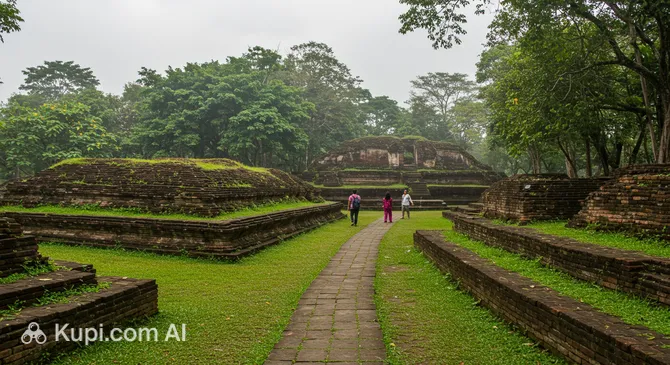
Serang and its surroundings offer travelers a unique immersion into the region's history. One of the key points of interest is the Banten Girang Archaeological Site, which preserves traces of the pre-Islamic period and the early stages of the sultanate. This place literally breathes antiquity, attracting researchers and cultural tourism enthusiasts.
Banten Girang Archaeological Site. Illustration.
Source: Kupi.com AI
Traveller photos:
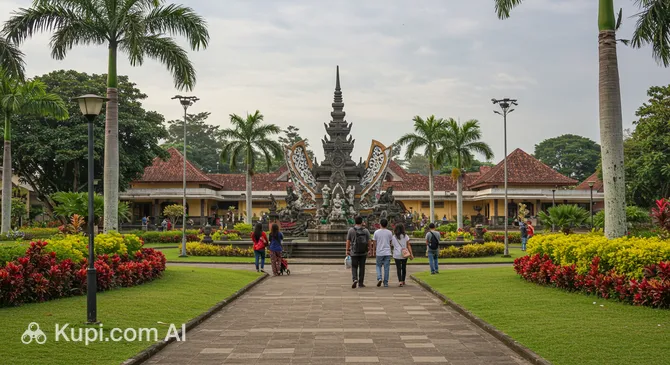
For those who prefer outdoor walks within the city, Tugu Debus Park is an excellent choice. This park is an important symbol of local courage and the traditional martial art "debus," which is characteristic of Banten Province. Here you can relax in the shade of the trees and watch the slow-paced life of the city's residents.
Tugu Debus Park. Illustration.
Source: Kupi.com AI
Traveller photos:
Spiritual monuments are equally significant: just 5 km from the city center lie the ruins of Old Banten. One of Indonesia's oldest mosques is located here, with a unique architectural style that reflects a fusion of Javanese and Chinese traditions. Nature lovers should head to the coast to enjoy views of the Java Sea and the picturesque rice fields surrounding the city.
Local Cuisine
Serang's culinary traditions are a vibrant kaleidoscope of Javanese flavors, where fresh seafood, aromatic spices, and rice play the leading roles. You should definitely try Indonesian classics: nasi goreng (fried rice) and tender satay skewers, which are often served here with a thick peanut sauce. Due to its proximity to the coast, local markets are always abundant with fresh catches that are grilled with traditional marinades.
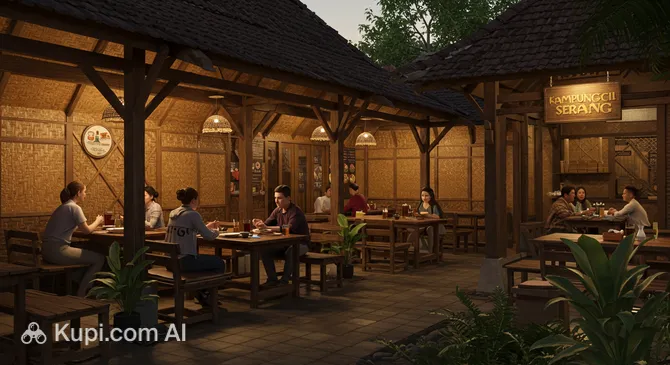
If you are looking for a cozy place with national flavor, stop by the Kampung Kecil Serang restaurant. Here you can taste authentic dishes in a traditional setting reminiscent of a Javanese village. For fans of spicy sensations and famous Indonesian sauces, Sambal Bakar Indonesia is an excellent choice, focusing on the fiery flavors of sambal.
Kampung Kecil Serang. Illustration.
Source: Kupi.com AI
Traveller photos:
The food culture in Serang is inextricably linked to street food. In the evening, the city streets are filled with "kaki-lima" carts offering hot soups and snacks. A hearty lunch is best washed down with fresh tropical fruit juice or a cup of strong Javanese coffee, which is an integral part of local life. The city's gastronomic scene is simple yet incredibly soulful and full of authentic Asian aromas.
Travel Tips
Preparing for your trip to Serang will help you make your journey as comfortable and pleasant as possible. Here are some proven tips from experienced travelers:
Clothing and Dress Code: Choose clothes made of light natural fabrics, as humidity is high in the region. Since Serang is a conservative city, be sure to wear modest clothing that covers your shoulders and knees when visiting mosques and government buildings.
Transport: The most convenient way to move around is using the Gojek or Grab apps. It's safe, the price is fixed, and you don't need to explain directions in the local language.
Finance: The official currency is the Indonesian Rupiah (IDR). Large stores accept cards, but always keep small cash with you for markets and angkots. ATMs are easy to find in the city center.
Health: Drink only bottled water and use insect repellent. Pharmacies (Apotek) are common in the city and well-stocked.
Communication: The primary language is Indonesian. English is understood in hotels and large shopping malls, but knowing a couple of phrases like "Terima kasih" (thank you) will elicit a sincere smile from locals.
Local Etiquette: Greet people with a slight nod and use only your right hand for handing over money or food, as the left is considered unclean.
What to Avoid: Do not point at people or objects with your index finger (it's better to use your thumb) and try not to show strong emotions in public.
Regional Specifics: Try to plan sightseeing for early morning to avoid peak heat and high humidity.
May your introduction to this hospitable city be filled with only positive discoveries and bright moments!
Entertainment & Nightlife
Entertainment in Serang is primarily calm and cultural in nature. The city's nightlife is not characterized by an abundance of noisy clubs, as traditional ways are respected here. Main evening activities are concentrated around cozy cafes and night markets where locals gather to socialize and sample street food. One of the popular spots for an evening break is Salawasna Coffee, where you can enjoy high-quality Indonesian coffee in a pleasant atmosphere.
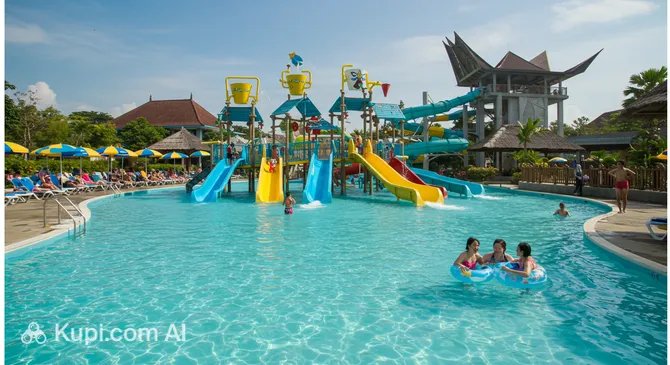
For family vacations and active daytime pastimes, Aqualand Serang is a great fit. This water park offers a variety of slides and pools that provide a true rescue on a hot tropical day. It is one of the most visited recreation spots for both tourists and city dwellers.
Aqualand Serang. Illustration.
Source: Kupi.com AI
Traveller photos:
If you are looking for cultural experiences, we recommend paying attention to local festivals. Serang often hosts performances by debus masters — a unique art demonstrating incredible physical endurance and strength of spirit. Such performances usually take place during holidays and leave an unforgettable impression on foreign guests.
Parks & Museums
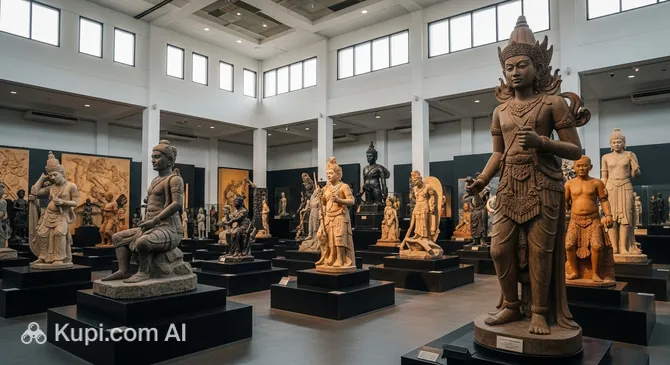
Despite the lack of huge museum complexes, Serang offers interesting cultural sites. A significant location is the KSB Statue Museum, where visitors can learn about local artistic traditions and regional symbolism. This small but atmospheric space allows for a deeper understanding of the aesthetics of Banten's residents.
KSB Statue Museum. Illustration.
Source: Kupi.com AI
Traveller photos:
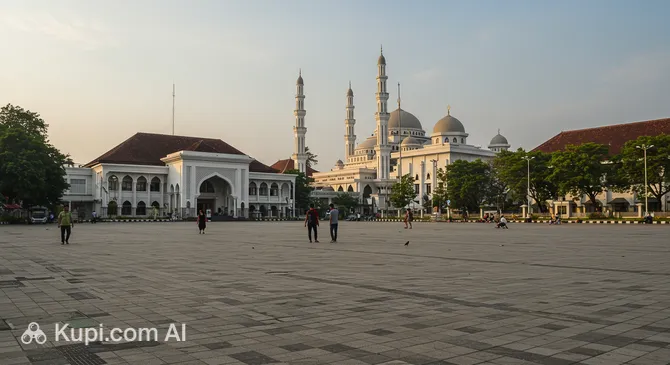
The central place for walks and public events is the Serang West City Square. This open space frequently hosts city holidays, fairs, and sports competitions. The square is the heart of urban life and a great place to observe the local population in a relaxed setting.
Alun-Alun Barat Serang. Illustration.
Source: Kupi.com AI
Traveller photos:
The role of natural parks in the vicinity of Serang is performed by picturesque rice terraces and the hills surrounding the city. These are natural recreational areas, ideal for picnics and photo sessions against a backdrop of tropical greenery. The city's main cultural focus remains on its historical ruins and ancient mosques, which are open-air museums in their own right.
Getting Around
The public transport system in Serang is primarily represented by traditional Indonesian modes of travel. The backbone of the city's fleet consists of angkots — brightly colored minibuses that run along fixed routes. This is the cheapest way to get from one point of the city to another; however, you should clarify the direction with the driver beforehand, as there are usually no route maps at the stops.
For traveling longer distances, for example, to the port of Merak or neighboring cities, intercity buses are ideal. The city's main terminal is an important transport hub where you can buy tickets for various classes of comfort. Payment in buses and angkots is made in cash directly to the driver or conductor.
Within the city, ojek (motorcycle taxis) and car taxis are extremely popular. The most convenient way to call them is through mobile apps such as Grab or Gojek, which allow you to see the fare in advance and not depend on bargaining skills. For complete freedom of movement around Serang's surroundings, many tourists choose to rent a scooter, which provides the opportunity to independently explore rice fields and remote temples.
Accommodation
The choice of accommodation in Serang is primarily focused on practicality and comfort. The bulk of the hotels are concentrated in the central district and near the main transport arteries leading to the port of Merak. Mid-range hotels and budget guesthouses predominate here, which are ideal for those planning to use the city as a base for exploring Banten Province.
Popular budget network options like RedDoorz offer clean and modern rooms at very attractive prices. For more demanding travelers, four-star hotels are available in the business part of the city and the Cipocok Jaya area. In such establishments, guests can expect additional amenities: swimming pools, restaurants, and conference halls.
When planning your trip, we recommend booking accommodation in advance, especially if your visit coincides with local holidays or weekends. Most bookings are made through popular international services, and payment at large hotels is possible with bank cards, although it is preferable to have cash rupiahs on hand at smaller guesthouses.
Nearby Cities
Serang is an ideal starting point for exploring the western part of Java island, offering travelers easy access to neighboring cities with their unique atmospheres. Just 15 km away is the industrial and port city of Cilegon, which will be of interest to those who want to see the region's industrial power and enjoy views of the sea strait.
For a more peaceful getaway, it's worth heading to Rangkasbitung, located 28 km to the south. This direction attracts with its green landscapes and the opportunity to get acquainted with the province's agricultural life. Also within an hour's drive are small settlements such as Kresek and Kronjo, where you can see traditional crafts and feel the slow pace of provincial life.
If you miss the noise of the metropolis, a trip to Jakarta takes no more than three hours. There, you'll find the country's best museums, giant shopping malls, and an endless variety of entertainment. The region around Serang is surprisingly multifaceted, and each destination will give you new perspectives on Indonesian culture and nature.
Shopping & Souvenirs
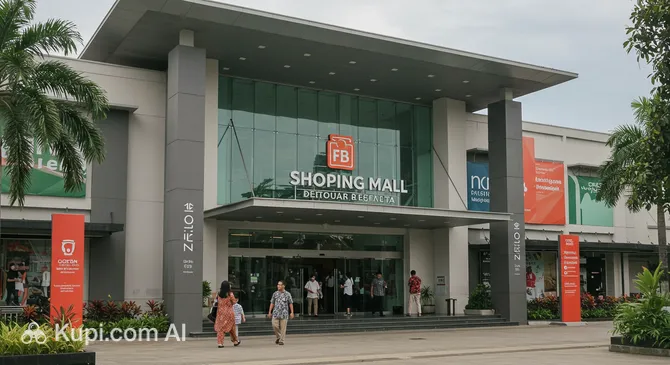
Shopping in Serang is an exciting blend of modern formats and colorful eastern traditions. If you prefer comfort and air-conditioned halls, head to Mall Serang. It features popular Indonesian and international brands, food courts, and entertainment zones, making it the main magnet for fans of civilized shopping.
Mall of Serang. Illustration.
Source: Kupi.com AI
Traveller photos:
However, for a real atmosphere, you should go to the city's central markets. Here, shopping turns into an adventure: among the rows of spices and bright fabrics, you can find unique products by local artisans. Serang is famous for its batik with special patterns from Banten Province, as well as bamboo and wood products. It is customary to politely bargain at the markets — it's not just a way to save money, but also an important element of the local communication culture.
Shops in the city usually operate from 9:00 or 10:00 to 21:00. Large shopping centers accept bank cards, but for trips to traditional bazaars, be sure to stock up on cash in the local currency. Don't forget to look into the spice shops: fresh pepper, cloves, and nutmeg will make an excellent and fragrant souvenir from this trip.