Cilacap is a dynamic port city stretching along the southern coast of the island of Java in Indonesia. As the administrative center of the regency of the same name, it serves as a vital maritime and industrial hub for the region. The city attracts travelers with its authentic atmosphere of a working coastal center, where industrial rhythms coexist with the traditional Javanese way of life.
Cilacap. Illustration.
Source: Kupi.com AI
Geographically, the city is located in the Central Java province, right on the shores of the Indian Ocean. The city's population is about 260,000, while the entire regency exceeds 2 million people. The rich history of Cilacap is closely linked to the development of maritime trade and its colonial past, which is reflected in the architecture of some old quarters and preserved fortifications.
For tourists, the city is primarily interesting as a starting point for unique natural and historical sites, such as Nusakambangan Island and an ancient Dutch fort. We invite you to discover this distinctive corner of Java, where you can feel the true spirit of seaside Indonesia, far from the crowds of foreign tourists.
Weather Overview
The climate in Cilacap is classified as tropical monsoon, which means consistently warm weather throughout the year with significant humidity. Average daytime temperatures usually hover between +27°C and +29°C, and rarely drop below +22°C at night. The proximity to the Indian Ocean provides a constant sea breeze, which slightly tempers the heat.
The region is characterized by two main seasons: the dry season and the rainy season. Expect heavy precipitation from November to April, when monsoons bring intense but often short-lived downpours. December and January are traditionally considered the wettest months. Before your trip, it is recommended to check the current weather in Cilacap to choose the right wardrobe and plan your excursions.
The best time to visit the city is from June to September, when the number of sunny days is at its peak and the air humidity becomes more comfortable for walking. However, even in the rainy season, the city retains its charm, and the lush tropical greenery in the surrounding areas looks particularly bright and fresh.
Average monthly temperature
Average monthly precipitation
Interesting Facts
The official founding date of the modern Cilacap regency is considered to be March 21, 1856, when the settlement was granted administrative status.
In colonial times, the city's name was spelled as Tjilatjap or Chilachap, which can still be found in old documents and historical maps.
Located just off the coast is Nusakambangan Island, known not only for its natural landscapes but also for housing one of Indonesia's most secure prisons.
Locals speak a unique dialect of the Javanese language called Banyumasan, which differs significantly in sound and vocabulary from the dialect used in the central part of the island.
Cilacap is home to one of the largest oil refineries in the country, making it a key economic player across all of Java.
How to Get There
The transport accessibility of Cilacap makes it a convenient point for traveling across the southern part of Java. The city is connected to other regions of Indonesia by air, rail, and road. To better plan your route, it is worth studying all the ways to get to Cilacap in advance.
The city's air gateway is the small Tunggul Wulung Airport (IATA: CXP). It handles domestic flights, though schedules may change depending on the season. For most tourists, a more common option is to fly into the major airports of Jakarta or Semarang and then transfer by train or bus.
The railway is one of the most comfortable ways to travel. Although Cilacap station itself receives trains, a major nearby transport hub is Kroya station. It serves mainline routes connecting western and eastern Java, including cities like Bandung and Yogyakarta.
Station
Passenger traffic
Distance
Cilacap railway station
6
17 km
Kroya railway station
7
39 km
Purwokerto railway station
7
42 km
Banjar railway station
6
48 km
Karanganyar railway station
6
74 km
Tasikmalaya railway station
7
82 km
For those who prefer buses, the city offers regular connections to neighboring provinces. Keep in mind that traffic on Java's roads can be very heavy, so actual travel time often exceeds the scheduled time. Plan your trips with extra time, especially if you have a connecting flight to catch.
Main Attractions
The main historical pride of Cilacap is Benteng Pendem. This impressive Dutch-era defensive structure, built in the 19th century, covers an area of over 6 hectares. Exploring the pentagonal complex, tourists can see old barracks, ammunition stores, and underground tunnels that perfectly convey the atmosphere of the region's colonial past.
Those who enjoy seaside walks should visit Teluk Penyu Beach, which translates to "Turtle Bay." Although today it is more of a bustling city waterfront than a secluded resort, the place is ideal for watching port life, trying fresh seafood at coastal warungs, or taking a boat to the neighboring island of Nusakambangan.
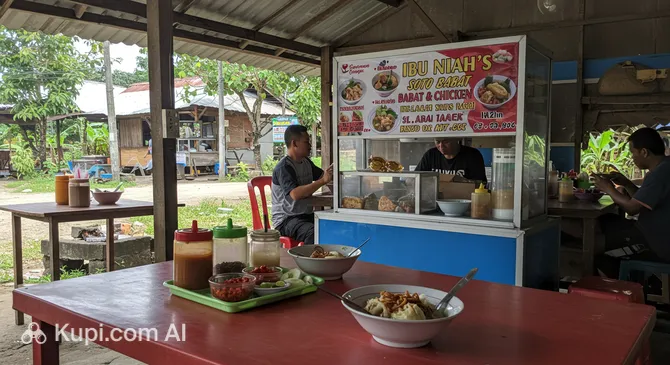
Culinary experiences are an essential part of getting to know the city. Visit Soto Babat and Chicken at Ibu Niyah's to try the famous local soto soup, prepared according to home recipes. If you prefer a more familiar fast-food format, Rocket Chicken Kawunganten is popular in the city, serving crispy Indonesian-style chicken.
The city's religious architecture is represented by sites like St. Stephen's Catholic Church, which stands out with its elegant appearance amidst the urban landscape. These places allow you to see the diversity of cultural and spiritual traditions peacefully coexisting in this important port center.
Local Cuisine
The cuisine of Cilacap is a vibrant blend of Javanese traditions and the bounty of the Indian Ocean. Thanks to its status as a port city, the freshest seafood is always available here. Be sure to try the local signature dish brekecek pathak jahan—sea fish stewed in a thick, fragrant, and moderately spicy sauce with spices. It is the true taste of the region, valued by locals and visitors alike.
For those wanting to experience Indonesian street food classics, Soto Babat and Chicken at Ibu Niyah's is an excellent choice. They serve a rich soto soup with tripe or chicken, which is a popular breakfast and lunch option. Traditional warungs (family cafes) are scattered throughout the city, offering a homey atmosphere and fair prices.
Ibu Niah's Soto Babat & Chicken. Illustration.
Source: Kupi.com AI
Traveller photos:
If you crave something more familiar, look for Rocket Chicken Kawunganten. This is a popular chain where you can grab a quick and tasty snack of fried chicken with rice—a staple for many Indonesians. The food culture in the city is democratic, with most establishments focused on simple presentation and rich flavors.
Popular drinks in Cilacap include regular tea and coffee, as well as traditional herbal infusions called jamu. The city's gastronomic scene doesn't strive for high sophistication, but it wins you over with its sincerity and the chance to taste real Javanese food away from the tourist trails.
Travel Tips
A journey to Cilacap promises to be an interesting experience. To make your trip as comfortable as possible, we have prepared a few practical tips.
Clothing and Essentials: Choose light clothing made from natural fabrics, as the city experiences tropical heat with high humidity. For visiting temples and official institutions, bring clothes that cover your shoulders and knees. Be sure to carry sunscreen and comfortable shoes for walking around the fort.
Transport: To get around the city, it is most convenient to use the Grab or Gojek apps—it is reliable and eliminates the language barrier.
Finances: The main currency is the Indonesian Rupiah (IDR). Cards are accepted in shopping centers, but always keep small-denomination cash for markets, warungs, and transport.
Health: Drink only bottled water and avoid ice in street drinks. Basic medicines can be found in city pharmacies, but it is better to bring specific medications with you.
Communication: English is not very common, so learn a few basic phrases in Indonesian (terima kasih — thank you, halo — hello). Install an offline translator.
Local Etiquette: Indonesians are very friendly. Greet people with a smile and try not to use your left hand to pass money or food, as it is considered impolite.
What to Avoid: Do not show intense emotions or anger in public—this is not customary in local culture. Also, avoid walking in port areas at night unless necessary.
Rainy Season: Remember that from November to March, heavy rains are possible, which can cause local flooding. Always carry a lightweight raincoat with you.
May your discovery of this unique port city leave only pleasant memories and open up a new facet of beautiful Java for you!
Entertainment & Nightlife
Nightlife in Cilacap is quiet and local in character, catering mainly to residents and business travelers. Most activity after sunset is concentrated around the waterfront and main commercial streets, where night markets with street food open. Here you can spend an evening tasting authentic snacks and observing the city's slow pace.
For those looking for conventional urban entertainment, modern shopping centers and cinemas are available. Karaoke clubs and small cafes with live music are popular leisure formats. For example, you can drop by Rocket Chicken Kawunganten for a quick bite or spend time in a more traditional spot like Soto Babat and Chicken at Ibu Niyah's, where the hospitable atmosphere invites a long dinner.
Daytime entertainment in the city includes walks through historical sites and relaxation in coastal zones. Safety in the central districts is good, and for comfortable travel at night, it is best to use official taxi services or popular ride-hailing apps in Indonesia. If you are looking for large-scale parties or international-level clubs, it is worth planning a trip to Java's larger cultural centers.
Parks & Museums
Despite its industrial appearance, Cilacap offers several interesting places for outdoor walks and historical discovery. The role of the main "open-air museum" is played by Benteng Pendem. This place is unique because you don't just look at exhibits; you literally wander through the corridors of history, exploring old fortifications and underground rooms from the colonial era.
For relaxation by the water, locals and visitors choose the coastal area of Teluk Penyu. This is a vast open space where the sea breeze helps to better tolerate the tropical heat. While it is not a classic park with alleys, the area around the beach and the fort is the city's main recreational zone, where local holidays and festivals are held.
In the city center, you can find small squares and well-maintained green zones near administrative buildings that serve as resting spots during the day. For larger-scale museums, art galleries, or ethnographic parks, travelers usually head to neighboring cultural centers in Java, using Cilacap as a base for a quiet exploration of the southern coast.
Getting Around
The public transport system in Cilacap is typical for medium-sized cities in Indonesia. The backbone of internal transport consists of "angkot" minibuses, which run on set but not always obvious routes for tourists. This is the cheapest way to get around, though it's helpful to know the main landmarks in the city.
For more comfort and speed, travelers often choose motorcycle taxis (ojek) or regular taxis. Popular mobile apps work actively in the city, allowing you to call transport and see the price in advance, which eliminates the need to haggle. This is especially convenient for trips to distant attractions or the port.
An important part of the city's transport life is the Cilacap railway station, as well as the nearby Kroya hub. Trains are the best way to travel between cities in Java, offering different service classes from economy to luxury. In the city itself, traffic jams are rare and mostly related to the movement of heavy vehicles in the industrial zone, so moving through central quarters usually doesn't take much time.
Accommodation
The hotel sector in Cilacap is primarily geared toward business travelers, specialists visiting on work assignments, and domestic tourists. You won't find a huge selection of luxury resorts here, but the city offers a decent level of comfort in mid-range hotels and modern business accommodations.
For the most convenient stay, it is recommended to choose accommodation in the central part of the city, closer to the main administrative streets and shopping areas. One popular option is the modern @HOM Premiere by Horison, which offers quality service and a convenient location. The city also has many guesthouses and simple budget hotels for those seeking an economical option.
If you plan to visit during local holidays or major industrial forums, it is better to book a room in advance. Accommodation prices in Cilacap remain quite moderate compared to Jakarta or Bali. You can use popular international services or local platforms widely used in Indonesia to search and book.
Nearby Cities
Cilacap serves as an excellent starting point for exploring the southwestern part of Central Java. Thanks to the developed railway network, you can easily reach interesting neighboring cities and natural attractions in the region.
Just 43 kilometers away is the city of Purwokerto, known for its cool climate and proximity to the picturesque mountain resort of Baturraden. Another interesting destination is Gombong, where you can visit the historical Fort Van Der Wijck and explore unique caves in the vicinity. It is also worth visiting Ciamis, which attracts visitors with its calm atmosphere and cultural heritage.
The city's surroundings offer diverse landscapes, from rice paddies to mangrove forests. Exploring neighboring regencies will allow you to deeper understand the diversity of Java and see corners of Indonesia hidden from mass tourism.
Shopping & Souvenirs
Shopping in Cilacap reflects the daily life of a typical Indonesian city. There are no global brand boutiques here, but there is an abundance of traditional markets and modern mid-sized shopping centers. Most trade is concentrated along the main city streets, where small shops stand next to chain supermarkets.
To experience the local flavor, visit a traditional market (pasar). Here you can find fresh spices, exotic fruits, and, of course, the seafood for which the region is famous. If you are looking for comfort and air conditioning, check out local malls with food courts and clothing stores. For a quick snack while shopping, Rocket Chicken Kawunganten, located in a busy area, is a great choice.
Popular souvenirs from the city include local textiles, handmade wooden items, and gastronomic specialties like seafood crackers. Most shops are open from morning until late evening, and cards are accepted at larger outlets, though you will definitely need cash Indonesian Rupiah for markets and small warungs like Soto Babat and Chicken at Ibu Niyah's.