Navigating Mysore is relatively straightforward and stress-free compared to many larger urban centers. The city does not have a metro system, so the public transport network relies primarily on a robust fleet of government-operated buses and a vast number of three-wheeled vehicles. For tourists, getting around is affordable and convenient, with most major attractions located within a short distance of each other.
The backbone of the city's public transit is the bus service managed by the Karnataka State Road Transport Corporation (KSRTC). These city buses are distinctively colored, often in shades of blue and white, and connect virtually every neighborhood to the central hub. The main terminal is the City Bus Stand (CBS), located conveniently close to the palace. While there are some air-conditioned Volvo buses on select routes, the majority are standard non-AC buses. They are frequent, safe, and offer an authentic way to experience local life.
For payment on buses, the system is traditional and simple. There are no smart cards or tap-on systems for short-term visitors. You simply board the bus and purchase a ticket directly from the conductor, who will come to your seat or is stationed near the rear door. You must pay in cash, so it is essential to carry small change (coins and smaller denomination notes). Fares are extremely low, usually costing just a few rupees depending on the distance. Daily passes are sometimes available for unlimited travel, which can be purchased at the main bus stand.
Auto-rickshaws are the most popular mode of transport for last-mile connectivity. You will see these three-wheeled yellow and green vehicles everywhere. By law, drivers are required to use a meter, but in practice, many may ask for a flat fare, especially from tourists. To avoid overpaying, it is advisable to insist on the meter or agree on a reasonable price before starting the journey. "Pre-paid auto" counters are available at the railway station and main bus stands, offering a fixed, fair price to your destination.
For a more comfortable and hassle-free alternative, ride-hailing apps like Uber and Ola are widely operational in the city. These apps allow you to book both cars and auto-rickshaws without the need for bargaining. The price is fixed upfront, and you can track your journey, making it a preferred option for those unfamiliar with the local language or routes. Taxis are also available for full-day rentals if you plan to visit multiple sites on the outskirts.
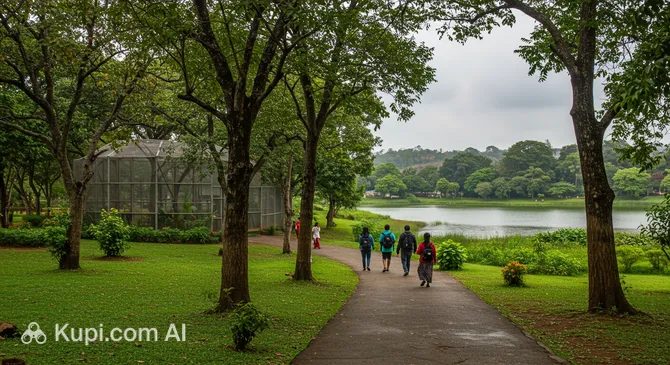
A unique feature of Mysore’s transport landscape is Trin Trin, a public bicycle-sharing system. It is one of the few successful initiatives of its kind in the region, designed to promote eco-friendly travel. Tourists can register for a short-term membership and pick up bicycles from docking stations located near major tourist spots, such as the palace, zoo, and lakes. It is an excellent way to explore the city's flat terrain and tree-lined avenues at your own pace.
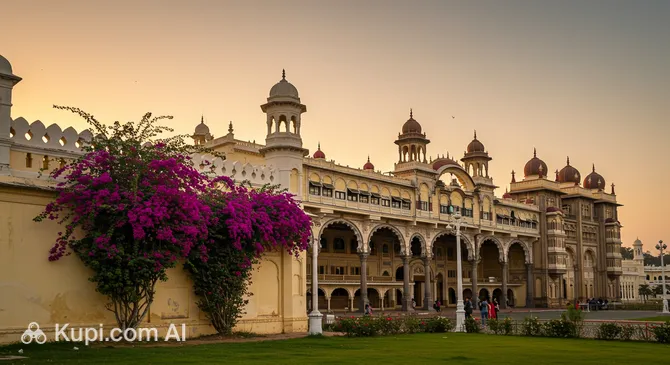
Finally, for a touch of nostalgia, you can experience a ride in a Tonga, a traditional horse-drawn carriage. While no longer a primary mode of commuting, these carriages are a charming heritage experience, typically found around the palace gates and heritage buildings. They offer a leisurely, slow-paced tour of the colonial quarters, allowing you to soak in the city's old-world atmosphere.
Public transport generally operates from early morning, around 6:00 AM, until about 10:00 PM. If you are traveling late at night, it is best to rely on pre-booked taxis or ride-hailing apps. Always ensure you have valid identification and keep your bus tickets until you alight, as ticket inspectors do conduct random checks.