Getting around Budapest is remarkably easy and efficient, thanks to its comprehensive public transport network operated by BKK (Centre for Budapest Transport). The system is well-integrated, meaning a single ticket or pass works across almost all modes of travel within the city limits. Whether you prefer traveling underground or enjoying the views from a tram, the city offers plenty of options to suit your needs.
The backbone of the network is the Metro, which consists of four lines. The most famous is the M1 (Yellow Line), also known as the Millennium Underground. Built in 1896, it is the oldest metro line in continental Europe and a UNESCO World Heritage site, transporting passengers in charming period-style carriages. The other lines (M2, M3, and the modern automated M4) connect major hubs and railway stations, making cross-town travel fast and reliable.
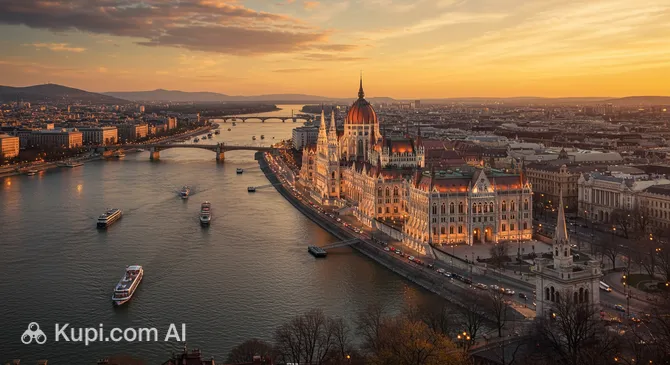
Above ground, the city is famous for its yellow trams. They are not only practical but often offer scenic routes. Tram 2 runs along the Danube on the Pest side, providing breathtaking views of the river and Castle Hill, often cited as one of the most beautiful tram rides in the world. For late-night travelers, the 4 and 6 tram lines are essential, as they run 24 hours a day along the Grand Boulevard, connecting the liveliest parts of the city.
The bus and trolleybus network is extensive, reaching areas not covered by the metro or trams. Blue buses serve the entire city, while red trolleybuses operate primarily in Pest. For trips to the suburbs or nearby towns like Szentendre, the HÉV suburban railway trains (green trains) are the best option. Additionally, the city operates public transport boats on the Danube, offering a budget-friendly way to see the sights from the water during the warmer months.
For tickets and payment, the system is very tourist-friendly. You can purchase single tickets, blocks of 10 tickets, or travel passes ranging from 24 hours to 72 hours. A single ticket costs approximately 450 HUF, while a 24-hour travelcard is around 2,500 HUF. The most convenient way to manage your travel is by downloading the BudapestGO app, which allows you to buy digital tickets and plan your route in real-time. Alternatively, you can buy paper tickets from the purple BKK vending machines located at most stops and stations.
A crucial piece of advice for visitors using paper tickets: you must validate your ticket before starting your journey. On the metro, validate at the orange or red machines before the escalators; on buses and trams, validate onboard immediately after boarding. Ticket inspectors are frequent and strict, and fines for non-validated tickets are high. If you are using a digital ticket on the app, remember to scan the QR code sticker placed by the door or at the metro entrance.
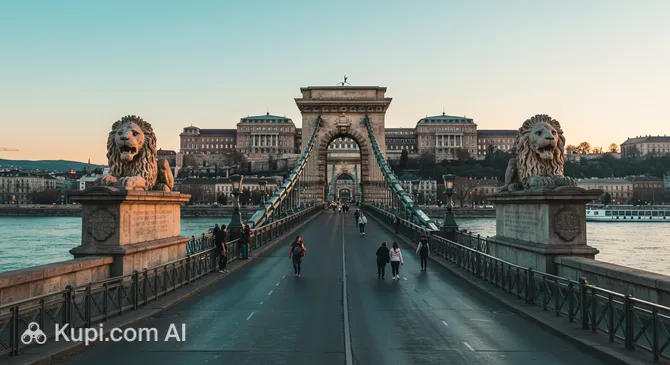
Beyond standard transport, the city offers some unique travel experiences. The Buda Castle Hill Funicular (Budavári Sikló) creates a direct link between the Chain Bridge and Buda Castle, offering stunning panoramic views as you ascend. For a retro adventure, the Zugliget Chairlift (Libegő) transports you up János Hill for the best lookout points over the city. There is also the Children's Railway in the Buda Hills, a narrow-gauge line primarily operated by children under adult supervision, which is a favorite for families.
If you prefer alternatives to public transport, taxis are widely available and must be yellow by law. It is highly recommended to order one via a reputable mobile app or by phone rather than hailing one from the street to ensure fair pricing. For active travelers, the MOL Bubi bike-sharing system is a great choice, with bright green docking stations scattered throughout the city. The city center is also very walkable, and many major attractions are easily accessible on foot.