Support

Wiesbaden City Palace

About

The Wiesbaden City Palace is a majestic Neoclassical architectural masterpiece located in the heart of Wiesbaden. Built in the mid-19th century, it served as the primary city residence of the Dukes of Nassau and remains one of the most significant landmarks preserved by Germany.
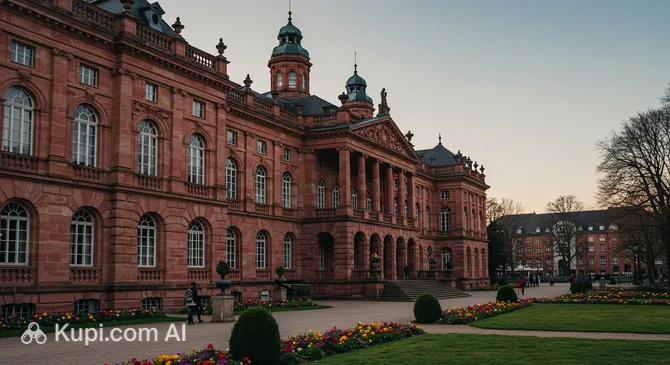
Wiesbaden City Palace. Illustration.
Source: Kupi.com AI

Traveler photos:

The palace ensemble, which boasts 145 rooms, is harmoniously integrated into the landscape of Schlossplatz. Its architecture is characterized by noble simplicity: two main wings are connected by an elegant semi-circular rotunda with a balcony, while the interior halls are adorned with statues of ancient gods and luxurious chandeliers. A glass conservatory, which once housed the Duke's exotic plants, adds a special charm to the building.

Today, this historical building is not merely an architectural monument but a living hub of regional political life, as it houses the Landtag (parliament) of the federal state of Hesse. Visitors appreciate the palace for its understated elegance and the opportunity to see how historical heritage and modernity blend seamlessly within a single architectural complex.

Contacts

You can contact the administration or clarify visiting details through official communication channels. The Wiesbaden City Palace is open to those who wish to explore the historical heritage and modern political culture of the region. Detailed contact information for planning your visit is provided below.

How to contactContact
AddressSchlossplatz 1-3, 65183 Wiesbaden, Germany
Phone+49 611 3500
Websitewww.wiesbaden.de

What to Do

A visit to the palace offers a unique opportunity to combine an exploration of historical interiors with a glimpse into modern political life. The main highlights inside the building are the majestic Music Hall, often used for ceremonial events, and the Domed Hall wing, where light pours through elegant skylights to create a special atmosphere.

While strolling through the complex, be sure to peek into the inner courtyard and examine the statues of ancient gods in the palace's third wing. If you are lucky enough to visit during an open day or an official tour, you can see the modern assembly hall of the Hessian Landtag and appreciate how cutting-edge technology has been integrated into the historical walls. The glass galleries and passages between the Kavaliershaus and the Wilhelmsbau buildings emphasize the connection between eras.

The Schlossplatz in front of the palace is an ideal spot for photography. The facade with its semi-circular rotunda serves as a beautiful backdrop, while the surrounding buildings create a unified architectural ensemble. After exploring the palace, it is pleasant to simply sit in the square, admiring the facades and observing the rhythm of life in central Wiesbaden.

Getting There

The City Palace is located in the very heart of Wiesbaden at Schlossplatz 1-3. Thanks to this central location, it is easily accessible on foot from almost anywhere in the historical quarter; simply look for the spires of the Market Church (Marktkirche) or the City Hall building.

If you are traveling from Frankfurt am Main, the most convenient way is by train—the journey to Wiesbaden Central Station (Hauptbahnhof) takes about 30–40 minutes. Buses and trams (routes No. 1 and No. 4) run regularly from the station to the palace, reaching the Schlossplatz stop in just 5–10 minutes. For those who prefer maximum comfort, a taxi can be ordered from the station or any other part of the city to take you directly to the residence doors.

Travelers arriving by car can use the A66 motorway. Please note that parking spaces in the city center are limited, so it is best to leave your car in one of the nearby multi-story parking garages and continue on foot, enjoying the views of the ancient streets.

Nearest city: Wiesbaden

History & Facts

The history of this site dates back to the High Middle Ages when a castle of the Counts of Nassau stood where the palace is today. In 1236, Emperor Frederick II even celebrated Pentecost here; however, the fortress was destroyed in local conflicts a few years later. The territory remained vacant for a long time until the 19th century, when Wiesbaden began to develop rapidly as the capital of the duchy.

The construction of the modern City Palace was initiated in 1835 by Duke William of Nassau, who commissioned the project from architect Georg Möller. The ruler dreamed of a residence in the city center, closer to his subjects, which was a bold decision for that time. Unfortunately, the Duke did not live to see the completion of the work in 1841, and the first resident of the palace was his son, Adolphe I, whose dynasty flourished until Germany underwent major political changes.

In 1866, after the annexation of Nassau by Prussia, the building was transformed into a secondary residence for Prussian kings and emperors. Throughout its long history, the palace has served as a headquarters for the British army after the First World War and as a museum for the Prussian administration. Despite suffering damage in the 1940s, it was meticulously restored and, in 1945, began its new life as the seat of the Landtag (parliament) of Hesse.

Time Needed

For a complete introduction to the City Palace and its immediate surroundings, 1–2 hours is sufficient for most travelers. This is enough time to leisurely admire the building's facades from Schlossplatz, visit the inner courtyard, and appreciate the architectural details of the Neoclassical style.

If you plan to tour the interior halls as part of a special excursion or wish to attend an open parliamentary session, you should allow for more time in your schedule. A visit can also be combined with a walk through the neighboring streets of the historical center, where every building is steeped in history, turning a short palace tour into a pleasant and educational journey.

Working Hours

The palace complex schedule allows tourists to plan their visit in both the morning and evening. From Monday to Thursday, the doors are open from 10:30 to 21:00, while on Friday and Saturday, visiting hours are extended until 21:30. On Sunday, the palace begins welcoming guests a bit later—from 12:00 until 21:00.

DayWorking hours
Monday10:30 – 21:00
Tuesday10:30 – 21:00
Wednesday10:30 – 21:00
Thursday10:30 – 21:00
Friday10:30 – 21:30
Saturday10:30 – 21:30
Sunday12:00 – 21:00

Nearby

Exploring the surroundings of the City Palace will help you dive deeper into the aristocratic atmosphere of this city. Just a few steps from Schlossplatz, you will find routes leading to ancient ruins, picturesque parks, and unique engineering structures.

A stroll through the center reveals the contrast between strict Neoclassicism and ancient fortifications, while a ride on the famous funicular offers unforgettable views of the entire city and the Rhine Valley.

NameDistance
Market Church Wiesbaden0.1 km
Giant Cuckoo Clock0.2 km
Schwarzer Bock Hotel0.3 km
Hookah Shisha Lounge0.3 km
St. Boniface Church, Wiesbaden0.3 km
Kochbrunnen0.4 km
Luisenplatz0.5 km

Reached the end of the page?

That means the route is fully explored