Support

St. Sebaldus Church

About

St. Sebald Church (German: Sebalduskirche) is one of the oldest and most significant churches in Nuremberg and a jewel of medieval German architecture. The city's primary Lutheran church is dedicated to St. Sebald, an 8th-century hermit and missionary who is the patron saint of Nuremberg. Its rich history and spiritual importance make the church a must-visit for anyone interested in culture and art.
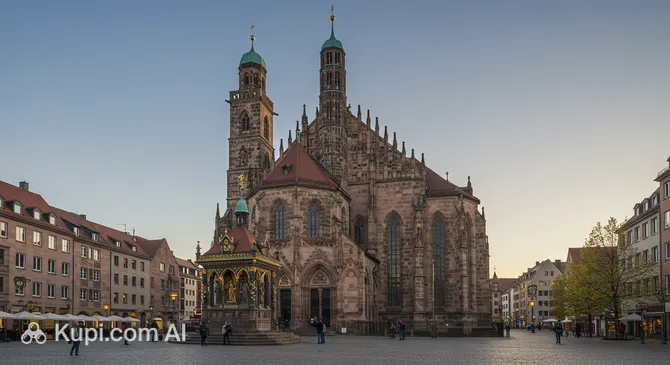
St. Sebaldus Church. Illustration.
Source: Kupi.com AI

Traveller photos:

Located in the northern part of the historic center, right next to the Nuremberg Town Hall and near the Main Market Square, St. Sebald Church commands attention with its majestic presence. Its architecture harmoniously blends Romanesque and Gothic elements, reflecting a long history of construction and numerous renovations that began as early as the 13th century. Originally built as a Romanesque basilica, it was later expanded with an impressive Gothic choir.

The interior of the church is striking in its beauty and wealth of artistic treasures. The main sanctuary and a true masterpiece is the famous shrine of St. Sebald, cast in bronze by the sculptor Peter Vischer the Elder and his sons in the early 16th century. Outstanding masters of their time, such as Veit Stoss, known for his wooden sculptures, Adam Kraft, and, according to some accounts, Albrecht Dürer, contributed to the interior. A visit to St. Sebald Church is a unique opportunity to connect with centuries-old traditions and enjoy exceptional works of art.

Contacts

For the most up-to-date information regarding opening hours, service schedules, or guided tours of St. Sebald Church, we recommend contacting the church office directly or visiting its official website. Contact details are provided below:

How to contactContact
AddressWinklerstraße 26, 90403 Nürnberg, Germany
Phone+49 911 2142500
Websitewww.sebalduskirche.de

What to Do

When visiting St. Sebald Church, you immerse yourself in the world of medieval art and spirituality. Inside, you will encounter extraordinary works: most notably, the magnificent bronze shrine of St. Sebald—a true marvel of metal casting. Pay attention to the stunning stained glass windows, which filter the light to create a special atmosphere, the ancient altar relics, and the impressive organs with histories spanning centuries. The church is decorated with works by famous late-medieval and Renaissance masters, making it a veritable treasure house.

During your visit, you will have the chance to admire the soaring Gothic vaults and examine ancient sculptures, each telling its own story. If the opportunity arises and access is open, do not miss the chance to go up to the organ gallery for a unique perspective of the interior. Furthermore, St. Sebald Church is not just a museum but an active place of worship. Organ concerts, choir performances, and regular services are held here. Attending such an event allows for a deeper connection with the spiritual and cultural life of Nuremberg and provides an unforgettable experience.

Getting There

St. Sebald Church is conveniently located in the heart of Nuremberg, making it easily accessible for all visitors. It is within walking distance of major tourist routes, allowing you to combine your visit with a tour of other landmarks in the historic center.

Getting to the church by public transport is straightforward. From Nuremberg Central Station, you can take the U-Bahn (lines U1, U2, or U3) to the Lorenzkirche or Hauptmarkt stations. From there, a pleasant walk through the picturesque streets of the Old Town will lead you straight to the church. Additionally, numerous tram and bus routes serve the city center near St. Sebald Church.

If you are traveling by car, there are city parking lots in the vicinity. However, keep in mind that traffic in the historic part of Nuremberg may be restricted, and parking spaces can be limited. Therefore, for a more comfortable visit to St. Sebald Church and the Old Town, it is recommended to use the efficient public transportation system.

Nearest city: Nuremberg

History & Facts

The history of St. Sebald Church dates back to the early 13th century. Construction of this majestic structure began in the 1230s and was completed between 1273 and 1275. According to tradition, a modest chapel dedicated to Saints Peter and Paul originally stood on this site, believed to have been founded by St. Sebald himself. As the number of pilgrims visiting the revered saint's tomb grew, a more spacious Romanesque basilica was built in the 13th century, forming the foundation for the future church.

Over the following 14th and 15th centuries, the church's appearance underwent significant changes. The Romanesque basilica was rebuilt and expanded several times, adopting the features of the then-fashionable Gothic style. It was in the 15th century that the church acquired the form we see today. A pivotal event in its history was 1525, when it became a Lutheran parish during the Reformation, which it remains to this day.

The fate of St. Sebald Church, like many historic buildings in Nuremberg, was marked by the events of the mid-20th century. The building suffered significant damage; however, thanks to meticulous and careful restoration work carried out in the post-war years, its architectural appearance was not only restored, but much of its valuable interior decoration was preserved, allowing this jewel of medieval architecture to survive for future generations.

Time Needed

To tour St. Sebald Church in Nuremberg, a typical visitor should set aside approximately 1 to 1.5 hours. This is generally enough time for a leisurely exploration of the main architectural features, the impressive interior, the famous shrine of St. Sebald, the magnificent stained glass windows, and other significant works of art.

If you plan to study every corner in detail, linger by specific artworks, photograph the details, or perhaps catch some organ music if it is being played during your visit, your stay may be slightly longer. Overall, about an hour and a half provides a fairly complete impression of this iconic landmark in Germany.

Working Hours

St. Sebald Church in Nuremberg is generally open to visitors daily throughout the year. The doors are typically open from morning until evening, allowing tourists and parishioners alike to enjoy its beauty and spiritual atmosphere. However, exact opening hours may vary depending on the season, as well as the schedule of services and other church events. Access for sightseeing may be restricted or modified during services.

For the most current visiting hours, it is highly recommended to check the official St. Sebald Church website or contact the Nuremberg Tourist Information Center shortly before your visit. Special ticket bookings are not usually required for general visits; however, if you plan to attend an organ concert or a specialized tour, pre-registration or ticket purchase may be necessary.

DayOpening hours
Monday9:30 – 18:00
Tuesday9:30 – 18:00
Wednesday9:30 – 18:00
Thursday9:30 – 18:00
Friday9:30 – 18:00
Saturday9:30 – 18:00
Sunday11:00 – 18:00

Nearby

Visiting St. Sebald Church is undoubtedly a highlight of any trip to Nuremberg. However, to make your journey even more enriching, don't stop at exploring just this one magnificent site. The city's historic center, where the church is located, is steeped in history, and every corner holds something interesting. A stroll through the surrounding area will allow you to immerse yourself deeper in the atmosphere of old Nuremberg and discover other iconic landmarks.

In the immediate vicinity of St. Sebald Church, you will find many other attractions worth your attention. From famous fountains and museums to historic buildings, there is something for everyone. Below is a list of several interesting sites nearby, including their distance from the church, so you can easily plan your itinerary.

NameDistance
Beautiful Fountain0.1 km
Nuremberg Toy Museum0.1 km
Nuremberg Historic Rock-Cut Cellars0.2 km
Nuremberg Deutsches Museum – Museum of the Future0.2 km
The Flower of Hawaii0.2 km
Nuremberg Castle0.3 km
Historic Art Bunker0.3 km

Reached the bottom of the page?

Looks like you know this route inside out