Support

Neuschwanstein Castle

About

Neuschwanstein Castle (German: Neuschwanstein — "New Swan Stone") is a fairytale castle located in the picturesque Alpine foothills of Bavaria, near the town of Füssen in Germany. It is one of the most recognizable and visited tourist spots in the country, attracting millions of travelers from all over the world every year.
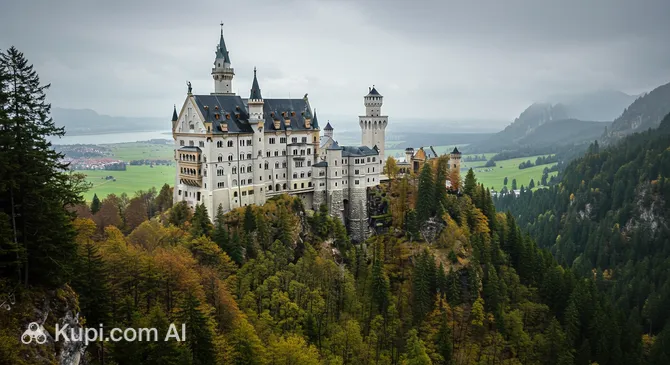
Neuschwanstein Castle. Illustration.
Source: Kupi.com AI

Traveller photos:

Built by order of King Ludwig II, the castle is the embodiment of romantic ideas of medieval knighthood and German history, inspired by the operas of composer Richard Wagner. Its architecture is mind-boggling: elegant tall towers, pointed windows, arched galleries, and luxuriously decorated balconies create a truly magical image. Despite its medieval appearance, at the time of construction, the castle was equipped with advanced technologies of that era, including a heating system and hot running water.

Neuschwanstein also gained worldwide fame for serving as the prototype for the famous Sleeping Beauty castle in Walt Disney's cartoons. Thanks to this fairytale image, the castle has become a true symbol of a romantic dream, attracting tourists who wish to touch the magic and history.

Contacts

To plan your visit, clarify opening hours, or ask questions, you can contact the castle administration. All up-to-date information for visitors, including ticket prices and potential schedule changes, is available on the official website.

How to contactContact
AddressNeuschwansteinstraße 20, 87645 Schwangau, Germany
Phone+49 8362 9398877
Websitewww.neuschwanstein.de

What to Do

A visit to Neuschwanstein Castle is an opportunity not only to admire its fairytale architecture from the outside but also to immerse yourself in a world of royal luxury inside. Entrance to the castle itself requires a ticket and is done as part of a guided tour, so it is best to purchase tickets online in advance. The interior decoration is stunning: travelers can explore the magnificent royal apartments, including Ludwig II's bedroom with its carved wooden bed and a dressing room with a painted ceiling. The walls of the halls are decorated with panels and frescoes inspired by Wagner's operas and ancient German legends. Please note that photography inside the castle is prohibited.

A walk around the surrounding area is equally impressive. Be sure to go to Marienbrücke (Mary’s Bridge), which offers the iconic view of the castle known from thousands of postcards. This perspective yields the best photos. The area around Neuschwanstein is incredibly picturesque: from here, you can admire the panorama of the Alps and the crystal-clear mountain lake, Alpsee. For outdoor enthusiasts, there are several hiking trails to enjoy nature and find other angles for photos.

When planning your visit, you should also include other nearby attractions in your program. Very close by is Hohenschwangau Castle—a real medieval castle where the Bavarian royal family actually lived. You can also visit the Museum of the Bavarian Kings or stroll through the historic center of the nearby town of Füssen. Thus, a trip to this corner of Germany can become a full one-day adventure.

Getting There

Getting to the famous Neuschwanstein Castle is quite easy, as it is a popular tourist destination. The nearest town to the castle is Füssen. From Munich, you can reach Füssen by train, with the journey taking about two hours. From the Füssen railway station to the village of Schwangau, at the foot of which the castle is located, buses No. 73 or No. 78 run regularly. The bus ride takes only about 10-15 minutes.

From the village of Schwangau to the castle itself, there is a short uphill climb. You have several options to overcome it. The most scenic and free way is to walk up. The uphill walk takes approximately 30–40 minutes and allows you to enjoy the fresh Alpine air. For those who prefer a more comfortable path, horse-drawn carriages or special shuttle buses are available. It is important to note that any transport stops some distance from the entrance, so all visitors must walk the last small stretch on foot.

If you are traveling by car, you also need to reach the village of Schwangau. Paid parking lots are available here where you can leave your car. After that, you can use the same methods to reach the castle: on foot, by horse carriage, or by shuttle bus. When planning your trip, allow extra time for waiting for transport, especially during the high tourist season.

Nearest city: Füssen

History & Facts

The history of Neuschwanstein Castle is inextricably linked with the personality of King Ludwig II of Bavaria, often called the "Fairytale King." For him, this castle was not a military fortress but a personal retreat and the embodiment of romantic fantasies inspired by German legends and the operas of Richard Wagner. The King was so deeply involved in the project's development that he personally approved every drawing, which is why Neuschwanstein is rightfully considered his personal creation. The castle was intended to be an idealized image of a medieval knight's castle, recreated in a picturesque area familiar and beloved by Ludwig since childhood.

Construction of this grand structure began on September 5, 1869, with the laying of the first stone. The preparatory work was no less massive: to create a level platform for the future palace, the top of the cliff had to be lowered by about 8 meters using explosions. The castle was built on the ruins of two old fortresses—the front and back Schwangau. The realization of the King's ambitious vision was handled by court architect Eduard Riedel, while Munich stage designer Christian Jank was responsible for turning architectural plans into artistic sketches, giving the castle its famous theatrical appearance.

Neuschwanstein is a castle of contrasts. Despite its medieval appearance, it was equipped with the most advanced 19th-century technologies, including central heating, hot running water, and even telephones for the servants. This "living fairytale" was built not with state funds, but from King Ludwig II's personal funds and through loans. Unfortunately, the King lived in his nearly completed dream for only 172 days before his mysterious death in 1886, never seeing the castle fully finished. Just weeks after his death, the doors of Neuschwanstein were opened to the public to help pay off the huge debts left after construction. Thus, the King's personal sanctuary turned into one of the most visited attractions in Germany, located near the town of Füssen.

Time Needed

To fully experience Neuschwanstein Castle, it is recommended to set aside at least half a day. The tour of the interior itself, which is only possible as part of an organized group, lasts about 30-35 minutes. However, this is only a small part of the time required for a visit. It is important to account for the journey to the castle from the parking lot or bus stop, which includes either an uphill walk (about 30-40 minutes) or waiting for a special bus or horse carriage. You should also factor in time for potential queues, especially at the height of the tourist season.

If you want to do more than just see the castle from the inside and also enjoy its famous views, you will need additional time. A walk to the Marienbrücke (Mary’s Bridge), which offers the iconic view of Neuschwanstein, and exploring the surroundings will take at least another hour. For those planning to also visit the neighboring Hohenschwangau Castle and the Museum of the Bavarian Kings, you should plan for a full day. Such a leisurely approach will allow you to fully immerse yourself in the fairytale atmosphere of this unique corner of Bavaria.

Working Hours

Neuschwanstein Castle is open to visitors year-round, except for a few holidays: January 1, and December 24, 25, and 31. Opening hours depend on the season: during the summer period (roughly from April to October 15), the castle welcomes guests from 9:00 to 18:00, and in the winter (from October 16 to March) — from 10:00 to 16:00. It is important to remember that these are the opening hours for the castle itself, and the ticket offices located in the village of Hohenschwangau close earlier.

Due to the immense popularity of Neuschwanstein and the limited number of daily visitors allowed inside, it is strongly recommended to book tickets in advance online. This will allow you to avoid hours of queuing and guarantee your entry to the castle, as tickets at the on-site office often sell out in the first half of the day, especially during the high season. Visits are only possible as part of a guided tour with a fixed entry time, so punctuality is crucial. Before your trip, it is always useful to check the latest information on the official castle website, as there may be changes to the schedule.

9:00 – 18:00

Nearby

Visiting Neuschwanstein Castle is just the beginning of a fascinating journey through one of the most picturesque corners of Germany. The area surrounding the castle is rich in other attractions that will help you dive deeper into the region's history and culture, making your trip even more fulfilling and memorable. This area offers many options for exploration—from other royal residences to natural beauties.

Many of these interesting places are in close proximity to Neuschwanstein, making it easy to combine them in a single day. A walk along scenic trails or a short trip will reveal new views and experiences, perfectly complementing a visit to the fairytale castle. Below is a list of nearby attractions with the distance from Neuschwanstein indicated.

NameDistance
Marien Bridge0.3 km
Hohenschwangau Castle1 km
Neuschwanstein Alpsee Resort & Spa1 km
Museum of the Bavarian Kings1.1 km
Pindarplatz Viewpoint1.6 km
St. Coloman Church2.4 km
Royal Crystal Thermal Spa Schwangau2.7 km

Reached the bottom of the page?

Looks like you know this route inside out