Tucked away between the lush Amazon rainforests and the waters of the Atlantic, French Guiana is a remarkable blend of European order and South America's pristine wilderness. As France's largest overseas department, this region offers travelers more than just a tropical getaway: it is a place where cutting-edge space technology and the ancient traditions of local tribes intertwine.
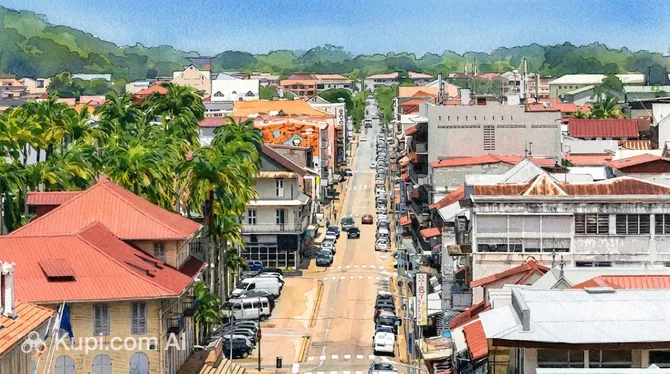
The heart of this territory is Cayenne — a vibrant and colorful capital where colonial architecture stands alongside bustling markets filled with the aromas of spices and tropical fruits. A stroll through its streets allows you to feel a unique rhythm of life, where French charm mixes with Caribbean spirit.
Illustration.
Source: Kupi.com AI
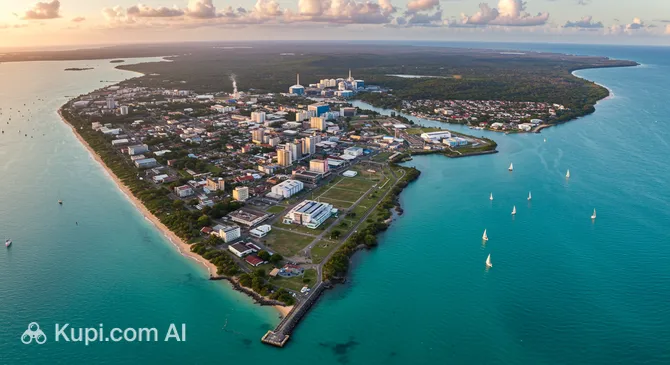
Beyond the capital, adventure seekers are drawn to the city of Kourou, famous for its high-tech spaceport, and Saint-Laurent-du-Maroni, which preserves the memory of the region's complex history. French Guiana is a destination for those ready to trade standard tourist routes for river expeditions deep into the jungle and observing rare sea turtles on the coast.
Currency
Since French Guiana is officially part of France, the national currency is the Euro (EUR). This significantly simplifies financial matters for travelers accustomed to the European monetary system. Standard Euro banknotes and coins are in circulation and are accepted everywhere in shops, hotels, and restaurants.
In major cities such as Cayenne and Kourou, bank cards from leading payment systems are accepted almost everywhere. However, when traveling to remote settlements, jungle villages, or small markets, it is necessary to carry a sufficient supply of cash. It is best to exchange currency at banks or specialized exchange offices at the airport and in the capital, as doing so outside of major population centers will be extremely difficult.
Visa Requirements
Since French Guiana has the status of a French overseas territory, entry rules here differ from those for mainland Europe. European Union citizens do not require a visa for a visit. For citizens of many other countries, including CIS countries, it is usually necessary to obtain a special visa for French overseas territories (DROM), which is processed through French consular services.
For the trip, you will definitely need a foreign passport, which must be valid for at least three to six months after the end of the trip. You may also be asked for proof of accommodation booking, return flight tickets, and medical insurance covering the entire period of stay. It is extremely important to remember that a standard Schengen visa alone does not grant the right to enter French Guiana, so it is recommended to check current requirements on the websites of official visa centers in advance.
We'll let you know if you need a visa
Enter your destination or
Your nationality
Destination
Timezones
The entire territory of French Guiana is in a single time zone. The standard time corresponds to the UTC-3 designation (or GFT — French Guiana Time). This is important to keep in mind when planning international calls and connecting flights.
One of the region's features is the absence of daylight saving time. The time here remains constant throughout the year, saving tourists the need to adjust their watches. When planning trips to neighboring countries, such as Suriname or Brazil, it is recommended to check the current time in those regions beforehand, as daylight saving rules there may differ.
Getting There
The primary way to reach French Guiana is by air. The region's main air gateway is Félix Eboué Airport, located near the capital. Regular direct flights connect Cayenne with Paris, making travel from Europe the most convenient option. There are also connecting flights via neighboring Caribbean and South American countries.
Land travel is possible from neighboring Brazil and Suriname. A bridge across the Oyapock River near the town of Saint-Georges connects the country with Brazil, while communication with Suriname is carried out via a ferry service across the Maroni River in Saint-Laurent-du-Maroni. These routes are popular among travelers on long tours of the South American continent.
Given the limited number of flights and high demand, especially during rocket launches in Kourou or during Carnival, it is recommended to book flights and hotels in advance. Sea travel is mainly represented by cruise ships that occasionally call at the port of Cayenne or the Îles du Salut.
A journey through French Guiana usually begins in Cayenne, where France's historical heritage meets tropical exoticism. This city attracts tourists with its gastronomy and cozy squares. An equally important stop on the route is Kourou — a modern city that has become the home of the European space program, offering views of technological wonders and a scenic coastline.
For those seeking a deeper immersion into history and culture, a visit to Saint-Laurent-du-Maroni, located on the border with Suriname, is a must. The city is known for its unique wooden architecture and its proximity to traditional indigenous villages. Nature lovers should check out Roura, which serves as a starting point for expeditions to the Kaw marshes and exploring the untouched jungle.
Illustration.
Source: Kupi.com AI
More secluded spots, such as Sinnamary or Saül, tucked away in the forests, offer ideal conditions for hiking and observing wildlife in its pristine state. Each of these destinations reveals a different facet of French Guiana, turning the trip into a kaleidoscope of vivid impressions.
Top Attractions
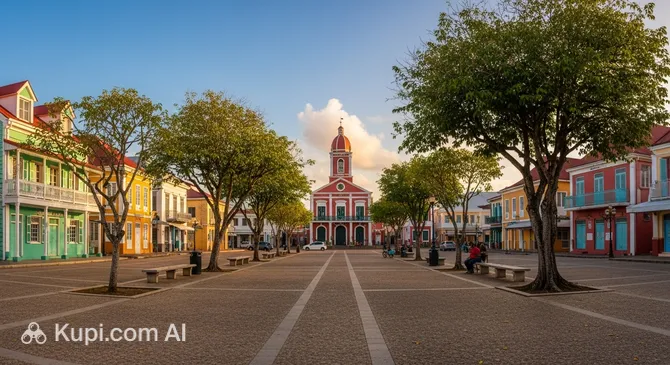
One of the most atmospheric spots in the capital is Place des Amandiers. This is a favorite walking spot for both locals and tourists, offering a magnificent view of the ocean. Here you can relax in the shade of the trees after a busy day and feel the leisurely pace of Cayenne life.
Illustration.
Source: Kupi.com AI
Traveller photos:
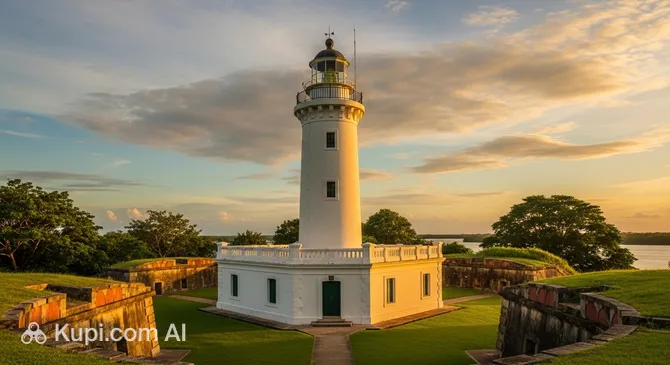
For those interested in history and panoramic views, the Fort Cépérou Lighthouse is a mandatory stop. Located on a hilltop among the ruins of an old fort, it rises above the city, offering the best vantage point for viewing the surroundings of Cayenne and the Atlantic coast.
Illustration.
Source: Kupi.com AI
Traveller photos:
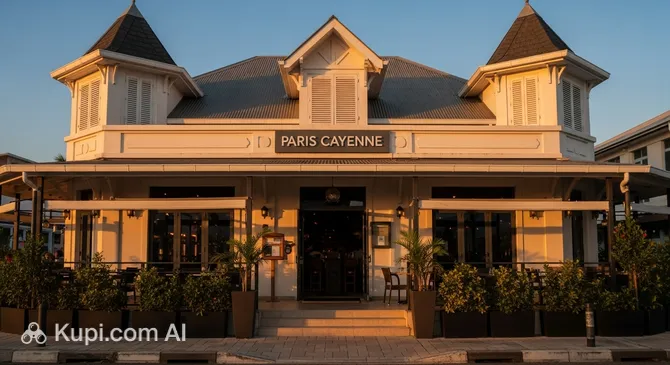
You can immerse yourself in the region's gastronomic culture at the famous Paris Cayenne restaurant. This establishment is renowned for its ability to combine classic French culinary techniques with exotic local ingredients, creating unique dishes that are considered attractions in their own right.
Illustration.
Source: Kupi.com AI
Traveller photos:
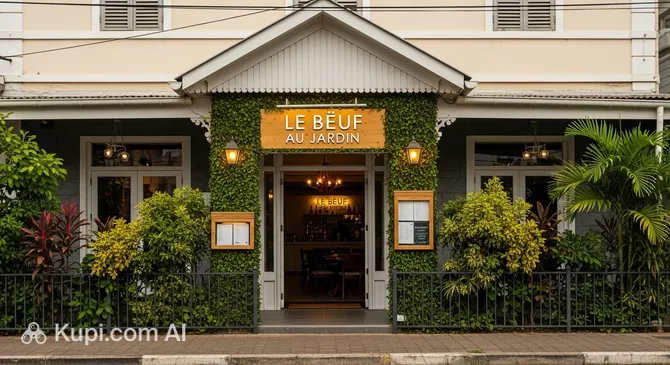
Another notable place for connoisseurs of good cuisine is Le Bœuf au Jardin. The restaurant offers guests not only an exquisite menu but also a wonderful atmosphere that allows you to feel the colonial comfort and hospitality that French Guiana is so proud of.
Illustration.
Source: Kupi.com AI
Traveller photos:
Best Time to Visit
When planning a trip to French Guiana, it is important to consider the region's equatorial climate. The high season here falls between mid-July and November. This period sees dry and sunny weather, which is ideal for long jungle treks, river trips, and visiting the spaceport in Kourou. It is also the best time for observing the unique flora and fauna.
The low season coincides with the period of heavy tropical rains, which lasts from April to June. Despite the high humidity, the nature looks its most lush and green during this time. However, keep in mind that some unpaved roads may become difficult to traverse. The period from January to March stands apart — although it is considered wet, this is when the famous French Guiana Carnival takes place, attracting thousands of tourists with its colorful parades.
For those who want to witness a unique natural spectacle — giant leatherback turtles laying their eggs on the beaches — the trip should be planned between April and July. Despite the rains, it is an unforgettable experience that only requires the right gear and readiness for the whims of tropical weather.
Traditions
The culture of French Guiana is a vibrant tapestry woven from the traditions of Creoles, indigenous peoples, and descendants from Europe and Asia. One of the most important forms of communication here is a polite greeting: when entering a shop or cafe, be sure to say "Bonjour". In communication, Guianese people are friendly but value personal space and a respectful tone. Hospitality plays a vital role in local life, and if you are invited to a home, flowers or sweets make a small but pleasant gift.
Particular attention should be paid to clothing. Despite the tropical heat, it is recommended to stick to a conservative style in public institutions and when visiting churches. On the beaches, standard European norms apply, but outside of them, overly revealing clothing may cause confusion. In dining etiquette, Guianese follow French customs, although the meal itself is often long and informal, encouraging unhurried conversation.
The main cultural event of the year is the French Guiana Carnival — one of the longest in the world. This is a time when the city streets are filled with music, dancing, and fantastic "Touloulou" costumes (women in voluminous dresses and masks). Participating in these celebrations helps one understand the spirit of the country better than any guidebook. To avoid offending locals, always ask for permission before photographing people in traditional costumes or during religious ceremonies.
Entertainment
Entertainment in French Guiana is closely linked to its stunning nature and its status as a scientific outpost. One of the main "stars" of the local program is a visit to the Guiana Space Centre in Kourou. Tourists can not only tour the launch pads but also, if lucky with the dates, witness a real rocket launch — a spectacle that leaves a lifelong impression.
For fans of active recreation, the country offers endless opportunities for ecotourism. Popular activities include canoe excursions on the Maroni and Oyapock rivers, multi-day treks deep into the Amazon forests, and bird and caiman watching in the Kaw Reserve. For family vacations and leisurely walks, the waterfronts and parks, such as Place des Amandiers in the capital, are excellent choices.
Evening life is centered in Cayenne, where you can enjoy fine dining at restaurants like Paris Cayenne or listen to live music in local bars. Shopping here is primarily about finding unique items from local artisans: Guianese gold jewelry, indigenous woven baskets, or the famous local spices and rum, which make excellent souvenirs.
Currency rates
Planning a trip? That's wonderful! To ensure the financial aspects of your journey don't come as a surprise, it's important to remember that currency exchange rates are constantly changing. Therefore, we strongly advise you to monitor the latest rates just before you fly and throughout your trip. You can use the data provided below for this purpose; we monitor exchange rates 24/7 and strive to provide the most up-to-date information.