Getting around Quito is an adventure in itself, with a public transport system that is both extensive and incredibly affordable. The city stretches long and narrow from north to south, and its transport network is designed to follow this geography. The newest and most efficient way to travel is the Metro de Quito, the first underground subway system in the region. It connects the southern districts to the north in a fraction of the time it takes by road, offering a modern, clean, and fast alternative for visitors.
Before the arrival of the subway, the backbone of the city's transit was the Bus Rapid Transit (BRT) system, which runs on exclusive lanes to bypass traffic. This network consists of three main lines: the Trolebús (trolleybus), which runs through the historic and modern centers; the Ecovía, which serves the eastern side; and the Metrobus, covering the western corridor. These lines are complemented by a vast fleet of conventional blue buses that navigate the winding streets of the neighborhoods. While the BRT system is very convenient for reaching major landmarks, be aware that it can get extremely crowded during rush hours.
Paying for transport is straightforward but requires some preparation. For the BRT and standard buses, the fare is very low, typically around $0.35. Payment is almost exclusively in cash, and turnstiles or drivers rarely have change for large bills. It is essential to carry a supply of coins (nickels, dimes, and quarters) to pass through the turnstiles or pay the driver directly. The Metro has a slightly different system; a ride costs roughly $0.45. You can buy single-trip tickets with cash at station vending machines or ticket windows. While there is a digital "City Account" (Cuenta Ciudad) app for locals, buying physical tickets at the station is usually the most practical option for short-term tourists.
Public transport generally operates from early morning, around 5:30 AM, until approximately 10:00 PM or 11:00 PM, depending on the line and day of the week. Tourists should be mindful that service frequency drops significantly later in the evening. When using the Trolebús or Ecovía, you validate your payment by inserting coins into the turnstile at the station entrance before boarding. A key piece of advice for travelers is to keep a close watch on your belongings, as crowded stations and buses can be hotspots for pickpockets; wearing a backpack on your front is a common local practice for safety.
If you prefer a more private or direct mode of travel, yellow taxis are abundant and relatively inexpensive. Official taxis are easily recognized by their orange license plates and video camera kits inside. They are required to use a taximeter (taxímetro) during the day; if a driver refuses to turn it on, it is best to find another. For added convenience and security, especially at night or if you do not speak Spanish, ride-sharing apps like Uber and Cabify are widely available, reliable, and allow you to pay via credit card without negotiating fares.
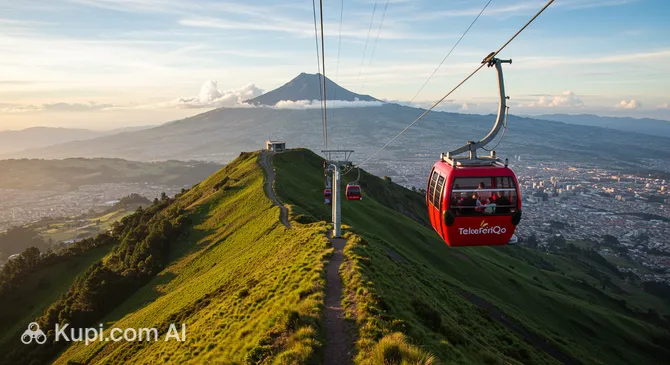
Finally, no discussion of the city's transport is complete without mentioning the TelefériQo. While primarily a tourist attraction, this cable car serves as a spectacular mode of vertical transport, whisking passengers from the city edge up the slopes of the Pichincha Volcano to an altitude of nearly 4,000 meters. It offers a unique perspective of the city's layout and is a memorable experience that combines travel with sightseeing.