Support

Nicosia

About

Nicosia is the fascinating heart of Cyprus, a city where antiquity meets the modern rhythm of life. As the administrative and cultural center of the island, it differs significantly from the coastal resorts. Here, you won't find the sound of waves, but you will discover a special, profound atmosphere of a "working capital," filled with universities, government quarters, and cozy cafes tucked away in the shade of narrow streets.

Geographically, the city is situated in the picturesque Mesaoria Valley, right in the center of the island. With a population of about 330,000, it is the largest urban center in the country.
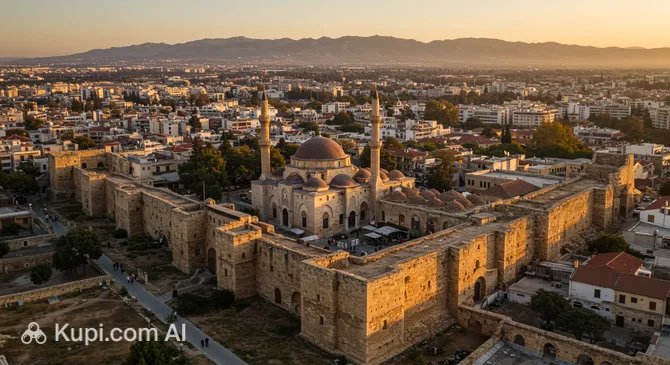
Nicosia. Illustration.
Source: Kupi.com AI
The city's centuries-old historical heritage is reflected in the unique circular layout of the old center, enclosed by Venetian walls that still define the city's character today.

In Nicosia, it's worth visiting world-class archaeological museums, strolling down the lively Ledra Street, or exploring art centers housed in former industrial buildings. This is a place for those who want to see the authentic, non-touristy Cyprus, feel its pace, and immerse themselves in the region's multi-layered culture. We invite you to discover this original city, which is sure to leave a lasting impression.
Weather Overview

Nicosia is characterized by a hot Mediterranean climate with pronounced aridity during the summer months. Due to its location in the center of the island, away from the softening influence of the sea, temperature contrasts are felt more sharply here than on the coast. Weather in Nicosia in the summer can be truly sweltering.

Expect very hot and dry summers with daytime temperatures often exceeding 35°C, and mild, relatively warm winters, when the thermometer rarely drops below 10-15°C during the day. Most precipitation falls between December and February, while from June to September, rain is extremely rare.

Due to the dense historic buildings and paved roads in the city center, the heat can feel more intense, creating a "heat island" effect. If you plan to walk a lot, the best time to visit is spring or autumn, when Nicosia's climate is most favorable for walking tours and outdoor sightseeing.

Average monthly temperature

Average monthly precipitation

Interesting Facts

  • Nicosia is considered one of the oldest capitals in Europe: the first permanent settlements on this site appeared as far back as the 7th century BC.

  • It is the only divided capital in the world, where two parts of the city coexist within a single urban space while maintaining different administrative zones.

  • The city is the only major center in Cyprus that is located inland rather than on the coast, away from the sea breeze.

  • The old city center has an almost perfect circular shape, outlined by massive Venetian walls with eleven bastions, which is clearly visible in satellite imagery.

  • Many of the city's modern cultural venues, such as NiMAC, are located in converted industrial buildings, such as former power stations.

How to Get There

The capital's transport accessibility is due to its central position on the island. Since the city's civilian airport is not currently operational, the main way to get to Nicosia is by car or bus from other regions of the island.

Most tourists arrive through Cyprus's main air gateways. The largest airports are located in Larnaca and Paphos, from where Intercity Buses and shuttles run regularly to the capital. The trip from Larnaca usually takes about an hour, and from Paphos, about two hours. For those who value comfort, car rentals and taxis are available, though you should account for possible traffic jams at the city entrance during peak hours.

AirportPassenger trafficDistance
Ercan Airport4.8 m11 km
Larnaca International Airport8.1 m41 km
Paphos International Airport3.6 m97 km
Gazipasa Airport1.1 m158 km
Çukurova International Airport5 m244 km

There is no railway service on the island, so all land transport consists exclusively of cars and buses. For trips to the center, it is most convenient to choose routes arriving at Eleftheria Square, where most of the old city's pedestrian zones begin.

StationPassenger trafficDistance
Taşkent railway station4224 km
Beirut Railway Station5243 km
İncirlik railway station4272 km
Pozantı railway station5282 km

Main Attractions

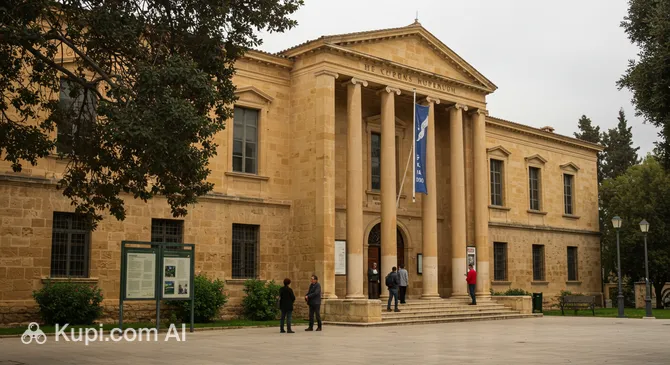
Nicosia offers tourists a rich itinerary, concentrated mainly within the historic ring of the Venetian walls. One of the must-visit sites is the Cyprus Museum. This is the island's oldest and largest archaeological museum, housing a unique collection of artifacts spanning from the Neolithic period to the Byzantine era.

The Cyprus Museum. Illustration.
Source: Kupi.com AI

Traveller photos:

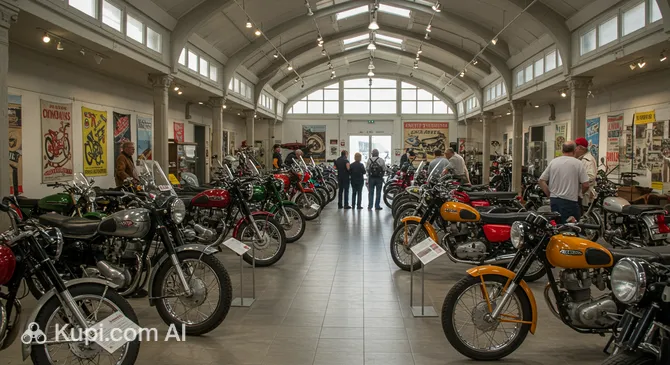
For art lovers, the A. G. Leventis Gallery is open, presenting an impressive collection of European paintings, as well as works by Cypriot and Greek masters. The gallery is known for its modern approach to exhibition and its sophisticated atmosphere. If you are looking for something unusual, visit the Cyprus Classic Motorcycle Museum, which showcases a private collection of machinery telling the story of the island's roads through chrome and steel.

Cyprus Classic Motorcycle Museum. Illustration.
Source: Kupi.com AI

Traveller photos:

A walk through the old city invariably leads to landmarks such as the Famagusta and Paphos Gates, the Archbishop's Palace, and the charming Laiki Geitonia quarter. Nicosia is a city for discovery on foot, where an ancient church or a modern exhibition space might be hidden behind every corner of a historic street.

Local Cuisine

The gastronomy of Nicosia is a succulent blend of traditional Cypriot recipes and Eastern Mediterranean influences. The food culture in the capital is thriving: from bustling tavernas with home-style cooking to refined modern restaurants. The main highlight remains meat or fish meze—a sequence of many appetizers that allows you to try everything at once.

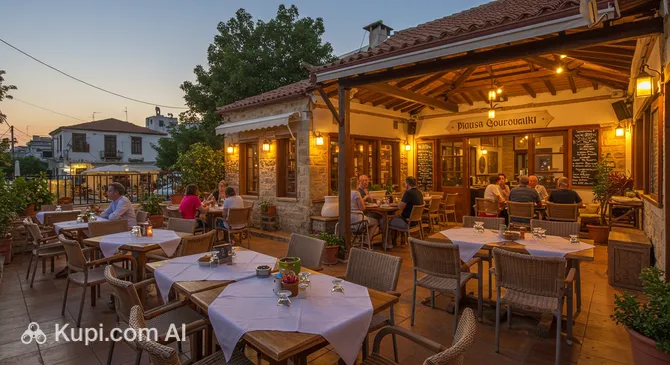
Be sure to try the famous grilled halloumi cheese, souvlaki, and aromatic sheftalia. Meat lovers should check out Piatsa Gourounaki, which serves excellent grilled dishes in a casual atmosphere. If you are looking for more contemporary flavor combinations and stylish presentation, we recommend Tokayo restaurant, featuring modern international cuisine.

Piatsa Gourounaki. Illustration.
Source: Kupi.com AI

Traveller photos:

Locals love spending time in coffee shops, ordering Cypriot coffee or frappe. For drinks, you should also pay attention to local wines from the foothills of the Troodos Mountains. Street food in the city is represented by numerous stalls selling gyros and kebabs, while in the old city, you can find authentic bakeries with traditional pastries soaked in syrup and sprinkled with nuts.

Travel Tips

To ensure your introduction to Nicosia is as comfortable as possible and leaves only pleasant impressions, we have prepared several practical recommendations.

  1. Clothing and Essentials: In summer, be sure to bring light clothing made of natural fabrics, a hat, and sunscreen, as the heat in the center of the island can be very intense. For visiting churches and monasteries, choose clothing that covers shoulders and knees. Shoes should be as comfortable as possible for walking on cobblestones.
  2. Transport: It is best to walk in the center. Use buses or taxis for trips to other districts. If you plan to rent a car, remember: Cyprus has left-hand traffic.
  3. Finances: The official currency is the Euro. Cards are accepted almost everywhere, but it's useful to have some cash for small cafes or souvenir shops in the old city. Tips in restaurants are usually around 10%.
  4. Health and Safety: The city is safe, but don't forget to drink plenty of water to avoid dehydration in the heat. Pharmacies (Farmakeio) operate on a schedule; duty locations can be found through special websites or notices on the doors of closed pharmacies.
  5. Communication: The main language is Greek, but English is widely spoken. Knowing a few phrases in Greek, such as "Yassas" (hello) or "Efcharisto" (thank you), always wins favor with locals.
  6. Local Etiquette: Cypriots are very hospitable. It is customary to say hello when entering a small shop. Be prepared for a leisurely pace of life—rushing is not common here.
  7. What to Avoid: Do not attempt to photograph security installations or checkpoints along the dividing line. Also, try not to plan important business during the siesta (from 13:00 to 16:00), when many establishments may be closed.
  8. Secret Tip: The best time for walks in the old city is early morning or just before sunset, when the heat subsides and the lights of the street cafes come on.

We hope these tips help you feel at home in the capital of Cyprus and enjoy every moment of your journey!

Entertainment & Nightlife

The nightlife in Nicosia is more urban and intellectual than the boisterous resort scene. Most activity is concentrated in the center, around Ledra Street and in the historic district. Here, you won't find massive beach clubs, but you will discover many atmospheric bars and wine venues where locals and students love to spend their evenings.

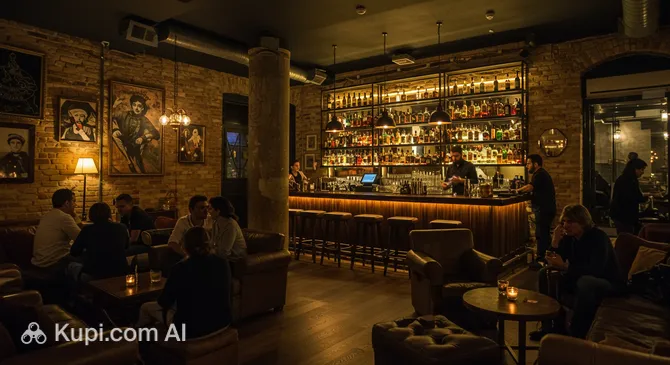
For the start of the evening, Bar Italia is perfect, offering a classic European atmosphere, or the famous Lost + Found Drinkery, which regularly features on lists of the world's best bars thanks to its signature cocktails. If you want a more energetic end to the night, you can drop by Bibliotheke—a popular spot with great music and a stylish crowd.

Lost + Found Drinkery. Illustration.
Source: Kupi.com AI

Traveller photos:

During the day, entertainment in Nicosia includes theaters, cinemas, and numerous art galleries. The city is safe for nighttime strolls along the main illuminated streets, and for moving between districts late at night, it is best to use taxi services, which are easily called via mobile apps.

Parks & Museums

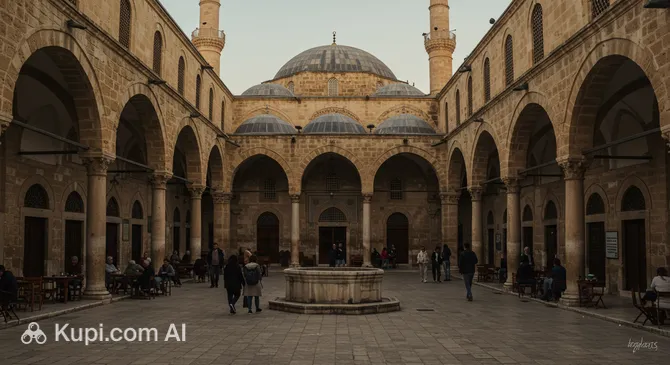
The museum scene in Nicosia is rightfully considered the best on the island. In addition to the already mentioned Cyprus Museum, it is worth visiting Büyük Han. This is a magnificently restored 16th-century Ottoman inn (caravanserai), which today has been transformed into a cultural center with artisan workshops, souvenir shops, and cozy cafes in the courtyard.

Büyük Han. Illustration.
Source: Kupi.com AI

Traveller photos:

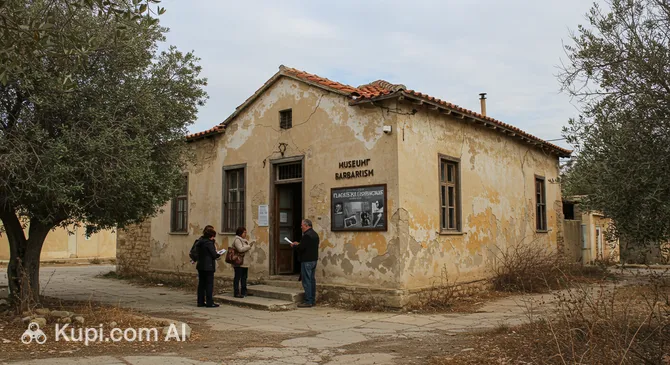
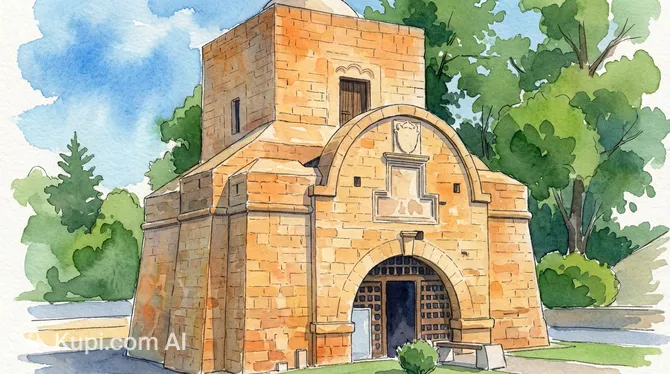
For those interested in architecture and fortifications, the Kyrenia Gate is noteworthy—one of the three entrances to the old city preserved from the time of Venetian rule. The Museum of Barbarism, dedicated to tragic pages of the island's history, also leaves a deep impression. It is located in a former residential house and preserves the memory of events from the mid-20th century.

Museum of Barbarism. Illustration.
Source: Kupi.com AI

Traveller photos:

There are few green zones directly in the center, but just a few kilometers away is the Athalassa National Forest Park. This is a vast space with lakes, cycling paths, and picnic spots where residents of the capital escape the summer heat. Nicosia is a city where a rich layer of history and culture is hidden behind austere facades.

Getting Around

Public transport in Nicosia is primarily represented by a network of bus routes. The city's transport system connects the center with residential areas and suburbs, though it's worth noting that intervals can be quite long, especially on weekends. The buses are modern and air-conditioned, which is vital in the local climate.

Fares are paid in cash to the driver or via smart cards (Motion Card) that can be topped up. There are single tickets, as well as day and week passes, which are convenient for tourists planning to move around the city actively. It is best to check the current schedule and routes in the official Pame App.

In the central historic part of the city, it is most convenient to move on foot, as many streets are too narrow for transport or are entirely pedestrian. Taxis serve as an alternative to buses and can be found at special ranks or called by phone. For complete freedom of movement, many guests choose to rent a car, but it is important to remember the left-hand traffic and the difficulties with parking in the old quarters.

Accommodation

Accommodation options in Nicosia are primarily geared toward business travelers and cultural tourism enthusiasts. Unlike the coastal areas, you won't find giant all-inclusive beach resorts here, but you will find stylish boutique hotels located in renovated historic buildings in the old center.

The most popular areas for booking accommodation are the neighborhoods around Ledra Street and Eleftheria Square. Staying here puts you within walking distance of the main museums and the city's best restaurants. For a more budget-friendly stay or a longer visit, apartments are a great option and are widely available in the modern residential areas surrounding the center.

Since the capital frequently hosts official delegations and business travelers, mid-range and high-end hotels are always in demand. It is recommended to book accommodation in advance, especially during major cultural festivals or conferences. Prices for accommodation in the capital can be slightly lower than at the coast during peak season, but the quality of service remains high.

Nearby Cities

Nicosia serves as an ideal starting point for exploring the central part of the island and its northern regions. Thanks to convenient road junctions, you can easily reach Cyprus's most interesting historical and natural locations in just an hour or an hour and a half.

Among the most popular destinations for day trips is the coastal Kyrenia, known for its picturesque harbor and ancient castle. Also of interest is the small town of Latsia, which is effectively a suburb of the capital, and Ercan, located nearby. For nature lovers, a trip to the Troodos mountain range, where Byzantine churches and cozy villages are hidden, is a must.

CityPopulationDistance
Latsia16,7749 km
Ercan012 km
Kyrenia33,20717 km
Dhali10,46619 km
Aradippou19,19932 km

Trips to the surrounding areas allow you to trade the business pace of the capital for the serenity of the mountains or the sound of the sea surf. We recommend renting a car to have the opportunity to visit remote monasteries or spend an evening in a village taverna, enjoying the quiet and traditional hospitality.

Shopping & Souvenirs

Shopping in the capital of Cyprus is a combination of modern commercial avenues and authentic shops in the old town. The main shopping artery is considered to be Ledra Street and the adjacent Onasagorou Street. Here, stores of famous international brands and local boutiques are mixed together, and the stroll through the pedestrian zones is a true pleasure.

If you are looking for traditional souvenirs, pay attention to the items in Büyük Han: here you can buy unique ceramics, leather goods, and the famous handmade lace. Olive oil, local honey, and icons are also popular. For a more conventional shopping format with air conditioning and food courts, head to large shopping centers like the Mall of Cyprus, located on the outskirts of the city.

Kyrenia Gate. Illustration.
Source: Kupi.com AI

Traveller photos:

Shops in Nicosia usually operate from 9:00 to 19:00 or 20:00, although some small shops may close for a siesta at lunchtime, especially in the summer. International bank cards are accepted everywhere, and for tourists from non-EU countries, a Tax Free system is available, allowing for a refund of part of the tax on purchases over a certain amount.

Reached the bottom of the page?

Looks like you know this route inside out