Support

Pula Citadel

About

From the top of the hill in the very center of the ancient city, one of the best views of the Adriatic opens up, and this summit is crowned by the majestic Pula Castle (known to locals as Kaštel). This monumental defensive structure from the 17th century is an architectural landmark that Pula has preserved as a symbol of its strategic past.
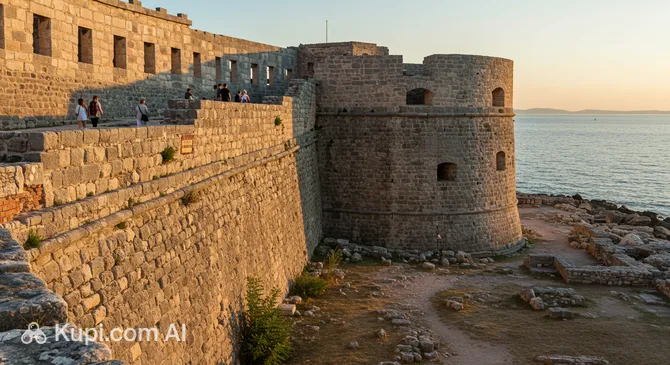
Pula Fortress. Illustration.
Source: Kupi.com AI

Traveler photos:

As an important cultural heritage site carefully protected by Croatia, the castle combines the functions of a historical monument and a museum space. Its massive walls and bastions serve as a fine example of European military architecture, attracting thousands of travelers with their rugged beauty and ancient atmosphere.

Today, the Historical and Maritime Museum of Istria is located within the fortress walls. Visitors come here not only for the interesting exhibits but also for the breathtaking panoramic views of the port, city quarters, and the endless sea that open up from the height of the ramparts.

Contacts

To contact the museum administration and get the latest information about current exhibitions or special events, you can use the official channels. The table below contains the main contact details, including the address and a map link for easy city navigation.

How to contactContact
AddressGradinski uspon 10, 52100, Pula, Croatia
Phone+385 52 351 300
Websitewww.ppmi.hr

What to Do

The main pleasure of visiting the fortress is walking along its massive bastions. The fortress walls offer a magnificent 360-degree view: you will see the city rooftops, the famous amphitheater, and the busy port. This is an ideal place for taking impressive panoramic photos.

Inside the citadel, be sure to visit the Historical and Maritime Museum of Istria. Its collections tell the story of seafaring, military arts, and daily life in the region. Here you can see old maps, weapons, ship models, and unique photographs that reveal the secrets of Istria's past.

During the summer period, Pula Castle transforms into one of the city's most atmospheric venues. Open-air concerts, theatrical performances, and film screenings take place here. If your visit coincides with one of these events, you will have an unforgettable experience combining modern art with ancient settings.

Getting There

Finding your way to this landmark is easy, as it is located on Kaštel hill in the heart of the historical center. From major tourist spots like the Roman Amphitheater or the Forum, you can reach the entrance to the fortress on Gradinski uspon street on foot in just a few minutes.

If you prefer public transport, use the city buses. The nearest stops — "Giardini" and "Portarata" — are a 5–10 minute walk away. From the main bus station or the port, it is also convenient to take a taxi; the ride will take very little time.

For those traveling by car, there are paid city parking lots on nearby streets, such as Carrarina or Giardini. Keep in mind that the final part of the path to the top of the hill must be covered on foot, allowing you to enjoy the charm of the old streets.

Nearest city: Pula

History & Facts

The history of this powerful defensive structure dates back to the deep past: the modern Pula Castle was built in 1630 on the site of ancient fortifications used since the days of the Roman Empire. The project was designed by the prominent French military engineer Antoine de Ville, commissioned by the Venetian authorities.

The architecture is a classic example of the Renaissance bastion system. Four massive corner bastions, connected by high curtain walls, were designed to effectively protect the city and its strategically important harbor from attacks from both sea and land.

Over the centuries, the fortress served as a military garrison, a warehouse, and an administrative center. Today, it is recognized as a cultural monument and is protected by the state. Walking through its territory, you can literally feel the change of eras — from the ancient foundations to the Venetian masonry of the walls.

Time Needed

To leisurely explore all the hidden corners of the fortification, study the museum collections, and take memorable photos against the city panorama, it is recommended to set aside about 1.5–2 hours. This time is quite sufficient to get acquainted with the main exhibition.

If you plan to visit temporary exhibitions or simply want to stay longer to admire the sunset over the Adriatic, you can budget half a day. The atmosphere of this place invites a slow exploration of history and contemplation of the seascapes.

Working Hours

The fortress gates are open to visitors daily, making it easy to include in any travel itinerary. According to the current schedule, the site is open from 9:00 AM to 9:00 PM seven days a week, providing an opportunity to admire the city's evening lights from above.

Please note that during the winter period and off-season, opening hours may be reduced to 5:00 PM, so it is recommended to check the information on the museum's official website before visiting during the colder months.

9:00 – 21:00

Nearby

Pula is a city with an incredible concentration of historical monuments, and exploring the area around the castle will allow you to dive deeper into the atmosphere of antiquity. Most of the iconic ancient sites are just a few steps away from the fortress walls.

A walk through the city center after visiting the castle is a perfect continuation of your sightseeing day, combining the exploration of majestic ruins with modern entertainment spots.

NameDistance
Historical and Maritime Museum of Istria0 km
Roman Theatre of Pula0.1 km
Sacred Hearts Museum and Gallery0.1 km
Church and Monastery of St. Francis0.1 km
Arch of the Sergii0.2 km
Zerostrasse0.2 km
Twin Gates0.2 km

Reached the end of the page?

That means the route is fully explored