Navigating Phnom Penh is an adventure in itself, characterized less by a structured network of trains and metros and more by a vibrant, flowing stream of road-based transport. The city currently does not have an operational metro, tram, or trolleybus system. Instead, the streets are dominated by a mix of public buses and a massive fleet of informal transport options, primarily tuk-tuks and motorbikes, which serve as the lifeblood of urban mobility.
The Phnom Penh City Bus is the only formal public transport option. Operated by the City Bus Authority, the network consists of several lines that cover major thoroughfares and key destinations, including the airport and the central markets. The buses are modern, air-conditioned, and generally comfortable, offering a welcome respite from the tropical heat. However, the network is not comprehensive, and buses can be slow due to the city's heavy traffic, making them a better choice for budget-conscious travelers with time to spare rather than those in a rush.
For the vast majority of visitors, the most practical and popular way to get around is by tuk-tuk. There are two distinct types you will encounter. The traditional Remork consists of a carriage hitched to a motorbike; it offers a breezy, spacious ride and is perfect for groups or sightseeing with luggage. The more modern "Rickshaw" (often referred to as an "Indian tuk-tuk") is a smaller, three-wheeled vehicle powered by LPG or CNG. These are nimble, cheaper, and fully enclosed, making them ideal for quick trips across town.
Payment methods vary by mode of transport. For the public city bus, the fare is a flat rate, typically around 1,500 Riel (approximately $0.37 USD) per ride. You must pay in cash using the exact change, dropping the money into the fare box upon entry. There are no travel cards or day passes widely available for tourists, so carrying a supply of small Riel notes is essential. For tuk-tuks and taxis, cash is also the standard, though the rise of digital platforms has changed how transactions are handled.
The best advice for any tourist is to download ride-hailing apps like Grab or PassApp immediately upon arrival. These apps have revolutionized transport in the city by allowing you to book cars, SUVs, tuk-tuks, and even motorbikes at fixed, transparent rates. This eliminates the language barrier and the need to haggle, which can be daunting for newcomers. You can link your credit card to these apps or choose to pay the driver in cash at the end of the ride.
Motorbike taxis, known locally as moto-dops, are another ubiquitous option. Drivers often wait at street corners and offer rides to passersby. While they are the fastest way to weave through traffic, they are not recommended for the faint of heart due to safety concerns. If you do choose a moto, always insist on wearing a helmet. Metered taxis are available but are rarely hailed on the street; they are mostly found at the airport or booked via telephone or apps.
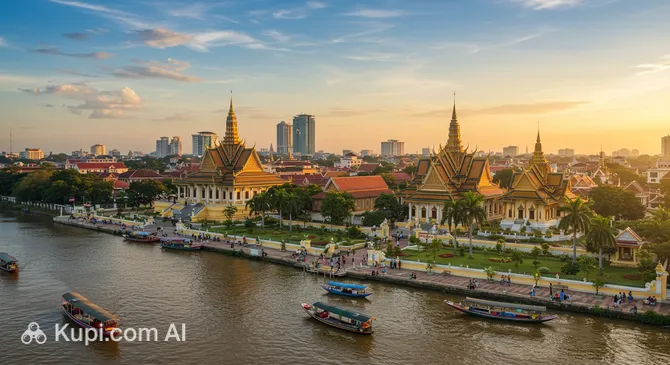
While there is no historic metro, the city does offer a unique transport experience in the form of river ferries. These boats shuttle passengers and vehicles across the Mekong and Tonlé Sap rivers, connecting the city center to areas like Arey Ksat and the serene Silk Island. Taking a ferry is not only a practical way to cross the water but also an inexpensive scenic cruise, offering beautiful views of the skyline from the water.
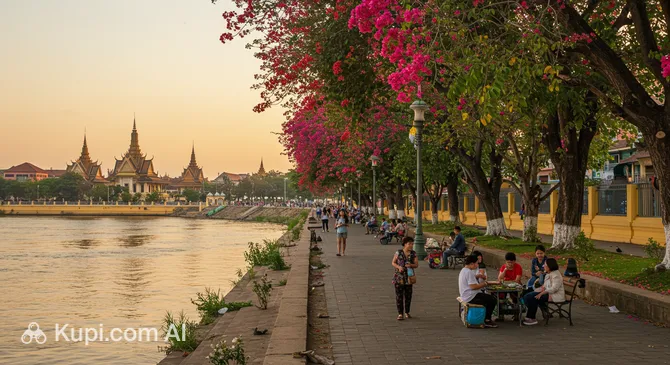
Traffic in the city can be chaotic, particularly during rush hours (7:00 AM to 9:00 AM and 5:00 PM to 7:00 PM). During these times, travel distances that usually take 15 minutes can turn into an hour-long journey. Walking is an option for short distances within districts like the Riverside, but be aware that sidewalks are often used for parking or stalls, requiring pedestrians to share the edge of the road with traffic.